Why do Christmas cookies bake unevenly? The oven mistakes to watch for
Thursday 26 November 2026 10:00 - Adèle Peyches
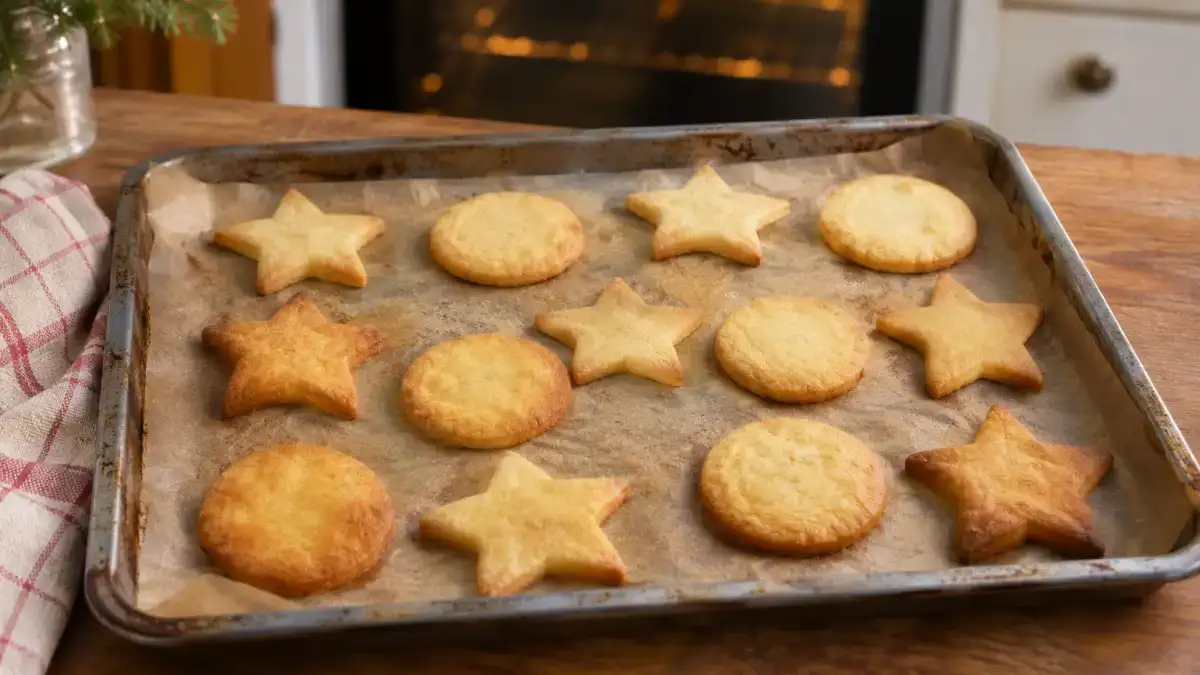
Good news: it doesn't necessarily mean you made a mistake with the dough. Your oven, baking sheet and even the size of your cookie cutters can all affect browning. Here are eight simple things to check before your next holiday baking session.
1. Your oven may have hot spots
The number on your oven display doesn't mean every corner is exactly that temperature. Heating elements cycle on and off, and hot air doesn't always move evenly around the oven cavity. That's why the cookies along one edge of a tray may turn golden before the rest.
Watch where browning happens first over a couple of batches. If the back-left corner consistently cooks faster, you've probably found a hot spot. An oven thermometer can also help you check whether the overall temperature is close to the setting.
Convection may improve air circulation, but it isn't a guarantee of identical cookies. Get to know your oven's habits before adjusting a recipe that otherwise works.
2. The rack position changes how cookies brown
Put a tray too close to the upper heating element and the tops may color quickly. Place it very low and the bottoms can brown faster, depending on your oven. For most standard cutout Christmas cookies, the middle rack is a sensible starting point, unless the recipe says otherwise.
Baking two trays at once can make things trickier. One tray may shield the other from heat, especially in an oven without effective convection. If you're still learning how your oven behaves, bake one tray at a time.
Already committed to two trays? Follow your recipe or oven manufacturer's guidance for rack positions, and check both trays rather than assuming they'll finish together.
3. Your baking sheet may be part of the problem
Not all cookie sheets conduct heat in the same way. Dark-colored pans often brown cookie bottoms faster, while very thin sheets may produce uneven results. A sturdy, light-colored metal baking sheet is a useful choice for delicate shortbread and sugar cookies.
Parchment paper helps prevent sticking and makes cleanup easier, but it won't magically eliminate oven hot spots. And switching pans can change baking times, even if the dough and oven setting stay identical.
If your usual cookies come out too dark underneath, try a lighter pan and begin checking a little earlier. Changing one thing at a time makes it easier to figure out what actually helped.
4. Different shapes need different baking times
A tiny Christmas tree and a big snowflake might look adorable together, but they don't necessarily bake at the same speed. Small cookies and thin points can become golden while a thicker centerpiece is still pale.
Keep cookies on the same tray similar in thickness and size. If you're using several cutters, consider grouping the smaller shapes on one tray and the larger ones on another. That way, you can pull each batch out at the right moment without sacrificing half the cookies.
For more consistent thickness, roll dough between rolling-pin guides. You don't need professional equipment. The goal is simply to avoid one cookie being twice as thick as its neighbor.
5. Crowding the tray makes baking less predictable
It's tempting to squeeze one last gingerbread person onto an already full tray. But cookies need room for hot air to move around them, and many types spread as the butter melts.
Check the spacing recommended by your recipe. Leave enough room so the cookies won't touch as they bake, especially with soft, butter-rich dough. Cutout cookies that hold their shape may need less space than drop cookies, but they still shouldn't be packed edge to edge.
And don't worry if you need an extra batch. A tray with a little breathing room is much easier to manage than one giant sheet of cookies stuck together.
6. Rotating the tray can help, but timing matters
If one side of your oven regularly browns faster, turning the baking sheet around can help. The trick is waiting until the cookies have started to set, rather than opening the door every couple of minutes.
For a typical sturdy cutout cookie, a single rotation around the midpoint of baking may be useful. But follow the recipe if it gives different instructions, and don't disturb delicate cookies that are especially sensitive to temperature changes.
Use oven mitts, rotate the tray carefully and close the door promptly. If your cookies already bake evenly, there's no prize for rotating them anyway!
7. A hot tray can ruin the next batch
Here's an easy mistake during a Christmas cookie marathon: taking the finished cookies off the tray and immediately placing fresh dough onto the still-hot metal. The butter starts softening before the cookies even reach the oven, so they may spread more and brown differently.
Let the baking sheet cool before loading the next batch. Having two trays makes this much easier because one can cool while the other is baking. If you only own one, give it time rather than rushing.
Keep dough chilled between batches when the recipe calls for it. Consistent dough temperature helps make one tray look more like the next.
8. Know when to remove the cookies and how to store them
Don't wait for every cookie to turn a deep golden brown. Many butter cookies are ready when their edges are lightly colored and the centers look set, although the exact signs depend on the recipe. They often firm up as they cool. If a few cookies are smaller than the others, check those first.
Transfer baked cookies to a wire rack as directed and let them cool completely before storing them in an airtight container. Packing warm cookies away traps moisture and can soften the texture you worked so hard to achieve.
For the next batch, remember the essentials: use a suitable baking sheet, roll the dough evenly, give the cookies space and learn your oven's hot spots. It's a much nicer holiday tradition than scraping burned stars off the tray!

Editorial Manager of Petitchef’s French edition, Adèle is passionate about food and gastronomy. A former culinary tour guide in Bordeaux, she explores food traditions worldwide, seasonal ingredients and shares her discoveries through recipes and practical advice.
Comments