Why my bread dough won't rise in the cold (and 5 simple tricks that work)
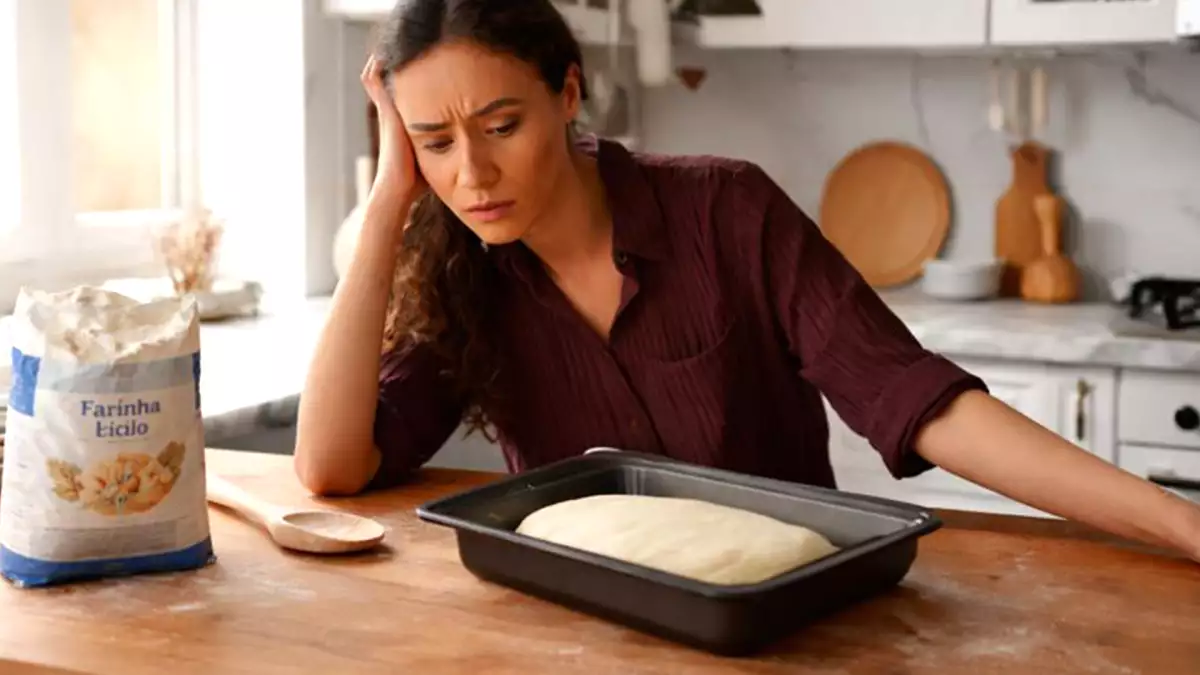
Baking bread on cold days is often frustrating. The recipe is followed to the letter, the dough is carefully prepared, but the rise just doesn't happen.
What many people don't know is that the problem rarely lies with the ingredients. The cold slows down the yeast and completely changes the pace of fermentation.
Understanding this simple detail is the first step to making bread dough rise even in winter, without complications and with much better results.
Why doesn't bread dough rise in the cold?
Bread growth depends on the action of yeast, which needs heat to work properly. At low temperatures, the yeast slows down, produces less gas and takes much longer to make the dough rise.
In winter, even indoors, the environment is often too cold for fermentation to take place at the optimum rate.
The ideal temperature for the dough to rise
In general, bread dough rises best between 75 °F/24 °C and 82 °F/28 °C. Below that, the process continues, but much more slowly. That's why, on cold days, you need to create a more favorable environment.
Simple tricks to make dough rise in the cold
1. Use warm water, not hot
- When preparing pasta, use warm water, never cold. The water should be comfortable to the touch. Water that is too hot can kill the yeast; water that is too cold makes it difficult for it to activate.
2. Take advantage of the switched-off oven
- One of the most commonly used tricks is to place the dough to rise in an unplugged oven, with only the interior light on. This small amount of heat already creates an ideal environment for fermentation.
Another option is to heat the oven for 1 or 2 minutes, turn it off and only then place the dough inside.
3. Cover the dough well
- Cover the dough with a clean cloth or plastic wrap. This prevents heat loss and stops the surface from drying out, helping the dough to rise.
4. Choose a warmer place in the house
- On cold days, the kitchen is usually the warmest room. Placing the dough near the stove (without direct contact with heat) will make a difference.
5. Give the dough more time to rise
- In cold weather, fermentation is naturally slower. Instead of waiting an hour, you may have to wait two or even three hours. Patience is part of the process.
Does yeast make a difference?
Yes. Fresh or active dry yeast usually responds better in the cold than very old yeast. Always check the expiry date and, if possible, test the yeast before use.
Don't force growth
Avoid placing the dough in very hot places or near direct heat sources. This can speed up the process too much on the outside and damage the texture of the bread on the inside.
Cold doesn't stop you, it just requires adaptation
Baking bread on cold days is entirely possible. The secret lies in understanding the yeast's behavior and creating the right conditions for it to act. With small adjustments, the dough rises, the bread is light and the result is worth the wait.
In winter, more than speed, bread requires time, care and just the right amount of warmth.
 Mirella Mendonça
Comments