Why your homemade mojito tastes off: the common mistakes that ruin a cocktail that seems easy
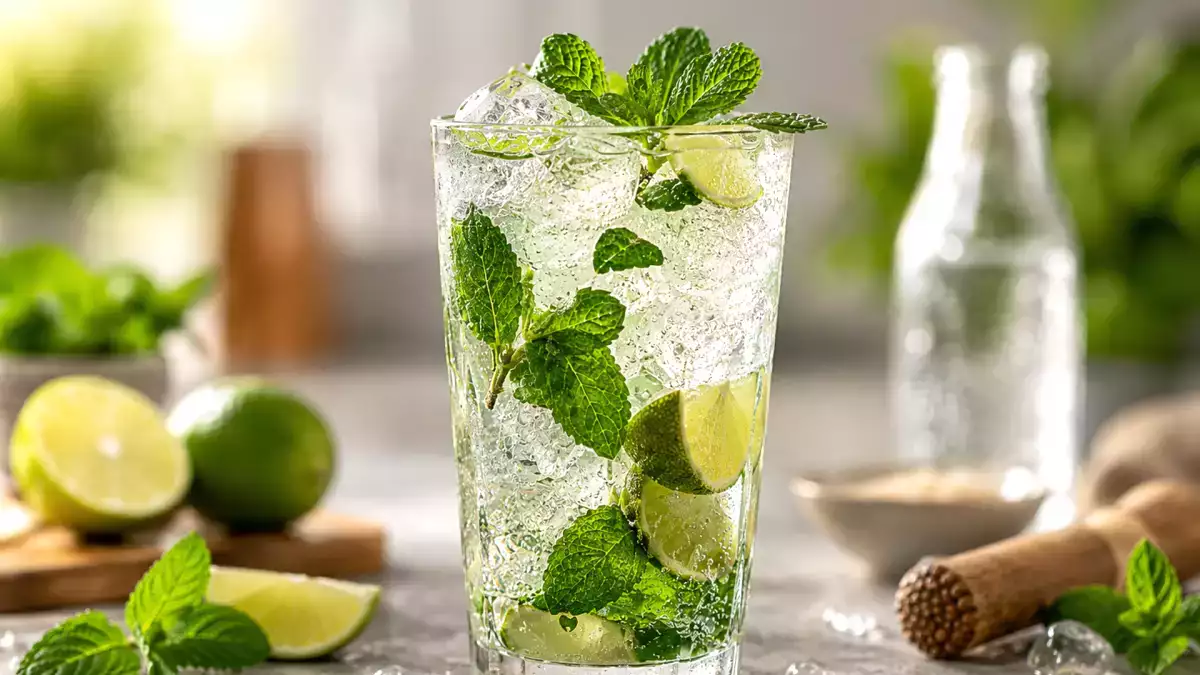
Everyone knows the mojito: that refreshing, pleasant Cuban drink that’s a hit on summer patios around the world. But not everyone knows that, before it was called a mojito, it was known as a “Draquecito.” Nor do they realize that behind a seemingly simple recipe (rum, lime, spearmint or mint, sugar, soda water, and ice) even the smallest mistake can ruin the result.
Perhaps that’s why it’s surprising that something so popular still goes wrong so often. The mojito seems easy, almost impossible to mess up. But the opposite is true: when a recipe has so few ingredients, every mistake stands out.
The recipe isn’t complicated. The challenge lies in getting the balance right. To make a good mojito, it’s important to understand its ingredients, avoid the most common mistakes that tend to ruin it, and start with a reliable base recipe. With these simple steps, you can make a fresh, aromatic, and well-balanced mojito at home. One that’s very close to what a skilled mixologist would serve.
From a folk remedy to a global classic
Before becoming the vibrant cocktail enjoyed today on terraces around the world, the mojito was a rudimentary concoction associated with sailors, pirates, and remedies for an upset stomach. Back then, the mint was more than just a garnish.
Over time, that drink was refined until it became a Cuban classic. In the 1940s, Ernest Hemingway helped fuel its legend from La Bodeguita del Medio in Havana.
According to the International Bartenders Association, the classic recipe is simple: white rum (preferably Cuban-style), fresh lime, spearmint or mint, sugar, soda water, and ice.
The secret to a good mojito? There isn’t just one. Every bartender has their own way of making it, and that’s part of its charm. But there are some rules most agree on, let’s take a look at them!
Crush the mint instead of pressing it
Spearmint (or fresh mint) isn't crushed, it's pressed. The goal isn't to break the leaves, but to release their essential oils so they add fragrance to the drink without overpowering it. Simply rest the pestle gently on the leaves, apply light pressure, and let the aroma release without turning the mint into a paste.
When the leaves are crushed too much, the mojito loses its clarity: the glass becomes cloudy, and green, harsh, or bitter notes may emerge. It’s better to apply brief, controlled pressure than to work it as if you were using a mortar.
A simple trick: before adding the decorative sprig, give it a light slap between your hands (this is known in mixology as an “herb slap”). This helps release the aroma just before drinking.
Use bottled lemon or lime juice
In a mojito, the lime isn’t just there to add acidity: it provides aroma, freshness, and that clean finish that makes the cocktail so appealing. That’s why the best option is always to use fresh lime.
Shortcuts change the result. Bottled lime juice tends to leave a flat taste: tart, yes, but lifeless. And lemon, while it may seem like a close substitute, takes the cocktail in a different direction: sharper, less tropical, and less in line with the classic recipe.
The amount matters, too. If the first sip tastes only of lime, the mojito is out of balance. It should be citrusy and fresh, but not overpowering.
Adding too much sugar or not dissolving it properly
Sugar isn't there to mask the rum or turn the mojito into a soft drink. Its purpose is to round out the lime's acidity, add some body, and balance the drink as a whole.
The most common mistake at home is using granulated sugar and not dissolving it properly: the first sip can be too tart, and the finish can be cloying, with sugar settling at the bottom. That’s why many bartenders prefer simple syrup (sugar previously dissolved in water). It’s not more sophisticated, it simply blends in better and distributes the sweetness from the first sip to the last.
White sugar or cane sugar? It depends on the style. Although most people use white sugar because it yields a cleaner, more classic mojito, cane sugar can add more toasty or honeyed notes; interesting, but less neutral.
Add a little ice or use partially melted ice
Ice isn't just a filler. In a mojito, it cools the cocktail, and as it melts slowly, it adds a small amount of water that softens the rum and brings the flavors together. The problem arises when it melts too quickly.
That’s why you shouldn’t skimp on it: with too little ice, the glass warms up faster, the cubes melt quickly, and the mojito ends up watered down. It’s better to fill the glass well with ice fresh from the freezer (hard and compact) rather than with cubes that have been out for a while and have already started to melt.
The type of ice also matters. Crushed ice cools quickly and makes for a lighter drink, but it melts faster; large ice cubes last longer and keep the cocktail cool without watering it down as quickly. The idea is simple: plenty of ice, well-preserved, and added right when you’re making the mojito.
Add the soda water the wrong way and lose the fizz
Soda water (plain sparkling water, without sugar or flavorings) isn't meant to sweeten the mojito, but to give it fizz, lightness, and a refreshing finish.
The simplest method is to first build the base, add the ice, top it off with cold soda water, and give it a quick stir to combine. Don’t stir as if you were mixing lemonade: if you overwork it, the bubbles will disappear and the mojito will go flat.
Some bartenders add a small splash of soda water before the ice to help incorporate the lime, sugar, and mint, and then top it off at the end. It’s a matter of style. At home, the important thing is not to lose the fizz: it should lighten the drink, not disappear before the first sip.
Choose any rum
You don’t need to use an extremely expensive rum, but it does need to be clean. The classic mojito calls for a white, fresh, and relatively light rum; if you want to stay true to the most traditional, Cuban-style recipe.
A very dark, very spiced, or heavily oaked rum might be good, but it changes the cocktail. It takes it into different territory. For a classic mojito, it’s best to start with a decent white rum and let the lime and mint shine through without being overshadowed.
The rum should be present, but not overpowering. If you have to hide it under sugar and soda, it wasn’t the right rum.
The basic recipe for a well-balanced homemade mojito
As a starting point, we can use the International Bartenders Association’s recipe and adjust it slightly to suit our tastes:
- 1½ fl oz Cuban white rum (or 1½–2 fl oz for a slightly stronger drink)
- ¾ fl oz fresh lime juice (up to 1 fl oz if the lime is mild)
- 2 tsp white sugar (or 1–1⅓ tbsp simple syrup)
- 6–8 fresh mint leaves
- Cold soda water to top
- Plenty of ice
Preparation:
- Pour the lime juice and sugar (or simple syrup) into the glass.
- Add the mint leaves and gently press them without crushing them.
- Stir in the rum.
- Fill the glass with ice.
- Top with cold soda water.
- Stir just enough to combine.
Serving:
- Use a tall glass.
- Use chilled ingredients.
- Serve immediately.
The mojito loses its fizz quickly, the mint wilts, and the ice ends up overpowering the rum, lime, and fresh aroma.
How about making homemade cocktails for pre-dinner drinks? If you love mint and white rum, you guessed it... you won't be able to resist a Cuban mojito! Sip it leisurely with friends on the terrace and end the day on a high note :-) Follow the steps to...
 Patricia González
Comments