Before you lick the mixing bowl: what everyone should know about raw cake batter and leftovers
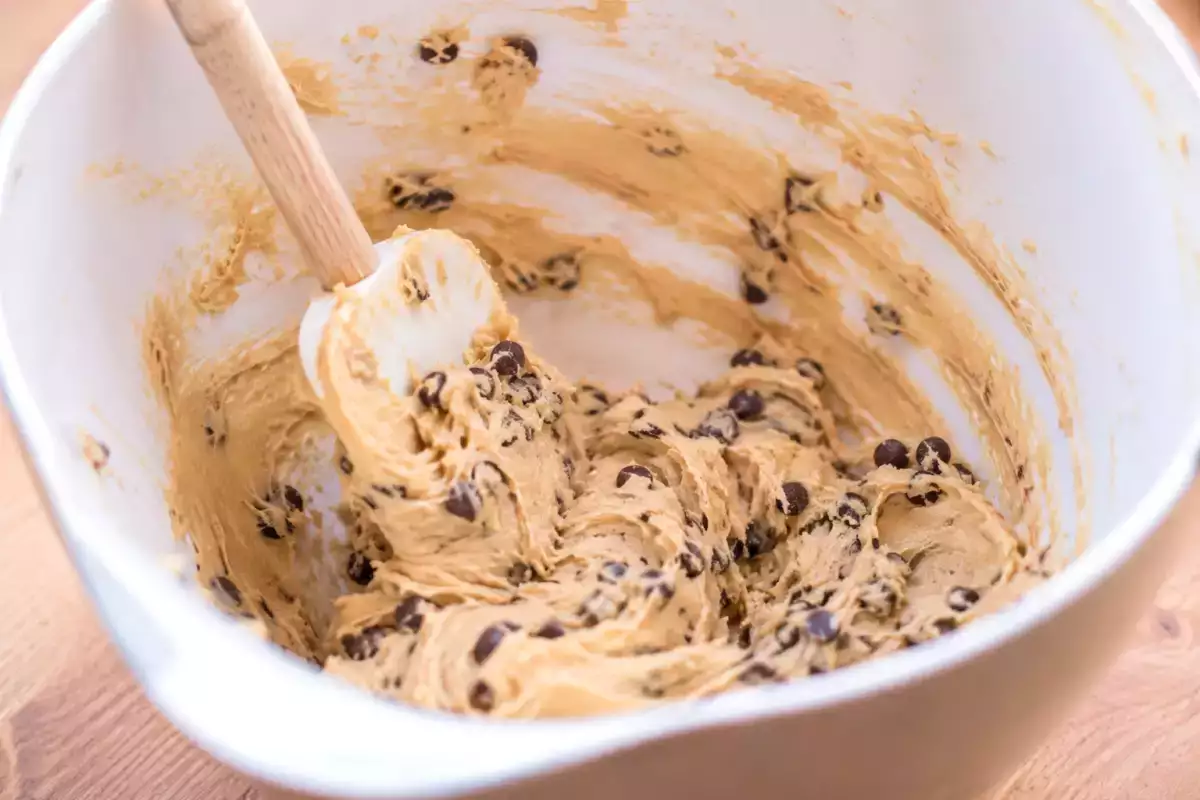
Let’s be honest: for many of us, the best part of a cake is sometimes even before it goes into the oven.
The raw batter still in the mixing bowl, a spoonful of chocolate, that little bit left over that you scrape out “just to taste”… It’s nostalgic, indulgent, and often brings back memories of childhood snacks :)
But here’s the thing: eating raw cake batter isn’t as harmless as you might think. Even if it smells wonderful, even if it looks perfectly normal, even if “we’ve always done it and everything’s fine,” it can still pose some risks.
Of course, there’s no question of spoiling the fun of baking. But it’s better to know why it’s best to wait until it’s baked… or to make a version specifically designed to be eaten raw.
The problem isn't just the eggs
When we talk about raw cake batter, we immediately think of raw eggs. And indeed, they can be a problem, particularly because of the risk of salmonella.
But what people often forget is that flour can also be a concern. It looks dry, clean, and harmless… and yet, it’s not meant to be eaten as is. Flour is a raw food: the grains used to make it may be exposed to bacteria, and the milling process doesn’t necessarily eliminate them. Baking, on the other hand, makes preparations made with raw flour and eggs safer.
So yes, even an egg-free batter can be a concern if it contains raw flour.
Why does cooking make all the difference?
The magic of the oven isn’t just about making the cake rise or browning the edges. It’s also an important step when it comes to food safety.
Raw flour and raw eggs can contain germs that can make you sick, so it’s recommended that you avoid tasting or eating raw dough or uncooked batter. It also advises washing your hands, bowls, utensils, and countertop thoroughly after handling flour, eggs, or raw dough.
To put it simply: as long as the dough hasn’t been baked, it hasn’t yet undergone the cooking process that reduces these risks. It’s not very glamorous, we’ll grant you that, but it’s good to know.
Who needs to be even more careful?
For a healthy person, a teaspoon of raw dough won’t necessarily cause any problems. But the risk is there, and some people need to be more careful.
Children, the elderly, pregnant women, and people with weakened immune systems are more susceptible to foodborne illnesses. For them, it’s really best to avoid raw batter altogether, even “just a little bit.”
And if you’re baking a cake with kids, we know the temptation is strong to let them lick the spatula. Instead, you can set aside a small treat for them that poses no particular risk: a few chocolate chips, a piece of fruit, or a spoonful of yogurt on the side. Yes, it’s not as iconic as the mixing bowl… but it’s the more sensible choice ;)
What about egg-free recipes?
You might think, “No eggs, so no problem!” Well… not necessarily.
Since raw flour can also be an issue, vegan cookie dough, raw crumble mixture, or egg-free cake batter aren’t automatically meant to be eaten before baking.
If you really want cookie dough-style batter to eat by the spoonful, it’s best to choose a recipe specifically designed for that purpose, with suitable ingredients. Some versions, for example, use rolled oats, blended dried fruit, banana, nut butter, or pre-toasted flour, depending on the recipe.
The idea is simple: don’t repurpose a classic dough meant for the oven. Instead, prepare a genuine “raw” recipe, designed for that purpose from the start.
Best practices for baking
Even though no one eats raw dough, it’s always a good idea to follow a few basic safety habits.
Wash your hands before and after handling eggs and flour. Avoid tasting the dough before baking. Clean the countertop, whisks, spatulas, and bowls after use. And don’t leave raw dough sitting out at room temperature for too long.
Another important detail: if a little flour spills onto the countertop, make sure to clean it up thoroughly. Don’t just wipe it away with your hand or a dish towel that’s already been used for something else. Flour is light and airy; it gets everywhere, and it deserves just as much attention as any other raw ingredient.
So, do we lick the spoon or not?
We know, it's tempting. Very tempting...
But raw cake batter often contains ingredients that aren’t meant to be eaten before baking, particularly raw eggs and raw flour. So the safest bet is to wait a few minutes and let the oven do its job.
If the craving for “raw batter” is too strong, it’s better to make a recipe specifically designed to be enjoyed without baking, using suitable ingredients.
Now that you know all this, all that’s left is to pop the cake in the oven… and wait until the aroma fills the whole kitchen. I promise, it’s worth the wait ;)
 Adèle Peyches
Comments