Convert grams to milliliters and teaspoons fast: exact steps every cook and baker can use today
Tuesday 15 September 2026 10:00 - Adèle Peyches
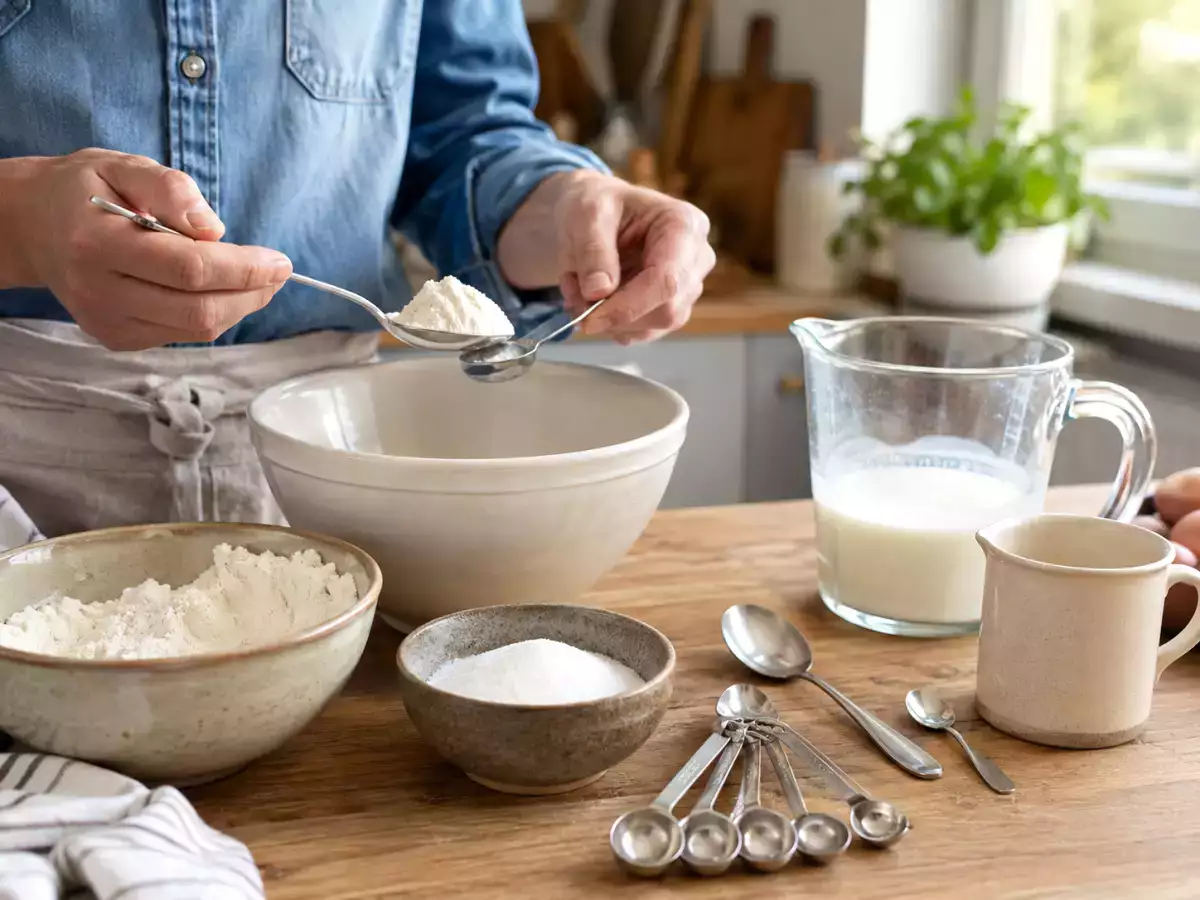
Every home cook knows the tiny kitchen panic: the recipe asks for 120 g of flour, the scale has vanished, and all you can find is a tablespoon, a mug and unreasonable confidence. Or the recipe says 80 ml of milk, but your measuring cup is in the dishwasher. Suddenly, dinner feels less like cooking and more like a maths exam with butter on the page.
The good news is that converting grams into milliliters, teaspoons or tablespoons is not as mysterious as it looks. The trick is understanding one cheerful but crucial rule: grams measure weight, while milliliters and spoons measure volume. Sometimes they line up nicely. Sometimes they absolutely do not.
Step 1: Know what you are converting
Before reaching for a spoon, ask the most important question: what ingredient am I measuring? This is where many conversions go wrong. Water is easy. Flour is fluffy. Sugar is heavier. Oil is lighter than water. Honey is dense. Butter behaves differently depending on whether it is melted, softened or packed into a spoon.
The Ptitchef guide makes the essential point clearly: grams are weight, while milliliters and spoons are volume. For water, 100 ml weighs about 100 g. But for flour, sugar, oil or butter, the same volume does not weigh the same amount because each ingredient has a different density.
So the first exact step is not a calculation. It is identification: liquid, dry ingredient, fat, powder or sticky ingredient?
The Ptitchef guide makes the essential point clearly: grams are weight, while milliliters and spoons are volume. For water, 100 ml weighs about 100 g. But for flour, sugar, oil or butter, the same volume does not weigh the same amount because each ingredient has a different density.
So the first exact step is not a calculation. It is identification: liquid, dry ingredient, fat, powder or sticky ingredient?
Step 2: Use the easy liquid rule
For water-like liquids, the conversion is wonderfully simple. 1 ml of water weighs about 1 g. That means 100 ml of water is about 100 g. Milk is close enough for most everyday cooking, so 100 ml of milk is also roughly 100 g.
For US cooks, remember that 1 teaspoon = about 5 ml and 1 tablespoon = about 15 ml. So if a recipe calls for 60 ml of milk, you can use about 4 tablespoons. If it calls for 15 ml of lemon juice, that is 1 tablespoon. If it calls for 5 ml of vanilla, that is 1 teaspoon.
Oil is the little exception. It is lighter than water, so 100 ml of oil weighs about 90 to 92 g. In a salad dressing, that difference rarely ruins anything. In baking, it can matter more.
For US cooks, remember that 1 teaspoon = about 5 ml and 1 tablespoon = about 15 ml. So if a recipe calls for 60 ml of milk, you can use about 4 tablespoons. If it calls for 15 ml of lemon juice, that is 1 tablespoon. If it calls for 5 ml of vanilla, that is 1 teaspoon.
Oil is the little exception. It is lighter than water, so 100 ml of oil weighs about 90 to 92 g. In a salad dressing, that difference rarely ruins anything. In baking, it can matter more.
Step 3: Convert teaspoons and tablespoons into milliliters
Here are the spoon measures to keep in your head:
1 teaspoon = about 5 ml
1 tablespoon = about 15 ml
4 tablespoons = about 60 ml
1 US cup = about 240 ml
1 metric cup = about 250 ml
That last line matters for international recipes. Many UK and European-style recipes may use metric measures, while US recipes often use cups. A US legal cup is close to 240 ml, while many metric cup references use 250 ml. The difference is not usually dramatic for soup, sauce or pancake batter, but it can change precise baking results.
The practical rule: choose one measuring system and stick to it for the whole recipe. Do not mix a US cup, a random mug and a heaped spoon unless the recipe is extremely forgiving.
1 teaspoon = about 5 ml
1 tablespoon = about 15 ml
4 tablespoons = about 60 ml
1 US cup = about 240 ml
1 metric cup = about 250 ml
That last line matters for international recipes. Many UK and European-style recipes may use metric measures, while US recipes often use cups. A US legal cup is close to 240 ml, while many metric cup references use 250 ml. The difference is not usually dramatic for soup, sauce or pancake batter, but it can change precise baking results.
The practical rule: choose one measuring system and stick to it for the whole recipe. Do not mix a US cup, a random mug and a heaped spoon unless the recipe is extremely forgiving.
Step 4: Use ingredient-specific spoon conversions
For dry ingredients, teaspoons and tablespoons are only useful if you know the ingredient. A tablespoon of flour does not weigh the same as a tablespoon of sugar. According to the Ptitchef conversion guide, these everyday estimates are useful when you are cooking without a scale:
Flour: 1 level tablespoon = about 8 to 10 g
Granulated sugar: 1 level tablespoon = about 12 to 15 g
Powdered sugar: 1 level tablespoon = about 7 to 8 g
Soft butter: 1 tablespoon = about 15 g
Oil: 1 tablespoon = about 13 to 14 g
So if a simple cake asks for 100 g of flour, you are looking at roughly 10 to 12 level tablespoons. If it asks for 100 g of granulated sugar, that is closer to 7 to 8 level tablespoons. Same weight, very different spoon count. That is why “just use a spoon” can be either genius or chaos, depending on the ingredient.
Flour: 1 level tablespoon = about 8 to 10 g
Granulated sugar: 1 level tablespoon = about 12 to 15 g
Powdered sugar: 1 level tablespoon = about 7 to 8 g
Soft butter: 1 tablespoon = about 15 g
Oil: 1 tablespoon = about 13 to 14 g
So if a simple cake asks for 100 g of flour, you are looking at roughly 10 to 12 level tablespoons. If it asks for 100 g of granulated sugar, that is closer to 7 to 8 level tablespoons. Same weight, very different spoon count. That is why “just use a spoon” can be either genius or chaos, depending on the ingredient.
Step 5: Level the spoon unless told otherwise
Here is the detail that quietly changes everything: level spoon or heaped spoon? A recipe that says “1 tablespoon” usually means a level tablespoon unless it specifically says heaped. A heaped spoonful of flour, cocoa, baking powder, cornstarch or powdered sugar can contain much more than a level spoon.
This matters most with powerful ingredients. Too much salt can hijack dinner. Too much baking powder can make a cake rise strangely. Too much flour can turn a tender batter into something closer to construction paste.
The exact step is simple: fill the spoon, then level it off with the back of a knife. Do not pack flour down. Do not shake sugar into a mountain. Measure calmly. Your cake will appreciate the emotional maturity.
This matters most with powerful ingredients. Too much salt can hijack dinner. Too much baking powder can make a cake rise strangely. Too much flour can turn a tender batter into something closer to construction paste.
The exact step is simple: fill the spoon, then level it off with the back of a knife. Do not pack flour down. Do not shake sugar into a mountain. Measure calmly. Your cake will appreciate the emotional maturity.
Step 6: Know when approximation is fine
Not every recipe demands laboratory precision. For soups, stews, sauces, marinades, salad dressings, pancake batter and many weeknight dinners, approximation works beautifully. If a sauce is too thick, add liquid. If a batter is too runny, add a little flour. If a dressing is too sharp, add oil or sweetness. These recipes allow tasting, adjusting and rescuing.
This is where conversions are genuinely useful. If you need 45 ml of vinegar, use 3 tablespoons. If you need 30 ml of oil, use 2 tablespoons. If pancake batter looks too thick, loosen it with milk. The kitchen does not collapse because you were 5 ml off.
For everyday cooking, the goal is not perfect conversion. The goal is getting close enough to cook confidently.
This is where conversions are genuinely useful. If you need 45 ml of vinegar, use 3 tablespoons. If you need 30 ml of oil, use 2 tablespoons. If pancake batter looks too thick, loosen it with milk. The kitchen does not collapse because you were 5 ml off.
For everyday cooking, the goal is not perfect conversion. The goal is getting close enough to cook confidently.
Step 7: Know when the scale should win
Some recipes are less forgiving, and that is not their fault. Macarons, meringues, brioche, choux pastry, laminated dough, delicate cakes and recipes with precise yeast or baking powder ratios are much happier with a scale. Baking is chemistry with snacks at the end, and a few generous spoonfuls can change texture, rise and moisture.
If you are making a recipe for the first time and it depends on exact ratios of flour, fat, liquid and leavening, use the grams if possible. A scale is not less spontaneous. It is just a tiny insurance policy against disappointment.
The happy compromise is this: convert for simple cooking, weigh for technical baking.
If you are making a recipe for the first time and it depends on exact ratios of flour, fat, liquid and leavening, use the grams if possible. A scale is not less spontaneous. It is just a tiny insurance policy against disappointment.
The happy compromise is this: convert for simple cooking, weigh for technical baking.
A mini conversion guide to save
Keep this quick guide handy:
1 teaspoon = 5 ml
1 tablespoon = 15 ml
1 US cup = about 240 ml
1 metric cup = about 250 ml
100 ml water = about 100 g
100 ml milk = about 100 g
100 ml oil = about 90 to 92 g
1 level tablespoon flour = about 8 to 10 g
1 level tablespoon granulated sugar = about 12 to 15 g
1 tablespoon soft butter = about 15 g
And remember the most useful kitchen habit of all: use the same measuring style from start to finish. If you start with level tablespoons, keep using level tablespoons. If you use one mug as your measure, use that same mug throughout.
1 teaspoon = 5 ml
1 tablespoon = 15 ml
1 US cup = about 240 ml
1 metric cup = about 250 ml
100 ml water = about 100 g
100 ml milk = about 100 g
100 ml oil = about 90 to 92 g
1 level tablespoon flour = about 8 to 10 g
1 level tablespoon granulated sugar = about 12 to 15 g
1 tablespoon soft butter = about 15 g
And remember the most useful kitchen habit of all: use the same measuring style from start to finish. If you start with level tablespoons, keep using level tablespoons. If you use one mug as your measure, use that same mug throughout.
The takeaway
The exact steps to convert grams into milliliters or teaspoons are simple once you know what is really happening. First, identify the ingredient. Second, remember that grams measure weight and milliliters, teaspoons and tablespoons measure volume. Third, use easy liquid conversions for water and milk. Fourth, use ingredient-specific estimates for flour, sugar, butter and oil. Fifth, level your spoons. Finally, decide whether the recipe is forgiving enough for approximation.
For everyday cooking, conversions can save dinner when the scale disappears. For precision baking, the scale is still your best friend. That is not a failure of conversion; it is simply good kitchen judgement.
So next time a recipe asks for grams and you are holding a tablespoon, do not panic. With a few smart reference points and a calm hand, you can cook your way through the measuring mystery — and maybe even enjoy the tiny maths moment.
For everyday cooking, conversions can save dinner when the scale disappears. For precision baking, the scale is still your best friend. That is not a failure of conversion; it is simply good kitchen judgement.
So next time a recipe asks for grams and you are holding a tablespoon, do not panic. With a few smart reference points and a calm hand, you can cook your way through the measuring mystery — and maybe even enjoy the tiny maths moment.
 Adèle Peyches
Editorial manager who just can't wait for winter to enjoy fondue! Passionate about gastronomy and always on the lookout for new culinary gems, I first studied law before returning to my first love: the taste of good products and the joy of sharing around the table :)
Comments