Do you really need to peel butternut squash before cooking, or can you cook it with the skin on?
Monday 19 October 2026 10:00 - Adèle Peyches
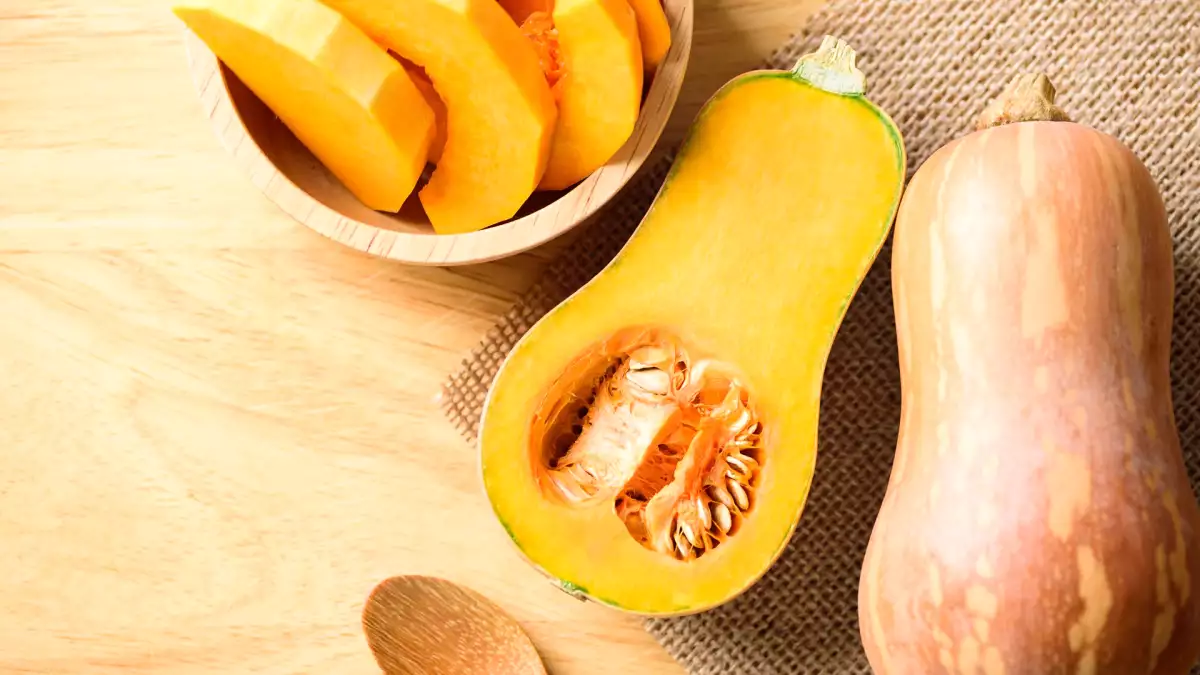
Is the skin of a butternut squash edible?
Yes, the skin of a butternut squash is edible. The real question is mainly one of texture.
When raw, the skin is quite firm. With prolonged cooking, especially in the oven, it softens significantly. On a small squash, it can become soft enough to eat without any discomfort.
On a larger or riper squash, it may have a more pronounced texture in the mouth. That’s why it isn’t always left on in every recipe.
When baking, you can often leave the skin on
Whether you’re roasting a butternut squash halved, in wedges, or stuffed, you can usually leave the skin on. The cooking time is long enough to soften it, and it also helps the pieces hold their shape.
It’s also convenient if you’re preparing the squash Hasselback-style or simply roasting it with olive oil and spices. You’ll save time and skip a step that can sometimes be tricky.
Just be sure to brush or wash the squash thoroughly before cutting it. If you decide you don’t want to eat the skin after all, the cooked flesh comes away very easily with a spoon after baking.
When it comes to soup, it all depends on the desired texture
When making a velvety soup, you can leave the skin on if the squash cooks long enough and you use a powerful blender afterward.
However, if you’re looking for a very smooth and delicate soup, it’s safer to peel the butternut squash. Some skins may leave small pieces behind after blending.
Another option: roast the butternut squash with the skin on, then remove only the flesh before blending it.
However, if you’re looking for a very smooth and delicate soup, it’s safer to peel the butternut squash. Some skins may leave small pieces behind after blending.
Another option: roast the butternut squash with the skin on, then remove only the flesh before blending it.
Foolproof butternut squash soup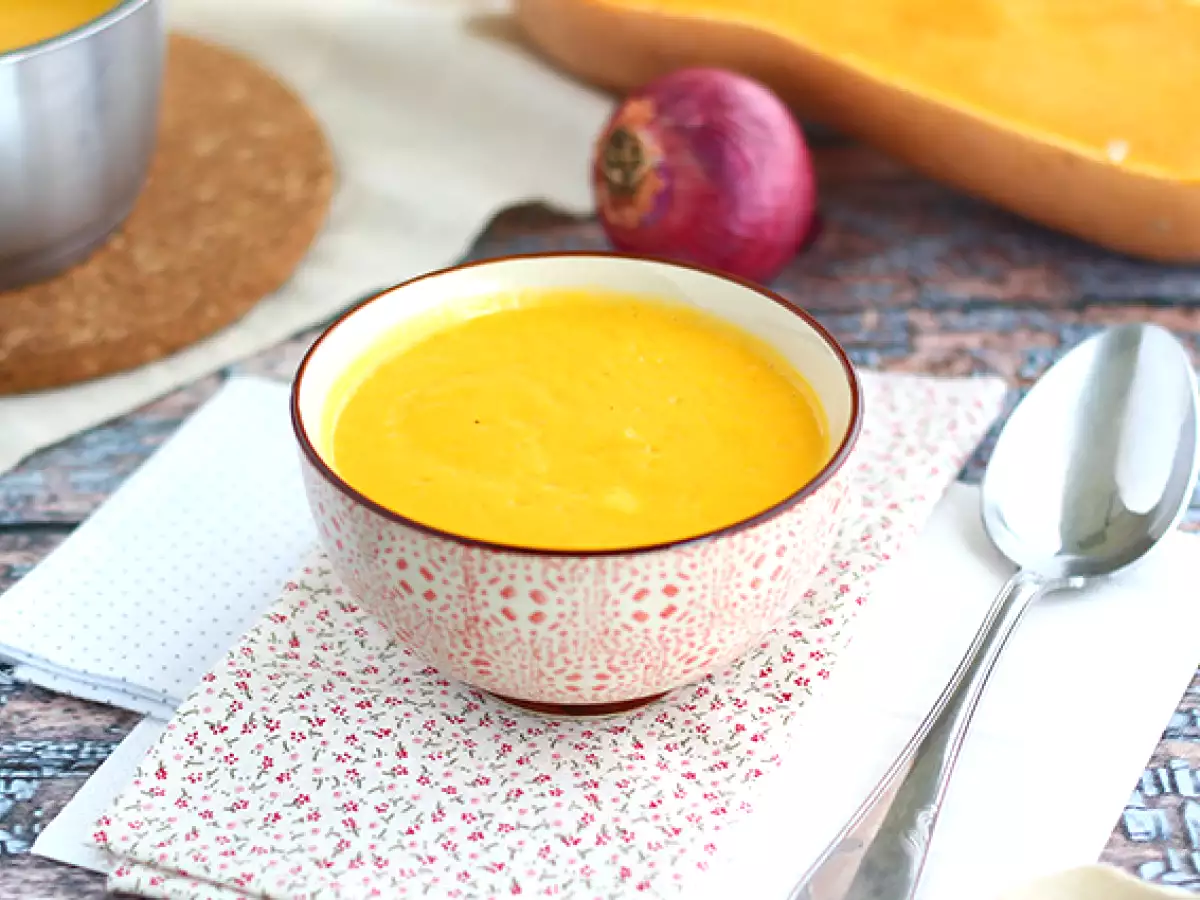
Squash season is here! Red kuri squash, pumpkin, butternut squash... How should you cook them? Here's a simple recipe that's perfect for autumn and winter: a creamy soup! Even beginners can make it: just cook the ingredients for a few minutes before...
For a very smooth purée or sauce, it's best to peel it
For a purée, stuffing, or sauce meant to coat pasta, texture matters more. In these dishes, it’s generally best to remove the skin before cooking or to use only the flesh after roasting the squash.
The goal is to achieve a smooth consistency, without any small, firmer pieces. The smoother the texture required by the recipe, the more important peeling becomes.
This is particularly true for certain butternut squash pasta dishes, gnocchi, creamy sauces, or preparations that need to be piped through a pastry bag or mixed into dough.
For quick pan-frying, remove the skin instead
Cooking in a skillet takes much less time than baking in the oven. Butternut squash cubes can become tender in a matter of tens of minutes, but the skin doesn’t always have time to soften enough.
In this case, peeling the squash before cutting it into small cubes usually yields a better result. The pieces cook more evenly, and the texture remains tender throughout.
If you want to keep the skin on, cut the squash into fairly thin slices and check for tenderness before serving.
In this case, peeling the squash before cutting it into small cubes usually yields a better result. The pieces cook more evenly, and the texture remains tender throughout.
If you want to keep the skin on, cut the squash into fairly thin slices and check for tenderness before serving.
When making stuffed butternut squash, the skin comes in handy
For stuffed squash, there’s no need to reach for the peeler. You usually cut the butternut squash in half, remove the seeds, and then cook it with the skin on.
The skin serves a practical purpose: it holds the squash together during cooking and acts as a natural container. Once the flesh is tender, you can mix it into the filling or simply scoop it out slightly before filling the two halves.
The skin can be eaten if it’s become tender enough, but you don’t have to eat it. You can also just scoop out the flesh with a fork.
Quinoa- and pomegranate-stuffed butternut squash
Have you got a butternut squash and want to make something other than soup with it? It’s time to stuff it! Enjoy a hearty, filling, colorful winter meal! Its orange flesh is good for both body and mind :-) Paired with the red pomegranate arils and...
What's the easiest way to peel a butternut squash?
If the recipe calls for a peeled squash, start by cutting off both ends. Then place the butternut squash on a stable cutting board and separate the long part from the round part if that makes it easier to handle.
A sturdy vegetable peeler is usually sufficient. For very thick skin, a small, sharp knife may be more practical.
You can also slightly soften the skin before removing it by par-cooking the squash for a few minutes, depending on the recipe.
A sturdy vegetable peeler is usually sufficient. For very thick skin, a small, sharp knife may be more practical.
You can also slightly soften the skin before removing it by par-cooking the squash for a few minutes, depending on the recipe.
Always wash the squash thoroughly if you're keeping the skin on
Even though you won’t necessarily eat the skin, it’s a good idea to wash the butternut squash before cutting it. The knife cuts through the skin and then the flesh, so any dirt on the surface can be pushed inward.
Rinse the squash under running water and scrub the surface with a clean brush if necessary. Then dry it so it’s less slippery when you cut it.
Also remove any damaged or heavily blemished parts before cooking.
Rinse the squash under running water and scrub the surface with a clean brush if necessary. Then dry it so it’s less slippery when you cut it.
Also remove any damaged or heavily blemished parts before cooking.
The cooking method ultimately provides the answer
So there isn’t a single rule that applies to all recipes. For roasted, stuffed, or slow-cooked squash, leaving the skin on is often convenient. For quick cooking, a purée, or a very smooth sauce, peeling it usually yields better results.
If you’re unsure, just check what texture the recipe calls for. The more tender and uniform the flesh needs to be, the more beneficial peeling is. For rustic oven-baked dishes, you can often skip peeling.
If you’re unsure, just check what texture the recipe calls for. The more tender and uniform the flesh needs to be, the more beneficial peeling is. For rustic oven-baked dishes, you can often skip peeling.
 Adèle Peyches
Editorial manager who just can't wait for winter to enjoy fondue! Passionate about gastronomy and always on the lookout for new culinary gems, I first studied law before returning to my first love: the taste of good products and the joy of sharing around the table :)
Comments