Do you taste pancake batter before cooking it? The unexpected safety risk many home cooks overlook
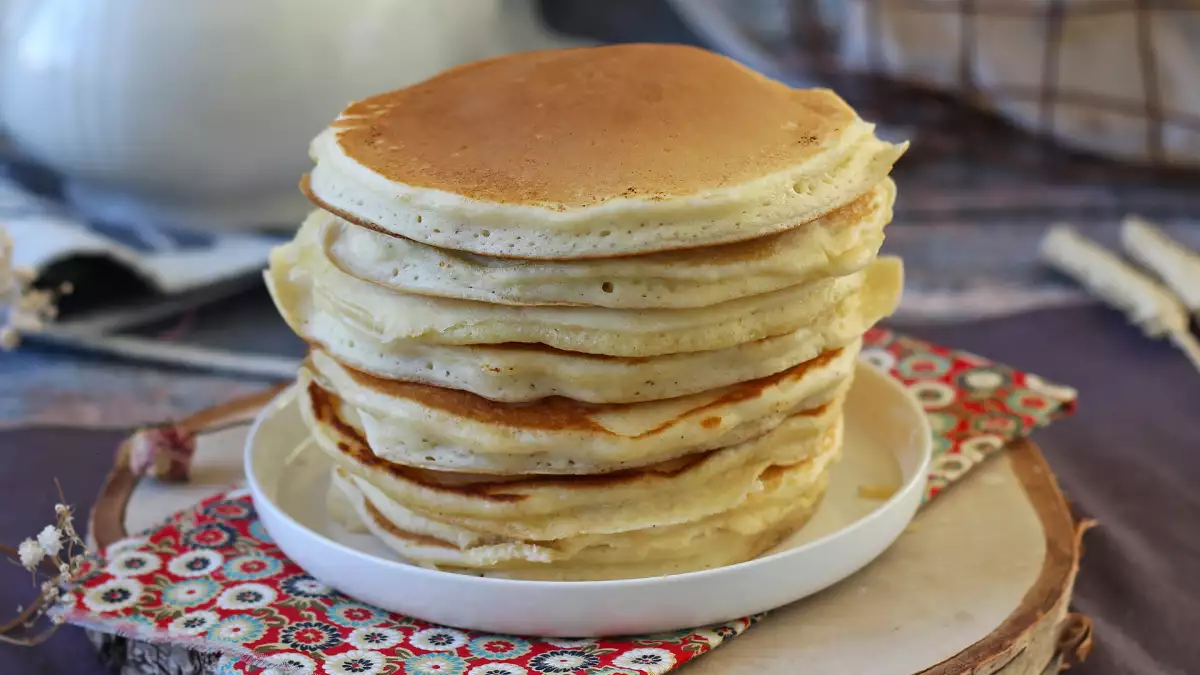
While the skillet is heating up, the pancake batter usually sits in the bowl for a few minutes. It’s easy to dip a teaspoon in to check the sweetness or wipe off what’s stuck to the whisk with your finger. It may not seem like much. However, raw pancake batter shouldn’t be tasted before cooking. The egg is partly to blame, but there’s another ingredient that often goes much more unnoticed: flour.
Raw flour isn't as harmless as it seems
A bag of flour doesn’t look like other foods that we immediately recognize as raw. It’s dry, lasts for months in the pantry, and we use it without a second thought for breading, baking, or thickening a sauce. But we must remember that most flours are raw foods.
Grains grow outdoors and can become contaminated before they reach the mill. Turning grain into flour—even when it is later bleached—does not equate to sterilizing it. If the raw material contains pathogenic bacteria, such as certain strains of Escherichia coli or Salmonella, they can end up in the package we buy.
The Centers for Disease Control and Prevention (CDC) specifically list pancake mixes among the preparations that should not be eaten or tasted raw. This is not just a theoretical precaution: the CDC has investigated several outbreaks of foodborne illnesses linked to uncooked flour or mixes.
Eggs pose another risk, but removing them doesn't solve everything
Classic pancakes usually contain raw eggs as well. The FDA warns that eggs may contain Salmonella and recommends cooking them thoroughly; when a recipe is to be served raw or undercooked, it advises using pasteurized eggs or egg products.
This leads to a conclusion that’s useful for vegan or egg-free recipes: an egg-free pancake batter isn’t automatically safe to eat raw if it contains uncooked conventional flour. While one potential source of contamination is eliminated, the risk from the flour remains.
The frying pan also serves a safety function
When cooking pancakes, we aim for a golden brown surface and a tender, fluffy interior. Heat also serves another purpose: it reduces the microbiological risk associated with the flour and eggs. It is recommended to cook the batter and follow the cooking times and temperatures specified in the recipe or by the manufacturer.
That doesn’t mean turning up the heat to finish sooner. A thick pancake needs time to cook through. It’s best to use a very hot skillet—but not too hot—and wait until bubbles appear on the surface before flipping it. King Arthur Baking’s recipes follow a similar guideline: medium heat or a moderately hot griddle, and cooking on both sides. Just because a pancake is golden brown on the outside doesn’t mean it’s okay to leave the center undercooked.
So how do I check to see if the dough is right?
The answer fits in a frying pan: cook a small pancake first. That first pancake is a much better way to check—than a spoonful of raw batter—whether the batter needs more sugar, if it’s too thick, or if the temperature is right.
In addition, many standard recipes recommend letting the batter rest for five to fifteen minutes before cooking it. This brief resting period allows the flour to absorb the liquid better and finish hydrating, which helps the batter achieve a more uniform texture and, in some cases, a slightly thicker consistency. Therefore, before adjusting the consistency by adding more flour or liquid, it’s best to wait a few minutes and see how the batter develops.
Flour also ends up on the countertop
There’s one last detail that’s easy to forget: when working with flour, eggs, or raw dough, it’s important to take extra precautions to prevent cross-contamination. The Spanish Agency for Food Safety and Nutrition (AESAN) recommends washing your hands, carefully cleaning utensils and surfaces used during preparation, and keeping raw foods separate from those that will be eaten immediately.
So the rule for your next breakfast is pretty straightforward: prepare the batter, let it rest if the recipe calls for it, and taste the result after cooking your first pancake. Raw batter doesn’t provide any information that a freshly made pancake can’t give you better, and you’ll avoid a small but preventable risk.
 Patricia González
Comments