Do your mushrooms end up watery and mushy in the pan? The most common mistake when cooking themand the trick to keeping them flavorful and nicely browned
Friday 16 October 2026 10:00 - Daniele Mainieri
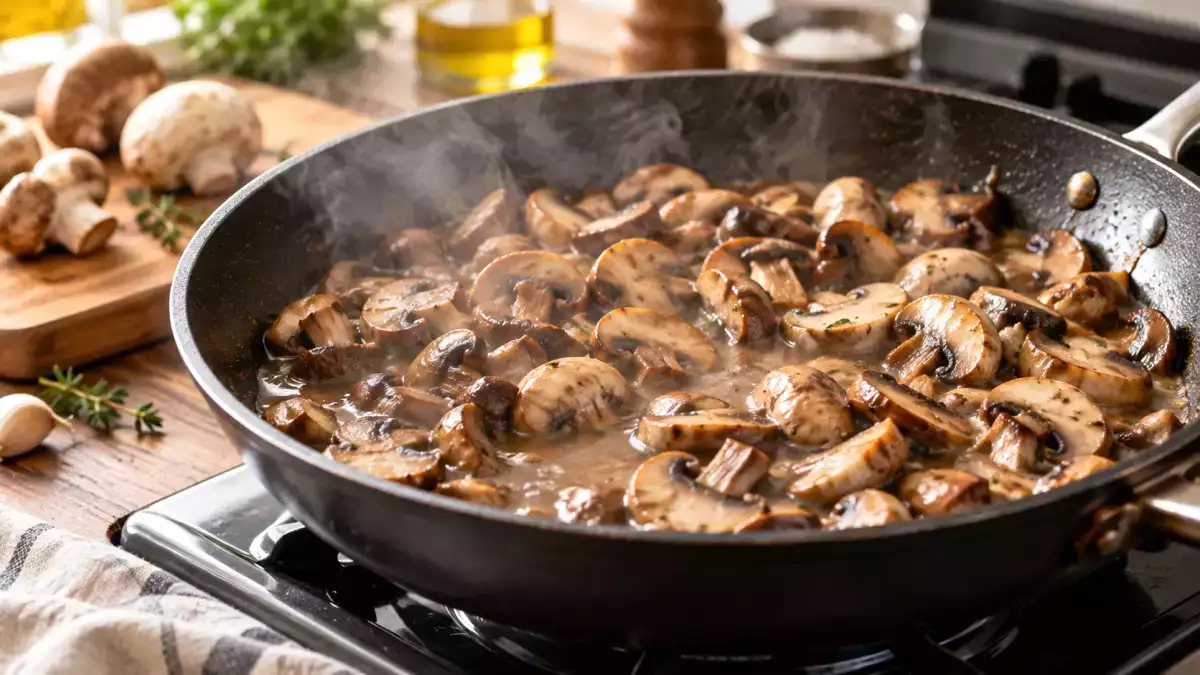
The key thing to know is that mushrooms naturally contain a lot of water. So yes, they’ll always release some liquid. The trick is to prevent that water from staying in the pan too long, turning the cooking process into a sort of unintentional boiling.
Why do mushrooms release water in the pan?
Why do mushrooms release water when cooked in a pan?
The answer is simple: because they’re full of water. Button mushrooms, porcini, oyster mushrooms, and mixed mushrooms naturally contain a lot of water, so some of it comes out during cooking. The problem arises when the water doesn’t evaporate quickly enough.
When the pan is too full, the heat is too low, or the mushrooms have been washed and left damp, the heat can’t brown them. Instead of browning, they start to cook in their own liquid. The result? Chewy mushrooms, lacking in aroma and without that intense woodsy note that makes them so delicious in side dishes, risottos, and creamy pasta dishes.
The difference between a well-cooked mushroom and a watery one doesn’t lie in a secret ingredient, but in three details: space, heat, and drying.
The answer is simple: because they’re full of water. Button mushrooms, porcini, oyster mushrooms, and mixed mushrooms naturally contain a lot of water, so some of it comes out during cooking. The problem arises when the water doesn’t evaporate quickly enough.
When the pan is too full, the heat is too low, or the mushrooms have been washed and left damp, the heat can’t brown them. Instead of browning, they start to cook in their own liquid. The result? Chewy mushrooms, lacking in aroma and without that intense woodsy note that makes them so delicious in side dishes, risottos, and creamy pasta dishes.
The difference between a well-cooked mushroom and a watery one doesn’t lie in a secret ingredient, but in three details: space, heat, and drying.
The most common mistake: overfilling the pan
The mistake many people make with mushrooms is putting too many of them in the pan all at once.
It seems convenient: you slice them, toss them in, and you’re done. Too bad that, when you do this, the pan’s temperature drops suddenly and the mushrooms end up piled on top of each other. The steam gets trapped, the water doesn’t evaporate, and the browning process never really gets going.
To get golden mushrooms in the pan, it’s best to cook them in a thin layer. If you have a lot, divide them into two or three batches. It’s a step that takes a few extra minutes, but it completely changes the result: the mushrooms dry out, take on color, and develop a fuller flavor.
Another tip: don’t stir them constantly as soon as they hit the pan. Let them sit in contact with the hot surface for a few moments so they can start to brown. Stirring every two seconds is a very human instinct—especially when you’re hungry—but it doesn’t help.
It seems convenient: you slice them, toss them in, and you’re done. Too bad that, when you do this, the pan’s temperature drops suddenly and the mushrooms end up piled on top of each other. The steam gets trapped, the water doesn’t evaporate, and the browning process never really gets going.
To get golden mushrooms in the pan, it’s best to cook them in a thin layer. If you have a lot, divide them into two or three batches. It’s a step that takes a few extra minutes, but it completely changes the result: the mushrooms dry out, take on color, and develop a fuller flavor.
Another tip: don’t stir them constantly as soon as they hit the pan. Let them sit in contact with the hot surface for a few moments so they can start to brown. Stirring every two seconds is a very human instinct—especially when you’re hungry—but it doesn’t help.
Is it better to wash them or dry clean them?
Should you wash mushrooms before cooking them?
It depends on how dirty they are, but one rule always applies: don’t let them soak. Mushrooms easily absorb moisture, and if they’re already wet when you put them in the pan, it will be even harder to brown them.
If they have just a little dirt on them, clean them with a small brush, a damp cloth, or a sheet of paper towel. If, on the other hand, they’re very dirty, you can quickly rinse them under a trickle of cold water, but then dry them immediately and thoroughly. No bowls full of water, no relaxing bath: mushrooms aren’t at a spa.
For packaged button mushrooms, a quick rinse is often enough. For more delicate or fragrant mushrooms, such as porcini and chanterelles, it’s best to be even gentler so as not to ruin their texture and aroma.
It depends on how dirty they are, but one rule always applies: don’t let them soak. Mushrooms easily absorb moisture, and if they’re already wet when you put them in the pan, it will be even harder to brown them.
If they have just a little dirt on them, clean them with a small brush, a damp cloth, or a sheet of paper towel. If, on the other hand, they’re very dirty, you can quickly rinse them under a trickle of cold water, but then dry them immediately and thoroughly. No bowls full of water, no relaxing bath: mushrooms aren’t at a spa.
For packaged button mushrooms, a quick rinse is often enough. For more delicate or fragrant mushrooms, such as porcini and chanterelles, it’s best to be even gentler so as not to ruin their texture and aroma.
High heat, a large skillet, and no lid
How do you cook mushrooms without letting too much water escape?
Here’s the winning combination: a wide skillet, high heat, and no lid. The wide skillet allows moisture to evaporate, the high heat helps them brown, and leaving the lid off prevents steaming.
Heat the pan well before adding the mushrooms. Then add extra virgin olive oil or a pat of butter, garlic if you like, and only then the mushrooms. They should sizzle, not simmer slowly. If you hear little sizzling and see a lot of liquid right away, the temperature is probably too low or the pan is too full.
If the liquid has already come out, there’s no need to panic: turn up the heat slightly, remove the lid if you were using one, and let it evaporate. Only when the pan is almost dry should you finish with parsley, pepper, or other seasonings.
Here’s the winning combination: a wide skillet, high heat, and no lid. The wide skillet allows moisture to evaporate, the high heat helps them brown, and leaving the lid off prevents steaming.
Heat the pan well before adding the mushrooms. Then add extra virgin olive oil or a pat of butter, garlic if you like, and only then the mushrooms. They should sizzle, not simmer slowly. If you hear little sizzling and see a lot of liquid right away, the temperature is probably too low or the pan is too full.
If the liquid has already come out, there’s no need to panic: turn up the heat slightly, remove the lid if you were using one, and let it evaporate. Only when the pan is almost dry should you finish with parsley, pepper, or other seasonings.
When to Add Salt to Mushrooms
When should you add salt to mushrooms in a pan?
It’s best not to do it too early. Salt draws out moisture, and if added at the beginning, it can cause the mushrooms to release water just when you want them to brown. It’s not the only reason mushrooms become watery, but it can make the situation worse.
The best time is toward the end of cooking, when the mushrooms have already lost some of their moisture and are starting to brown. At that point, you can add salt, pepper, parsley, thyme, rosemary, or a pinch of chili pepper. For a milder flavor, you can finish with a little butter at the end of cooking; for a fresher aroma, use grated lemon zest.
The rule of thumb is this: first let the moisture evaporate, then let the flavors develop.
It’s best not to do it too early. Salt draws out moisture, and if added at the beginning, it can cause the mushrooms to release water just when you want them to brown. It’s not the only reason mushrooms become watery, but it can make the situation worse.
The best time is toward the end of cooking, when the mushrooms have already lost some of their moisture and are starting to brown. At that point, you can add salt, pepper, parsley, thyme, rosemary, or a pinch of chili pepper. For a milder flavor, you can finish with a little butter at the end of cooking; for a fresher aroma, use grated lemon zest.
The rule of thumb is this: first let the moisture evaporate, then let the flavors develop.
A Quick Guide to Dry, Flavorful Mushrooms
To prevent mushrooms from becoming mushy and watery, keep these simple steps in mind:
This technique works for sautéed mushrooms, as a quick side dish, to toss with pasta, or to make a flavorful base to add to risottos, eggs, and savory pies.
- Don’t let them soak: wipe them dry or rinse them quickly.
- Dry them thoroughly before cooking.
- Use a large skillet—preferably a nonstick or stainless steel one—heated to a high temperature.
- Cook them a few at a time, without crowding the pan.
- Avoid using a lid, as it traps steam.
- Add salt toward the end, when they’re already drier.
- Don’t stir too much: let them brown.
This technique works for sautéed mushrooms, as a quick side dish, to toss with pasta, or to make a flavorful base to add to risottos, eggs, and savory pies.
A quick and easy recipe for pan-fried mushrooms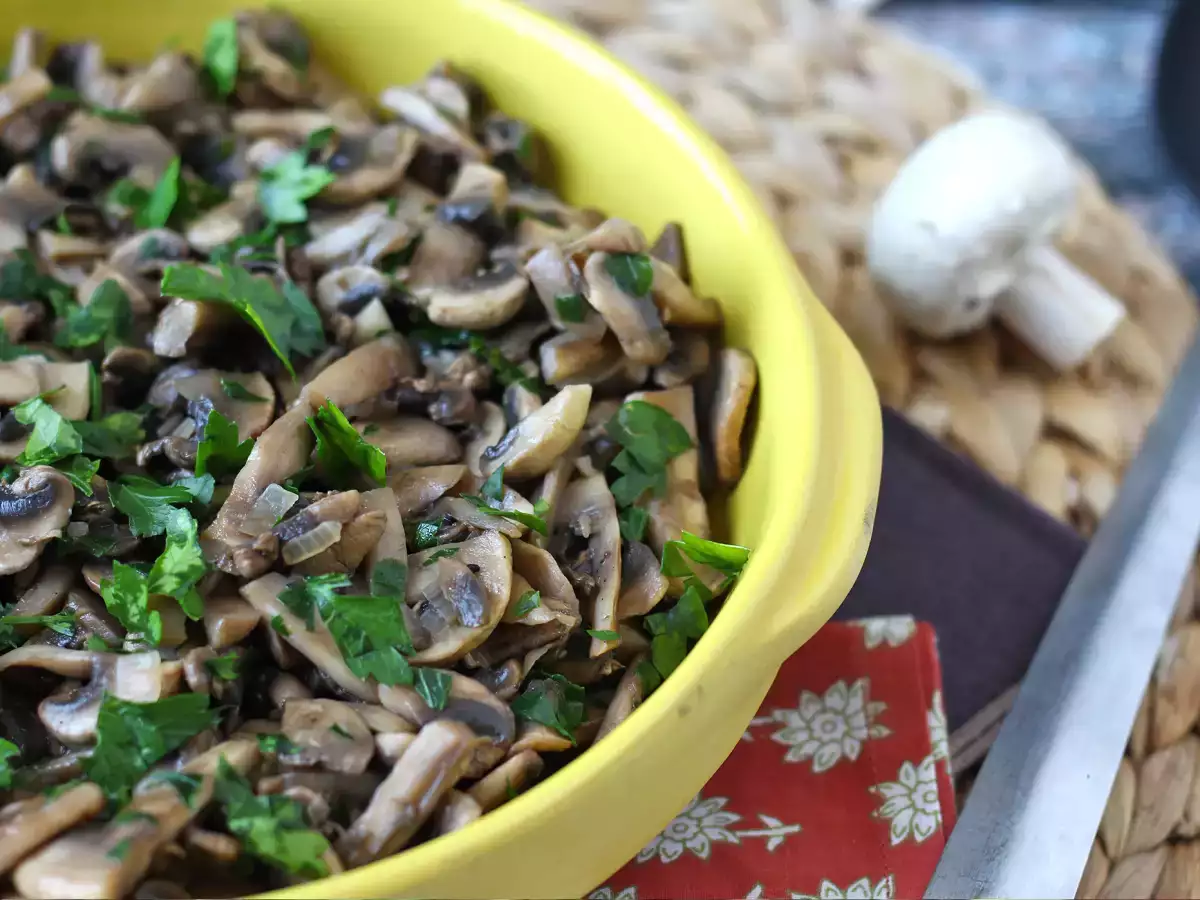
Need a quick , tasty and reliable side dish ? Sautéed mushrooms tick all the boxes! Whether you enjoy them on their own, with eggs, rice or pasta, or as a side with grilled meat, they go with just about anything. A few fresh mushrooms, a hint of...
How to Use Well-Cooked Mushrooms in Everyday Dishes
When mushrooms are well browned, they transform the entire dish. In a creamy pasta dish, they add flavor without becoming watery; in risotto, they retain more character; in a velvety soup, they add a deep note; and in a filling, they prevent the mixture from becoming too moist.
The trick is to cook them properly first and then add them to the recipe. If you add them raw to an already creamy dish, they risk releasing water at the wrong moment. If, on the other hand, you sauté them separately, you’ll bring a more concentrated flavor and better texture to the dish.
The trick is to cook them properly first and then add them to the recipe. If you add them raw to an already creamy dish, they risk releasing water at the wrong moment. If, on the other hand, you sauté them separately, you’ll bring a more concentrated flavor and better texture to the dish.
Creamy mushroom pasta with cream: a simple pasta dish with authentic flavor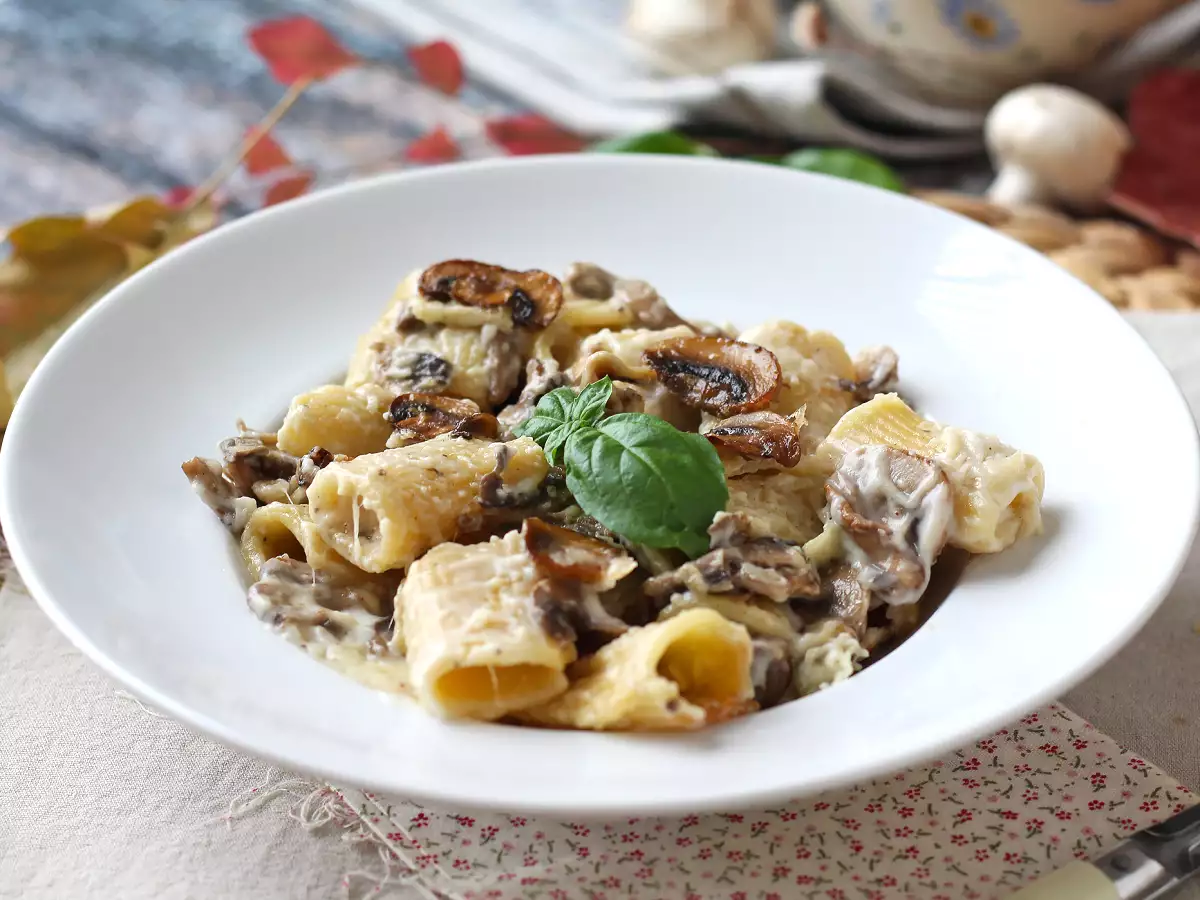
Pasta with mushrooms and cream is one of those dishes that tastes like home and comfort . Creamy, fragrant and irresistibly comforting, it combines the delicate flavor of button mushrooms with the richness of cream and Parmesan , creating a...
Extra-creamy mushroom risotto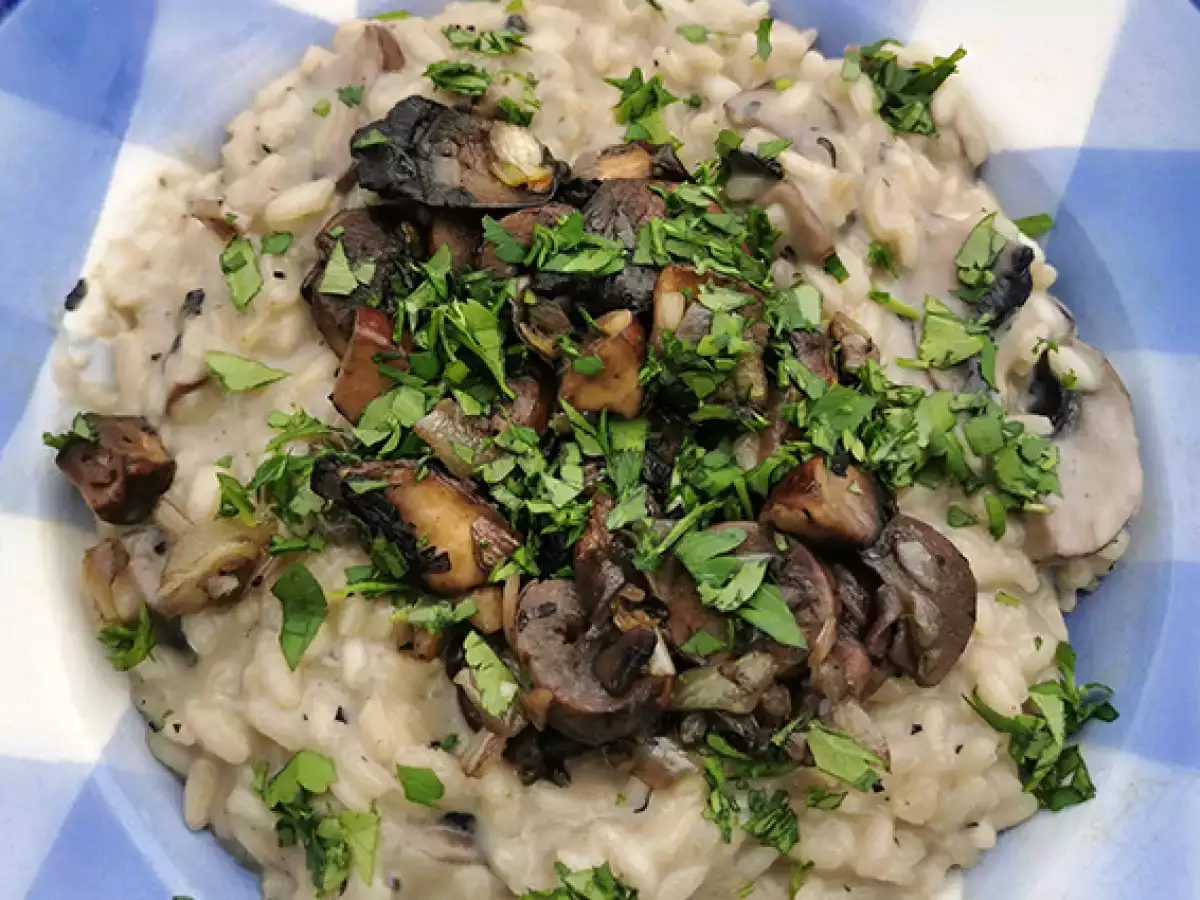
Here I’m sharing a risotto where some of the mushrooms are cooked with the rice, while the rest are sautéed in a pan and added to your plate just before serving. It’s a flavour-packed combination that I love pairing with freshly chopped parsley :-)
The result: less water, more fragrance
Mushrooms in a skillet shouldn’t be boiled—they should be sautéed.
This is the difference that really changes the outcome. You don’t need to completely overhaul the recipe: just clean them without soaking them, dry them thoroughly, use a large skillet, cook them over high heat, and add salt at the right moment.
The next time the mushrooms start to release water, you’ll know what to check: the pan is too full, the heat is too low, you forgot the lid, or the mushrooms are still damp. Once you’ve sorted out these details, the side dish takes on a whole new character: drier, more fragrant, and more flavorful. And best of all, it won’t look like an unwanted soup anymore.
This is the difference that really changes the outcome. You don’t need to completely overhaul the recipe: just clean them without soaking them, dry them thoroughly, use a large skillet, cook them over high heat, and add salt at the right moment.
The next time the mushrooms start to release water, you’ll know what to check: the pan is too full, the heat is too low, you forgot the lid, or the mushrooms are still damp. Once you’ve sorted out these details, the side dish takes on a whole new character: drier, more fragrant, and more flavorful. And best of all, it won’t look like an unwanted soup anymore.
 Daniele Mainieri
Every day, I dive into the world of food and wine with curiosity, always looking for new flavours, recipes and inspiring discoveries to share. From traditional family dishes to the latest food trends, including pairings that make all the difference. I’ve been working in food & wine communication for over 10 years and I’m currently the Editorial Manager for the Italian edition of Petitchef.
Comments