Don't let traveler's diarrhea ruin your trip: the everyday mistakes to avoid while traveling
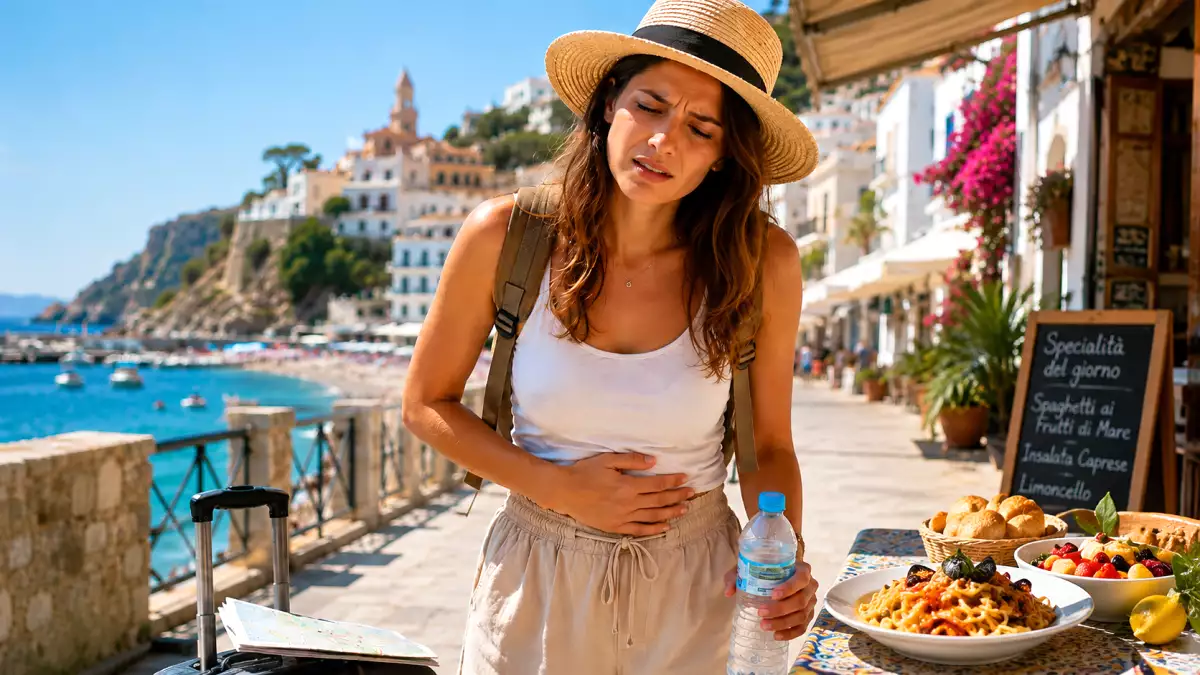
Eating local dishes is one of the best parts of traveling. It’s less fun, however, to discover that a seemingly harmless dinner can turn your vacation into a constant search for the nearest restroom.
Traveler’s diarrhea is an intestinal disorder caused primarily by consuming water or food contaminated with bacteria, viruses, or parasites. The Ministry of Health notes that the risk increases in countries where hygiene standards and food safety controls are less effective.
This doesn’t mean you have to give up local cuisine, but rather that you should choose what goes on your plate and in your glass a little more carefully.
What should you eat while traveling to avoid diarrhea?
The first rule is to choose foods that are well-cooked and served while still hot. According to the Centers for Disease Control and Prevention, thoroughly cooked meat, fish, and eggs are generally safer than raw or undercooked foods.
While traveling, it is advisable to choose:
- dishes prepared fresh and served hot;
- well-cookedmeat, fish, and eggs;
- cooked vegetables;
- fruit that you peel yourself;
- bread, pasta, rice, and hot soups ;
- pasteurized milk and cheese;
- packaged products with intact wrappers.
Even the Italian National Institute of Health advises caution with raw foods and foods stored at room temperature. A steaming bowl of soup, therefore, may be safer than a salad that has been sitting on a buffet for hours, even if the latter seems much more appealing.
What foods should you avoid on vacation?
The risk depends not only on the type of food, but also on how it was washed, stored, and handled.
It’s best to be careful with:
- salads and raw vegetables;
- pre-cut fruit;
- raw meat, fish, and shellfish;
- undercooked eggs;
- unpasteurized milk;
- sauces containing raw eggs;
- lukewarm foods that should be hot;
- buffets that have been left out for a long time.
Street food doesn’t necessarily have to be avoided. However, it’s a good idea to check whether the food is cooked on the spot, whether the ingredients are covered, and whether the person preparing the food also handles money or dirty dishes. The Italian National Institute of Health recommends avoiding street vendors when hygiene conditions do not appear adequate.
Is it safe to drink tap water while traveling?
It depends on your destination. When you don’t have reliable information about whether the water is safe to drink, it’s best to use bottled water with the cap still sealed.
The Italian National Institute of Health indicates that bottled water, hot beverages, and boiled or treated water are generally safer. The Centers for Disease Control and Prevention recommend using safe water even for brushing your teeth, preparing beverages, or taking medication.
Before drinking, be sure to check that the cap is intact. A bottle that has already been opened or refilled may contain water that has not been tested.
Can ice cause traveler's diarrhea?
Yes, if it was made with contaminated water. Cold temperatures do not automatically eliminate bacteria, viruses, and parasites.
When you’re unsure about the water quality, it’s safer to order drinks without ice. The same caution applies to slushies, cocktails, and artisanal popsicles.
It’s better to have a sealed, slightly less-than-cold beverage than to spend your vacation stuck in the hotel bathroom.
Does washing your hands really help?
Yes. Hands, phones, money, and shared surfaces can easily transfer microorganisms to food.
The World Health Organization considers handwashing with soap and water one of the key measures for preventing diarrheal diseases. It is especially important to wash your hands before eating and after using the restroom.
When soap and water are not available, hand sanitizer can be helpful.
Do probiotics prevent traveler's diarrhea?
Probiotics are often packed in suitcases, but they do not provide reliable protection against contaminated food and water.
What should you do if you have traveler's diarrhea?
The first thing to do is to replace lost fluids. The World Health Organization recommends oral rehydration solutions, which must be prepared according to the instructions and using safe water.
It is advisable to:
- drink often in small sips;
- choose light meals;
- avoid alcohol and very fatty foods;
- use medications only after seeking advice;
- get plenty of rest.
The Centers for Disease Control and Prevention note that anti-diarrheal medications that slow down the bowels should not be used on their own if you have a fever or blood in your stool.
When should you see a doctor?
You should seek medical attention if you experience blood in your stool, a high fever, severe abdominal pain, persistent vomiting, or obvious signs of dehydration, such as a very dry mouth, weakness, and decreased urine output.
Children, the elderly, pregnant women, and people with chronic illnesses should take extra precautions.
To prevent traveler’s diarrhea, just follow a few simple rules: choose well-cooked foods, drink safe water, avoid ice from unknown sources, peel your own fruit, and wash your hands frequently.
These measures won’t guarantee a vacation completely free of mishaps, but they do reduce the risk that your most vivid memory of the trip will be the layout of public restrooms.
 Leandra Masha
Comments