Heat, swelling and false promises: which ingredients actually help and which ones waste your time
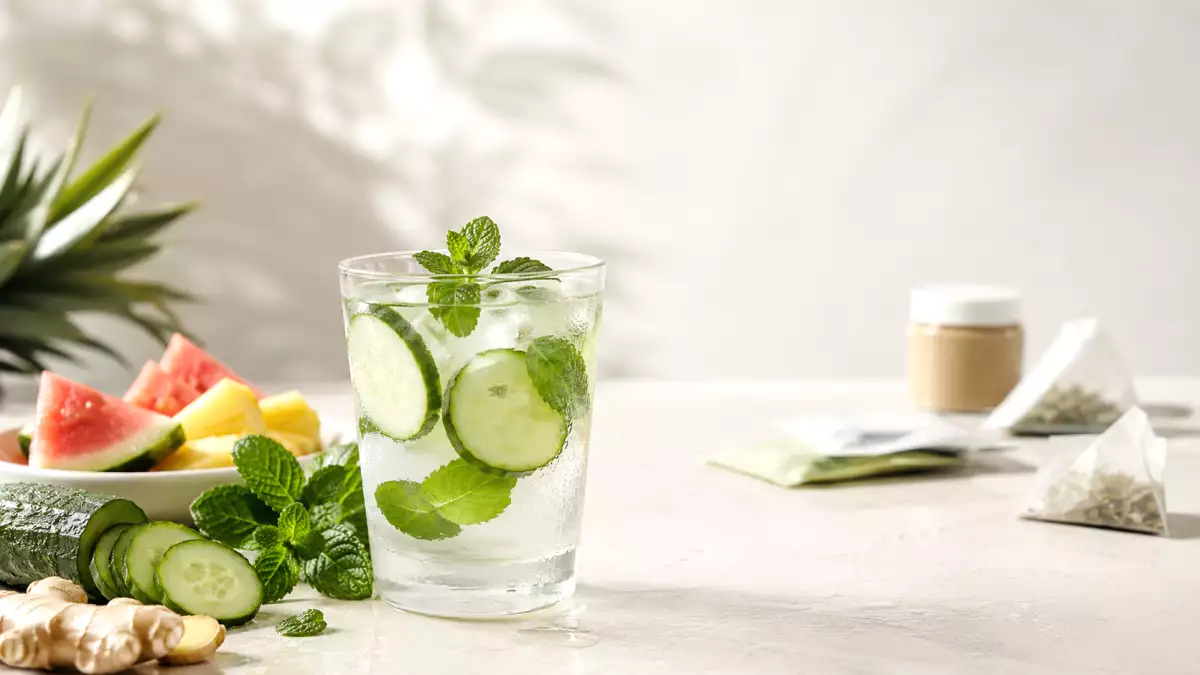
On hot days, many people feel heavier, with swollen fingers and a slightly “puffy” face.
This is due to fluid retention, a common effect of heat and excess salt. And that’s where the famous “diuretic foods” come in, promising to reduce swelling almost like magic. But do they really work?
Science has the answer: some do, but others don’t come close.
Below, find out which ingredients actually help the body eliminate fluids and which have become popular myths with no real basis.
What makes a food a true diuretic
To have a diuretic effect, the ingredient must stimulate the kidneys to eliminate more water and sodium, without causing dehydration.
In other words: it helps the body balance its fluids, not “dry out” in a dangerous way.
Note: Nothing replaces water and a balanced diet.
Natural diuretics are allies, not miracle cures.
The Ingredients that really work
1. Cucumber
- Rich in water and potassium, it helps balance sodium levels and promotes natural fluid elimination.
- Light, refreshing, and ideal for very hot days.
2. Watermelon
- It contains more than 90% water and a good amount of potassium.
- It’s hydrating, sweet, and helps “cleanse” the body effortlessly.
3. Green tea
- It has a proven mild diuretic effect, as well as antioxidants that improve circulation.
- But be careful: in excess, it can cause dehydration and irritate the stomach.
4. Parsley
- Yes, that little green herb in your salad is powerful.
- Parsley contains compounds that stimulate the kidneys, perfect in juices or light infusions.
5. Pineapple
- It contains bromelain, an enzyme with anti-inflammatory properties that helps reduce swelling.
- Plus, it’s a great aid to digestion.
6. Coconut water
- A natural source of potassium, it helps the body eliminate excess sodium as long as it’s consumed in moderation.
- It balances, hydrates, and refreshes.
Those that are pure myth (or gross exaggerations)
1. Hibiscus tea as a “miracle belly-flattener”
- Hibiscus has a mild diuretic effect, but it doesn’t “melt fat” or replace a balanced diet.
- Excessive consumption can even affect blood pressure.
2. Coffee and caffeinated beverages
- Although it makes you urinate more, coffee dehydrates you; the effect is temporary, not real.
- In other words: you lose fluid, but you also lose balance.
3. Ginger
- It’s a great thermogenic and anti-inflammatory, but it’s not a proven diuretic.
- It works well in detox recipes, but not for “reducing bloating.”
4. Miracle detox juice
- Blending everything in a blender won’t do any good if your diet is high in salt and ultra-processed foods.
- The body needs balance, not excess.
How to use natural diuretics safely
- Drink plenty of water: it’s what allows your kidneys to do their job properly.
- Cut back on salt, the main culprit behind fluid retention.
- Choose fresh foods that are rich in potassium.
- Avoid “miracle” recipes from the internet: most are marketing, not science
 Mirella Mendonça
Comments