Homemade eggplant in oil: the one detail you can’t skip before sealing the jar
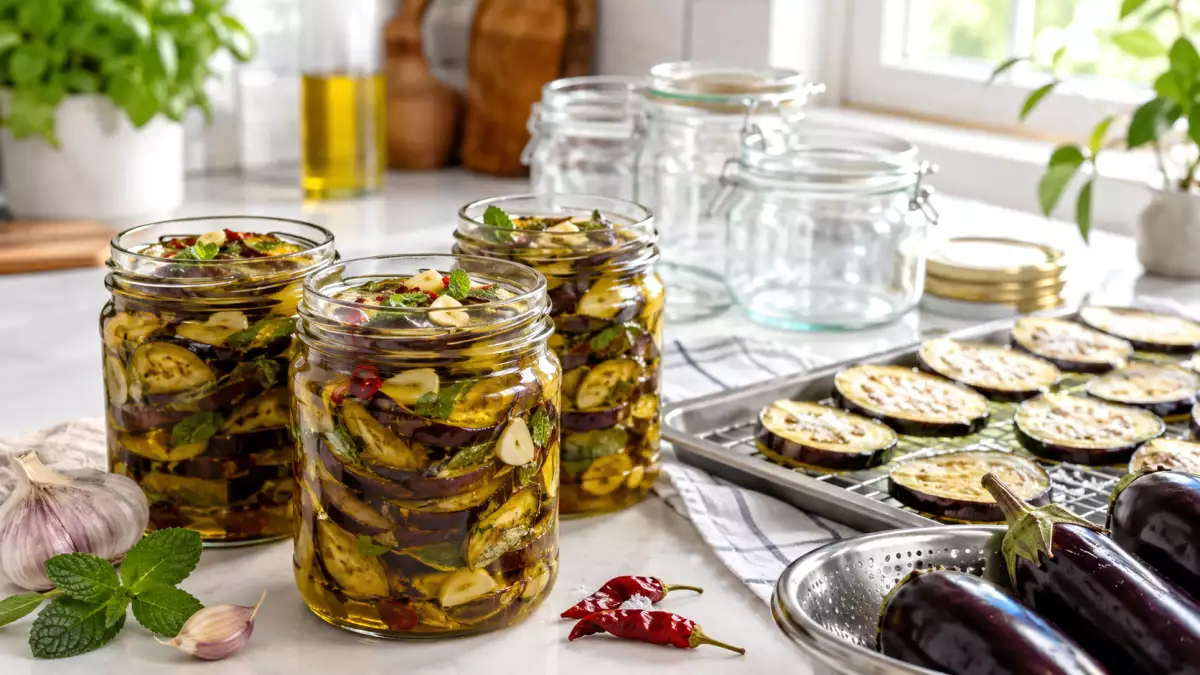
Making homemade eggplant in oil is one of those rituals that evoke the scent of late summer, home cooking, and proudly organized pantries. However, when it comes to oil, sealed jars, and preservation, it’s not enough to say, “I’ve always done it this way.”
The delicious part of the recipe and microbiological safety must travel on two separate tracks: on one hand, taste, cut, aromas, and texture; on the other, a standard procedure to follow without any creative shortcuts. Because the most beautiful jar in the pantry must also be the one prepared with care.
Recipe and safety are not the same thing
A family recipe can be invaluable, but it is no substitute for a validated procedure for acidification, containers, filling, and processing. Vegetables preserved in oil require special attention because the oil reduces contact with oxygen: this is excellent for preserving flavor, but can be problematic if the food hasn’t been prepared correctly. Grandma can teach you the perfect way to cut the vegetables; for the safety of the jar, it’s best to follow official guidelines.
Why botulism always comes up in conversation
That’s why acidification isn’t a step you can skimp on “just because there’s oil anyway.” Oil doesn’t make a preserve safe: it covers the contents, preserves the flavor, and limits air exposure, but it doesn’t replace vinegar, proper processing, clean containers, and the recommended treatment.
Can eggplant in oil be made without vinegar?
From a flavor perspective, some people prefer a more delicate taste, but from a safety standpoint, you shouldn’t improvise. If an established procedure calls for acidification, specific proportions, and processing times, those steps aren’t just for show.
Passages that should not be abbreviated
In quick videos, it all looks easy: chop, season, cover with oil, seal, and you’re done. But making homemade eggplant in oil safely isn’t a recipe that can be summed up in thirty seconds. Some steps require precision and patience.
According to an official source, the following steps require special attention:
- selecting and washing the eggplants, which must be sound and thoroughly cleaned;
- cutting them evenly, which ensures uniform processing;
- acidification, using the correct proportions and timing;
- suitable containers that are clean and have intact lids;
- neat filling, avoiding air bubbles and uncovered areas;
- processing of sealed jars, when applicable;
- labeling and storage, including the date and regular monitoring.
If a step seems tedious, it’s probably the one that’s doing the most important work.
Smell, color, and cork: why they aren't enough
Relying on the “if it smells good, it’s good” is a tempting shortcut. However, food safety isn’t as simple as a quick taste test. If the proper procedure wasn’t followed, if you don’t know the processing times and proportions, if the jar was stored under questionable conditions, or if the lid shows signs of damage, the prudent choice is not to consume it.
Can you taste a small piece to check?
No: when there’s serious doubt about safety, tasting isn’t a home test. It’s just an unnecessary risk disguised as a check.
The role of jars: they’re pretty, sure, but they have to be suitable first
Do you need to boil the jars for eggplant in oil?
The handling of containers shouldn’t be left to guesswork. Official procedures specify how to clean, prepare, fill, and process the jars. Processing the filled jar, when required, isn’t meant to “cook the eggplants better”—it’s part of the preservation process.
Labeling is also helpful: the preparation date and contents help you keep track of your pantry, avoid forgotten jars, and consume the food more mindfully.
Social media, shortcuts, and tips to take with a grain of salt
Don’t take this as a guide: reducing vinegar without knowing what that entails, skipping the jar-processing step, using random containers, adding oil by eye and assuming it’s enough to protect everything, or storing preparations at room temperature when they require different conditions.
How long do homemade eggplants in oil last?
There is no universal shelf life to copy and paste under a video. It depends on the procedure, treatment, container, and storage conditions. It’s best to follow the guidelines from your chosen authoritative source.
How to enjoy them without confusing caution with fear
The best approach is to separate the tasks. First, choose an official safety procedure and follow it to the letter. Then, within those guidelines, you can focus on flavor: herbs, garlic intensity, spiciness, and whether to slice them thinner or thicker.
When it comes to preserves in oil, it’s not about who finishes first—it’s about who doesn’t skip the right steps. And as for the bread, well, that can definitely wait an extra minute.
 Daniele Mainieri
Comments