How long to cook fresh or frozen green beans: a simple timing guide for perfect results every meal
Saturday 26 September 2026 10:00 - Adèle Peyches
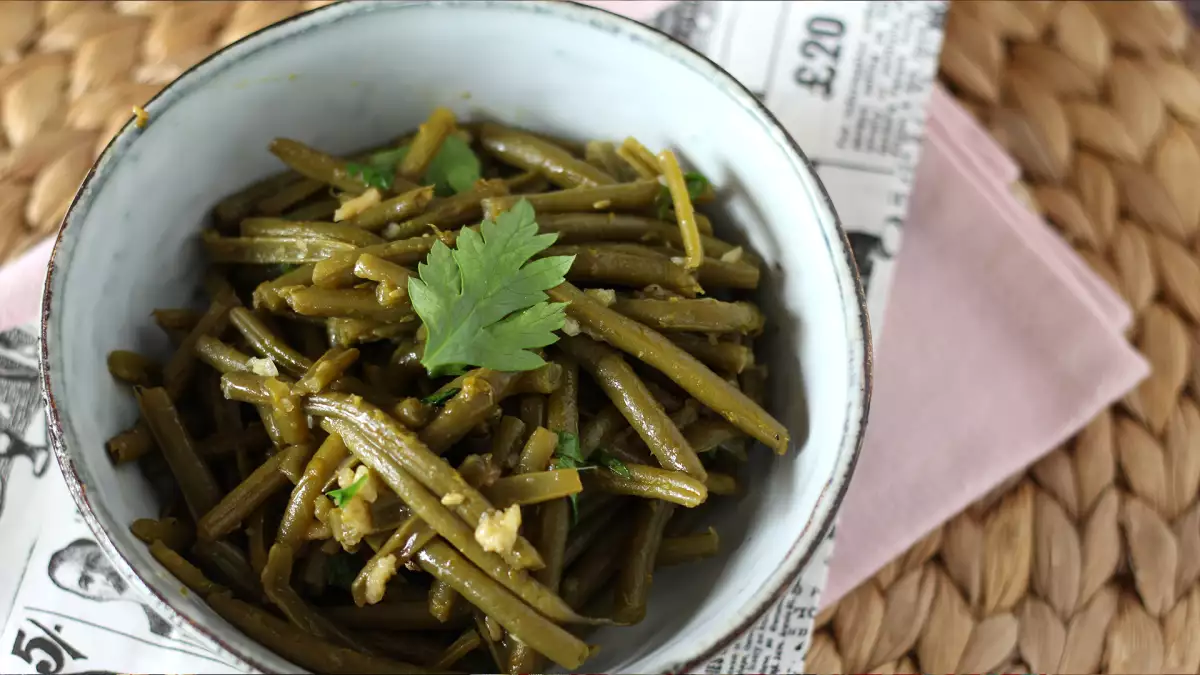
Good news: whether they’re fresh or frozen, all you really need to do is adjust the cooking time and make sure not to leave them in the pot.
Whether boiled, steamed, or pan-fried, here are the key tips for green beans that are tender, still pleasantly crunchy, and well-seasoned.
Fresh green beans: start by preparing them
Before cooking, fresh green beans need a little prep work. Rinse them, then trim them by removing the ends. If some are very long, you can cut them in half.
Try to keep them roughly the same size. As with many vegetables, pieces of the same size cook more evenly.
A good tip: don’t let them soak for too long. Wash them, drain them, then cook them.
Try to keep them roughly the same size. As with many vegetables, pieces of the same size cook more evenly.
A good tip: don’t let them soak for too long. Wash them, drain them, then cook them.
In boiling water: 8 to 12 minutes for fresh ones
Boiling is the most traditional method. Bring a large pot of salted water to a boil, add the fresh green beans, and cook for about 8 to 12 minutes.
For beans that are still slightly firm, start checking them after 8 minutes. For softer beans, cook them for 10 to 12 minutes.
The best way to tell? Taste one. It should be tender but not mushy.
For beans that are still slightly firm, start checking them after 8 minutes. For softer beans, cook them for 10 to 12 minutes.
The best way to tell? Taste one. It should be tender but not mushy.
A cold water soak to preserve the color
If you want your green beans to stay bright green (especially for a salad or a dish you’ll be reheating) plunge them into a bowl of very cold water right after cooking.
This stops the cooking process and helps them retain a brighter color. Next, drain them thoroughly, as green beans can retain a lot of water.
If you’re serving them hot right away, this step isn’t necessary. But in that case, drain them and season them immediately.
This stops the cooking process and helps them retain a brighter color. Next, drain them thoroughly, as green beans can retain a lot of water.
If you’re serving them hot right away, this step isn’t necessary. But in that case, drain them and season them immediately.
Steamed: 10 to 15 minutes for a softer texture
Steaming is perfect if you want to prevent green beans from becoming waterlogged. Place them in a steamer basket over simmering water.
For fresh green beans, allow about 10 to 15 minutes, depending on their thickness and the desired texture.
They’re ready when they bend slightly but are still slightly firm. If overcooked, they quickly lose their firmness.
For fresh green beans, allow about 10 to 15 minutes, depending on their thickness and the desired texture.
They’re ready when they bend slightly but are still slightly firm. If overcooked, they quickly lose their firmness.
In a skillet: best when lightly pre-cooked
Cooking them in a skillet makes green beans more flavorful, but it works best if the beans are already slightly parboiled. Cook them for 5 to 7 minutes in boiling water or steam them, then drain them well.
Next, sauté them in a skillet with a drizzle of olive oil or a little butter for 5 to 8 minutes. Add garlic, parsley, almonds, or a little lemon juice, as desired.
The result is tender, more flavorful green beans—and, most importantly, they’re anything but bland.
Next, sauté them in a skillet with a drizzle of olive oil or a little butter for 5 to 8 minutes. Add garlic, parsley, almonds, or a little lemon juice, as desired.
The result is tender, more flavorful green beans—and, most importantly, they’re anything but bland.
Frozen green beans: No need to thaw them
Frozen green beans are very convenient, and in most cases, there’s no need to thaw them before cooking.
If you thaw them in advance, they may release a lot of water and become softer. So the easiest thing to do is to cook them right away, while they’re still frozen.
Just be prepared for a little water to be released at first, especially when cooking in a skillet.
If you thaw them in advance, they may release a lot of water and become softer. So the easiest thing to do is to cook them right away, while they’re still frozen.
Just be prepared for a little water to be released at first, especially when cooking in a skillet.
In boiling water: 5 to 8 minutes for frozen items
To cook frozen green beans in water, plunge them directly into a pot of boiling salted water.
Cook for about 5 to 8 minutes after the water returns to a boil. Extra-thin green beans cook faster; thicker ones take a little longer.
Drain them thoroughly as soon as they are tender. If you leave them in too long, they’ll quickly become mushy.
Cook for about 5 to 8 minutes after the water returns to a boil. Extra-thin green beans cook faster; thicker ones take a little longer.
Drain them thoroughly as soon as they are tender. If you leave them in too long, they’ll quickly become mushy.
Steamed: 8 to 12 minutes for frozen items
When steamed, frozen green beans retain a pleasant texture if you don’t overcook them.
Place them directly in the steamer basket and cook for about 8 to 12 minutes. Again, the cooking time depends on their size and your personal preference.
To avoid overcooking, start checking them after about 8 minutes.
Place them directly in the steamer basket and cook for about 8 to 12 minutes. Again, the cooking time depends on their size and your personal preference.
To avoid overcooking, start checking them after about 8 minutes.
In a skillet: 10 to 12 minutes straight from the freezer
A skillet is very handy for cooking frozen green beans. Put them directly into a hot skillet with a drizzle of oil or a little butter.
Let the water evaporate first, then continue cooking to lightly brown them. Allow about 10 to 12 minutes in total.
Here’s a little secret: don’t cover the pan all the way through. Otherwise, the water will stay in the pan and the beans will end up soggy rather than sautéed.
Let the water evaporate first, then continue cooking to lightly brown them. Allow about 10 to 12 minutes in total.
Here’s a little secret: don’t cover the pan all the way through. Otherwise, the water will stay in the pan and the beans will end up soggy rather than sautéed.
How to season them without making them too heavy
Green beans go well with simple seasonings. Butter, olive oil, garlic, parsley, lemon, shallots, slivered almonds, or sesame seeds: sometimes a little goes a long way.
For a heartier version, add potatoes, tuna, hard-boiled eggs, ham, Parmesan, or a few bacon bits.
It’s best to season them after draining them well. Otherwise, the water dilutes everything and the dish will taste bland.
For a heartier version, add potatoes, tuna, hard-boiled eggs, ham, Parmesan, or a few bacon bits.
It’s best to season them after draining them well. Otherwise, the water dilutes everything and the dish will taste bland.
A handy summary of cooking times
For fresh green beans, cook for 8 to 12 minutes in boiling water, 10 to 15 minutes steamed, or briefly parboil them followed by 5 to 8 minutes in a skillet.
For frozen green beans, cook for 5 to 8 minutes in boiling water, 8 to 12 minutes steamed, or 10 to 12 minutes in a skillet without thawing first.
In any case, the secret remains the same: keep an eye on them, taste them, drain them, then season them. That’s how you avoid green beans that are mushy and flavorless.
Green bean and bacon bundles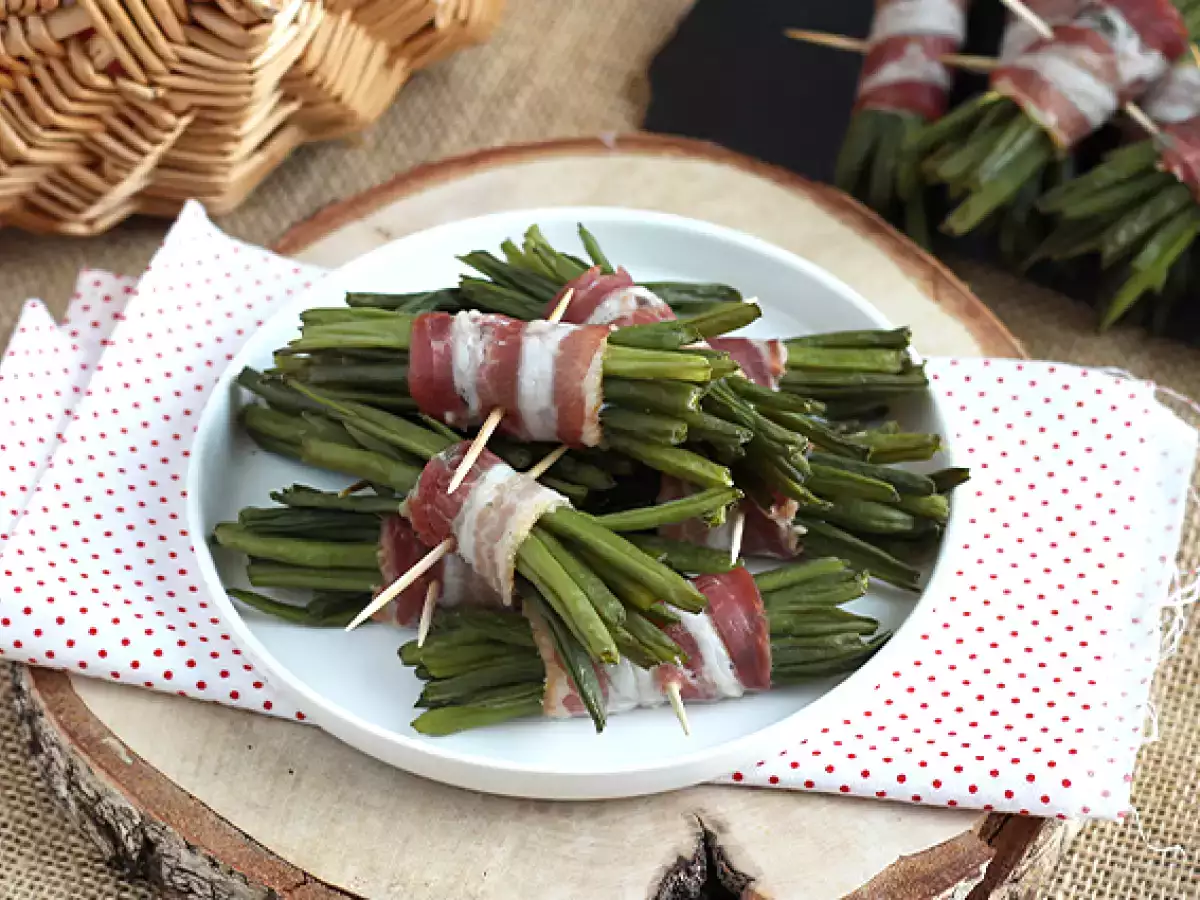
The perfect side dish for meat and fish! We used to buy them ready-made, but we quickly realized that these bundles are super easy to make! All you need are two ingredients: green beans and slices of bacon. For the rest, just follow the steps below ↓
 Adèle Peyches
Editorial manager who just can't wait for winter to enjoy fondue! Passionate about gastronomy and always on the lookout for new culinary gems, I first studied law before returning to my first love: the taste of good products and the joy of sharing around the table :)
Comments