How long should you cook beef, chicken, pork and lamb? A practical guide to timing every cut
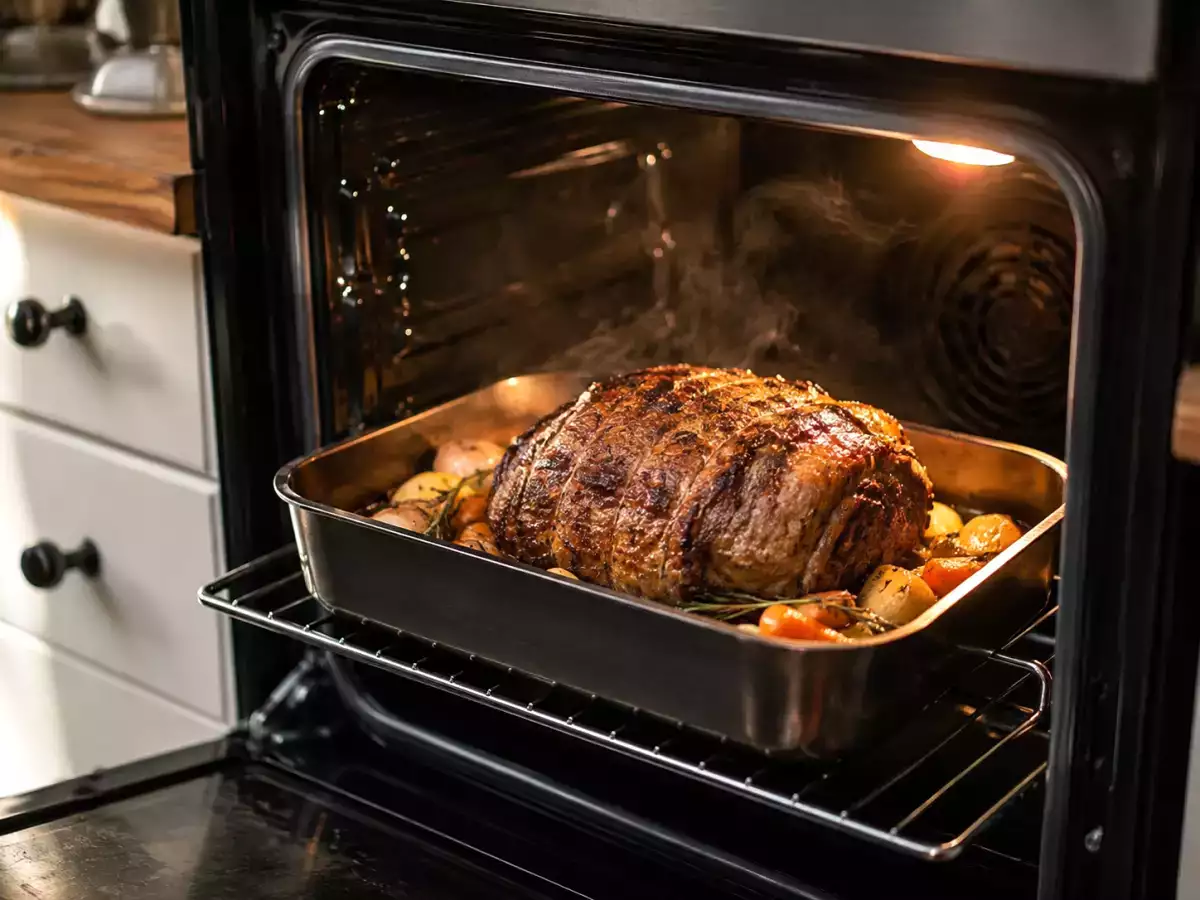
Cooking time depends on the cut, its thickness, its starting temperature, the oven, the skillet, the grill, and the desired result. A thin cut of meat can be ready in just a few minutes. A roast requires more patience. Poultry must be cooked all the way through. A steak can be served rare, but ground meat isn’t cooked the same way as a ribeye.
So the right approach isn’t to memorize all the cooking times. It’s to know the key guidelines, monitor the cooking process, let the meat rest, and, when precision is needed, use a meat thermometer.
Time isn't enough: thickness makes all the difference
Before checking the timer, take a look at the cut of meat. The thicker it is, the longer it takes for the heat to reach the center. That’s why meat can be nicely browned on the outside but still underdone on the inside.
The time listed in a recipe is a guideline, not an absolute rule. The most reliable approach is to observe the color, texture, the juices that run out, and (most importantly) the internal temperature for dishes that require precise cooking.
Quick reference guide by meat type
| Meat | Average Cooking Time | Useful Guideline |
|---|---|---|
| Beef steak | 2 to 4 min per side, depending on thickness | Rare, medium, or well done, according to taste. |
| Ground beef patty | 3 to 5 min per side | Cook thoroughly all the way through. |
| Chicken cutlet | 5 to 8 min in a frying pan | The meat should no longer be pink. |
| Whole chicken | Approximately 1 to 1½ hours in the oven | The juices should run clear, and the chicken should be fully cooked through. |
| Roast pork | Approximately 45 min to 1 hour, depending on weight | Cook evenly and allow it to rest. |
| Duck breast | 6 to 8 min skin-side down, then 3 to 5 min on the meat side | Resting is essential before slicing. |
| Leg of lamb | Approximately 15 min per 500 g (1 lb) for medium-rare | Adjust according to the desired doneness. |
These guidelines are helpful, but they are no substitute for common sense. A very hot skillet, a very hot oven, or meat taken straight from the refrigerator can affect the result.
Beef: a cooking method primarily about flavor
The best approach is to sear the meat in a very hot skillet, then lower the heat slightly if the cut is thick. Avoid piercing it constantly: the juices will escape, and the meat will dry out faster.
Minced meat, on the other hand, requires more caution. Since it’s minced, any bacteria can be spread throughout the entire mixture. It must therefore be cooked thoroughly all the way through.
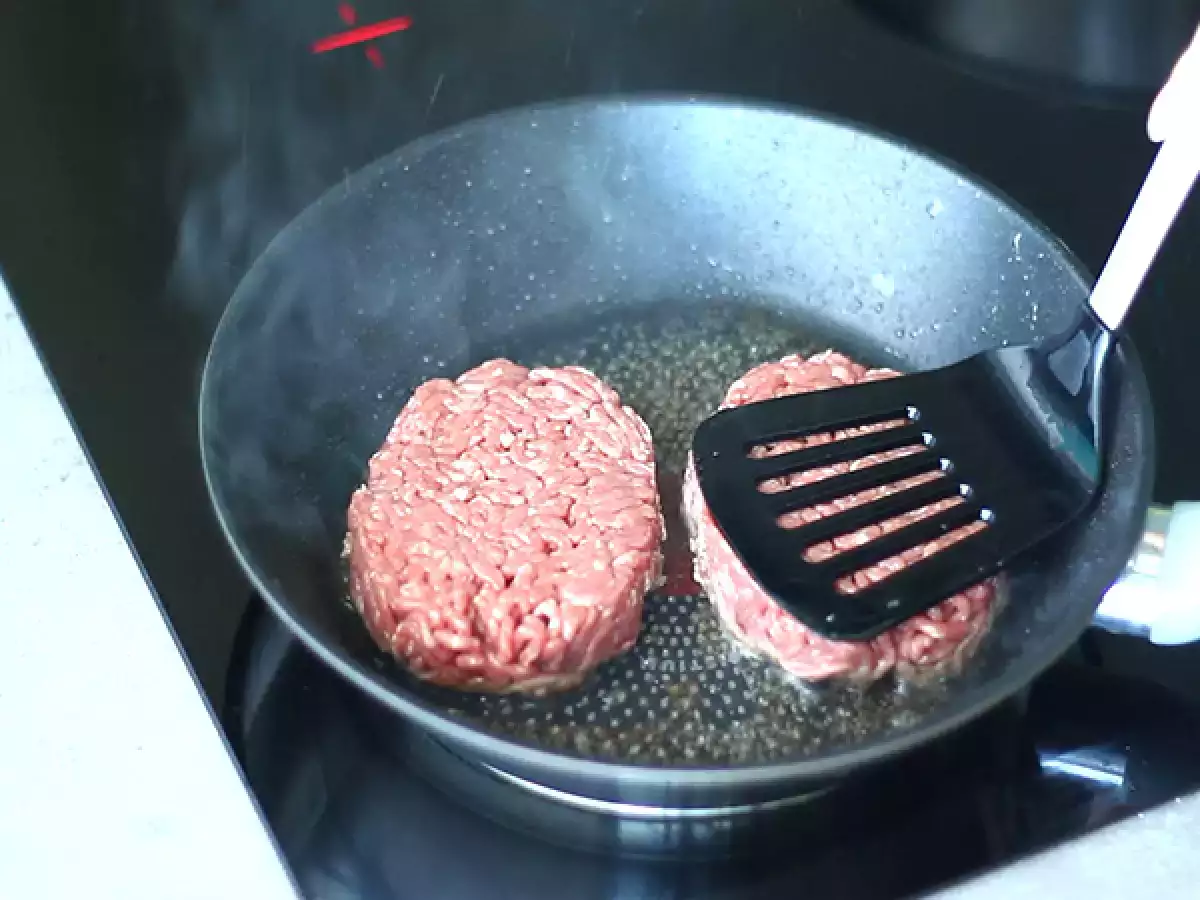
Do you want to cook your ground beef patty to perfection? Today, Petitchef is sharing its best tips for a patty that’s juicy on the inside and nicely browned on the outside! :-)
Chicken: the meat where there’s no room for approximation
For oven-roasted chicken, allow about 1 hour to 1 hour and 30 minutes, depending on the weight. Thighs and drumsticks can handle a slightly longer cooking time, as they remain tender. Breasts, on the other hand, dry out more quickly: you’ll need to keep a closer eye on them.
A meat thermometer is very useful for poultry. U.S. health authorities recommend an internal temperature of 165°F/74°C for all poultry. This is the simplest guideline to keep in mind if you want to be sure it’s cooked through.
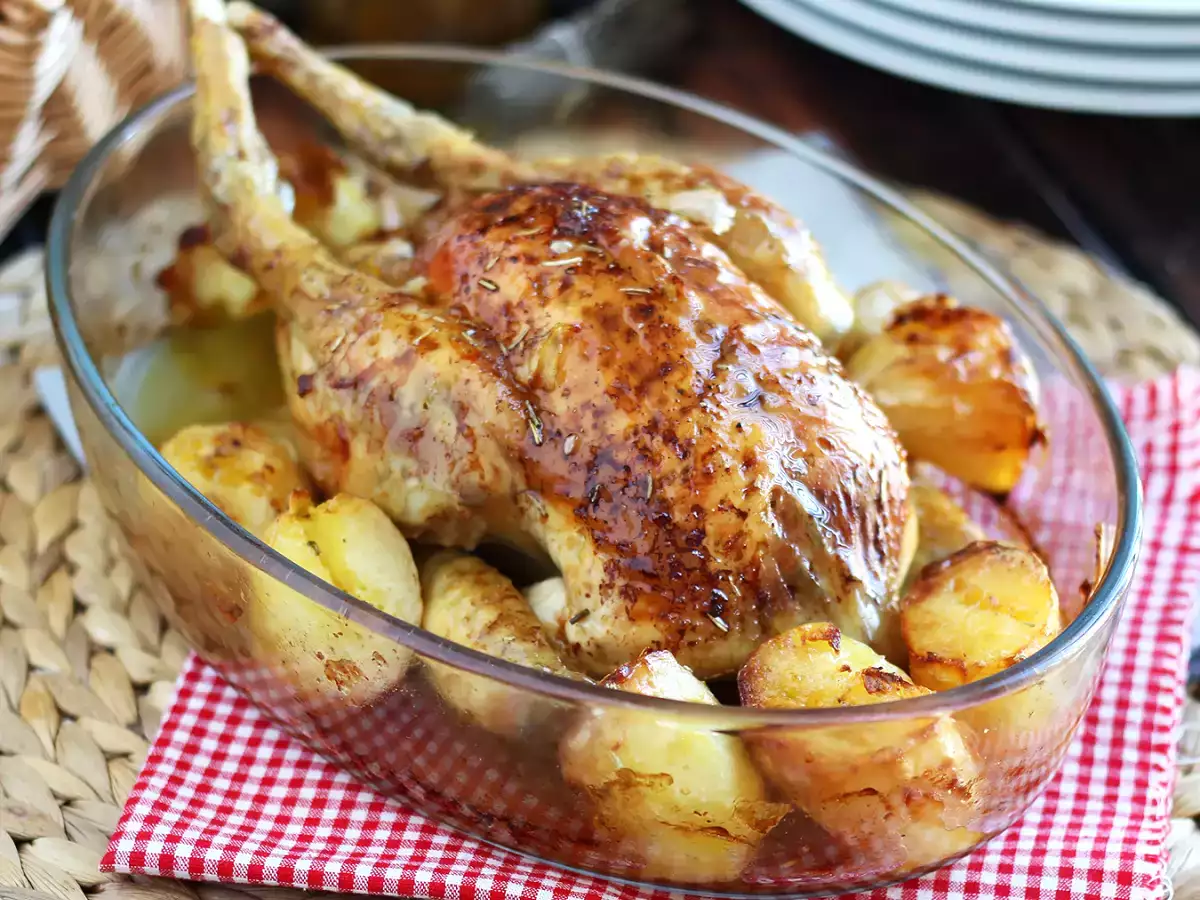
The Sunday chicken we all love :-) Today, we’re showing you how we make our oven-roasted chicken. A simple recipe that never gets old! Follow the steps below, with the help of our photos and video.
Pork: well-cooked, but not necessarily dry
Today, the goal is to cook the meat safely but with precision. A pork roast should be cooked all the way through, then allowed to rest for a few minutes before slicing. This resting period allows the juices to redistribute more evenly, resulting in a more flavorful cut.
For an oven-roasted pork roast, the cooking time depends on the weight, but it’s usually around 45 minutes to 1 hour for a standard cut. For a pork tenderloin, cooking is faster and requires closer monitoring.
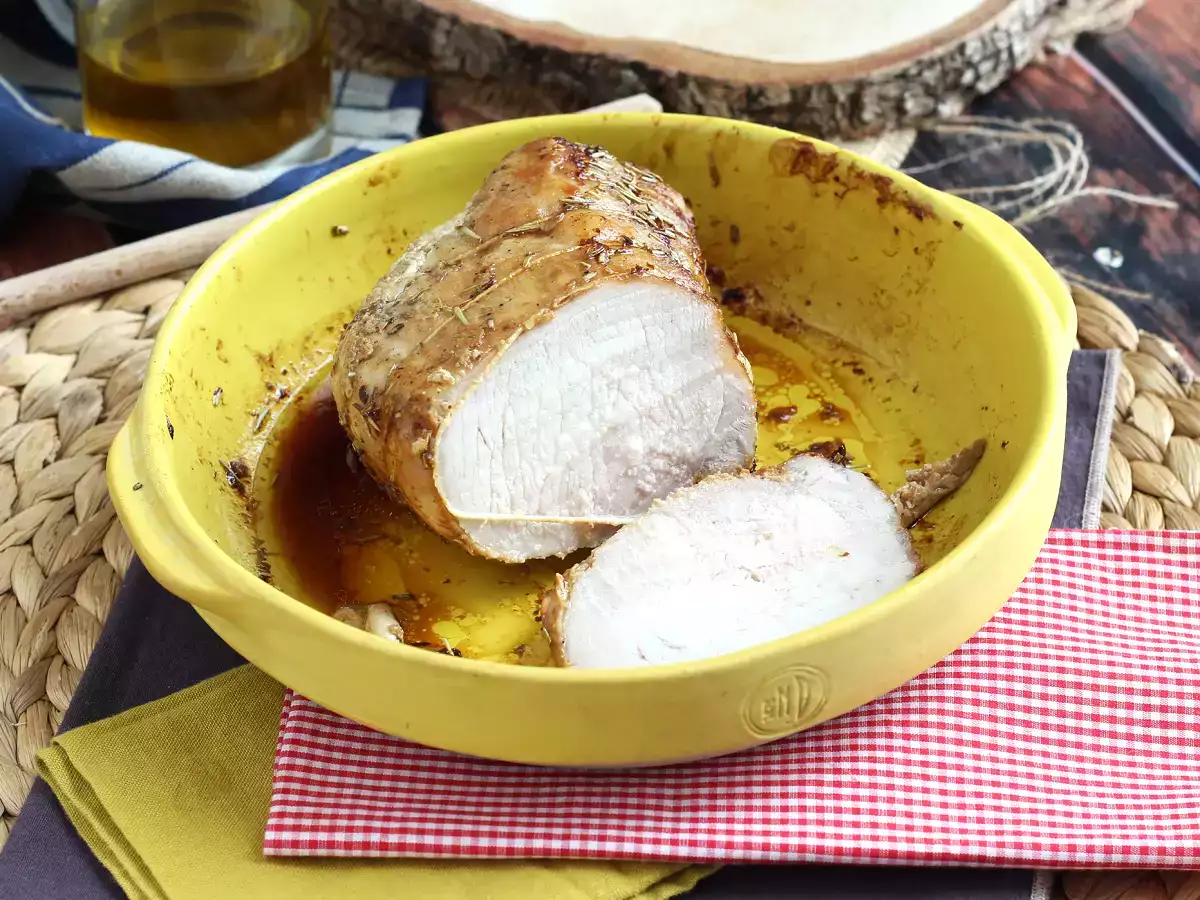
When we think of a Sunday meal , we often picture a roast served with sautéed potatoes and green beans. This traditional recipe is one of the great classics of French cuisine , loved for its homely, comforting feel. Here, we share our roast pork...
Duck: let the fat do the work
You can then flip the breast to the flesh side and cook for a few minutes, depending on your desired doneness. Letting the meat rest is really important: if you slice it right away, the juices will run onto the cutting board instead of staying in the meat.
For more even cooking, some recipes finish the duck breast in the oven after searing it in a skillet. This is handy when you want a result that’s easier to control.
Lamb: pink, confit, or slow-cooked until tender
For a leg of lamb cooked to medium-rare, a general rule is about 15 minutes per 500 g (1 lb), followed by a resting period. For a more well-done result, extend the cooking time. But again, the size of the cut and the oven make a big difference.
When opting for a long cooking time, the goal is no longer minute-by-minute precision. You want meat that falls off the bone, becomes tender, and has had time to absorb the flavors of the herbs and spices.
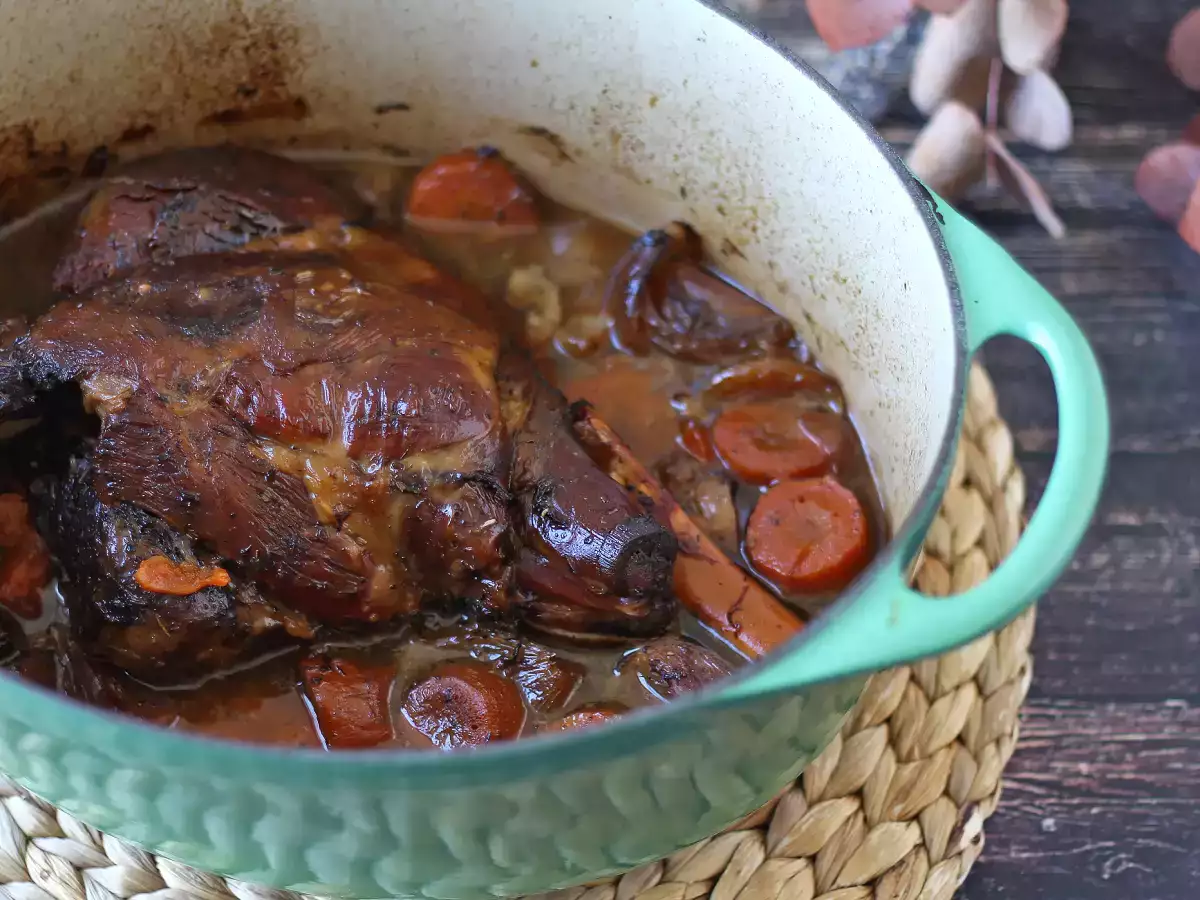
This 7-hour leg of lamb is slowly simmered in the oven in a cast-iron casserole dish, with a whole leg of lamb, carrots, onions, garlic and herbes de Provence. The meat is first browned in a pan, then cooked at a low temperature for 7 hours for...
Rest: the step we too often overlook
During the resting period, the heat continues to distribute gently and the juices settle. The result: when you cut into the meat, it loses less juice and stays more tender.
For a steak, a few minutes are enough. For a roast or leg of lamb, allow 10 to 15 minutes under a loosely draped sheet of aluminum foil. Do not seal it completely, or the steam may make the surface mushy.
The essential chart of core temperatures
| Meat | Recommended Internal Temperature |
|---|---|
| Poultry | 165°F/74°C |
| Ground meats | Approximately 160°F/71°C |
| Whole cuts of beef, pork, veal, and lamb | At least approximately 145°F/63°C, followed by a resting period |
| Fish | Approximately 145°F/63°C |
These guidelines are primarily for food safety. For beef or lamb eaten rare, cooking preferences may vary, but ground meats and poultry require greater caution.
The detail that prevents a lot of mishaps
Season with salt at the right time according to the recipe, avoid overcrowding the pan, and let the meat brown without moving it every three seconds. In an overcrowded pan, the meat releases moisture and steams instead of browning.
Ultimately, the right cooking time doesn’t depend solely on the clock. It also depends on the heat, the cut of meat, the resting time, and the attention you give the meat while it’s cooking.
 Adèle Peyches
Comments