How to pick a truly great supermarket gazpacho: practical tips most shoppers easily overlook
Wednesday 26 August 2026 17:00 - Patricia González
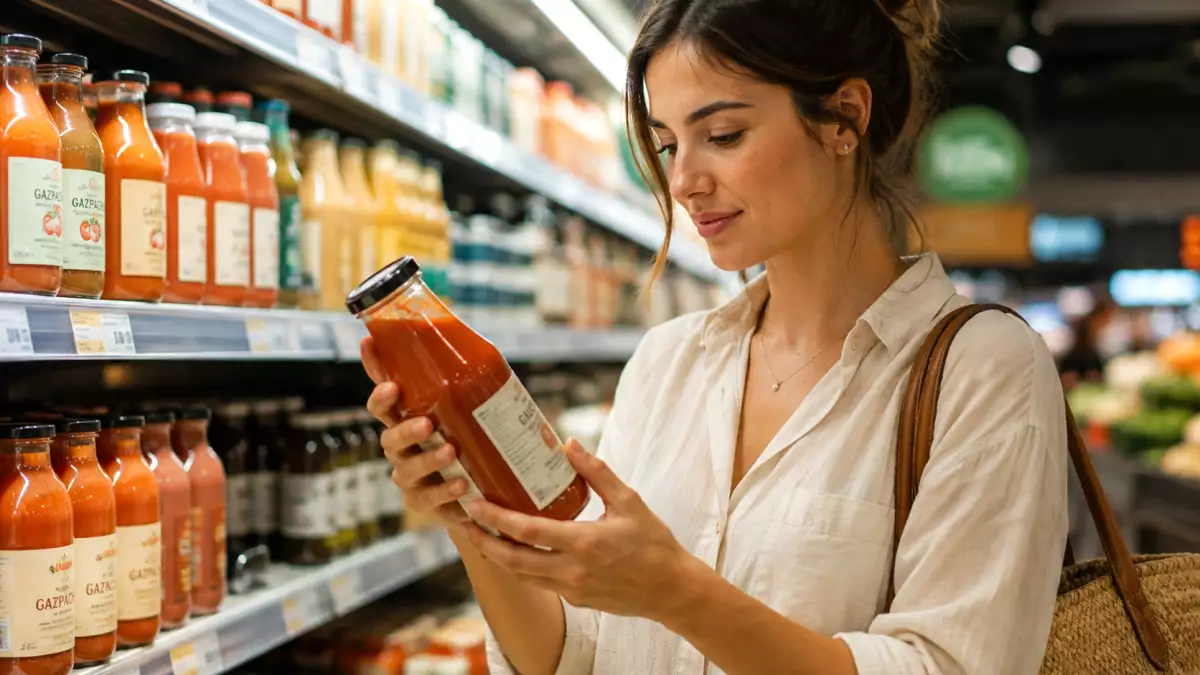
A decent gazpacho should resemble the Andalusian gazpacho we’d make at home: vegetables, olive oil, vinegar, salt, and, depending on the recipe, a bit of garlic or bread. Beyond that, it’s best to be wary of shortcuts: too much water, unnecessary thickeners, overly sweet flavors, or labels that promise more than the product can deliver.
Check the list of ingredients first
The ingredient list speaks louder than the front of the package. By law, ingredients are listed in descending order by weight: the first item on the list is the one the product contains the most of. In a good gazpacho, tomatoes should be the first item on the list, and vegetables (tomatoes, bell peppers, cucumbers, onions, or garlic) should make up a significant portion of the recipe.
It’s even better when the package lists the percentage of vegetables. A gazpacho with a generous vegetable base is not the same as one where water appears early on to lower the cost, dilute the flavor, and stretch the product. Water isn’t poison, of course: gazpacho is a cold soup and needs to be light. The problem arises when it replaces the vegetables and leaves you with a flat drink that tastes like watered-down tomato.
It’s also worth paying attention to the bread. It can be part of some recipes—it adds body and helps keep the mixture from separating—but it shouldn’t be the main trick used to thicken it. If you’re looking for a lighter option, check to see if it’s listed and where it appears. And if there are preservatives, flavorings, or additives, there’s no need to overreact, but it’s worth asking why they’re there when there are refrigerated gazpachos with fairly clean ingredient lists.
It’s even better when the package lists the percentage of vegetables. A gazpacho with a generous vegetable base is not the same as one where water appears early on to lower the cost, dilute the flavor, and stretch the product. Water isn’t poison, of course: gazpacho is a cold soup and needs to be light. The problem arises when it replaces the vegetables and leaves you with a flat drink that tastes like watered-down tomato.
It’s also worth paying attention to the bread. It can be part of some recipes—it adds body and helps keep the mixture from separating—but it shouldn’t be the main trick used to thicken it. If you’re looking for a lighter option, check to see if it’s listed and where it appears. And if there are preservatives, flavorings, or additives, there’s no need to overreact, but it’s worth asking why they’re there when there are refrigerated gazpachos with fairly clean ingredient lists.
Oil, salt, and sugar: the three factors that influence a purchase
The oil has a significant impact on the flavor and perceived quality. Extra virgin olive oil is ideal, although some products use olive oil without specifying the type or use lower-quality blends. The difference isn’t always noticeable on the first sip, but it is in the aftertaste: a good oil rounds out the tomato’s flavor, rather than overpowering it.
Next comes the salt. Gazpacho may seem healthy because it contains vegetables, but a bottle that’s too salty isn’t as appealing for daily consumption. Nutritional information is listed per 100 ml, so compare products on an equal basis. As a home rule of thumb, if you find yourself craving water after drinking just half a glass, it might not be the best choice to have every day for the whole week.
Sugar isn’t usually necessary. Ripe tomatoes already provide natural sweetness. If you see added sugar, fruit juices, or ingredients intended to sweeten, it’s time to take a closer look: some “modern” gazpachos are closer to a sweet drink masquerading as a healthy option than to a traditional cold soup. Versions with fruit may taste good, but they shouldn’t be marketed as if they were automatically better.
Next comes the salt. Gazpacho may seem healthy because it contains vegetables, but a bottle that’s too salty isn’t as appealing for daily consumption. Nutritional information is listed per 100 ml, so compare products on an equal basis. As a home rule of thumb, if you find yourself craving water after drinking just half a glass, it might not be the best choice to have every day for the whole week.
Sugar isn’t usually necessary. Ripe tomatoes already provide natural sweetness. If you see added sugar, fruit juices, or ingredients intended to sweeten, it’s time to take a closer look: some “modern” gazpachos are closer to a sweet drink masquerading as a healthy option than to a traditional cold soup. Versions with fruit may taste good, but they shouldn’t be marketed as if they were automatically better.
You can also get a sense of the flavor before opening it
A good gazpacho shouldn’t just taste like pureed tomatoes. It should smell fresh, remind you of well-seasoned raw vegetables, and leave a clean, not harsh, tang. The label offers clues: more vegetables and fewer fillers usually result in a more homemade flavor profile; a lot of vinegar, overpowering garlic, or added flavorings may signal an unbalanced taste.
Texture is a matter of taste. Some prefer it thin and drinkable, while others look for a thicker, spoonable consistency. The important thing is that it feels natural: neither excessively runny nor as thick as a forced cream. Shake the bottle and see if the mixture blends easily. A slight separation is normal in products with pureed vegetables; a rubbery or overly uniform texture may indicate that stability was prioritized over freshness.
Texture is a matter of taste. Some prefer it thin and drinkable, while others look for a thicker, spoonable consistency. The important thing is that it feels natural: neither excessively runny nor as thick as a forced cream. Shake the bottle and see if the mixture blends easily. A slight separation is normal in products with pureed vegetables; a rubbery or overly uniform texture may indicate that stability was prioritized over freshness.
Chilled, pasteurized, or shelf-stable
The section of the supermarket where it’s located also matters. Refrigerated gazpachos tend to have a fresher profile and a shorter shelf life. Those on the shelves may be convenient, but they’ve usually undergone more intense heat treatments to last without refrigeration before opening. That doesn’t make them bad—just different.
Once opened, follow the rules of the fridge and common sense: seal it tightly, don’t drink directly from the bottle if you’re going to store it, and stick to the expiration date indicated by the manufacturer. If it smells strange, changes color, or becomes fizzy, you can’t “fix” it with ice or more vinegar.
Once opened, follow the rules of the fridge and common sense: seal it tightly, don’t drink directly from the bottle if you’re going to store it, and stick to the expiration date indicated by the manufacturer. If it smells strange, changes color, or becomes fizzy, you can’t “fix” it with ice or more vinegar.
Don't let the marketing impress you
Words like “artisan,” “traditional,” “detox,” or “natural” are no substitute for the label. Some may be regulated or subject to conditions; others serve as emotional selling points. Gazpacho doesn’t cleanse your organs, make up for a poor diet, or earn extra points just because it has a black cap and a photo of a vegetable garden at sunset.
The best buy is usually: tomatoes first, a good percentage of vegetables, clearly identified olive oil, moderate salt, few unnecessary ingredients, and a flavor that makes you want to have it again. If the price is reasonable too, perfect. With gazpacho, as with so many things at the supermarket, what makes sense isn’t always shouted from the front label—it’s usually written in the fine print.
The best buy is usually: tomatoes first, a good percentage of vegetables, clearly identified olive oil, moderate salt, few unnecessary ingredients, and a flavor that makes you want to have it again. If the price is reasonable too, perfect. With gazpacho, as with so many things at the supermarket, what makes sense isn’t always shouted from the front label—it’s usually written in the fine print.
 Patricia González
Passionate about cooking and good food, my life revolves around carefully chosen words and wooden spoons. Responsible, yet forgetful. I am a journalist and writer with years of experience, and I found my ideal corner in France, where I work as a writer for Petitchef. I love bœuf bourguignon, but I miss my mother's salmorejo. Here, I combine my love for writing and delicious flavors to share recipes and kitchen stories that I hope will inspire you. I like my tortilla with onions and slightly undercooked :)
Comments