How to tell if you're overpaying for olive oil: everyday signs that point to a smarter purchase
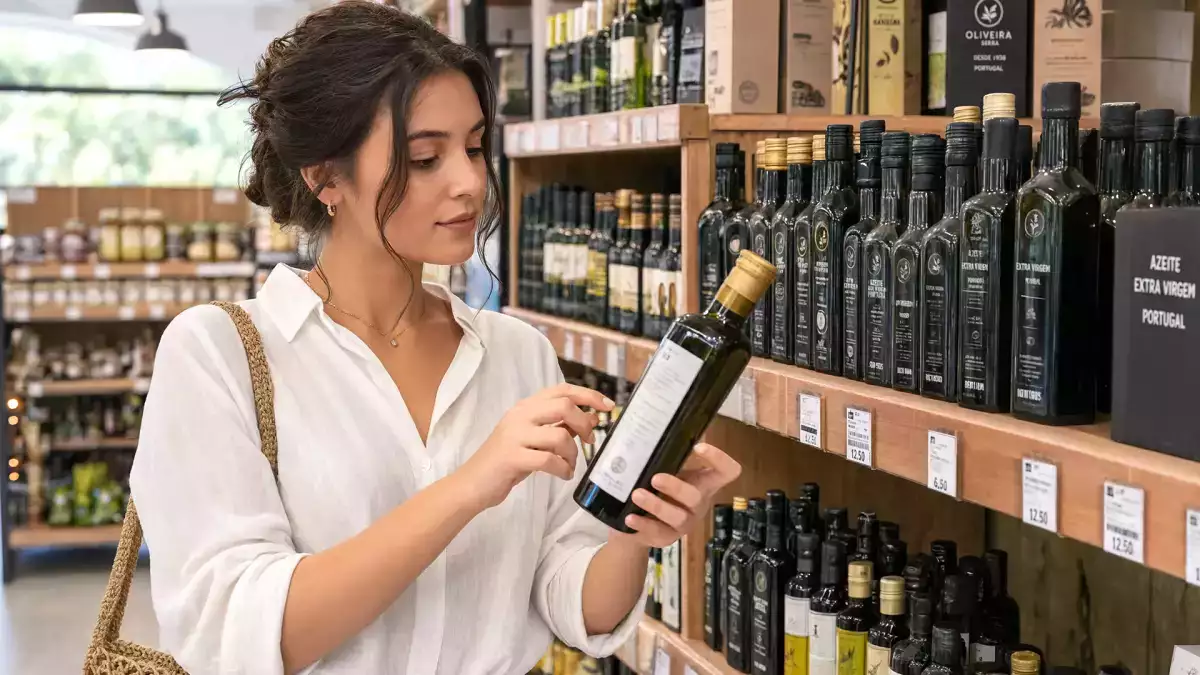
Faced with dozens of bottles lined up on the supermarket shelf, choosing olive oil may seem like a simple task. However, many people end up paying more for well-known brands, eye-catching packaging, or marketing campaigns—without necessarily getting better quality.
The good news is that there are some easy-to-spot signs that can help you choose a good olive oil without spending more money.
The most expensive option isn't always the best
There is a common belief that a higher price automatically means a superior product. In the case of olive oil, this isn't always true.
Many price differences are related to factors such as advertising, packaging design, or brand positioning.
That’s why it’s worth looking at more than just the price on the label.
Look for the label "Extra Virgin Olive Oil"
This is one of the most important criteria.
Extra virgin olive oil is obtained through mechanical processes and has superior quality characteristics compared to more refined categories.
In practice, it usually offers better flavor and preserves more of the compounds naturally present in the olive.
When comparing products, this information should be one of the first things to check.
Packaging can say a lot
Light and heat are two of olive oil’s main enemies.
For this reason, experts recommend packaging that better protects the product, such as:
- Dark glass bottles
- Opaque containers
- Food-grade metal cans
When olive oil is exposed to light for long periods, its quality can deteriorate more quickly.
Check the source
Many consumers are unaware of this information, but it can be quite useful.
Labels usually indicate the origin of the olives or the country of production.
Although there are excellent olive oils from various regions, products that provide clear information about their origin tend to convey greater transparency.
Note the harvest or production date
Whenever available, this information is worth noting.
Unlike wine, olive oil does not improve with age.
In general, more recent products tend to have more intense aromas and flavors.
So it’s worth checking the dates before adding the bottle to your cart.
Compare the price per liter
This is one of the most common mistakes consumers make.
A bottle that seems cheap may end up costing more when you look at the price per liter.
Supermarkets are required to display this information, usually in smaller print next to the price.
A quick comparison can reveal surprising differences.
Be wary of overly aggressive promotions
Although there are legitimate sales, very steep discounts may indicate products nearing their recommended best-by date or old inventory that needs to be cleared out.
Before taking advantage of a sale, it’s worth checking the expiration date and other information on the label.
Taste is also an indicator
Many people believe that high-quality olive oil should be completely mild.
In reality, a slight bitterness or a hint of spiciness can be signs of the presence of natural compounds prized by experts.
Of course, personal taste remains important, but these characteristics should not be viewed as defects.
The secret is in reading the label
Most of the time, choosing a good olive oil doesn't require technical knowledge or buying the most expensive bottle on the shelf.
You just need to pay attention to a few simple details:
- Olive oil category
- Type of packaging
- Origin
- Production date
- Price per liter
With these criteria, it becomes easier to find quality options and avoid spending money just because of the brand or the packaging’s appearance.
Because, when it comes to olive oil, the best choice isn’t always the most expensive one, but it’s almost always the most informed one.
 Mirella Mendonça
Comments