Is canned tuna all the same? 7 differences you need to know before you buy
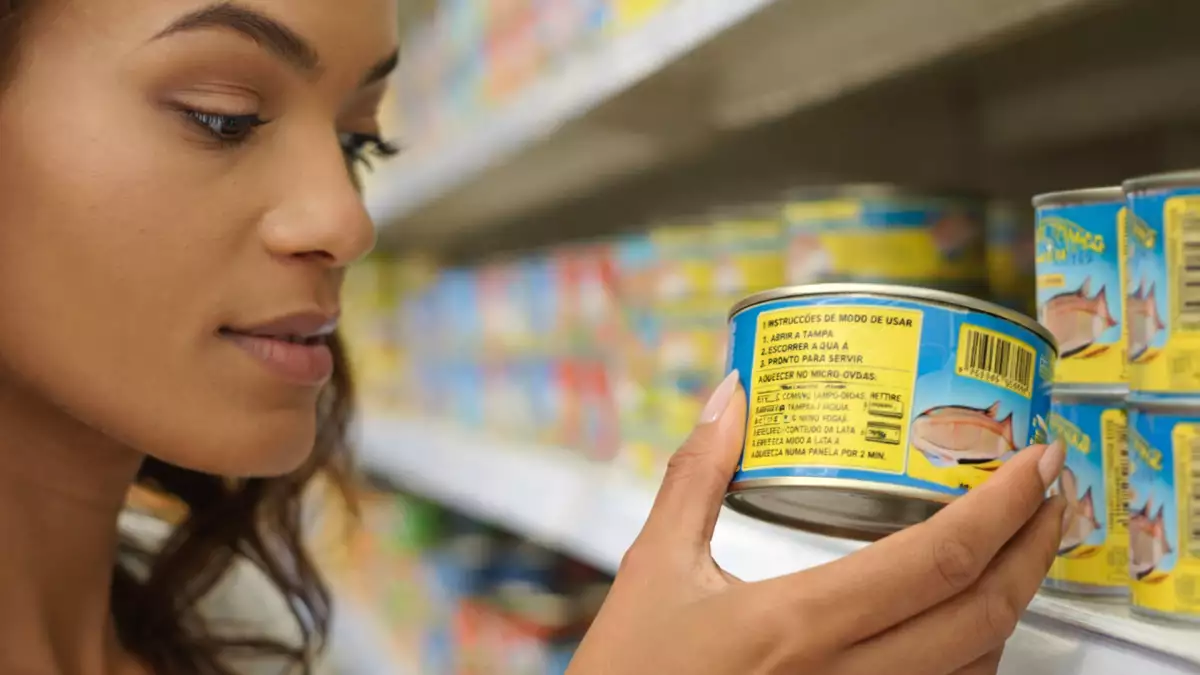
Canned tuna may seem like a simple product, but behind the similar packaging there are differences that directly impact the taste, texture, nutritional value and even the environmental impact of your choice.
Type of fish, preservation in oil or water, sodium content, cut of meat and fishing origin are all factors that completely change the experience on the plate. Often, the decision is made solely on price or brand, without considering details that influence quality and health.
Before putting the next can in the trolley, it's worth understanding what really differentiates one option from another and how to make a smarter choice for your day-to-day life.
1. Tuna in oil or water: which one to choose?
This is the first big decision.
- In oil: generally juicier and tastier, ideal for richer salads, pastas and stuffings. However, it has more calories.
- In water: lighter, lower in calories and with a milder flavor. Excellent for those looking for a balanced diet or who want to control the fat content of the recipe.
Important tip: even tuna in oil can be drained to reduce some of the fat.
2. Type of tuna: not all fish are the same
Have you noticed the names on the label?
- Skipjack: more common and more economical, more intense flavor.
- Yellowfin: firmer texture and more delicate flavor.
- Albacore: considered more noble, with light and tender meat.
The more noble the species, the higher the price tends to be - and often the better the texture.
3. Solid, pieces or grated?
Another important difference is in the cut:
- Solid (loin): large, whole pieces, more premium appearance.
- Chunk: larger pieces, good balance between cost and quality.
- Shredded: more economical, ideal for pâtés, pies and fillings.
If the recipe values texture, choose solid or chunks.
4. Sodium content: a detail many people overlook
Some brands add more salt than others.
If you eat tuna frequently, it's worth checking the label and opting for versions with less sodium.
There are now "low salt" or "no added salt" options, which make a difference to cardiovascular health.
5. Origin and sustainability
Increasingly important.
Look for sustainable fishing seals, such as internationally recognized certifications. These indicate that the tuna has been caught with less environmental impact and less risk to other marine species.
In addition, the fishing area influences quality and health control.
6. Preservatives and list of ingredients
A good canned tuna should have a simple list:
- Tuna
- Water or oil
- Salt (optional)
The shorter and clearer the list, the better.
7. Price: when is it worth paying more?
The most expensive is not always automatically the best, but very cheap products can be an indication:
- Lower quality fish
- More fragments than fillet
- Higher salt content
- Less selected mixtures
It's worth testing different brands and comparing texture, taste and yield.
Understand how to choose the best
It depends on your goal:
- For diets and light meals: tuna in water, with low sodium.
- For tastier, juicier recipes: tuna in good quality oil.
- For impressive presentation: solid or loin version.
- For everyday savings: chunks or grated.
Canned tuna may seem like a simple product, but the differences are real and knowing how to identify them helps you make smarter, healthier and tastier choices.
The next time you go to the market, you might look at the shelf with different eyes.
 Mirella Mendonça
Comments