Keep endives from watering down your gratin: easy tips to prevent excess liquid while baking
Tuesday 29 September 2026 21:00 - Adèle Peyches
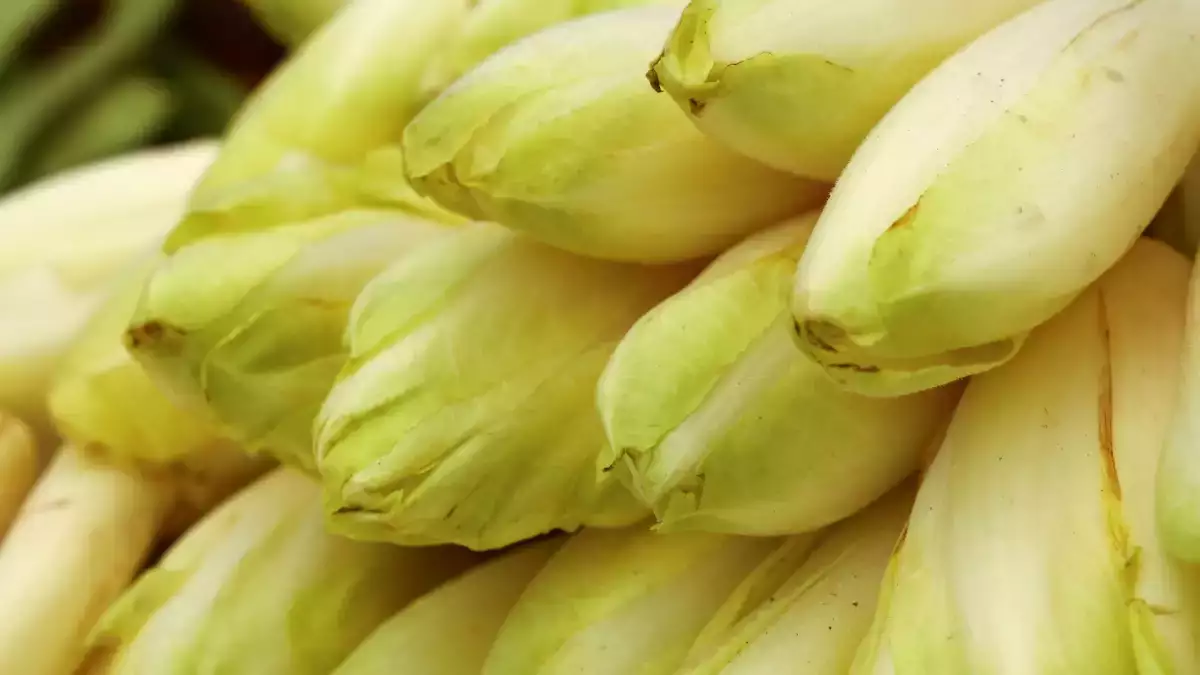
The reason is simple: endives are very high in water content. The French Endive Growers Association states that they contain nearly 95% water . After being boiled or steamed, they can therefore retain a lot of moisture in their leaves!
Why do endives release so much water?
A fresh endive is mostly made up of water. During cooking, the leaves soften and some of this water is released.
If you cook the endives in a pot of water, they’re also in direct contact with the liquid. As a result, they may end up in the gratin dish with a lot of moisture trapped between the leaves.
The oven doesn’t instantly evaporate this moisture. Combined with the béchamel sauce, ham, and cheese, it can remain trapped at the bottom of the dish, giving the gratin a soggy texture.
If you cook the endives in a pot of water, they’re also in direct contact with the liquid. As a result, they may end up in the gratin dish with a lot of moisture trapped between the leaves.
The oven doesn’t instantly evaporate this moisture. Combined with the béchamel sauce, ham, and cheese, it can remain trapped at the bottom of the dish, giving the gratin a soggy texture.
The most important step: drain them thoroughly
After cooking, do not transfer the endives directly from the pot to the baking dish. Place the endives in a colander and let them drain for several minutes.
Interfel explicitly recommends draining them thoroughly before continuing with the recipe for endives with ham.
To take it a step further at home, you can then place them on a clean cloth or several sheets of paper towels. If they are very waterlogged, press them very gently with the back of a spoon or between two sheets of paper, without crushing them.
Interfel explicitly recommends draining them thoroughly before continuing with the recipe for endives with ham.
To take it a step further at home, you can then place them on a clean cloth or several sheets of paper towels. If they are very waterlogged, press them very gently with the back of a spoon or between two sheets of paper, without crushing them.
Don't let them cool off in their water
Another common mistake is to turn off the heat and leave the endives sitting in the pot.
During this time, they remain submerged in the liquid and continue to soak up moisture. As soon as they’re done cooking, remove them from the water and place them directly into a colander.
If you’re preparing the gratin in advance, let the endives cool once they’re thoroughly drained—not in their cooking liquid.
During this time, they remain submerged in the liquid and continue to soak up moisture. As soon as they’re done cooking, remove them from the water and place them directly into a colander.
If you’re preparing the gratin in advance, let the endives cool once they’re thoroughly drained—not in their cooking liquid.
How long should you cook the endives before making the gratin?
The French Endive Producers provide several cooking guidelines: about 20 minutes in boiling water, 10 minutes steamed, around 25 minutes pan-fried or braised, and about 5 minutes in the microwave.
For classic endives wrapped in ham, Interfel recommends cooking them for about 20 minutes in boiling salted water before draining.
The goal is not to cook them until they fall apart. They should be tender but still firm enough to handle and roll in the ham.
For classic endives wrapped in ham, Interfel recommends cooking them for about 20 minutes in boiling salted water before draining.
The goal is not to cook them until they fall apart. They should be tender but still firm enough to handle and roll in the ham.
Steam can help reduce excess moisture
If you find that your endives always end up too watery after boiling, try steaming them.
They aren’t submerged in a pot, which limits direct contact with water. The French Endive Producers recommend steaming for about 10 minutes.
They still release their own liquid, so draining them is still necessary. But this method can be handy before making a gratin, especially if you like your endives to still be a little firm.
They aren’t submerged in a pot, which limits direct contact with water. The French Endive Producers recommend steaming for about 10 minutes.
They still release their own liquid, so draining them is still necessary. But this method can be handy before making a gratin, especially if you like your endives to still be a little firm.
A skillet is another good option before using the oven
You can also pre-cook endives in a skillet or sauté pan. This method allows some of their moisture to evaporate during cooking.
The French Endive Producers Association recommends about 25 minutes in a skillet for complete cooking, while Interfel also suggests a quick gratin made with finely chopped endives that are quickly sautéed before being placed under the broiler.
For a classic gratin with whole endives, sauté them gently, covering them at the start if necessary, then finish cooking uncovered for a few minutes to let the moisture escape.
The French Endive Producers Association recommends about 25 minutes in a skillet for complete cooking, while Interfel also suggests a quick gratin made with finely chopped endives that are quickly sautéed before being placed under the broiler.
For a classic gratin with whole endives, sauté them gently, covering them at the start if necessary, then finish cooking uncovered for a few minutes to let the moisture escape.
Be careful not to make the béchamel sauce too runny
Even with well-drained endives, a béchamel sauce that’s too runny can result in a gratin that lacks body.
The sauce should be thick enough to coat the back of a spoon. In the Interfel recipe, it’s cooked over low heat for about 5 to 6 minutes, until thickened.
When you pour it over the endives, it should cover them without running off into the bottom of the dish like milk. A sauce that’s already well-thickened will better withstand the small amount of water the endives may still release in the oven.
The sauce should be thick enough to coat the back of a spoon. In the Interfel recipe, it’s cooked over low heat for about 5 to 6 minutes, until thickened.
When you pour it over the endives, it should cover them without running off into the bottom of the dish like milk. A sauce that’s already well-thickened will better withstand the small amount of water the endives may still release in the oven.
Should you remove the core from the endive?
Removing part of the cone at the base can help if you find the endives too bitter, but that’s not the main way to prevent water from accumulating in the gratin.
The French Endive Producers Association notes that you can hollow out the central core if you want to further reduce the bitterness.
As for the moisture issue, focus primarily on the cooking process,draining, and the consistency of the béchamel sauce.
The French Endive Producers Association notes that you can hollow out the central core if you want to further reduce the bitterness.
As for the moisture issue, focus primarily on the cooking process,draining, and the consistency of the béchamel sauce.
How to assemble the gratin without adding more water to the dish
Once the endives are thoroughly drained, wrap them in ham and arrange them in a lightly buttered baking dish.
If they’ve released a little more liquid while waiting, pat them dry one last time before placing them in the dish.
Next, add the béchamel sauce, followed by the grated cheese. Interfel recommends baking at 200 °C for about 10 minutes to brown the already-cooked endives.
If they’ve released a little more liquid while waiting, pat them dry one last time before placing them in the dish.
Next, add the béchamel sauce, followed by the grated cheese. Interfel recommends baking at 200 °C for about 10 minutes to brown the already-cooked endives.
What to do if the gratin dish is already full of water
If you don't notice the problem until after taking it out of the oven, all is not lost.
Tilt the dish slightly and scoop out some of the liquid with a spoon, being careful not to disturb the béchamel sauce. You can then return the gratin to the oven for a few minutes—possibly at a higher temperature toward the end—to help the top firm up again.
Just be careful not to leave it in too long: endives that are already very well cooked may become mushy.
Tilt the dish slightly and scoop out some of the liquid with a spoon, being careful not to disturb the béchamel sauce. You can then return the gratin to the oven for a few minutes—possibly at a higher temperature toward the end—to help the top firm up again.
Just be careful not to leave it in too long: endives that are already very well cooked may become mushy.
For your next gratin, just change these three things
Cook the endives without letting them fall apart, then drain them for several minutes. Pat them dry if they’re still damp, and prepare a bechamel sauce that’s thick enough.
If you often have this problem, try steaming or pre-cooking them in a skillet instead of boiling them in a large pot of water.
These three steps are usually enough to achieve a creamier gratin, without a pool of water when it’s time to serve.
If you often have this problem, try steaming or pre-cooking them in a skillet instead of boiling them in a large pot of water.
These three steps are usually enough to achieve a creamier gratin, without a pool of water when it’s time to serve.
 Adèle Peyches
Editorial manager who just can't wait for winter to enjoy fondue! Passionate about gastronomy and always on the lookout for new culinary gems, I first studied law before returning to my first love: the taste of good products and the joy of sharing around the table :)
Comments