Pears and cheese: two opposites that attract for a reason you’ll understand the moment you take your first bite
Monday 26 October 2026 10:00 - Francesco Rosso
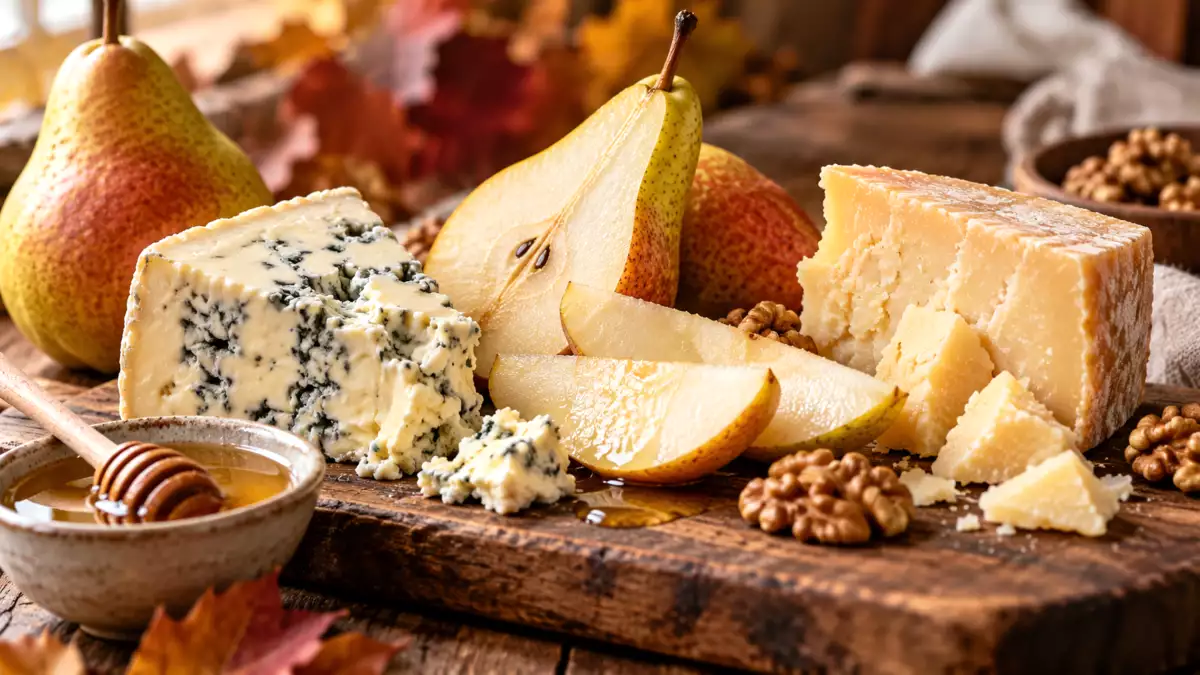
It’s not just a matter of a proverb or a last-minute cheese platter. The pear-and-cheese pairing works because it brings together textures, aromas, and flavors that complement each other. The pear refreshes; the cheese adds depth. She lightens; he envelops.
Why pears and cheese go so well together
The first answer is simple: sweet and savory complement each other. The pear provides natural sugars, water, aroma, and a slight freshness. The cheese adds salt, fat, lactic acidity, and—in more aged varieties—an intense, lingering flavor.
When eaten together, the sweetness of the pear softens the savory notes of the cheese, while the creaminess or graininess of the cheese makes the pear’s flavor less fleeting. It’s a balance of opposites: juicy versus fatty, delicate versus intense, fresh versus rich.
That’s why the classic “cacio e pere” isn’t just a figure of speech. It’s a pairing that runs through Italian cuisine because it works with aperitifs, on a cheese and charcuterie board, in first courses, and even in some dessert recipes.
What Happens on the Palate When You Eat Them Together
The palate loves balance, but it gets bored when everything goes in the same direction. If a cheese is very fatty or very savory, it can become overwhelming after a few bites. The pear, with its fresh, juicy flesh, cleanses the palate and makes the next bite more enjoyable.
At the same time, cheese provides the pear with a richer base. A pear on its own may be sweet and fragrant, but paired with the right cheese, it becomes more well-rounded and more gourmet. The secret lies in balance: the pear shouldn’t overpower the cheese, and the cheese shouldn’t mask the fruit’s delicacy.
A very intense blue cheese paired with an unripe pear risks tasting harsh; a soft cheese paired with a ripe pear, on the other hand, can become almost like a natural cream.
Which cheese goes well with pears?
Which cheese goes well with pears? It depends on the intensity you’re looking for. Blue cheeses pair wonderfully with sweet, juicy pears, as their savory and slightly tangy notes find a natural balance. With a more delicate pear, fresh or semi-aged cheeses—which are less overpowering—work well.
For a well-balanced cheese platter, you can think in terms of cheese families: mild Gorgonzola for creamy contrasts, Pecorino for a bold flavor, fresh goat cheese for a tangy note, Taleggio for intense creaminess, and Parmesan for a drier, more savory pairing.
The most practical rule is this: the more aged or savory the cheese, the riper, more fragrant, and juicier the pear should be.
Which pears should you choose for a fruit platter?
Not all pears behave the same way. Some are soft and sweet, while others are crispier and fresher. For a pear-and-cheese platter, the best choice depends on the kind of flavor profile you want to create.
Very ripe pears are ideal with strong cheeses, because their sweetness helps mellow out the savory and tangy flavors. Firmer pears, on the other hand, are perfect when you want to add crunch and a clean finish, especially with soft or creamy cheeses.
Are ripe or unripe pears better with cheese? An unripe pear may lack aroma and be too dry. The ideal pear is ripe but still firm, so it cuts well and holds up nicely on the plate.
How to Serve Pears and Cheese Without Upsetting the Balance
Serving pears and cheese seems very easy, but it doesn’t take much to throw everything off balance. If the cheese is too cold, it loses its aroma. If the pear is cut too early, it can oxidize and become less appealing. If you add too many ingredients, the main pairing takes a back seat.
For a more balanced taste, keep these details in mind:
The point isn’t to fill the cutting board, but to let the ingredients shine. A pear, some cheese, and a crunchy element are often enough.
For a more balanced taste, keep these details in mind:
- Take the cheese out of the fridge ahead of time: at room temperature, it brings out its aromas and texture best.
- Cut the pears just before serving: they’ll stay more attractive, juicy, and fragrant.
- Use small portions: the pairing works best in bite-sized pieces.
- Add nuts sparingly: walnuts and almonds enhance the dish, but shouldn’t overpower it.
- Avoid overly sweet toppings: honey and compotes are excellent, but use them sparingly.
The point isn’t to fill the cutting board, but to let the ingredients shine. A pear, some cheese, and a crunchy element are often enough.
Do pears and cheese go well together?
Are pears and cheese good for you? As always, it depends on the amount, the type of cheese, and the context of the meal. Pears provide water, fiber, and natural sugars. Cheese adds protein, fat, and minerals, but it can also be high in salt and calories, especially if it’s aged.
That’s why this pairing is appealing when served as a tasting, appetizer, or part of a dish. A small portion can be very satisfying, precisely because the contrast between sweetness and savory flavor stimulates the palate without the need to overindulge.
If you want to make it lighter, choose a fresh pear and a cheese that isn’t too fatty. If you’re preparing a special aperitif, focus on quality and bolder pairings.
What wine goes well with pears and cheese?
Wine can also change the flavor profile. Fragrant white wines with good acidity pair well with fresh cheeses and crisp pears. With blue-veined or very savory cheeses, on the other hand, a sweet or smooth note can create a more elegant balance.
What wine should you drink with pears and cheese? For a simple cheese platter, you can choose an aromatic white that isn’t too heavy or a fresh sparkling wine. With Gorgonzola and pears, a wine with a little residual sugar or a passito served in moderation works best. With pecorino and pears, a full-bodied white or a young, low-tannin red can complement the flavors without overpowering them.
The goal is always the same: don’t overwhelm the pear or dampen the cheese’s flavor.
The Little Secret of Opposites That Work
Pears and cheese are a favorite pairing because they don’t try to be alike. They remain distinct, and that’s precisely why they complement each other. The pear brings sweetness, freshness, and juiciness; the cheese responds with saltiness, creaminess, and character. In between is the palate, which enjoys the interplay without needing any elaborate explanations.
The next time you put together a cheese and fruit platter, don’t think of the pear as just a garnish. Choose it carefully, slice it fresh, and pair it with the right cheese. You’ll discover that this classic pairing isn’t outdated—it’s simply one of the most ingenious combinations in Italian cuisine.
The next time you put together a cheese and fruit platter, don’t think of the pear as just a garnish. Choose it carefully, slice it fresh, and pair it with the right cheese. You’ll discover that this classic pairing isn’t outdated—it’s simply one of the most ingenious combinations in Italian cuisine.
 Francesco Rosso
A journalist in search of new horizons. As a lover of wine and simple dishes, I’ve decided to set out to discover new ways of approaching cuisine.
Comments