Should vegetables go into cold water or boiling? the simple reason they start cooking differently
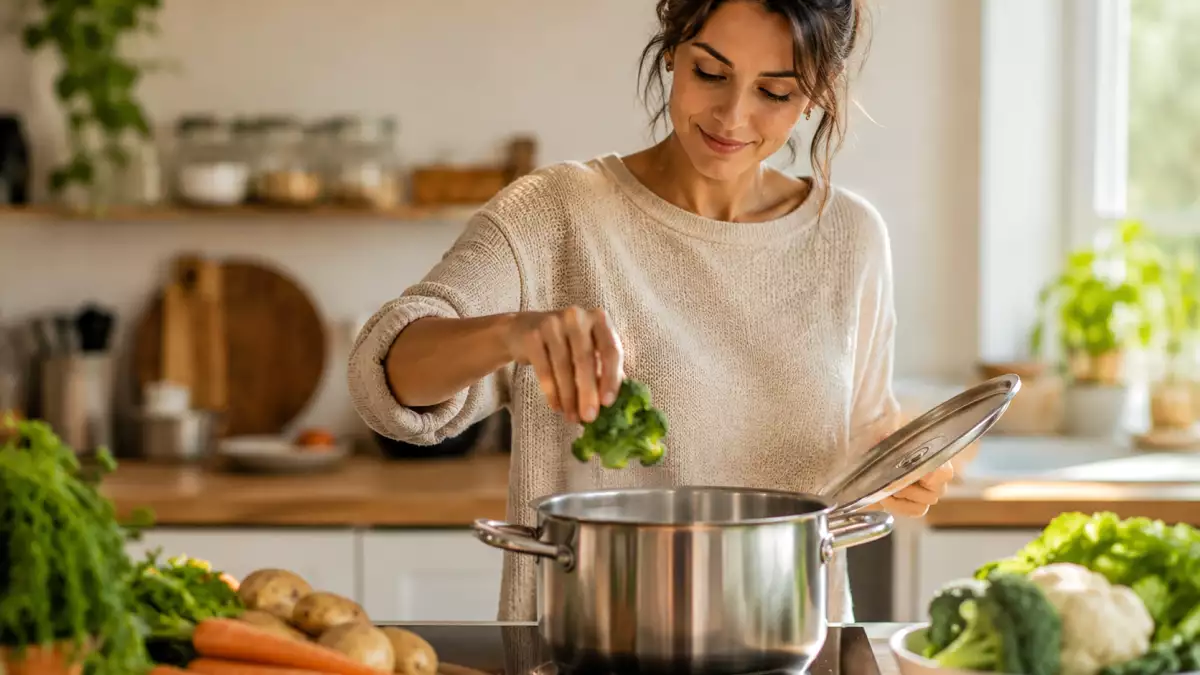
When it comes to cooking vegetables, a very common question is whether to add them to the pot right from the start or wait until the water is boiling. Jordi Cruz, the chef at ABaC, a three-Michelin-star restaurant, suggests an easy-to-remember trick: root vegetables and tubers that grow underground are usually added to cold water; many of the vegetables that grow above ground are added once the water is already boiling.
The advice is simple, but it makes a lot of sense in home cooking. It eliminates the need to memorize cooking times for each vegetable and helps avoid two common mistakes: a potato that’s soft on the outside but hard in the center, or green beans that end up overcooked.
Vegetables that are usually started in cold water
This group mainly includes potatoes, sweet potatoes, turnips, parsnips, and beets—especially when cooked whole or in large pieces. It can also apply to other firm-textured root vegetables when we want them to cook evenly.
The main reason lies in their structure. These foods are relatively dense, and it takes time for heat to travel from the surface to the center. If a large potato is placed directly into boiling water, the outside begins to cook long before the inside reaches the necessary temperature. By starting with cold water, both the water and the food heat up gradually, and the temperature difference between the outside and the center is smaller.
In tubers like potatoes, starch also plays a role; it absorbs water and changes structure as the temperature rises. The pectins in the cell walls also change during cooking and affect firmness. You don’t need to understand all that chemistry to prepare good boiled potatoes, but it explains why the method of heating them influences the result.
An important tip: it’s best to cut the pieces into similar sizes. Starting in cold water doesn’t help much if you’re cooking a small potato alongside one that’s three times as large.
Vegetables that are usually added to boiling water
With broccoli, cauliflower, green beans, peas, asparagus, spinach, Swiss chard, or Brussels sprouts, we’re usually looking for something different. We want them to cook through but retain a pleasant texture and, in many cases, a vibrant color.
That’s why it’s usually best to add them to the water once it’s already boiling. This way, they quickly reach the cooking temperature, and we can better control the cooking time. A few extra minutes can make a big difference to green beans or broccoli florets.
Prolonged cooking also softens the vegetable tissues and can dull the color of green vegetables. That’s why a very simple combination works well for many of them: plenty of boiling water, relatively brief cooking, and removing them as soon as they reach the desired doneness.
This doesn’t mean that boiling water creates a layer that “seals” the vegetables. The important thing is that it allows them to cook quickly and limits the amount of time they’re exposed to heat.
A simple guide to help you remember what to do
As a practical guideline, we can think of two main groups.
- Start in cold water: potatoes , sweet potatoes, turnips, parsnips, and beets—especially if they’re whole or cut into large pieces.
- Start with boiling water: broccoli, cauliflower, green beans, peas, asparagus, spinach, Swiss chard, and Brussels sprouts.
Carrots deserve a special mention. Although they are a root vegetable, they can be cooked either way depending on their size and the desired result. A whole or very thick carrot can be cooked gradually; thin slices, on the other hand, can be added directly to boiling water. This example helps illustrate why Jordi Cruz’s tip serves as a guideline rather than a rigid classification.
A very useful rule, but not a universal one
The place where a plant grows serves as a reminder of this advice, but it is not the physical factor that determines how it cooks. What matters most is the food’s structure, its thickness, the size of the cut, and the texture we want to achieve.
A whole beet takes much longer to cook than thin slices of the same beet. Similarly, the thick stem of a broccoli takes longer to soften than its small florets. Even within the same vegetable, different parts may require different cooking times.
Furthermore, cooking from cold water isn’t exclusive to root vegetables. Studies on vegetable texture show that moderate heating can alter pectins and temporarily increase firmness in vegetables as diverse as carrots, green beans, cabbage, and broccoli.
That’s why this tip works best when used as a starting point. Large root vegetables and tubers: usually, start from cold water. Tender vegetables that you want to cook quickly: usually, add them to boiling water. Then all that’s left is to look at the size of the piece and decide what texture you want to achieve.
It’s a simple guideline that resolves a very common question in the kitchen, and once we understand what happens during cooking, it also allows us to recognize when it’s appropriate to make an exception.
 Patricia González
Comments