Should you add mozzarella raw or cooked to pasta? how the choice changes texture and flavor
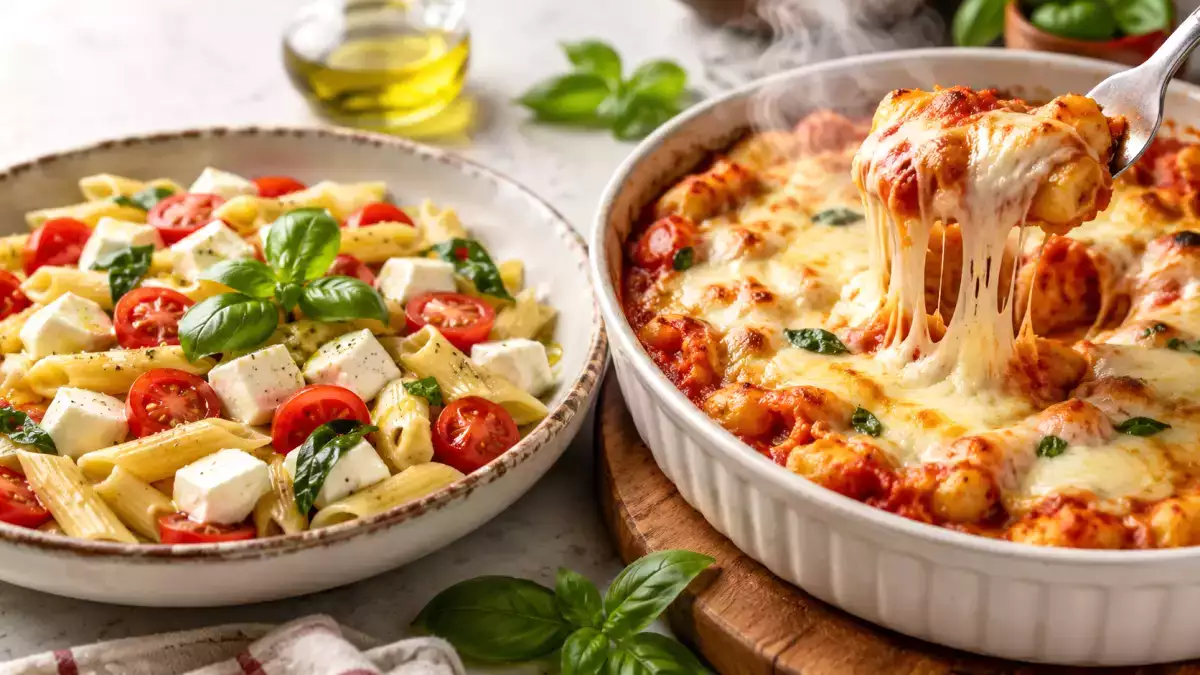
Raw mozzarella in pasta dishes: freshness, milk, and no rush
When should you add mozzarella to cold pasta?
It’s best to add it only when the pasta is cold or just lukewarm. If you add it while it’s piping hot, it risks releasing water and losing that milky texture that makes it so enjoyable .
To use it raw without ruining the dish:
- cut it into even cubes;
- let it drain in a colander for a few minutes;
- add it only at the very end;
- pair it with fresh ingredients like basil, cherry tomatoes, arugula, or pesto;
- avoid mixing it for too long with pasta that’s still hot.
That way, it stays soft and fresh and doesn’t turn the sauce into a little white puddle.
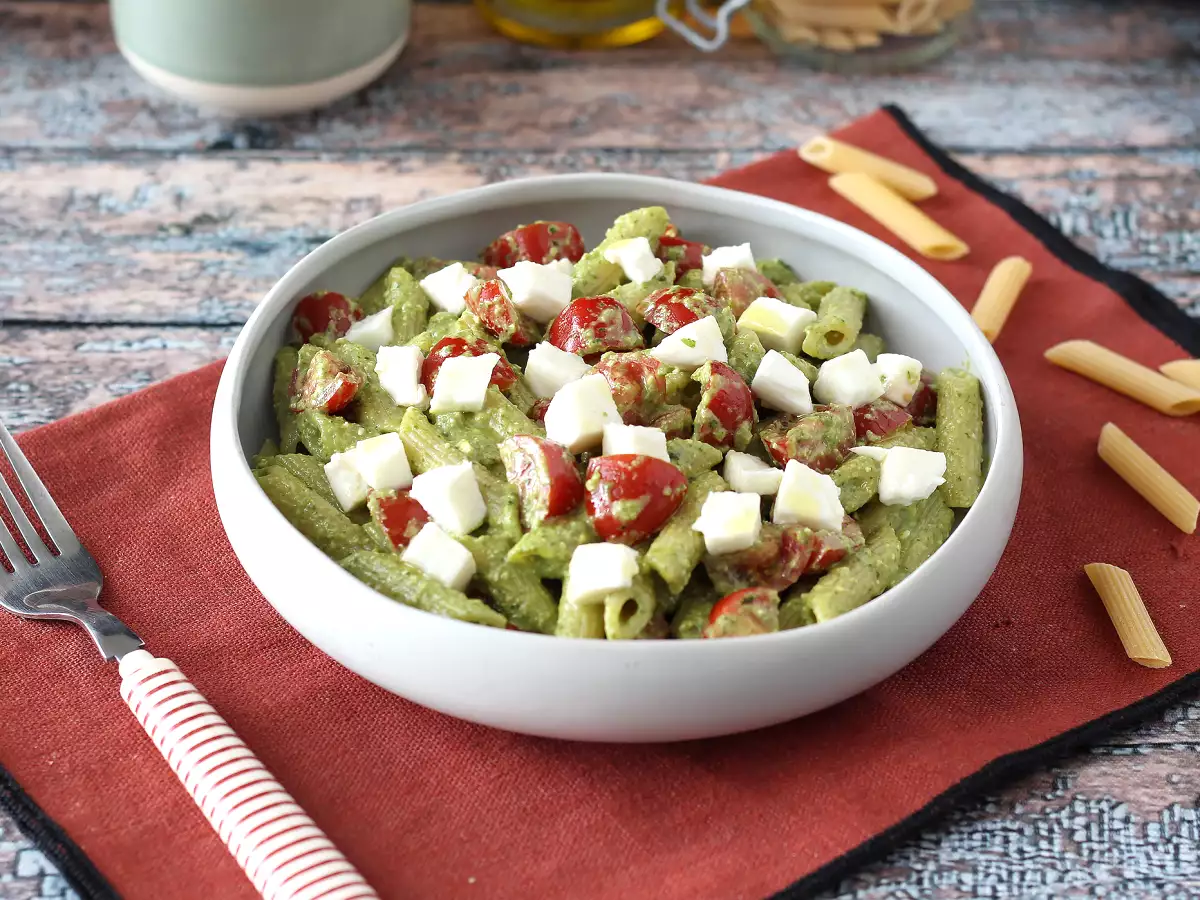
The first time I tried this cold pasta with arugula pesto, cherry tomatoes and mozzarella was during an impromptu lunch with friends in the middle of summer. Few ingredients , no desire to cook and the need for something fresh and tasty : the...
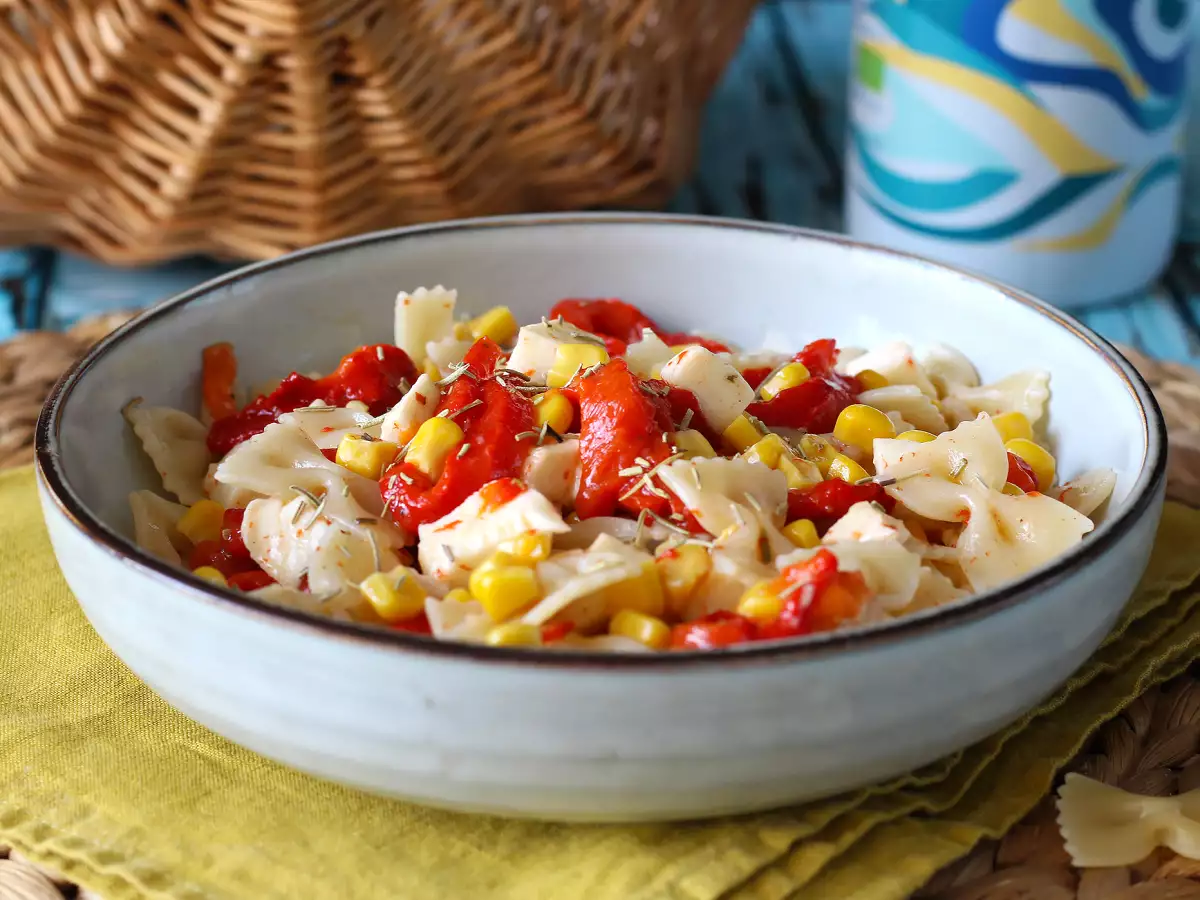
We had some ingredients in the refrigerator that we needed to use up quickly, and? look what came out: a tasty, nutritious and colorful cold pasta. We used peppers, mozzarella and corn to prepare it, then it was seasoned with extra virgin olive oil,...
Cooked mozzarella in pasta dishes: when you want that stringy texture
Should mozzarella go on top or inside when baking?
Inside,it creates a soft center; on top, it helps create a delicious topping. The key is not to use it when it’s too wet: mozzarella that’s just been drained can make the sauce runny and prevent it from browning properly.
Cooked mozzarella is perfect for:
- creamy baked pasta with a gratin topping;
- gnocchi alla sorrentina;
- lasagna with vegetables, fish, or cured meats;
- pasta timbales and casseroles;
- hot pasta dishes with tomato sauce.
A practical tip? Add it in well-drained cubes and don’t cook it for too long: it should melt, not become rubbery.
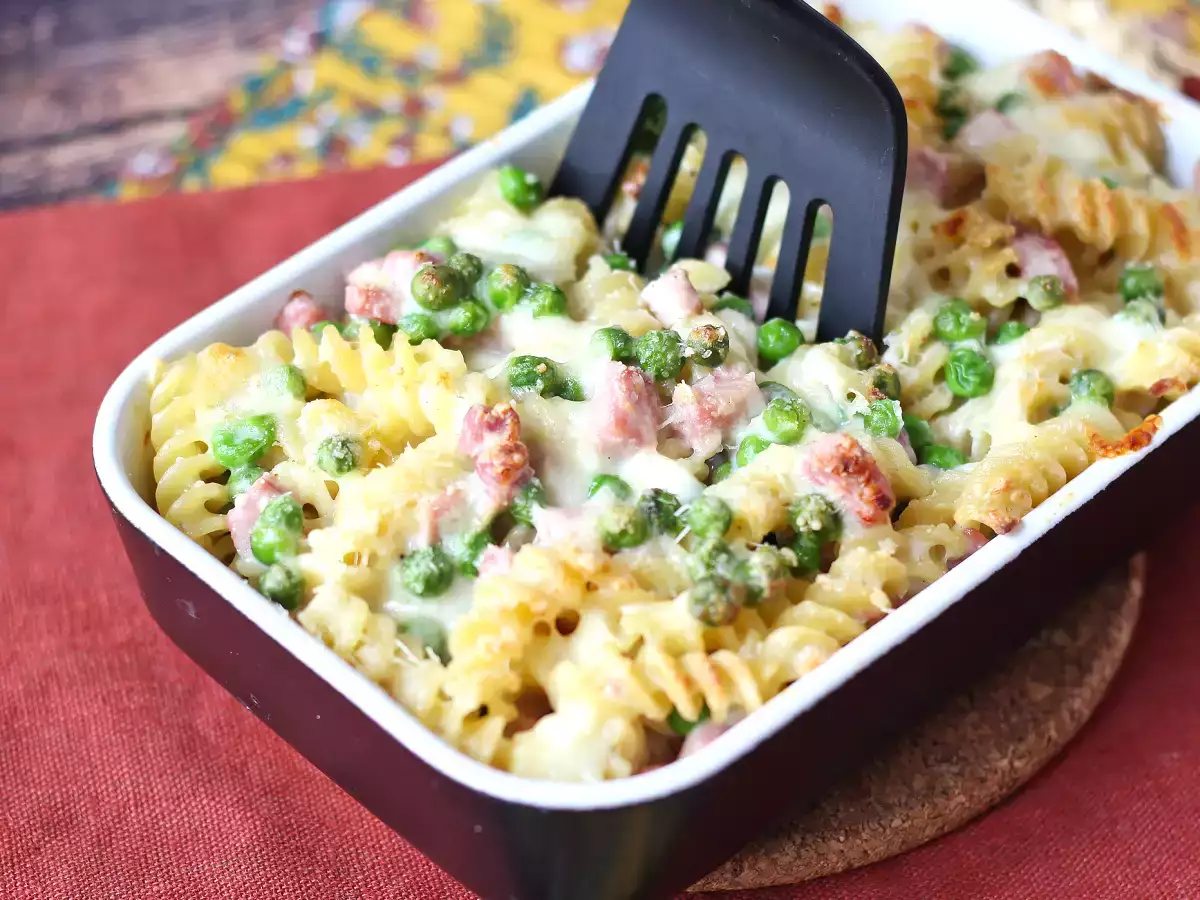
Baked pasta with peas and ham is a comforting Italian classic. This creamy dish stands out for its rich texture, combining velvety and creamy béchamel sauce with melted stringy mozzarella cheese , all finished with a delicious parmesan gratin...
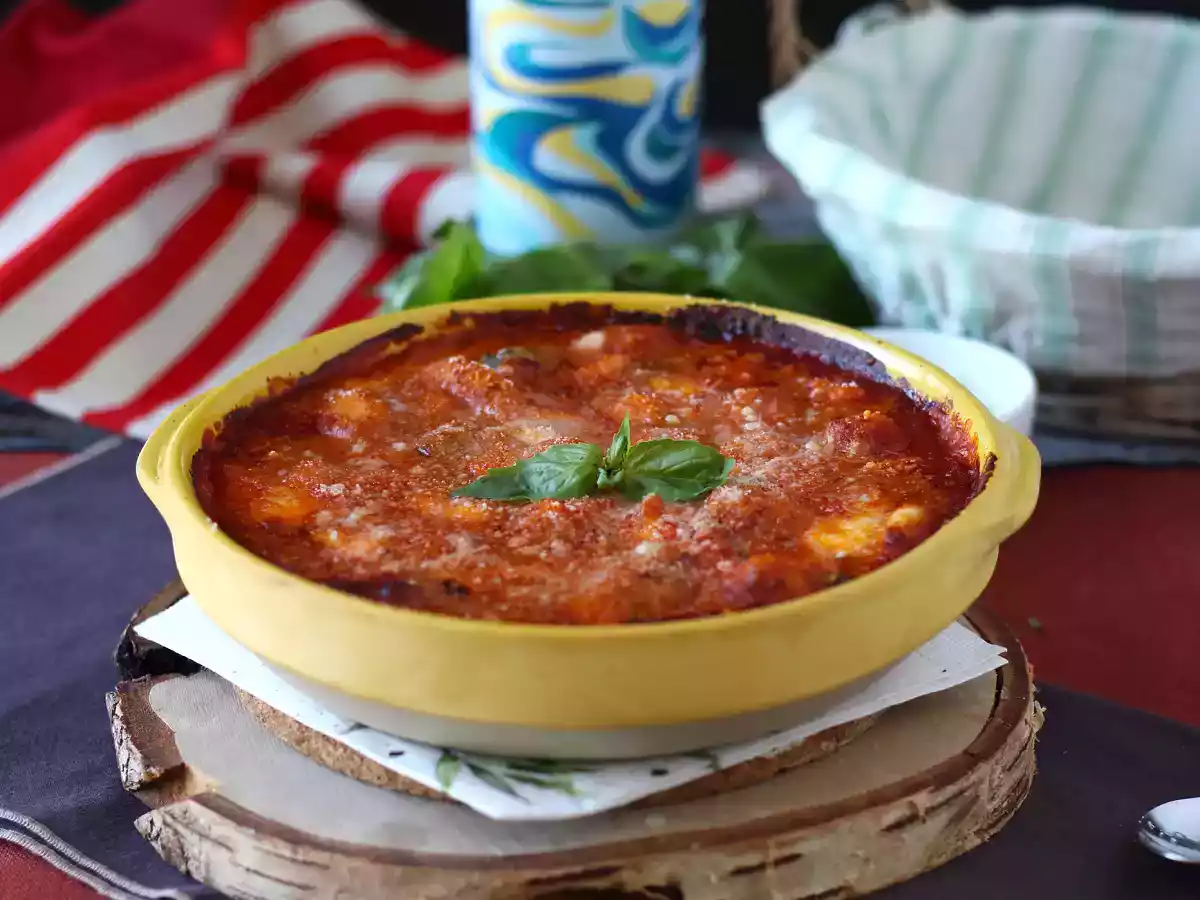
If you're looking for an ultra-comforting dish that's super easy to make, you've come to the right place! Today, we're treating ourselves to a tomato and mozzarella gnocchi gratin , also known as gnocchi alla sorrentina . Just imagine:...
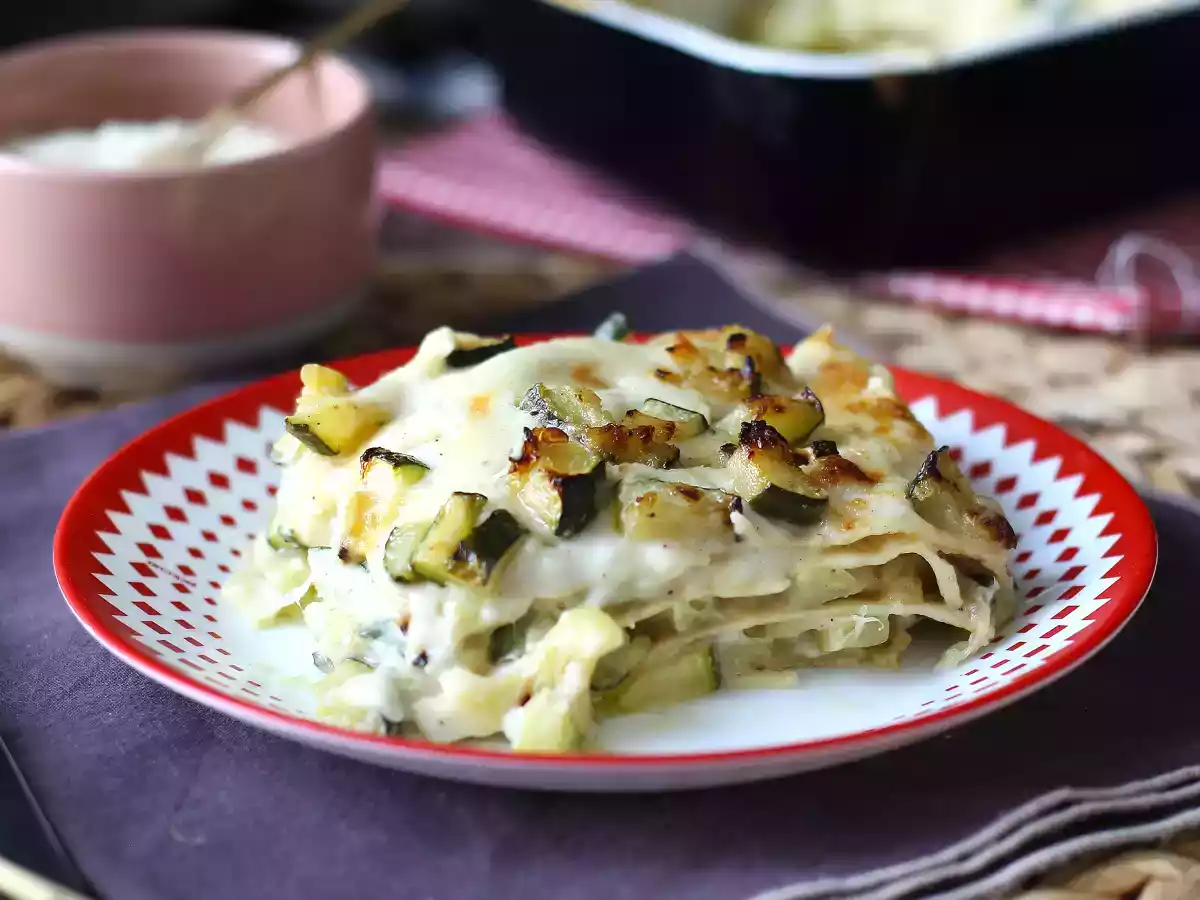
Want to bring a tasty meal to the table ? Zucchini lasagna is the perfect solution for those looking for a vegetarian alternative to classic lasagna. Easy to prepare and full of flavor , this lasagna will win the palate of the whole family....
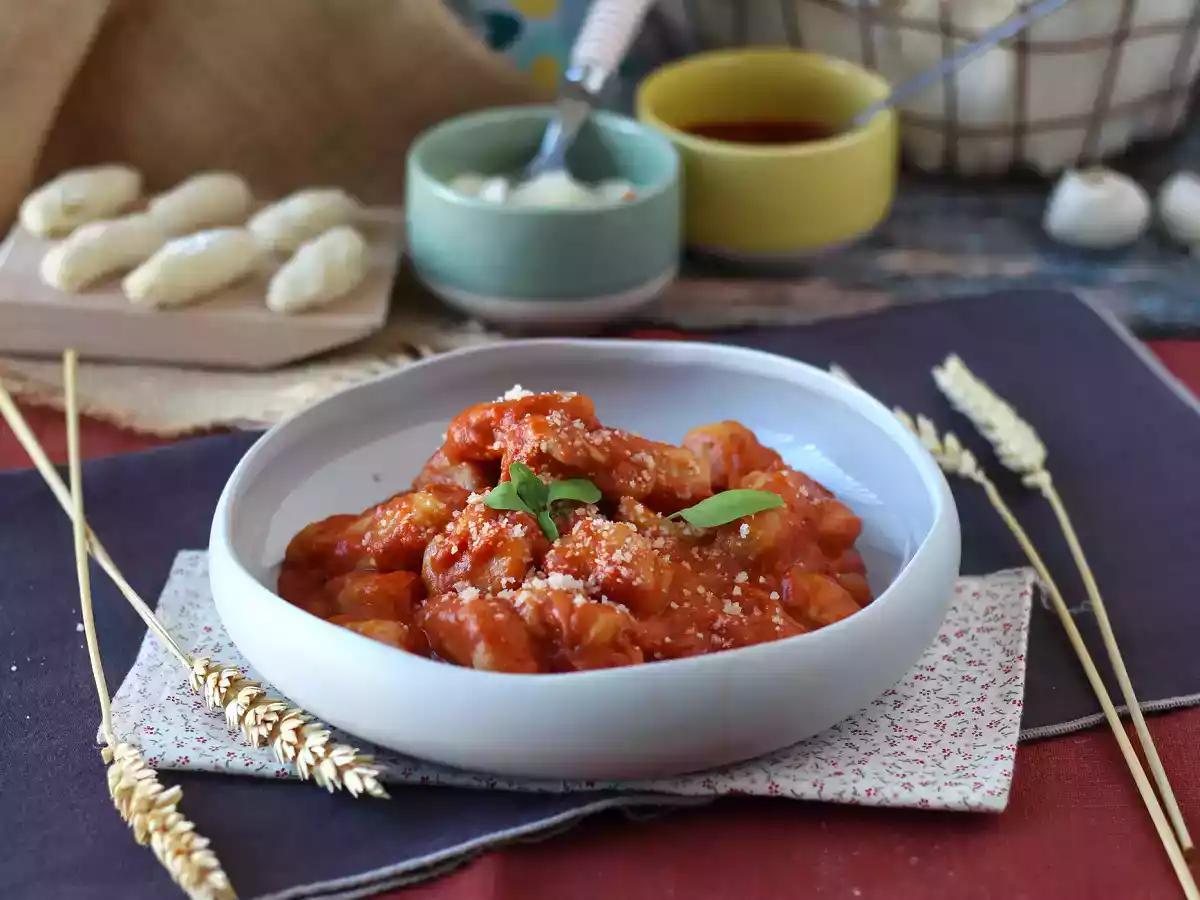
Today, let's cook a classic of Italian cuisine . A delicious, ultra-soft and comforting gnocchi recipe: Gnocchi alla sorrentina ! This traditional vegetarian recipe is normally oven baked like a gratin, but we offer you a super easy version to...
Cubes, strips, or large pieces? Even the cut affects the result
Small cubes distribute evenly and are ideal for cold pasta dishes, since they ensure you get a bit of mozzarella in every forkful. Thin strips, on the other hand, melt quickly and are useful when you want to create a stringy effect without completely masking the flavor of the sauce. Larger pieces create soft, creamy pockets, but require careful cooking to ensure they don’t remain cold in the center.
Which cut should you choose?
- small cubes: for cold pasta, pasta salads, and light sauces;
- thin strips: for quickly browning the surface;
- medium cubes: for gnocchi, timbales, and baked pasta;
- larger pieces: for creating a soft center in lasagna or casseroles;
- coarsely chopped mozzarella: to distribute it without forming a layer that’s too dense.
A uniform cut also helps control the cooking process: the mozzarella melts evenly, and the dish looks and tastes more polished. It’s a simple detail, but it can transform a baking dish with dry spots and overly loaded areas into a balanced pasta dish that’s a pleasure to serve.
Why does the mozzarella get watery in pasta?
To avoid this, do the following:
- Cut the mozzarella before using it;
- let it drain in a colander;
- pat it dry if it’s very wet;
- add it at the end to cold dishes;
- in casseroles and baked pasta dishes, distribute it sparingly;
- Choose pizza mozzarella or dry fiordilatte when you want a firmer texture.
Can you cook mozzarella in pasta without making it rubbery?
Yes, just don’t overcook it: use the right heat, cook it briefly, and make sure the mozzarella is well-drained.
Raw or cooked mozzarella: the right choice depends on the dish
 Leandra Masha
Comments