Spinach recipes: 6 dishes to go around the world
There are ingredients that have been unfairly labeled for years. Spinach, for example: for some, it has been "the vegetable of the moment"; for others, a quick resource, a wild card that ends up in an omelette or in a stir-fry when there is nothing else. But it is enough to see how they are cooked outside our borders to understand that their role is much more interesting.
If you feel like leaving the classic stir-fry, here are six ideas, from Italy to Greece, with stops in France, Turkey, Spain and India, to travel without leaving the kitchen. The most important thing is that, despite the exotic nature of these recipes, they can be easily reproduced at home as they do not require sophisticated techniques or ingredients.
Spinach Börek - Turkey
Born in the Ottoman world, börek turns a very thin filo dough into a most attractive and appetizing recipe. The dough is filled, rolled, and often arranged in a spiral before baking, so that when cut, the twists appear as rings. The most recognizable filling is spinach with salty feta cheese and, depending on the hand, a touch of dill or chives. The addictive thing is the contrast: golden crunch on the outside, juicy and slightly acid inside.
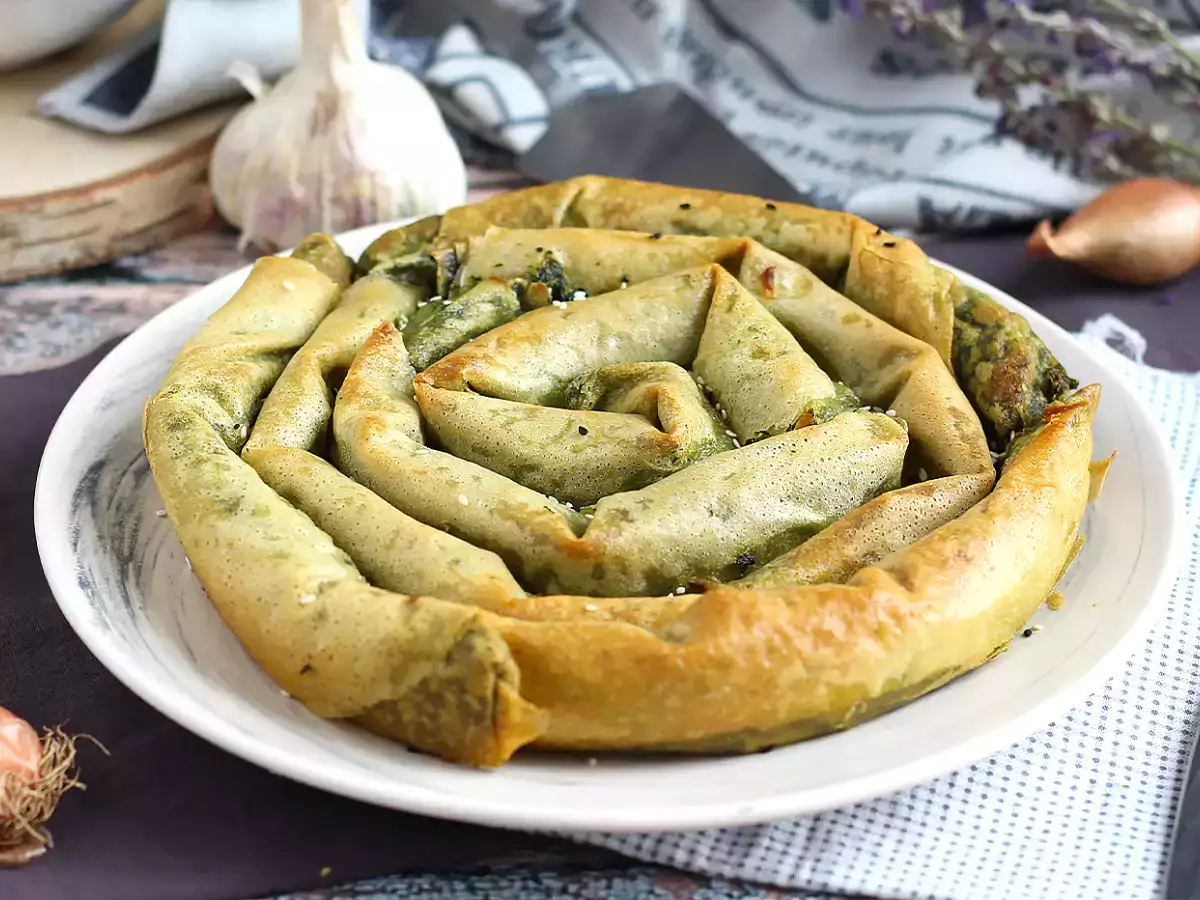
Explore the culinary treasures of the Middle East with this delicious Börek recipe! A crispy filo pastry filled with juicy spinach and feta cheese, perfect for a vegetarian meal. This easy recipe can be adapted to your taste. Follow our detailed...
Chickpea and spinach malai kofta - India
In Indian cuisine, spinach (palak) is not treated as a garnish: it is integrated, spiced and becomes part of the body of the dish. In this version, it is mixed with chickpeas to form koftas (vegetable balls), which are then served in a creamy, fragrant sauce. The result is a very palatable dish that invites you to grab some bread (better if it is a naan or chapati) to squeeze out every last drop.
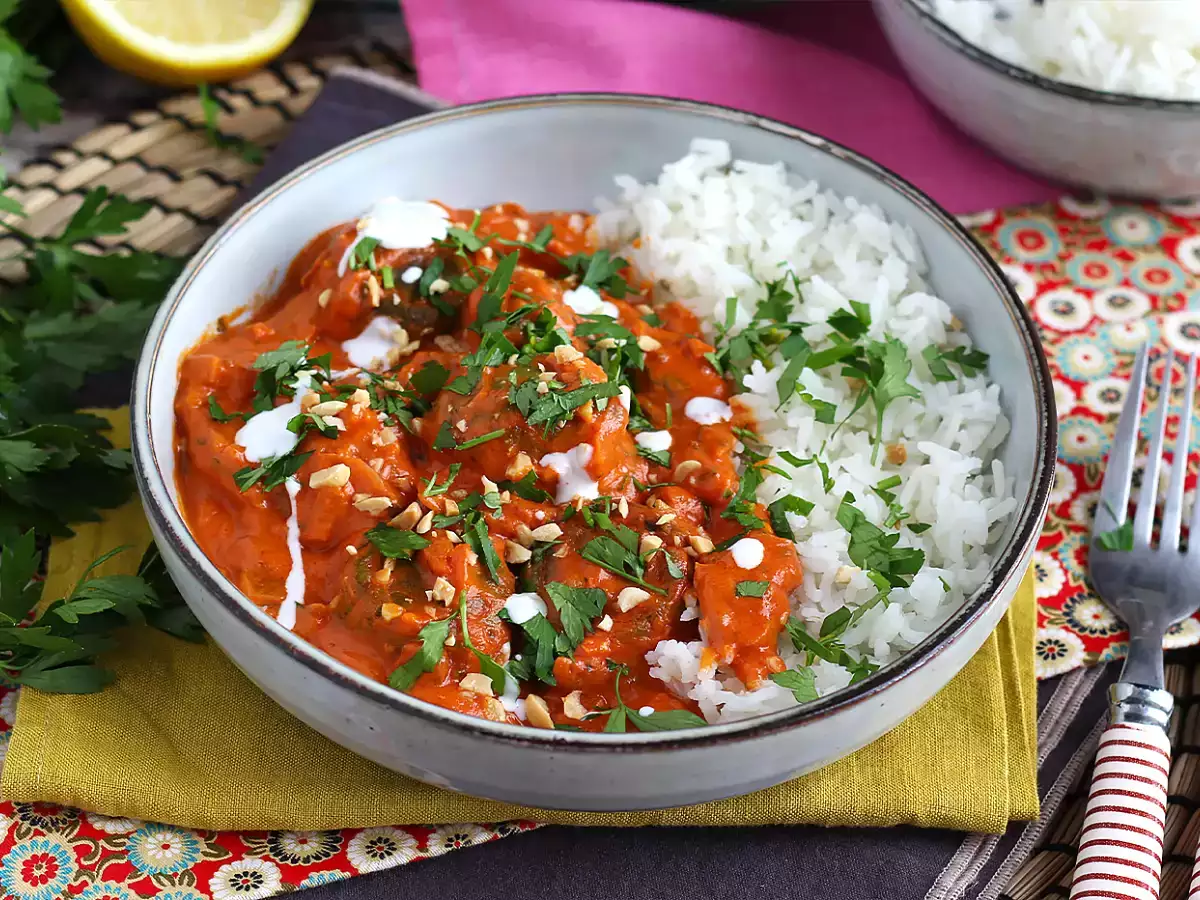
Today we bring you a vegan version of one of the most popular dishes in India: Malai Kofta (balls in sauce). Since we sometimes struggle to eat legumes, at Petitchef we try to cook them in every possible way. These chickpea and spinach balls served...
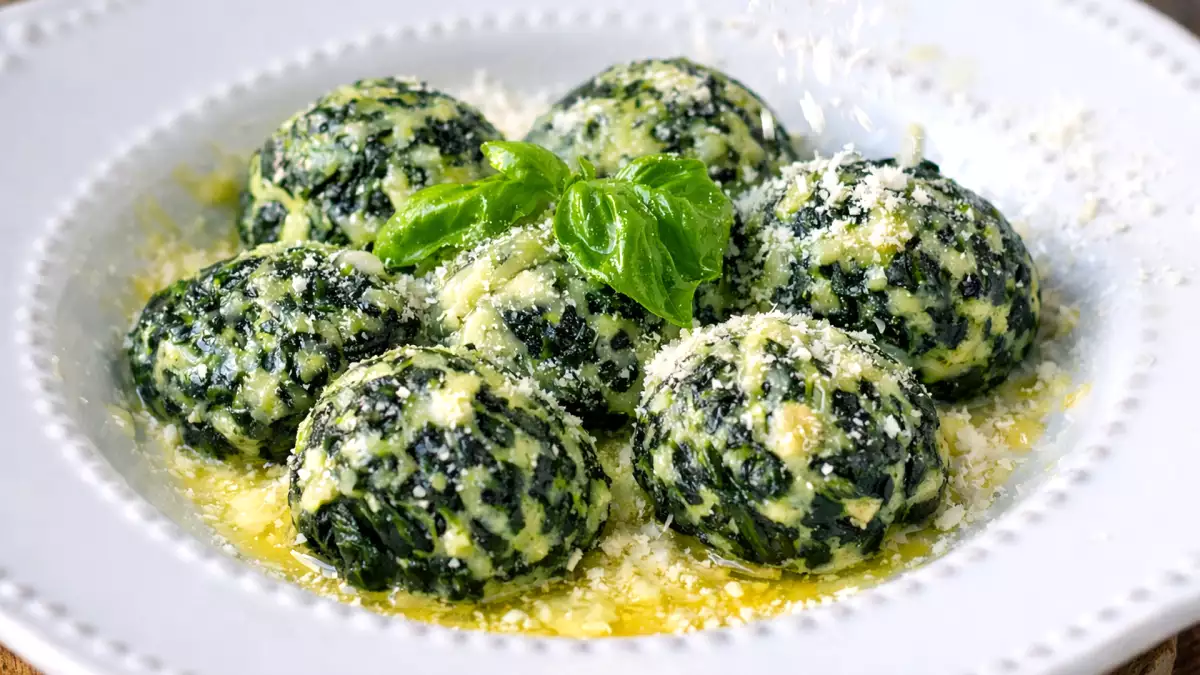
Spinach and ricotta malfatti - Italy
In Italy, where even the improvised usually has a name, malfatti (which literally means "badly made") are a kind of informal cousin of gnocchi: tender balls, deliberately imperfect in appearance and texture, prepared with spinach and ricotta, sometimes with a little flour or semolina just to give structure. It is a simple dish, but you can tell when the ricotta is good and the spinach is well drained: everything is lighter and thinner. The interesting thing here is not perfection, but the opposite: that rustic softness that admits butter and sage, tomato, or a discreet sprinkle of Parmesan.
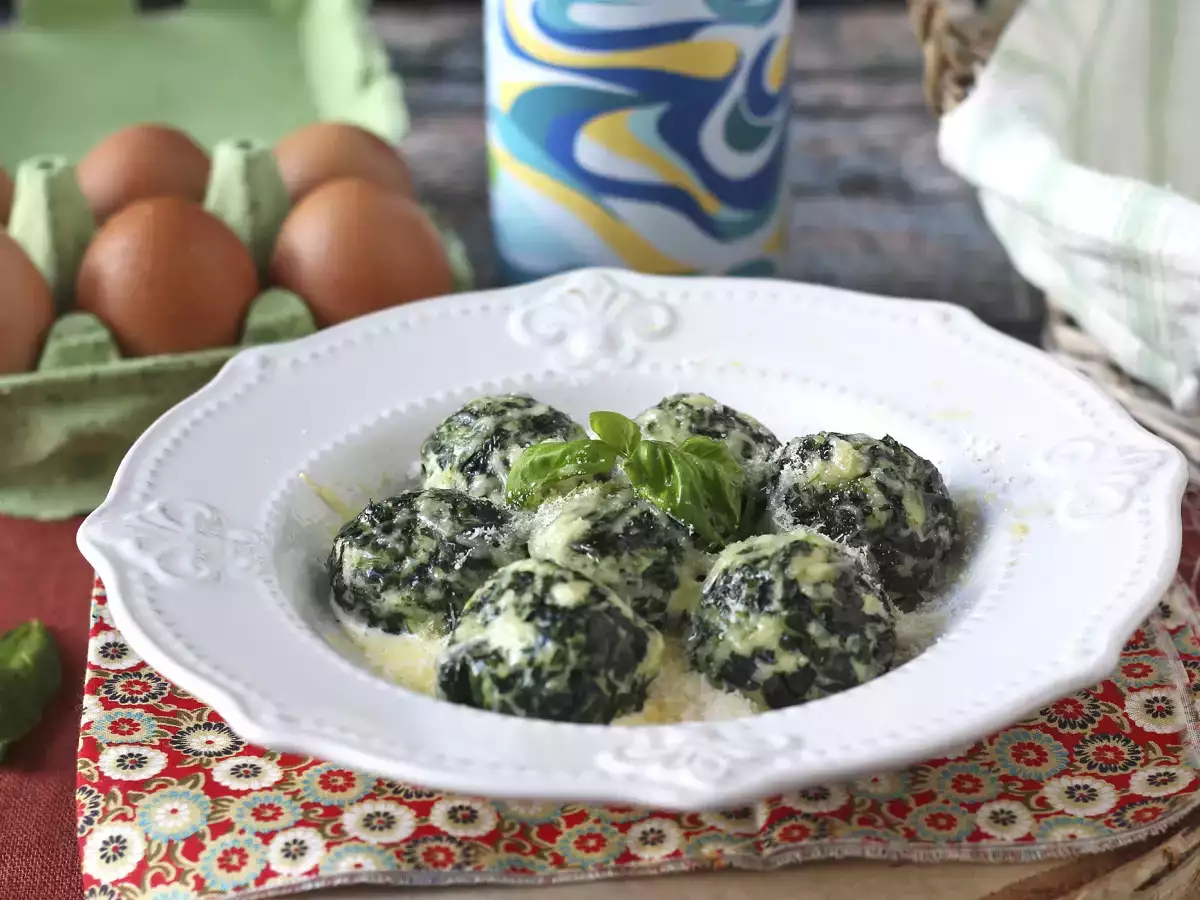
If you've ever wanted to make homemade pasta but the idea of kneading intimidates you, malfatti are the answer you've been waiting for. These little Italian bites, similar to gnocchis , are a real no-fuss treat. Their name literally means "badly...
Spinach quiche - France
Quiche is practical elegance in the form of a savory tartlet: a dough, usually puff pastry, filled with eggs and cream (or milk, depending on the house) to which you then add (almost) any ingredient you have at home. The quiche accepts mushrooms, bacon, leek and salmon... With spinach it works especially well because it balances the creaminess of the filling with a clean and slightly sweet vegetable flavor. Then you can round it off with some cheese (comté, emmental, goat), poached onion or even a touch of nutmeg. It is a very grateful dish that improves with rest, freezes beautifully and is enjoyed equally well warm or cold.
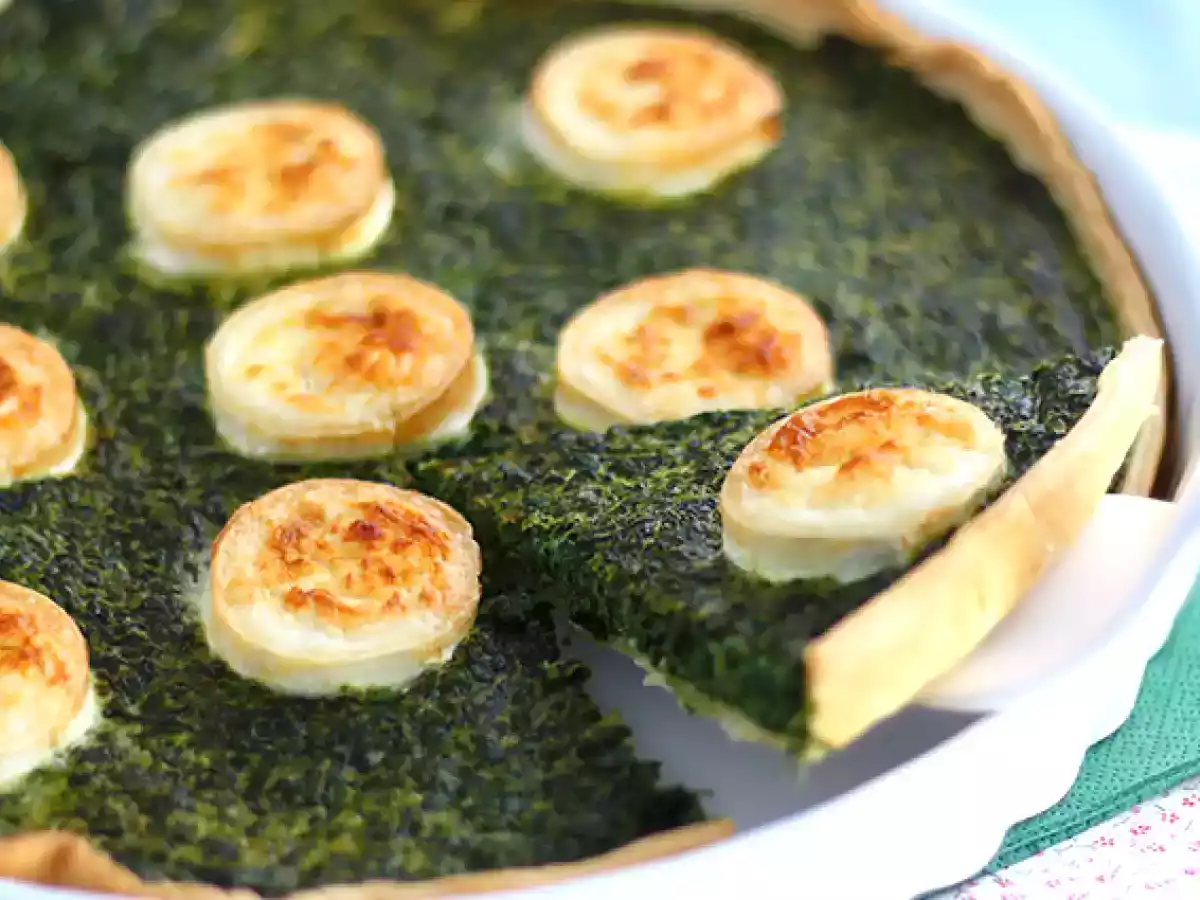
For a simple and effective meal, choose the quiche option! Here, we offer a vegetarian version filled with spinach and goat cheese. It's a great way to get kids (and the more reluctant ones!) to eat their vegetables through an easy recipe and a...
Chickpea and spinach stew - Spain
Chickpea and spinach stew is a dish that proves (like so many others in Spanish gastronomy) that humble cooking can be sophisticated and tremendously comforting. Chickpeas, spinach and a sofrito or majao with paprika (sometimes cumin, sometimes fried bread or almonds to thicken) form a recognizable base in many homes. This is a recipe especially linked to Easter, although no one needs a calendar to enjoy a good spoon dish. Spinach plays a fundamental role here, acting as a vegetable counterpoint to the mellowness of the legume. The dish is usually finished by adding hard-boiled egg or cod, although it is not strictly necessary.
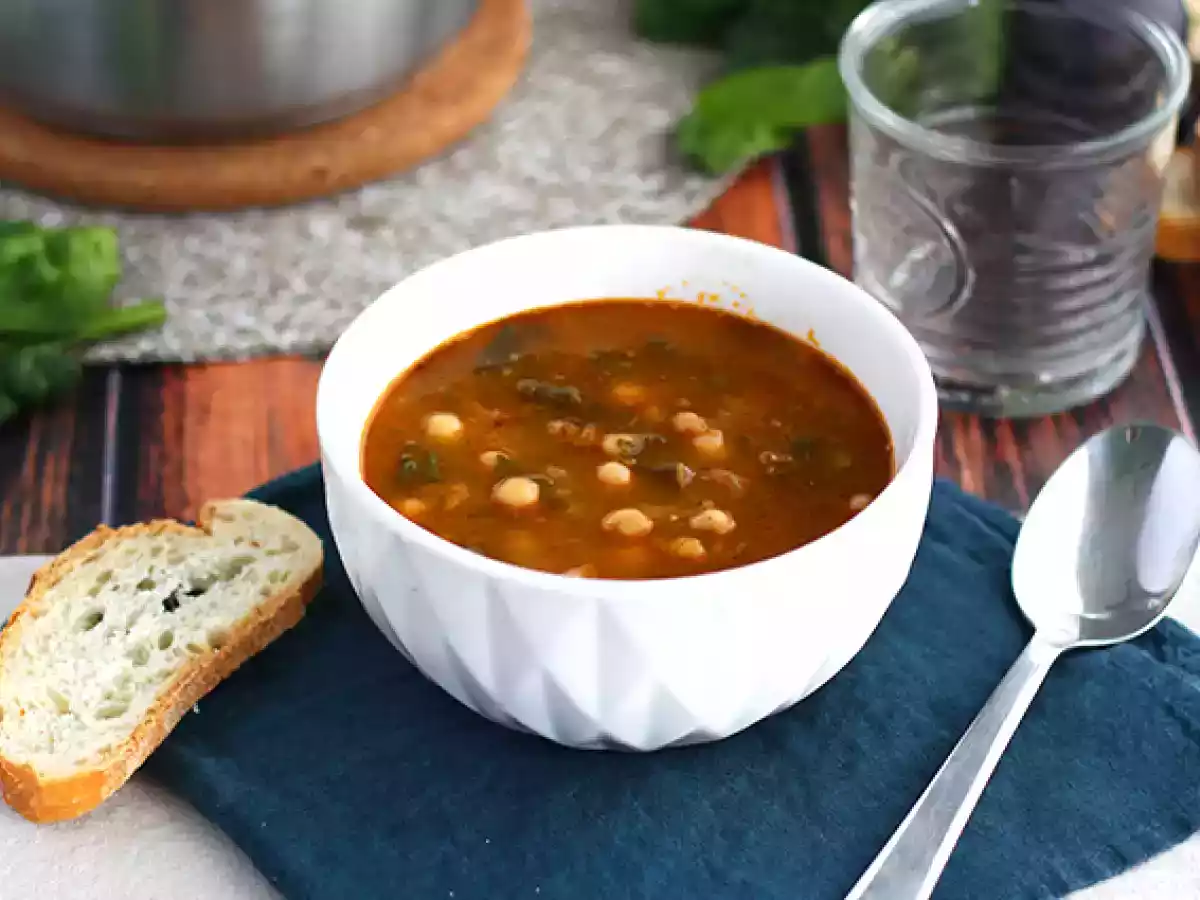
For an easy-to-make recipe that warms you up on chilly days, choose this soup! With the addition of chickpeas and spinach, it will be hearty and balanced while being simple! A great trick when you want to get kids (or adults ;-) ) to eat their veggies!
Spanakopita - Greece
Spanakopita is, for many, the great Mediterranean spinach recipe: layers of filo dough filled with spinach, feta and herbs (dill, chives, parsley... each house has its own mix). It is presented as a golden pastry of very thin layers of dough that break when cut, and that keep inside a green, moist and fragrant filling. The spinach is mixed with feta cheese, which adds saltiness and a milky touch, and with fresh herbs reminiscent of the garden. When you eat it, you first notice the light crunch of the dough and then a soft, fresh and slightly acidic interior. It is neither heavy nor forceful: it is balanced, aromatic and very Mediterranean. It can be eaten hot or warm.
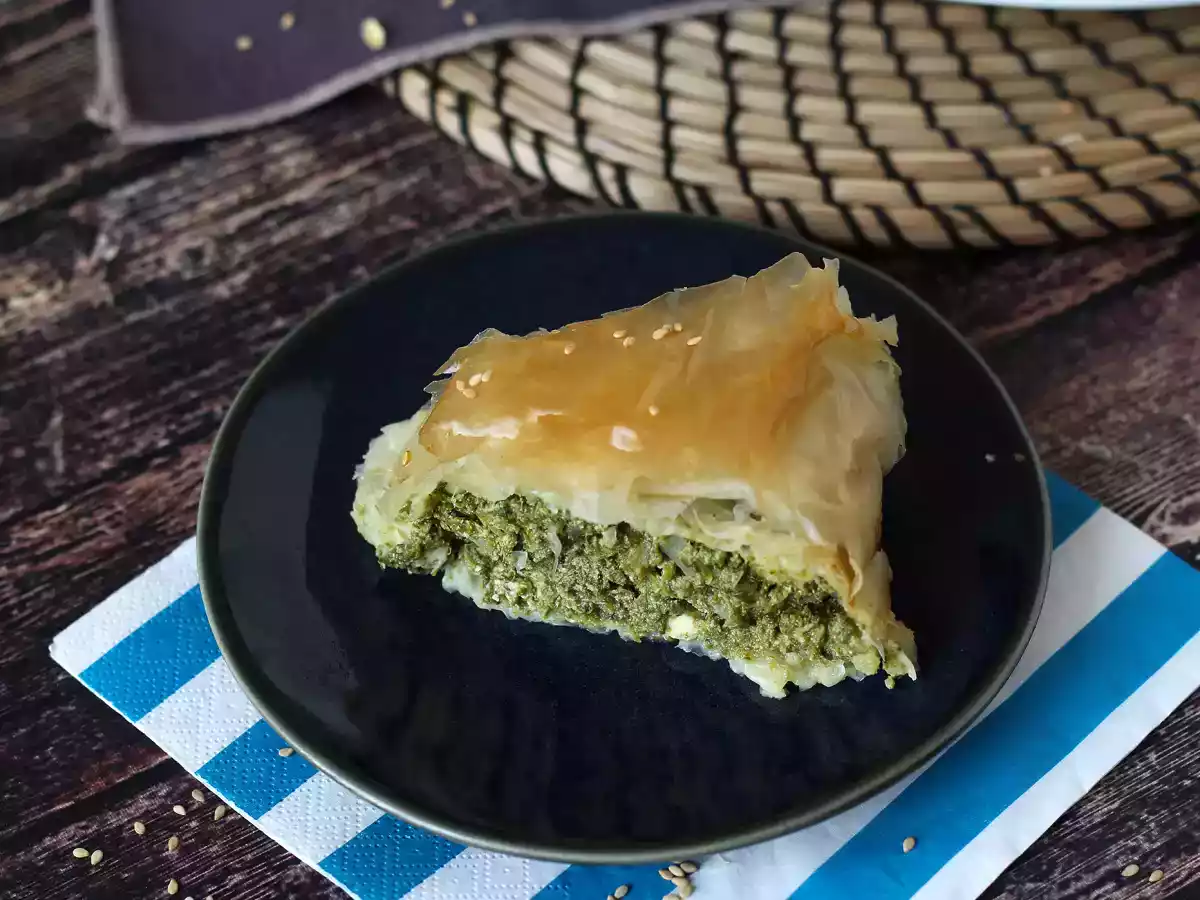
Mediterranean cuisine is full of tasty and sunny recipes and today we are heading to Greece to discover a new specialty: Spanakopita ! This vegetarian spinach and feta pie will make the whole family love vegetables, a perfect mix between the...
6 ways to travel with spinach
In the end, these six recipes all tell the same story with different accents: when you treat it right, spinach stops being a bland afterthought and turns into something you actually crave. One day it crackles inside layers of crisp phyllo, another it melts into a cozy spoonful of chickpea stew, another it blends with cheese and becomes a delicate little bite.
Pick your destination, tie on your apron, and let your palate do the traveling.
 Patricia González
Comments