Surprising changes you may notice in your body after eating sardines twice a week: what to expect
Tuesday 15 September 2026 15:30 - Mirella Mendonça
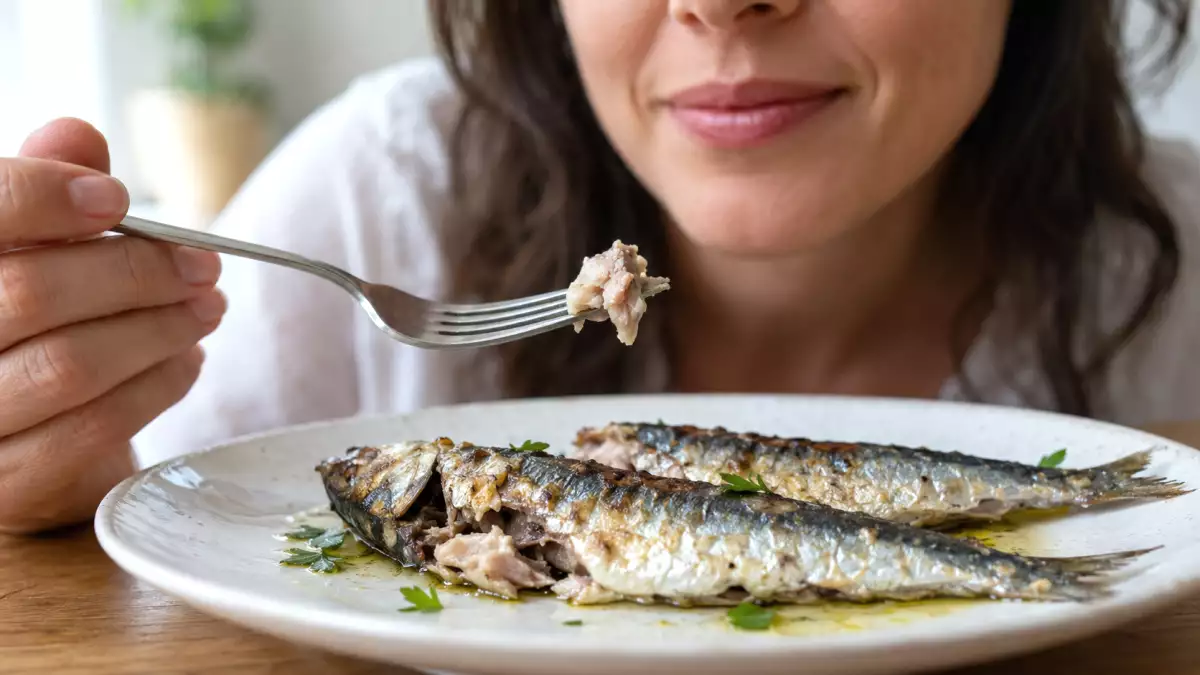
It's an easy way to increase your omega-3 intake
When eating sardines twice a week, one of the most important changes is an increase in omega-3 intake, especially EPA and DHA—fats associated with cardiovascular health and the body’s proper functioning.
Sardines are considered a fatty fish, but in a good way: their fat is rich in compounds that help balance the diet, especially when they replace fattier meats, processed meats, or ultra-processed meals.
This doesn’t mean there’s an immediate or miraculous effect. The benefits emerge as part of a consistent eating pattern, with more fresh foods, less excess salt, and higher-quality fats.
Sardines are considered a fatty fish, but in a good way: their fat is rich in compounds that help balance the diet, especially when they replace fattier meats, processed meats, or ultra-processed meals.
This doesn’t mean there’s an immediate or miraculous effect. The benefits emerge as part of a consistent eating pattern, with more fresh foods, less excess salt, and higher-quality fats.
The heart may be one of the biggest beneficiaries
Including fatty fish in your diet twice a week is a common recommendation in healthy eating guidelines. In the case of sardines, the focus is on omega-3 fatty acids, which can contribute to heart health when part of a balanced diet.
In practice, replacing a few meals high in saturated fat with sardines can help improve your overall dietary profile. The body receives high-quality protein, healthy fats, and important minerals without relying on heavier cuts of meat.
To maximize this benefit, opt for simple preparations: baked, grilled, boiled, or low-sodium canned sardines.
In practice, replacing a few meals high in saturated fat with sardines can help improve your overall dietary profile. The body receives high-quality protein, healthy fats, and important minerals without relying on heavier cuts of meat.
To maximize this benefit, opt for simple preparations: baked, grilled, boiled, or low-sodium canned sardines.
You feel fuller
Sardines are rich in protein, a nutrient that helps you feel full longer after meals. That’s why eating sardines twice a week can make your lunch or dinner more satisfying and reduce the urge to snack shortly afterward.
This effect is even greater when sardines are paired with vegetables, leafy greens, whole grains, or root vegetables. This way, the dish combines protein, fiber, healthy fats, and micronutrients.
For those seeking a more balanced diet, this is one of the strengths of sardines: they’re simple, convenient, and packed with nutrients in a small serving.
This effect is even greater when sardines are paired with vegetables, leafy greens, whole grains, or root vegetables. This way, the dish combines protein, fiber, healthy fats, and micronutrients.
For those seeking a more balanced diet, this is one of the strengths of sardines: they’re simple, convenient, and packed with nutrients in a small serving.
Bones and teeth get a significant boost
When eaten with soft bones—as is the case with many canned varieties—sardines provide calcium, a mineral essential for bones and teeth. They can also contribute vitamin D, which helps the body utilize calcium.
This combination makes sardines an attractive option for people who don’t consume many dairy products or who are looking to diversify their dietary sources of minerals.
Please note: This is not a substitute for medical supervision in cases of osteopenia, osteoporosis, vitamin D deficiency, or other bone conditions. Sardines are a helpful dietary addition, but they are not a standalone treatment.
This combination makes sardines an attractive option for people who don’t consume many dairy products or who are looking to diversify their dietary sources of minerals.
Please note: This is not a substitute for medical supervision in cases of osteopenia, osteoporosis, vitamin D deficiency, or other bone conditions. Sardines are a helpful dietary addition, but they are not a standalone treatment.
The nervous system and energy also play a role
Sardines are a source of vitamin B12, an important nutrient for the nervous system and for the proper formation of blood cells. When the diet is low in B12, problems may arise that require professional evaluation.
For those who eat animal-based foods, sardines can be a practical way to diversify their sources of this vitamin. They also provide selenium and other minerals that play a role in antioxidant and metabolic functions.
The result isn’t “more energy” overnight, but a diet richer in essential nutrients can contribute to the body’s proper functioning over time.
For those who eat animal-based foods, sardines can be a practical way to diversify their sources of this vitamin. They also provide selenium and other minerals that play a role in antioxidant and metabolic functions.
The result isn’t “more energy” overnight, but a diet richer in essential nutrients can contribute to the body’s proper functioning over time.
It may be a choice that raises fewer concerns about mercury
Because sardines are small fish with a short life cycle, they are generally among the options with the lowest mercury content when compared to large predatory fish, such as sharks, swordfish, and some types of tuna.
This makes sardines an attractive choice for regular consumption within the recommended portions. However, pregnant women, nursing mothers, children, and people with specific medical conditions should follow professional recommendations regarding the frequency and types of fish they eat.
This makes sardines an attractive choice for regular consumption within the recommended portions. However, pregnant women, nursing mothers, children, and people with specific medical conditions should follow professional recommendations regarding the frequency and types of fish they eat.
Be mindful of the sodium content in canned versions
Canned sardines are convenient, inexpensive, and nutritious, but some brands may be high in sodium. If you have high blood pressure, kidney disease, fluid retention, or have been advised to reduce your salt intake, read the label carefully.
Good strategies include choosing low-sodium varieties, draining the liquid from the can, and balancing the rest of the meal with whole foods, such as salads, vegetables, and grains.
Sardines packed in oil may also be higher in calories. They aren’t off-limits, but it’s worth considering portion size and how they fit into your overall diet.
Good strategies include choosing low-sodium varieties, draining the liquid from the can, and balancing the rest of the meal with whole foods, such as salads, vegetables, and grains.
Sardines packed in oil may also be higher in calories. They aren’t off-limits, but it’s worth considering portion size and how they fit into your overall diet.
How often is “twice a week” in practice?
A typical serving of cooked fish is about 85 g. For sardines, this can vary depending on the size of the fish or the drained weight of the can.
The most important thing is to focus on consistency: two meals with sardines per week can already improve the nutritional variety of your diet, especially if they replace options that are less nutritionally beneficial.
It’s not necessary to eat sardines every day. Variety remains essential: alternate with other fish, eggs, legumes, chicken, tofu, plain yogurt, nuts, and plenty of vegetables.
The most important thing is to focus on consistency: two meals with sardines per week can already improve the nutritional variety of your diet, especially if they replace options that are less nutritionally beneficial.
It’s not necessary to eat sardines every day. Variety remains essential: alternate with other fish, eggs, legumes, chicken, tofu, plain yogurt, nuts, and plenty of vegetables.
Who should be more careful
People with high blood pressure:
should monitor their sodium intake, especially in canned foods.
People with kidney disease:
should follow the guidance of a dietitian or doctor, as protein, sodium, phosphorus, and other nutrients may need to be monitored.
People with fish allergies:
should avoid sardines and any dishes that may be subject to cross-contamination.
Those taking anticoagulants or with specific medical conditions:
should consult a healthcare professional before making significant changes to their intake of fatty fish or omega-3 supplements.
should monitor their sodium intake, especially in canned foods.
People with kidney disease:
should follow the guidance of a dietitian or doctor, as protein, sodium, phosphorus, and other nutrients may need to be monitored.
People with fish allergies:
should avoid sardines and any dishes that may be subject to cross-contamination.
Those taking anticoagulants or with specific medical conditions:
should consult a healthcare professional before making significant changes to their intake of fatty fish or omega-3 supplements.
Conclusion: what changes in the body?
Eating sardines twice a week can improve the quality of your diet by increasing your intake of omega-3, protein, vitamin B12, calcium, vitamin D, and selenium.
In practice, your body receives nutrients that support your heart, muscles, bones, nervous system, and feelings of fullness. The best results come when sardines are part of a varied diet that’s low in ultra-processed foods, rich in good sources of fiber, and prepared simply.
Therefore, two servings per week can be a small, inexpensive, and very effective habit to make your meals more nutritious.
In practice, your body receives nutrients that support your heart, muscles, bones, nervous system, and feelings of fullness. The best results come when sardines are part of a varied diet that’s low in ultra-processed foods, rich in good sources of fiber, and prepared simply.
Therefore, two servings per week can be a small, inexpensive, and very effective habit to make your meals more nutritious.
 Mirella Mendonça
I am the editorial manager at Petitchef (Portugal and Brazil) and a huge enthusiast of travel and world cuisine, always in search of new flavors and experiences. However, as much as I love exploring the delights of different cultures, my mom's cooking will always be my favorite — with that unique flavor that only she can create.
Comments