The best way to store guacamole so it doesn't turn brown the next day
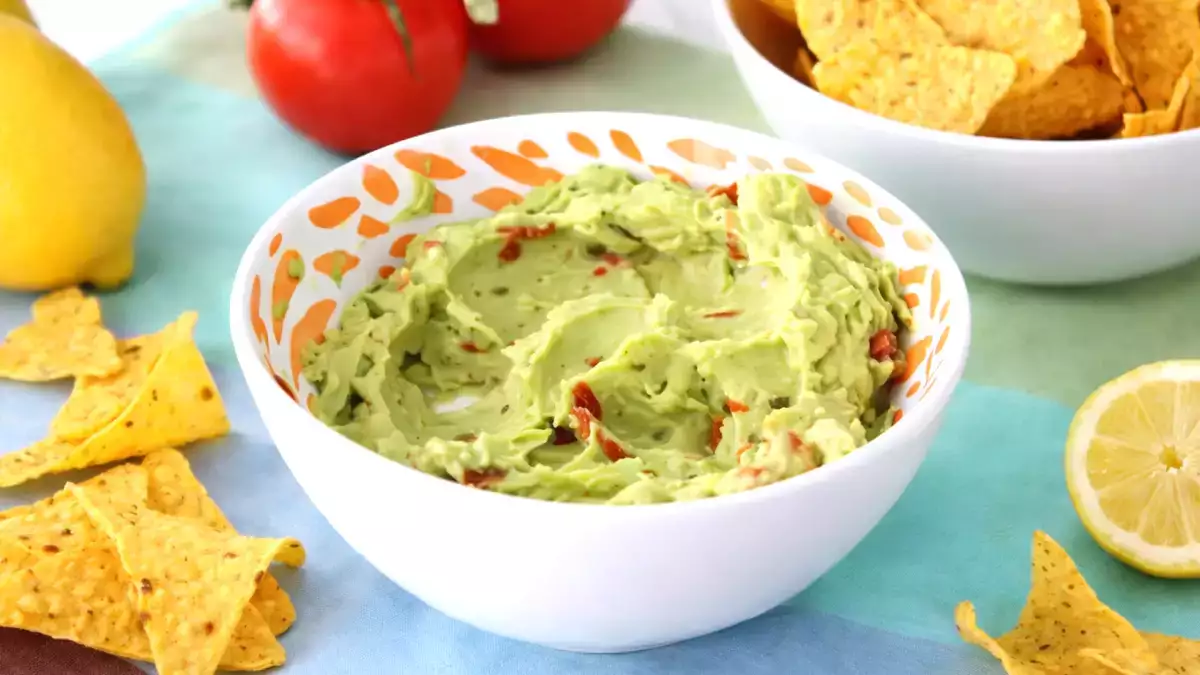
You nail a bowl of guacamole. The avocado is silky, the lime wakes it up, the onion and cilantro do their part and that bright green color is just begging for the first tortilla chip. You cover it, pop it in the fridge and enjoy that smug little feeling of having something good already sorted for later.
Until “later” actually arrives.
You open the container the next day and it’s not the same scene at all. The color is duller, that light brown film has appeared on top which doesn’t necessarily mean it’s spoiled, but definitely makes it less tempting. It’s a very common moment in any home kitchen and, precisely because it happens so often, one of those small annoyances worth understanding properly.
Because the issue isn’t making the guacamole. The real challenge is keeping it looking great a few hours later (or even two or three days later) without being forced to make it at the very last minute every single time.
The culprit is oxygen, not the refrigerator.
What happens to guacamole has a simple explanation. When the avocado is mashed and comes into contact with air, an enzymatic reaction is set in motion that ends up darkening the surface. It's no different than what happens to a cut apple or certain fruits when they are left exposed for too long.
That's why almost all preservation tricks start from the same idea: reduce contact with oxygen as much as possible.
For years, the most common advice has been to cover the guacamole with cling film, well stuck to the surface. The logic is impeccable. If air doesn't get in, the color should hold up better. And, in part, it does.
The film works, but not as well as it looks
For a short time frame, the film may be sufficient. If the guacamole is going to wait an hour or two before reaching the table, this barrier helps a lot. The problem arises when you are really trying to preserve it, not for a while, but when you want to prepare it during the day to serve it, for example, in the evening appetizer or even the next day.
The reason is simple: the surface of guacamole is never perfectly smooth. There are always small holes, grooves or unevenness where air can get trapped. And all it takes is the slightest pocket for oxidation to progress further. In addition, as the hours go by, any solid covering leaves room for air to find a crack.
Therein lies the limit of the method. It's not that it's useless; it's that it's useless for less time than many of us would like.
The most effective solution is not solid, but liquid.
When thinking about how to protect guacamole, it is natural to imagine a lid, a foil or a firm covering. However, what solves the problem best is just the opposite: a liquid coating.
It makes sense. A liquid can spread over the entire surface, seep into small irregularities and form a uniform film where plastic does not always fit. If you really want to isolate the guacamole from the air, a liquid barrier is much more effective.
But not just any liquid will do the job.
Citrus makes the difference
Water may help somewhat. Oil can also create a protective coating. But if there is one option that clearly stands out, it is lime or lemon juice.
The advantage is twofold. On the one hand, it forms a film on the surface and reduces direct contact with oxygen. On the other hand, its acidity acts in favor of color preservation, because it hinders the reaction that causes darkening. In addition, it provides natural antioxidants that reinforce this effect.
In other words, it not only covers: it also intervenes chemically. This is the key to the fact that it works better than other more intuitive solutions.
It's not about putting more lime in
However, it is important to clarify something important. Just because the lime helps preserve the color does not mean that large quantities should be added to the inside of the guacamole. Doing so can unbalance the flavor and make it too acidic. What works best is to reserve a small amount for the end and use it as a top layer. Mixed into the recipe it already fulfills its taste role, but placed on top it also acts as a shield against the air. And that difference matters much more than it seems.
How to store it well
The technique is simple. It is enough to transfer the guacamole to a bowl, compact it well with a spoon to expel the air and leave the surface as smooth as possible. Then pour over it a thin layer of lime or lemon juice, enough to cover it completely.
Then all that remains is to store it in the refrigerator. Before serving, the excess juice can be removed from the top or a small part can be mixed in, according to taste.
The result does not turn the guacamole into an eternal product, but it does allow it to keep a much fresher and more appetizing appearance for a longer period of time.
A small but useful trick
Freshly made guacamole will remain unbeatable. That doesn't change. But between eating it right away and resigning yourself to finding it brown the next day, there is room for improvement.
Covering it with a thin layer of lime juice is, nowadays, one of the most effective and simple ways to preserve it. It requires no equipment, does not complicate the recipe and allows you to get a little ahead of yourself without the color falling apart when you open the container. Sometimes, in the kitchen, that's enough.
Shall we put it into practice with this recipe?
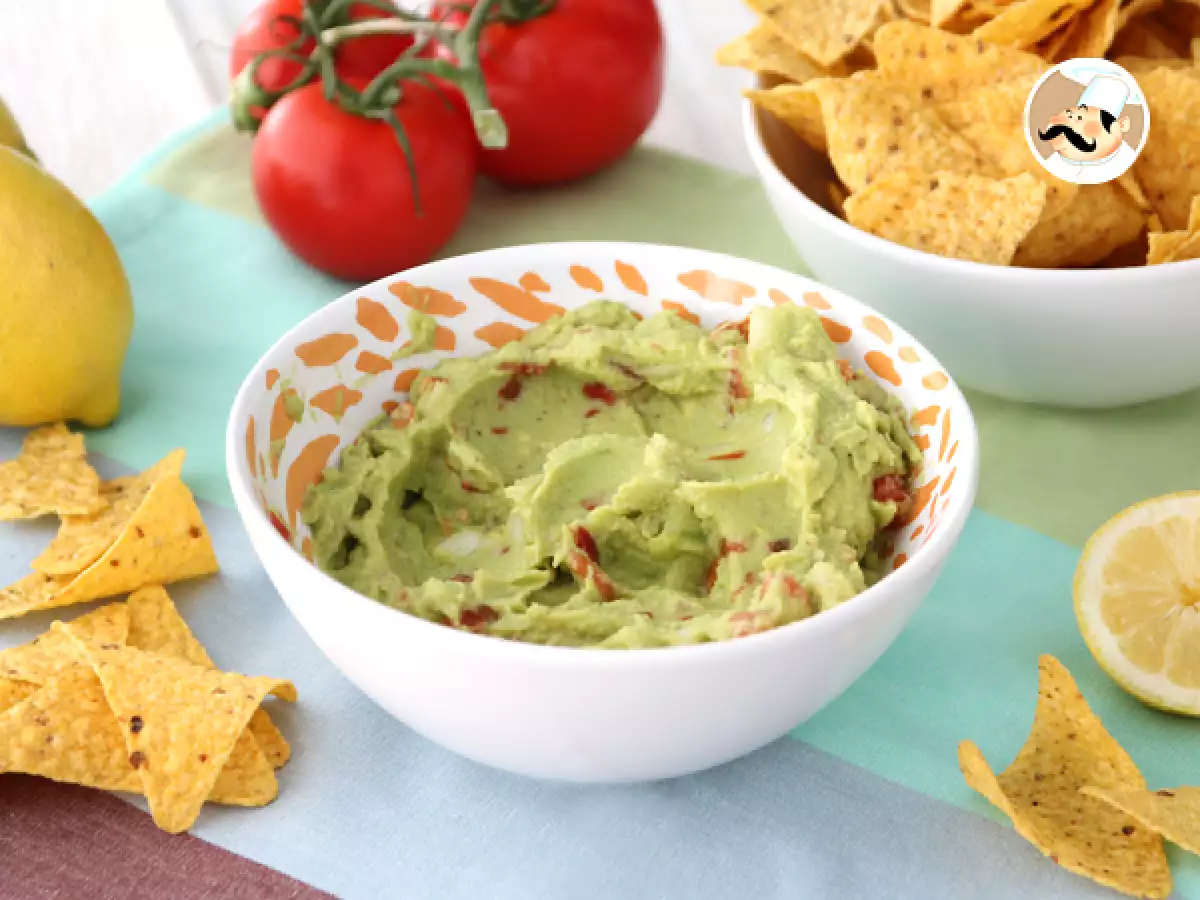
Want to get away from it all? How about a trip to Mexico ? If you can't afford the plane ticket, Ptitchef will take your taste buds on a trip with this delicious guacamole! Perfect as a starter or an appetizer with friends, this recipe's main...
 Patricia González
Comments