The mistake that makes the squid rubbery (and almost everyone makes)
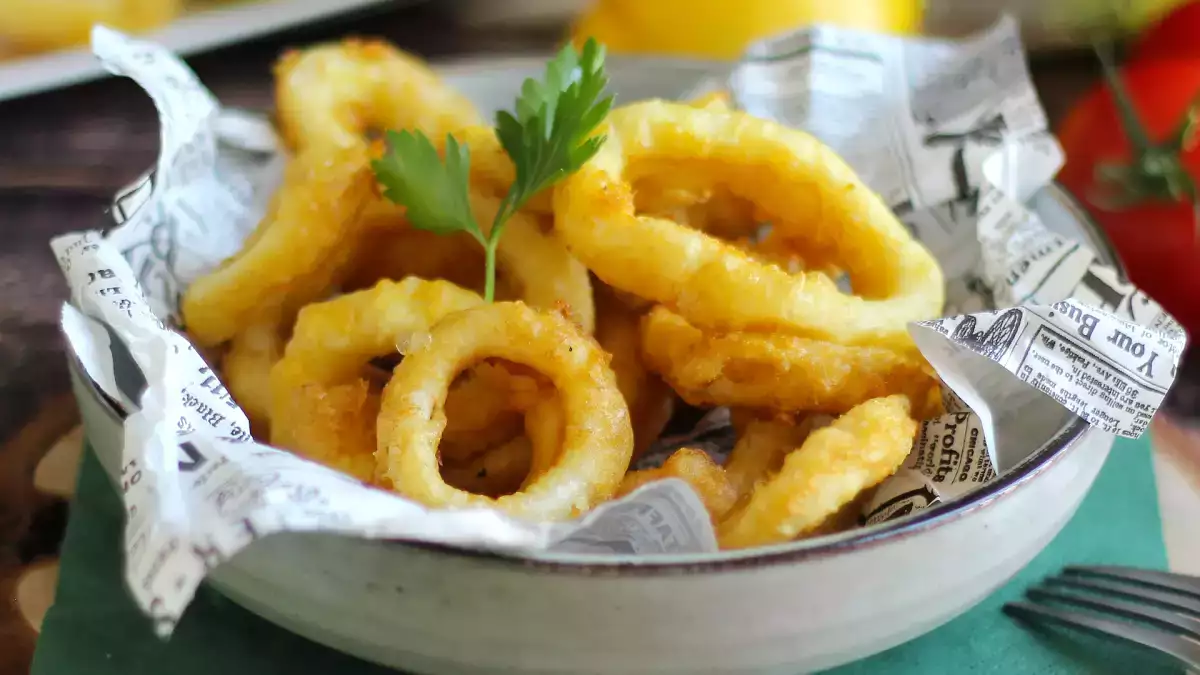
Squid may be one of the tastiest seafoods in the kitchen, but it's also one of the most frustrating for those who try to prepare it at home.
That's because many people have experienced the same situation: the recipe seems simple, the dish looks beautiful, but when it comes time to eat it, the texture is tough or it has that rubbery effect that nobody likes.
What few people know is that this almost never has anything to do with the quality of the squid or the recipe chosen. Most of the time, the problem lies in a very specific detail of the preparation: a common mistake that happens mainly during the cooking time. And the most curious thing is that it happens just when you're trying to "get it right".
The good news is that there is a simple rule used by many cooks that almost always solves this problem. By understanding how squid reacts to heat and adjusting the cooking time, it's possible to make the seafood much more tender and tasty, whether it's pan-fried or in a sauce.
The mistake almost everyone makes when cooking squid
Squid is rich in protein and has muscle fibers that react very quickly to heat. When it is left in the fire for too long, these fibers contract and harden, leaving the texture elastic and difficult to chew.
That's why the key is to understand that squid should be cooked in one of two ways: very quickly or for a long time.
Rule of thumb: 2 minutes or 30 minutes
Chefs usually follow a simple rule:
- Cook for up to 2 minutes
- Or cook for more than 30 minutes
Between these two times is when the squid tends to get tough.
When cooked quickly, it remains soft and juicy. When cooked for a long time, the fibers break down and become soft again.
How to cook soft squid in a pan
If the idea is to make grilled or sautéed squid, the preparation should be very quick.
Simple step by step:
- Heat a frying pan or saucepan well.
- Add a drizzle of olive oil.
- Add the cleaned and cut squid.
- Season with salt, garlic and lemon.
- Cook for no more than 1-2 minutes, stirring quickly.
It will change color and turn white almost instantly. After that, the risk of hardening increases.
Tip that makes a difference: dry well before cooking
One detail that many people overlook is the water on the surface of the squid. If it's too wet, it ends up cooking instead of grilling.
Before putting it in the pan, dry it well with a paper towel. This helps keep the texture soft and improves the flavor.
The long cooking trick
Another way to ensure tenderness is to use slow cooking, which is very common in sauces and stews.
In this case:
- cook for 40 to 60 minutes over low heat
- use tomato sauce, wine or stock
- leave the pot covered
Over time, the fibers break down and the squid becomes surprisingly tender.
Common mistake when frying squid rings
With the famous breaded squid rings, the problem usually occurs because they are fried in cold oil.
To make them soft on the inside and crispy on the outside:
- the oil must be very hot (350°F/180 °C)
- frying should only take 1 to 2 minutes
That way they don't get overcooked.
The trick used by many chefs
Some chefs also use a little trick before cooking:
- leaving the squid for 15 minutes in milk or lemon juice
This helps to soften the fibers and can make the result even more tender.
In the end, preparing tender squid is not difficult.
Just remember the most important rule: either cook too quickly or cook for long enough. By avoiding the time in between, the rubbery texture practically disappears.
And once you get the hang of it, squid becomes one of the easiest and most delicious seafoods to prepare at home
 Mirella Mendonça
Comments