The most aromatic stew in the world? These 5 tajine recipes might convince you
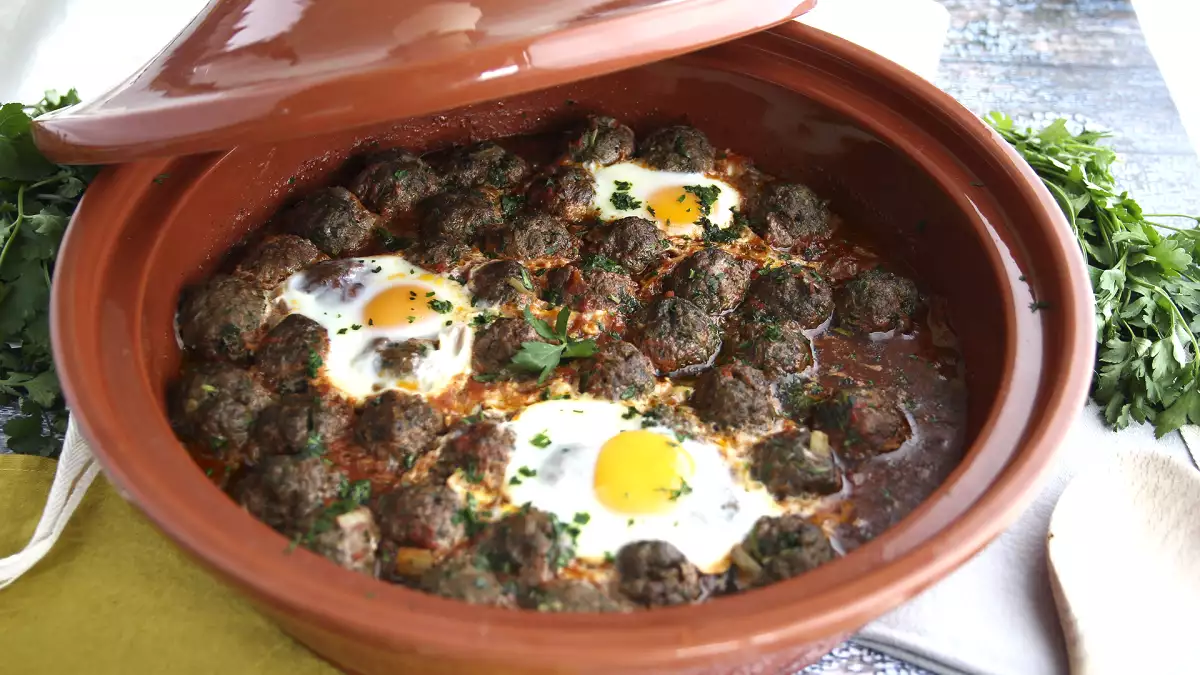
Some words don’t travel well. Tajine (also written tagine or tajín) is one of them. You say it out loud and someone immediately asks if it’s “that Mexican spice mix.” Nope. This is something else entirely: tajine is both a pot and a dish, a way of cooking that smells like cumin, preserved lemon and onion that has slowly surrendered to the heat. And when it comes to the table, it does it with a bit of theater: a tall conical lid is lifted and a cloud of scented steam escapes.
If you’ve seen it on a menu but never tried it, it helps to start with the basics: a tajine is not just some “exotic stew.” It’s everyday home cooking in Morocco and much of the Maghreb. A smart, deeply flavorful way of turning simple ingredients into a comforting meal.
So what exactly is a tajine?
A tajine is a traditional clay pot made of two parts: a wide, shallow base and a tall, usually conical lid. That shape isn’t just for show. It’s designed to keep in moisture: steam rises, condenses on the lid and falls back down in tiny droplets. The result? Long, gentle cooking without drying out, meltingly tender meat, vegetables that keep their character, and a sauce that thickens slowly over low heat.
By extension, “tajine” is also the name of the dish cooked inside. And that’s where it gets fun, because under that single word you’ll find whole families of recipes.
What does it taste like?
If your palate is used to a classic beef stew, a tajine will feel familiar and surprising at the same time. Familiar in the method: sauté, stew, reduce... but different in the balance of flavors. Many tajines bring together salty, tangy and a touch of sweetness, without ever slipping into dessert territory or feeling gimmicky.
The classic trio is: warm spices (ginger, turmeric, cumin, cinnamon), an acidic note (lemon, preserved lemon, olives) and, depending on the recipe, something sweet (prunes, dried apricots, honey). It’s not “mixing for the sake of mixing”: it’s a way of rounding out the stew so every bite has depth.
How do you eat it and what with?
Tajine is one of those dishes that asks for an unhurried table. It’s usually served in the pot itself, in the middle, to share. Traditionally it’s eaten with couscous or bread (bread becomes your spoon, and then a lot of things make sense). At home, if you don’t have couscous, it’s also great with simple white rice or even boiled potatoes: the important thing is having something to soak up the sauce.
And if you… don’t own a tajine?
You don’t need a clay tajine to start. You can cook the same kind of stew in a heavy pot with a tight-fitting lid (a Dutch oven, cast-iron pot, good saucepan). The spirit of the dish (low heat and patience) stays the same.
Tajine recipes to start with
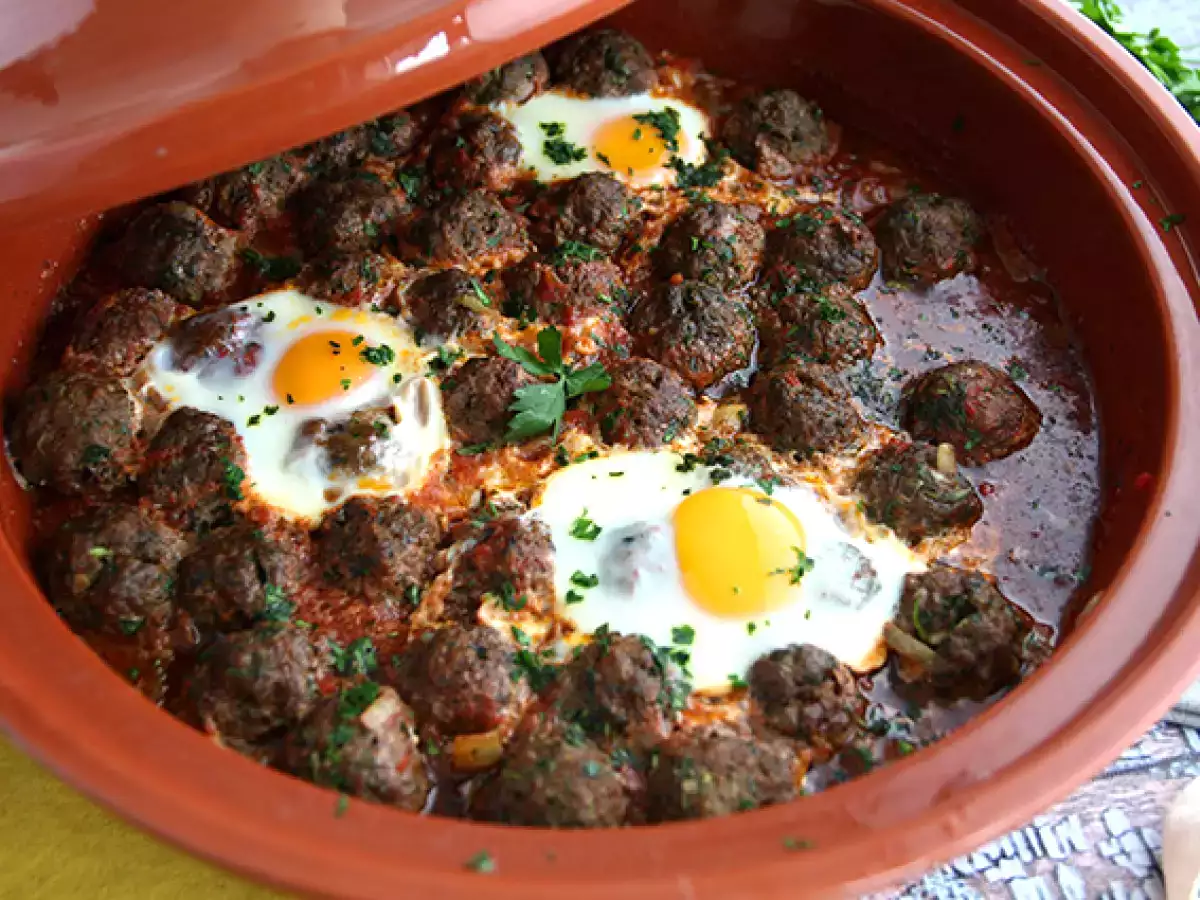
Travel to the Maghreb with our Kefta Tagine recipe! An ultra-easy dish to make, consisting of ground beef meatballs with spices and fresh herbs. A real explosion of aromas and flavors! Served with rice, you will have a balanced dish to share with the...
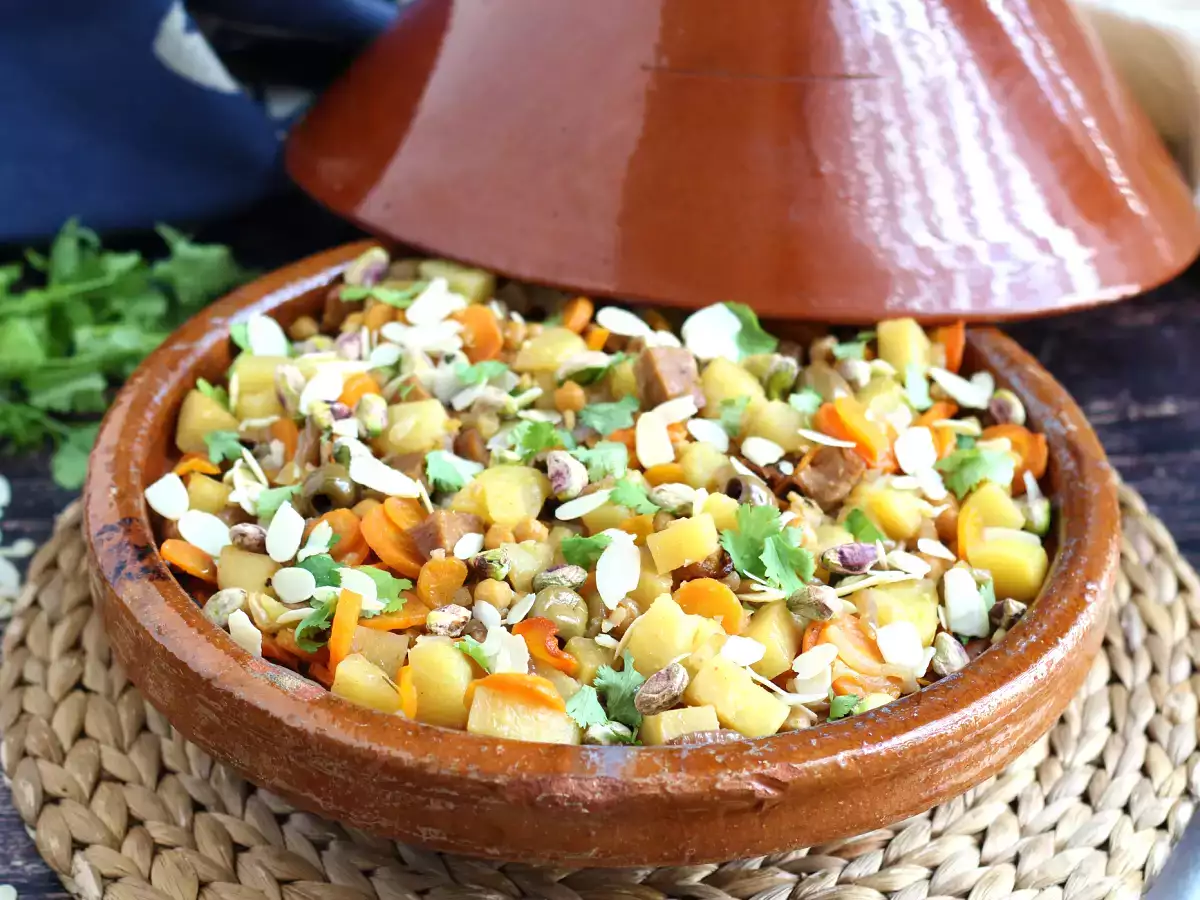
Here is a tagine filled with vegetables and vegetable proteins! Also a new way to cook seitan , an ingredient made from wheat or spelled gluten. Combined with chickpeas, potatoes and carrots, you will get a healthy and complete dish . Without...
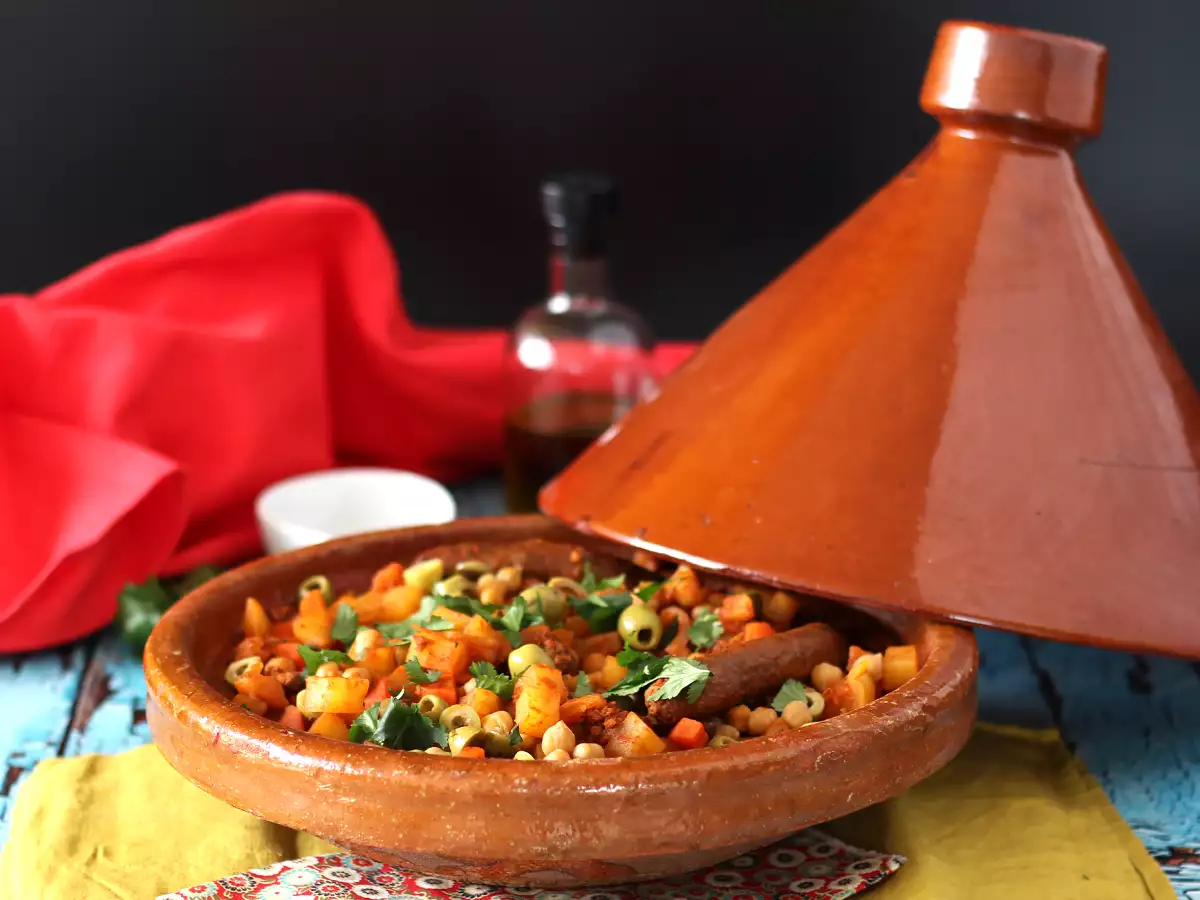
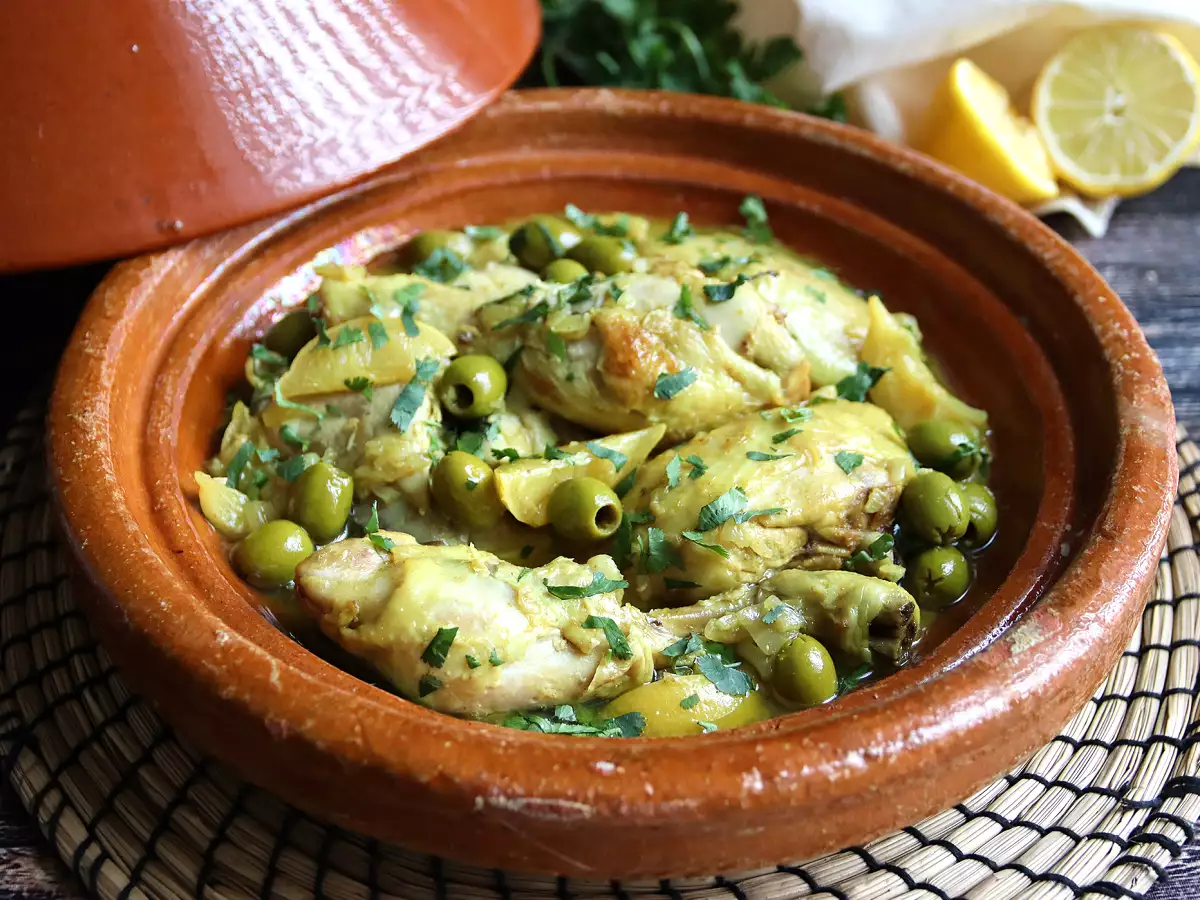
What better family dish than the tagine ?! Here, we suggest you combine the flavors of chicken , lemon and green olives . Without forgetting to sprinkle everything with fresh cilantro for those who are a fan of it ;-) With this, you can cook...
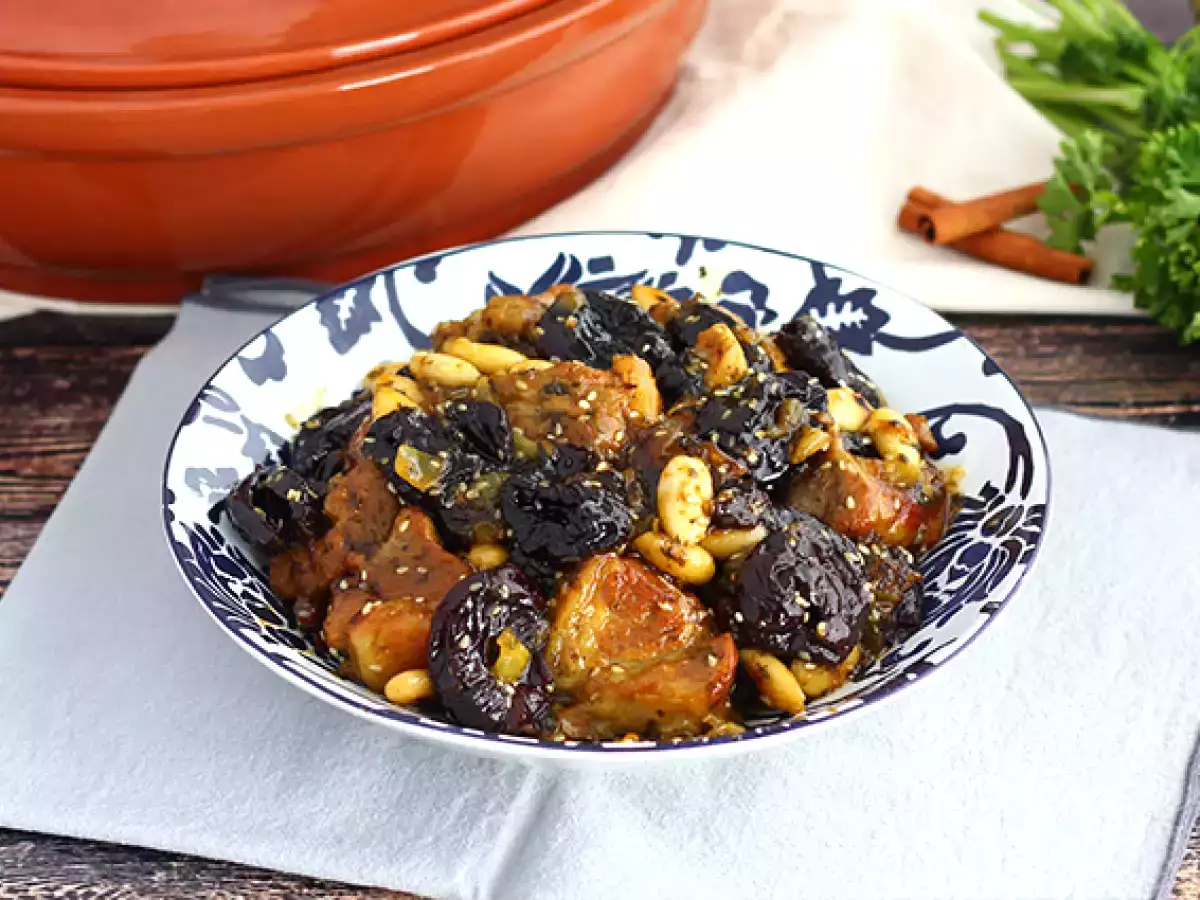
Can you smell that delicious aroma of a dish simmering gently? It's the promise of our lamb tagine with prunes! A combination of sweet and savory flavors for a dish to share with the whole family! Reproduce this oriental dish easily with our written...
 Patricia González
Comments