These common food combos improve iron absorption: surprising everyday pairings you may already eat
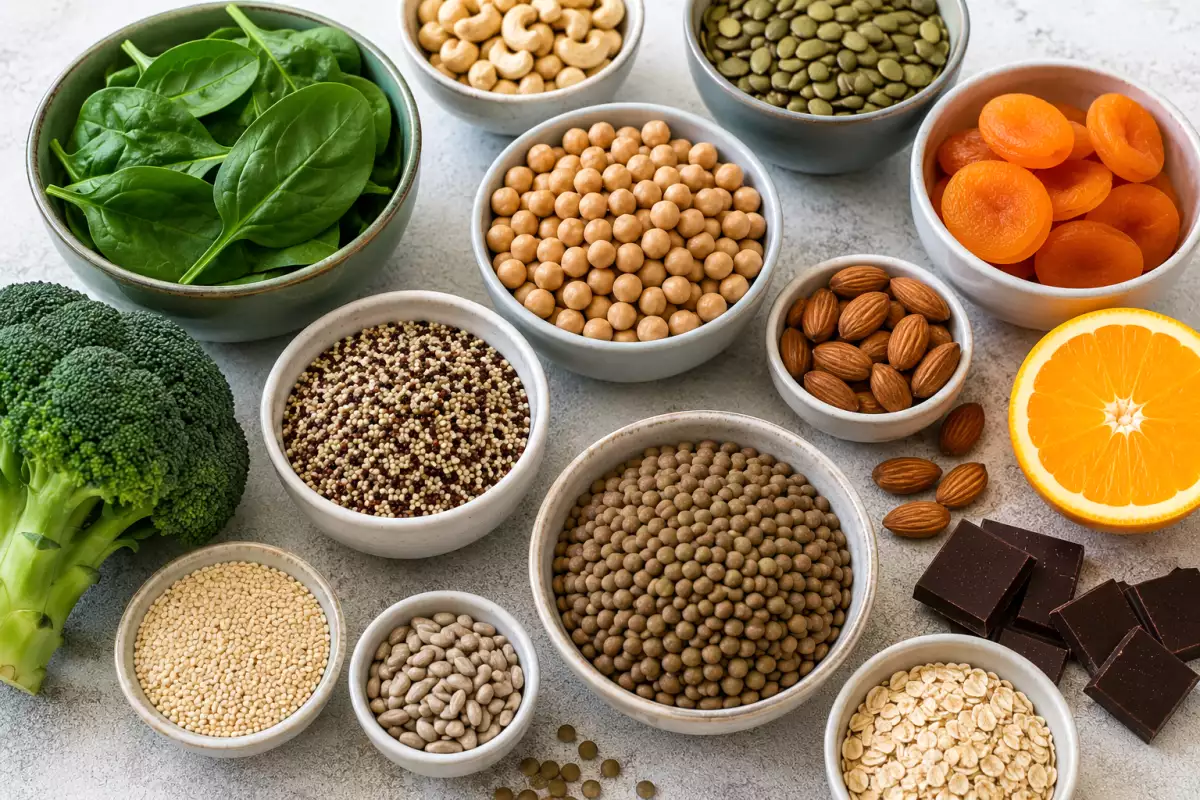
Fatigue that sets in, lack of energy, difficulty recovering after exercise... When we talk about iron, we often immediately think of deficiencies. However, this essential mineral doesn't just depend on the quantity on your plate. What also counts is your body's capacity to absorb it.
And that's where things get interesting.
Some foods work particularly well together. A simple combination can sometimes multiply iron absorption, while another can slow it down. In other words, it's not enough to eat lentils, spinach or red meat: you also need the right ingredients.
The good news is that with a few simple gestures, you can naturally optimize your daily intake!
Why is iron so important?
Iron plays an essential role in the body. In particular, it helps transport oxygen in the blood through hemoglobin. It also enables our cells, muscles and brain to function properly.
When reserves are depleted, the first signs can gradually appear: persistent fatigue, reduced concentration, unusual shortness of breath, paler complexion or a feeling of weakness.
Women, teenagers, athletes, pregnant women and people on a vegetarian or vegan diet are particularly at risk of iron deficiency.
But before rushing out to buy dietary supplements, it's often a good idea to look at what's going on in your diet.
Not all irons are created equal
There are actually two types of iron in our diet.
The first is heme iron, found in animal products such as red meat, poultry, fish and seafood. It is particularly well absorbed by the body.
The second is non-haem iron, found in legumes, whole grains, oilseeds and certain green vegetables. Non-heme iron is more difficult to assimilate.
This is precisely why food combinations are so important.
The champion duo: iron and vitamin C
If there's one combination to remember, it's this one.
Vitamin C acts as a real facilitator. It transforms plant iron into a form more easily absorbed by the body. Some research even shows that it can significantly multiply the assimilation of non-heme iron.
In practical terms, this means that just a touch of lemon or a few vitamin C-rich vegetables can make all the difference.
A lentil salad seasoned with lemon, for example, will be more interesting than a plain lentil salad. Similarly, chickpeas with red peppers, kidney beans with tomatoes or spinach with citrus fruits are all excellent nutritional combinations.
This is one of the reasons why many traditional cuisines naturally combine legumes with colorful vegetables.
Legumes love vitamin C-rich vegetables
Lentils, chickpeas, white beans and kidney beans are often presented as nutritional treasures. Rich in vegetable protein, fiber and minerals, they are also an excellent source of iron.
But to take full advantage of their benefits, it's best to accompany them intelligently.
Peppers, tomatoes, broccoli, red cabbage, radishes and fresh herbs such as parsley are natural sources of vitamin C.
A summer salad of lentils, cherry tomatoes, cucumber, fresh parsley and lemon vinaigrette is more than just a light meal: it's a real winning combination for iron absorption.
The little-known power of fish and meat
Animal products have another interesting advantage.
Not only do they contain heme iron, which is better assimilated, but they also promote the absorption of plant iron consumed at the same meal.
Specialists sometimes refer to this as the "meat-fish factor".
For example, combining lentils with tuna, white beans with chicken or a chickpea salad with a few sardines will improve the overall assimilation of iron on the plate.
No need for large quantities: even a moderate portion can produce this effect.
Seeds and oilseeds can also help
Pumpkin seeds, cashew nuts, almonds and sesame seeds naturally contain iron.
Combined with vitamin C-rich fruits or vegetables, they in turn help create a more nutritionally interesting meal.
Imagine a salad with lentils, a few toasted pumpkin seeds, orange segments and fresh herbs. Behind this simple plate lies a particularly effective combination.
Beverages that can slow down iron absorption
Conversely, certain very common reflexes can limit iron assimilation.
This is particularly true of tea and coffee.
Their compounds, called tannins, tend to bind to iron and reduce its absorption. This doesn't mean you should do without them, but simply avoid consuming them at the same time as your most iron-rich meals.
Ideally, you should wait one to two hours after the meal before drinking your favourite coffee or tea.
Highly concentrated cocoa can also have a similar effect.
And dairy products?
The calcium in dairy products can also compete with iron.
Here again, it's not a question of banning cheese or yoghurt. Simply, when a meal is specially designed to optimize iron intake, it may be worthwhile to consume dairy products at another time of day.
This precaution is particularly important for people with high iron requirements or who have already suffered from iron deficiency.
The secret lies in the meal as a whole
When it comes to nutrition, we often look for the miracle food. But it's often the combinations that make the difference.
A handful of lentils alone won't have the same impact as a lentil salad with tomatoes, fresh parsley and a generous lemon vinaigrette. Similarly, a few kidney beans accompanied by colorful peppers will be more interesting than eaten on their own.
In the end, optimizing your iron intake doesn't require you to revolutionize your diet. A few simple adjustments, a few well-thought-out combinations and a little more color on the plate are often enough to naturally help the body make the most of this indispensable mineral.
Sometimes, the key is not in what you eat, but in what you choose to eat together!
 Adèle Peyches
Comments