Thinking about protein powder? What to check before you buy a tub
Wednesday 28 October 2026 10:00 - Juliette Hess
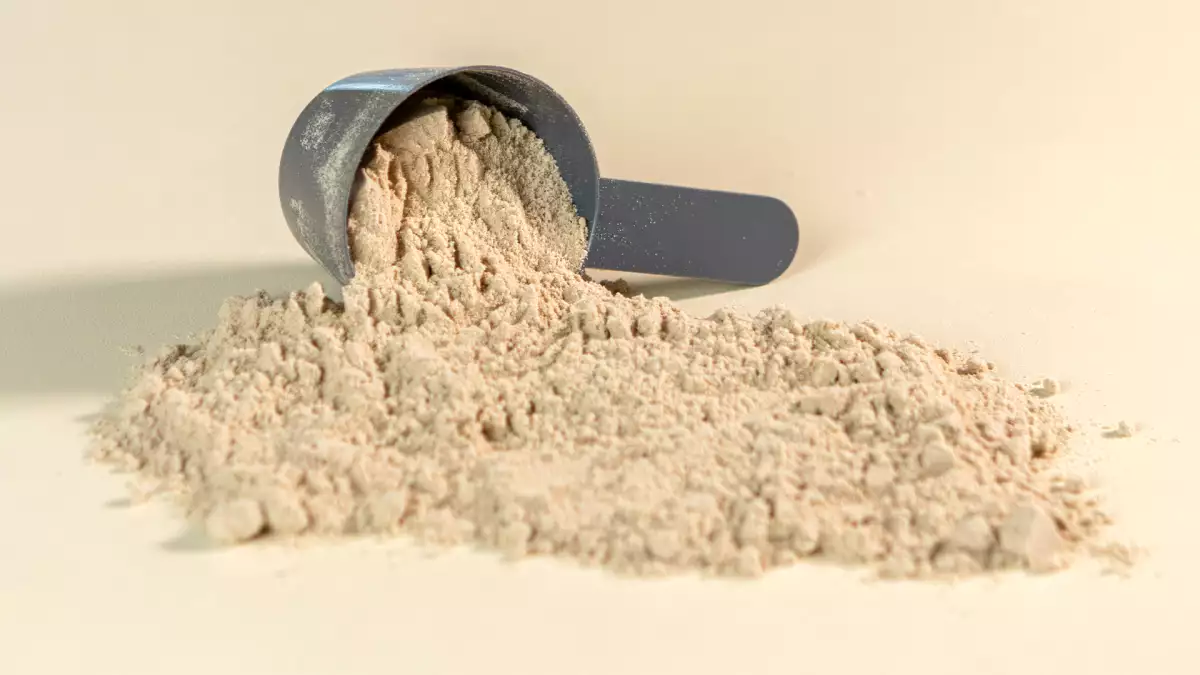
For many healthy adults, the first question is not “which powder should I buy?” but “do I actually need one?” If you already eat enough protein through meals and snacks, a tub of powder may add cost, calories, sweeteners or ingredients you do not need. If you struggle to meet your needs because of training, appetite, age, schedule or dietary restrictions, it may be a convenient tool. The key is to buy it for a clear reason, not because the label sounds impressive.
Start with your real protein needs
Protein helps build and repair tissues, supports muscle maintenance and contributes to a satisfying meal. But needs vary by body size, age, activity level, health status and goals. A sedentary adult may need much less than someone training hard, recovering from illness, eating very little, or trying to preserve muscle with age.
A commonly cited baseline is 0.8 grams of protein per kilogram of body weight for an average sedentary adult. Some people need more, especially athletes, older adults, or people working with a clinician on recovery or nutrition. That is why the smartest first step is to estimate your needs and compare them with what you already eat.
A commonly cited baseline is 0.8 grams of protein per kilogram of body weight for an average sedentary adult. Some people need more, especially athletes, older adults, or people working with a clinician on recovery or nutrition. That is why the smartest first step is to estimate your needs and compare them with what you already eat.
Whole foods should usually come first
Protein powder can provide protein, but it does not bring the full package of a balanced meal. Foods like eggs, Greek yogurt, cottage cheese, fish, chicken, tofu, lentils, beans, nuts and seeds also offer vitamins, minerals, fiber, healthy fats or other nutrients that powders may not provide.
This matters because dinner, breakfast and snacks are not just protein delivery systems. A bowl with beans, vegetables and grains does more for fullness and nutrition than a scoop mixed into water. If your meals are already varied and protein-rich, powder may be unnecessary. If your schedule makes meals difficult, powder can be a backup rather than the foundation.
This matters because dinner, breakfast and snacks are not just protein delivery systems. A bowl with beans, vegetables and grains does more for fullness and nutrition than a scoop mixed into water. If your meals are already varied and protein-rich, powder may be unnecessary. If your schedule makes meals difficult, powder can be a backup rather than the foundation.
When protein powder can be useful
Protein powder can make sense when it solves a specific problem. It may help someone who has low appetite, a very busy schedule, higher training demands, limited food access after workouts, or difficulty meeting protein needs through regular meals. It can also be useful in smoothies when someone needs an easy breakfast with more staying power.
The important word is useful. A powder should fill a gap, not replace a thoughtful eating pattern. If you are buying it because every influencer seems to use one, pause first. If you are buying it because your actual intake is consistently low, it may be a reasonable tool.
The important word is useful. A powder should fill a gap, not replace a thoughtful eating pattern. If you are buying it because every influencer seems to use one, pause first. If you are buying it because your actual intake is consistently low, it may be a reasonable tool.
Read the label like a shopper, not a fan
Protein powders can vary widely. Some are simple, while others include added sugars, sugar alcohols, gums, artificial flavors, caffeine, herbal blends or long ingredient lists. A product that looks healthy on the front can still be closer to a dessert mix than a basic protein supplement.
Before buying, check the serving size, grams of protein, calories, added sugar, sweeteners and ingredient list. Also look at the protein source: whey, casein, soy, pea, rice and blends all behave a little differently. The best option depends on your digestion, dietary pattern, taste preference and how you plan to use it.
Before buying, check the serving size, grams of protein, calories, added sugar, sweeteners and ingredient list. Also look at the protein source: whey, casein, soy, pea, rice and blends all behave a little differently. The best option depends on your digestion, dietary pattern, taste preference and how you plan to use it.
Quality and testing matter
In the United States, protein powder is sold as a dietary supplement, which means it is not regulated like a conventional food or medication before it reaches shelves. That does not mean every product is unsafe, but it does mean shoppers should be careful about quality claims.
Look for products with third-party testing when possible, especially if you use powder often or compete in sports. Independent testing can help verify that a product contains what the label claims and reduce the risk of unwanted contaminants or banned substances. If a label makes extreme promises, treat that as a warning sign.
Look for products with third-party testing when possible, especially if you use powder often or compete in sports. Independent testing can help verify that a product contains what the label claims and reduce the risk of unwanted contaminants or banned substances. If a label makes extreme promises, treat that as a warning sign.
More protein is not always better
A common mistake is assuming that if some protein is good, more must be better. Once your needs are met, extra protein does not automatically turn into more muscle. It can add calories, crowd out fiber-rich foods, or become expensive without adding much benefit.
There are also health situations where extra protein should be discussed with a professional, especially for people with kidney disease, complex medical conditions, pregnancy, eating disorders, or specific therapeutic diets. If you are unsure, a registered dietitian or clinician can help you decide what is appropriate.
There are also health situations where extra protein should be discussed with a professional, especially for people with kidney disease, complex medical conditions, pregnancy, eating disorders, or specific therapeutic diets. If you are unsure, a registered dietitian or clinician can help you decide what is appropriate.
How to decide before buying
Before adding a tub to your cart, ask five questions: Am I actually low on protein? Could food solve this first? Will I use it regularly? Is the ingredient list reasonable? Has the product been third-party tested?
If the answer points to convenience and a real gap, protein powder can be a practical pantry item. If the answer is mostly marketing pressure, you may be better off spending the money on eggs, yogurt, tofu, beans, fish, poultry, lentils or other protein-rich foods you enjoy.
If the answer points to convenience and a real gap, protein powder can be a practical pantry item. If the answer is mostly marketing pressure, you may be better off spending the money on eggs, yogurt, tofu, beans, fish, poultry, lentils or other protein-rich foods you enjoy.
The bottom line
You do not need protein powder simply because it is popular. It can be helpful, but it is not essential for everyone. The best choice depends on your daily protein needs, your meals, your budget and your health goals.
Think of protein powder as a backup tool: convenient, sometimes useful, but not automatically better than food. If your meals already provide enough protein and variety, you can skip it confidently. If you need extra support, choose a simple, well-tested product and use it as part of an overall balanced diet.
Think of protein powder as a backup tool: convenient, sometimes useful, but not automatically better than food. If your meals already provide enough protein and variety, you can skip it confidently. If you need extra support, choose a simple, well-tested product and use it as part of an overall balanced diet.
 Juliette Hess
I have been creating culinary content for Petitchef since 2017.
I love travelling and discovering new dishes, trying out new food trends and exploring new restaurants.
I’m a huge fan of pasta and noodles in all their forms ❤ from udon noodles to tagliatelle, I love cooking them and even making them from scratch!
I’m currently preparing, filming and photographing your next recipe, and I hope you’ll enjoy it!
Comments