This must-try thick focaccia with cherry tomatoes and olives fills your home with a delicious aroma
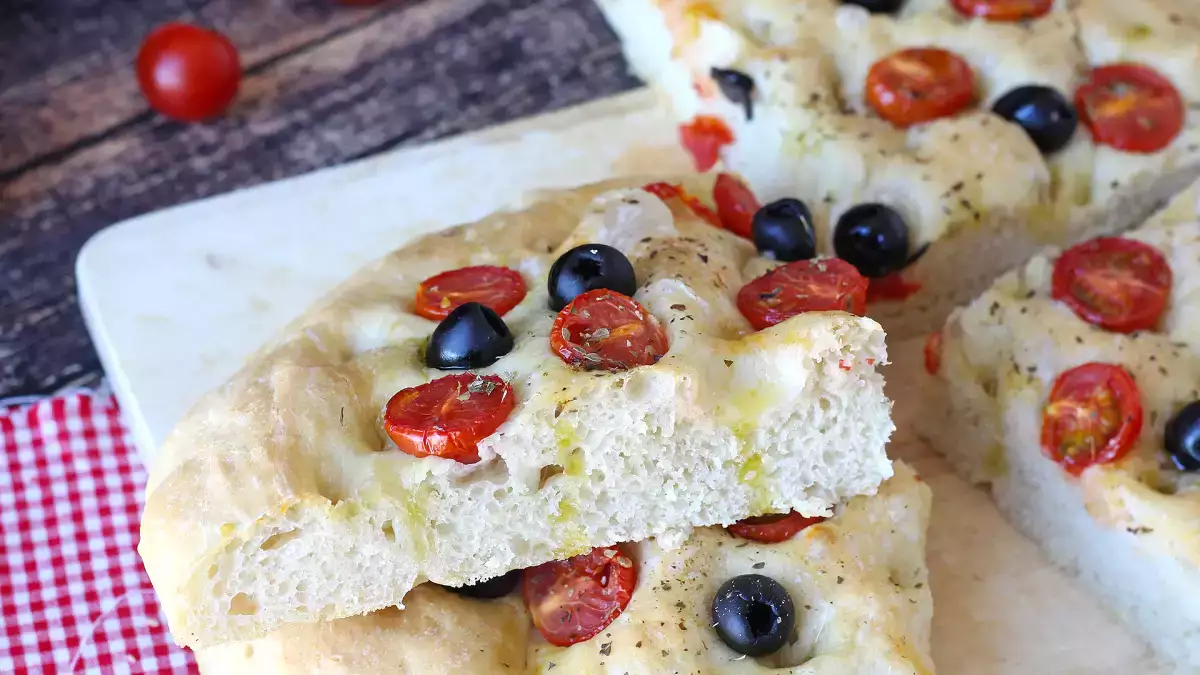
Homemade thick focaccia has a special advantage:it seems simple, but it immediately gives the impression of something prepared with care. It’s thick, soft, fragrant, and perfect for cutting into squares; just like those dishes that end up in the center of the table and disappear one piece at a time.
The recipe to start with
To make it, you can start with this recipe featuring cherry tomatoes, black olives, and oregano; a very Mediterranean combination that’s easy to serve on many different occasions.
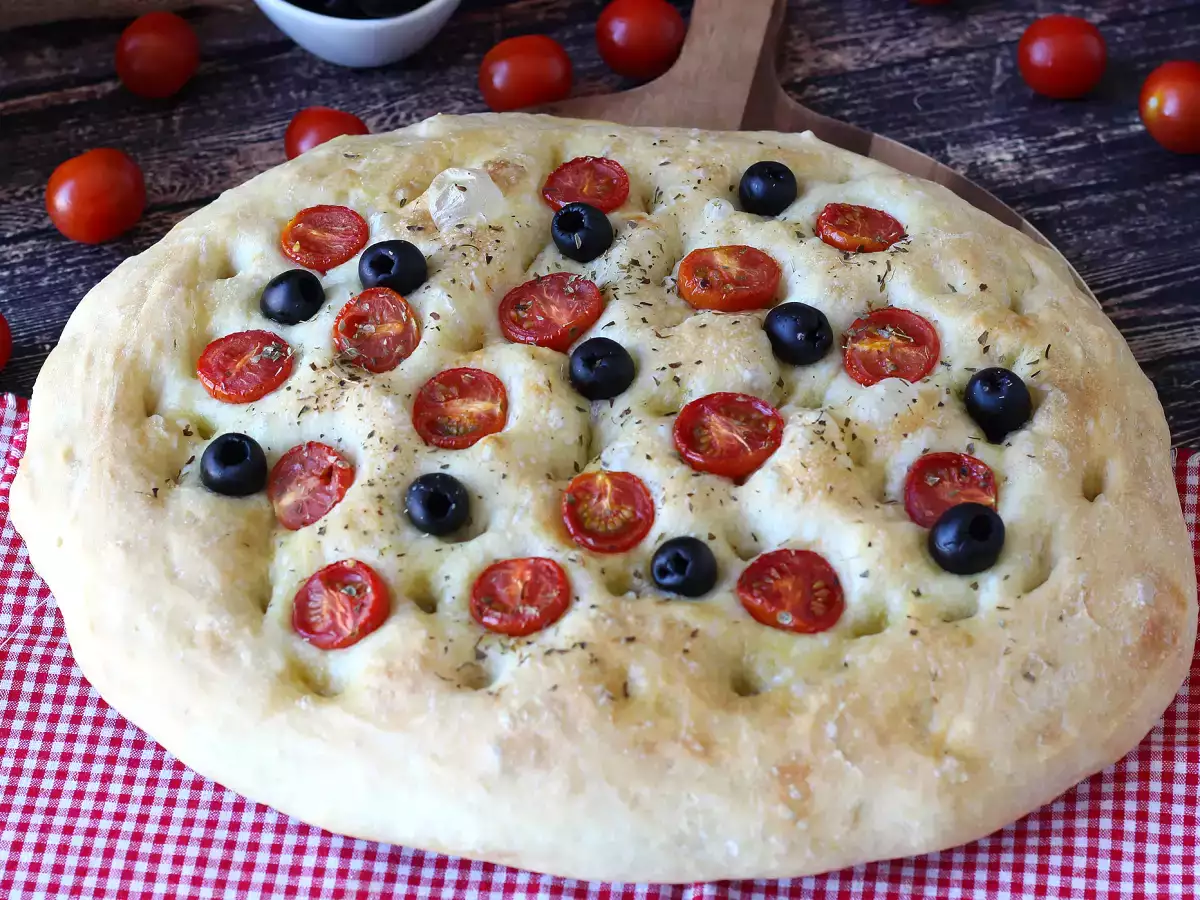
This thick, fluffy focaccia has everything we love: a soft, airy interior , a lightly golden crust and plenty of dimples filled with extra-virgin olive oil . Juicy cherry tomatoes , flavorful black olives and fragrant oregano give it a...
Focaccia is ideal as an appetizer, but also as a substitute for bread, for a savory buffet, or to serve with cheeses, grilled vegetables, and cold cuts. Its key feature is its texture: a well-hydrated dough that, when handled gently,remains puffy and pleasantly light even after baking.
How to Make a Thick, Fluffy Focaccia Without Making It Too Heavy
A soft dough can be intimidating because it’s stickier, but it’s precisely that texture that results in a lighter focaccia. Slightly damp hands help you knead it without adding too much flour.
Here are the details that make all the difference:
- Use a flour suitable for pizza and focaccia that absorbs water well.
- Don’t rush the rising process: the dough should look puffy and lively.
- Fold the dough gently to strengthen its structure without stressing it.
- Roll out the dough on the baking sheet without flattening it, using your fingertips and being careful not to pop the air pockets.
- Drizzle oil over the surface so the classic dimples become even more flavorful.
How long should homemade focaccia rise?
The first phase helps the dough take shape. Short resting periods between folds help the gluten network develop without overworking the dough. Next comes the bowl rise, when the dough increases in volume. Finally, once transferred to the baking sheet, it needs one last rest.
The most practical tip is to watch the dough, not just the clock. A focaccia ready to be topped should be puffy, soft, and full of small bubbles.
Cherry tomatoes, olives, and oregano: a dressing with the scent of the Mediterranean
To distribute the toppings evenly, it’s best not to overload the surface. A thick focaccia should remain the star of the show: the toppings should complement it, not overwhelm it. Extra virgin olive oil also plays an important role: it seeps into the dimples, adds fragrance to the surface, and helps achieve a more inviting golden brown color.
Why do dimples form in focaccia?
The motion should be firm yet gentle. Your fingers sink into the dough, but they shouldn’t destroy its structure. It’s best to make the dimples after the final rise in the baking pan, just before adding the final toppings. This way, the focaccia stays puffy and doesn’t lose all the air it has accumulated.
How to serve it: as an appetizer, for dinner, or as a savory snack
How should you store thick focaccia? Once it has cooled, it’s best to keep it tightly sealed in a container or wrapped carefully so it doesn’t lose too much moisture.
The little secret is not to treat it like a pizza
When you spread it out on the baking sheet, guide it gently with your fingers instead of forcing it. When you top it, leave some space for the dough to rise. When baking it, wait until it’s golden brown on the bottom as well. Ultimately, this focaccia works because it combines the comforting aroma of home, Mediterranean ingredients, and a soft texture that invites you to take another bite.
 Daniele Mainieri
Comments