Want perfect Hasselback potatoes? Stop making these common errors
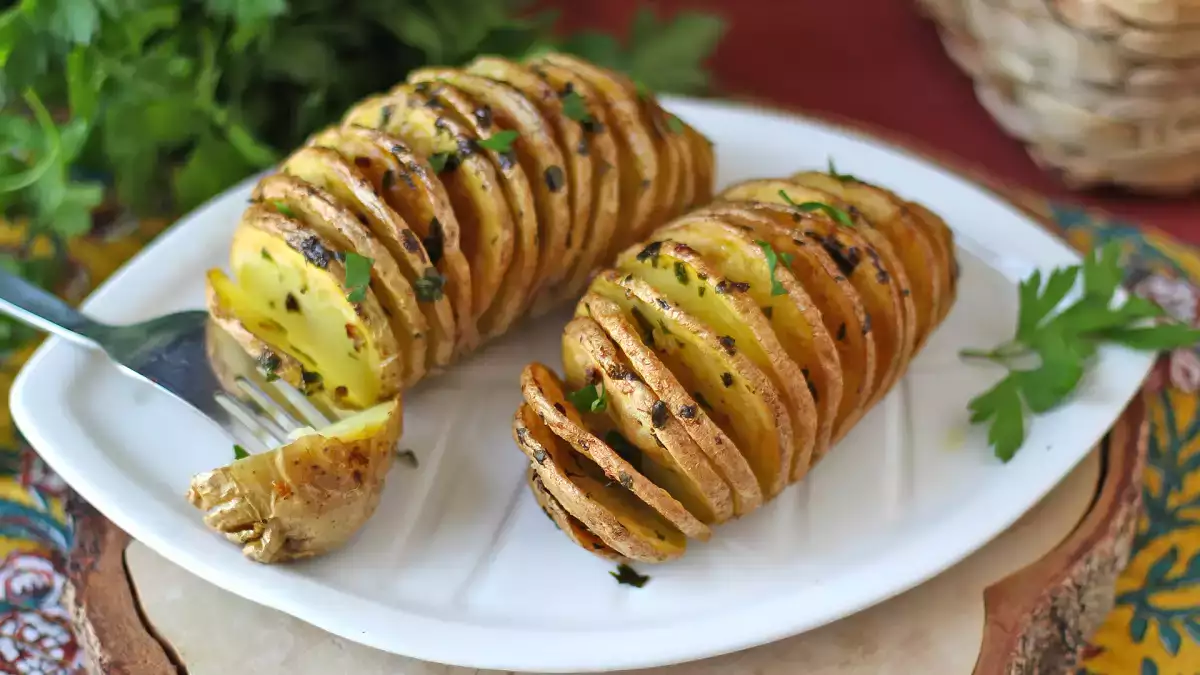
There are recipes that catch your eye before anyone even asks what’s in them. Hasselback potatoes (also known as Swedish-style potatoes) are one of them: a simple baked potato that, thanks to a series of thin cuts, opens up in the oven like a golden accordion. Soft on the inside, crispy on the outside. They were created in the 1950s at the Hasselbacken restaurant in Stockholm and have since become a side dish that often steals the spotlight. They’re not complicated, but a few common mistakes can make all the difference. Here’s how to avoid them so your potatoes hold their shape and crisp up perfectly.
1. Parboiling them to save time
There’s a quick way to ruin Hasselback potatoes and it’s a tempting one: trying to “help” the process. Boiling them first, getting ahead, saving time. It doesn’t work. Hasselbacks need to go into the oven raw, firm, and properly sliced. If they’re already soft, they’ll open unevenly, break apart, or end up with a texture closer to mashed than layered.
2. Choosing potatoes that are too starchy
Very starchy potatoes work well for mash or certain roasts, but here they tend to crack. For this recipe, go for medium-sized potatoes with firm flesh and a regular shape.
What matters is that they hold up during both slicing and cooking. Soft, old, or irregular potatoes will only cause problems. Varieties like Yukon Gold or other waxy potatoes tend to work well.
3. Cutting all the way through
The goal is to create thin slices, not separate pieces. Cuts should be deep, but not all the way through. The base needs to stay intact to hold everything together.
A simple trick: place the potato between two wooden spoons or chopsticks. This stops the knife from going too far and keeps the cuts controlled.
4. Making cuts that are too thick
If the slices are too far apart, the potato will roast but it won’t fan out properly. Fat won’t distribute evenly between layers, and you’ll lose that signature texture.
Aim for thin, even slices. No need to measure, just keep them consistent.
5. Putting them in the oven while still wet
If you rinse the potatoes or soak them to prevent browning, make sure to dry them thoroughly before baking. Moisture slows down browning and leads to a less appealing finish.
A clean towel or paper towels will do the job quickly.
6. Using too little fat
With Hasselback potatoes, butter or oil isn’t optional: it’s part of the technique. It helps conduct heat, encourages the slices to separate, and adds flavor between the layers.
Don’t just brush them once at the beginning. Baste them during cooking, especially once they start to open up.
7. Peeling them beforehand
Peeling isn’t recommended. The skin helps keep the potato intact, protects it during baking, and improves the final texture. As long as they’re in good condition, just wash and dry them well.
8. Rushing the baking
Hasselback potatoes need time to become tender inside and crispy on the edges. Too low a temperature and they soften without browning. Too high, and they burn on the outside before cooking through.
A temperature around 400–425°F (200–220°C) works well, but it depends on the size of the potatoes and your oven. The best indicator? A soft center and golden, crispy edges.
 Patricia González
Comments