What does Halal mean? Meaning, rules and differences in the period of Ramadan (and why it is increasingly talked about)
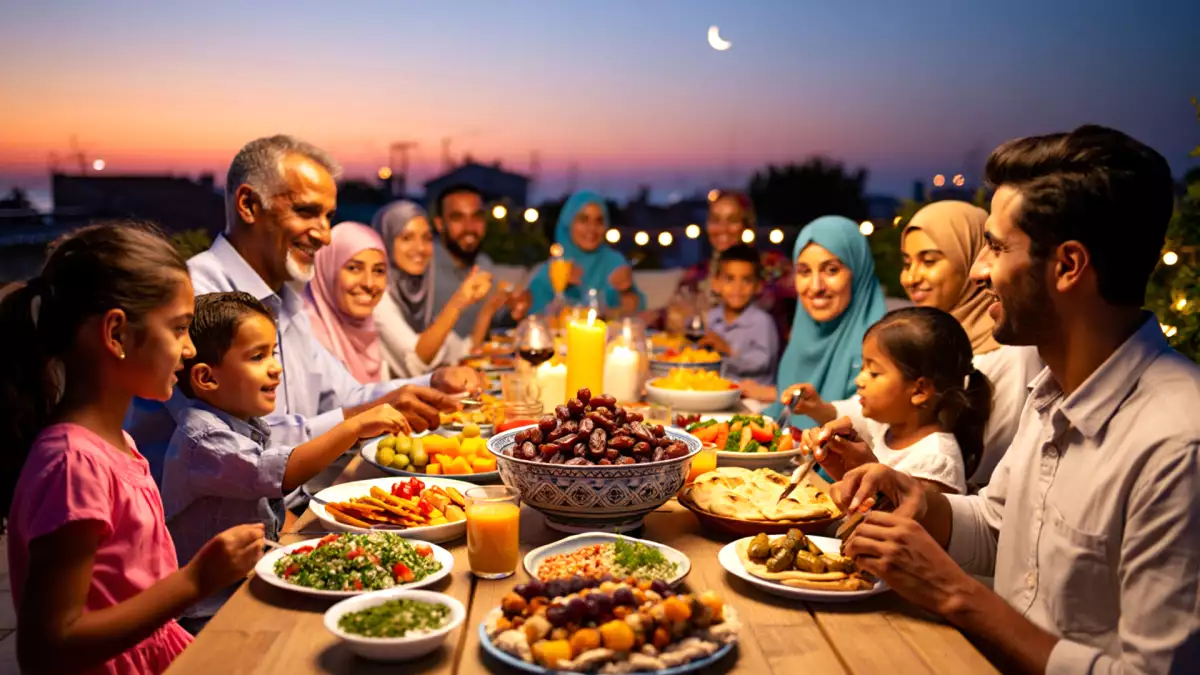
With the beginning of Ramadan, the holy month for Muslims, there is growing attention to everything related to the concept of halal. But what does halal really mean? Is it just a religious issue, or does it also have something to do with food quality, food safety, and ethical choices?
If you have asked yourself this question at least once in front of a label or at the butcher counter, you are in the right place. Because understanding the meaning of halal today is not just a cultural curiosity: it is a key to better reading the global food market, which is rapidly changing.
What halal means: the correct meaning (beyond translation)
The word halal in Arabic literally means "lawful," "permitted." In the Islamic context, it means anything that conforms to the precepts of Quranic law, Sharia. When we speak of halal food, we are referring to foods that can be consumed by Muslims according to precise religious rules. The opposite of halal is haram, or "forbidden."
But beware: halal is not just about meat. It can include:
- Beverages
- Processed ingredients
- Food additives
- Cosmetics
- Supplements
This means that halal certification involves an entire production chain, not just the main ingredient.
Halal meat: what really changes?
One of the most well-known aspects concerns halal slaughter. The rules require that:
- The animal is healthy at the time of slaughter.
- A religious invocation be uttered.
- Exsanguination is complete.
- No methods contrary to Islamic precepts are used.
This process is called dhabiha.
For many Muslim consumers, adherence to these rules is not only a spiritual matter, but also a matter of trust and transparency. And this is where certification comes in.
Halal certification: why is it so important?
It is not enough for a product to be "pork-free" to be halal. You need an official halal certification, issued by recognized bodies.
This certification verifies that:
- The ingredients are lawful.
- There is no contamination with haram substances.
- The production processes are compliant.
In the global market, halal certification has become a real strategic asset. We are talking about an industry worth billions of euros and growing every year, including in Europe. More and more European companies are adapting, not only for religious reasons, but also to intercept a traceability- and quality-conscious public.
Is Halal synonymous with quality?
This is where the question gets interesting.
Many associate the concept of halal with an increased focus on cleanliness, safety and control of the supply chain. This is partly true: certification implies rigorous audits and standards. However, halal does not automatically mean "healthier" or "more nutritious." It simply indicates religious conformity.
But there is a powerful psychological effect: when a product is certified, it is perceived as more controlled and therefore more trustworthy. It is a classic trust mechanism that influences purchase choices, even of non-Muslims.
What is not halal: the forbidden foods
To really understand what halal means, it is also helpful to know what is considered haram.
Prohibited foods include:
- Pork and pork products
- Alcohol and alcoholic beverages
- Blood
- Animals that died before ritual slaughter
- Ingredients derived from non-legal sources (such as non-certified jellies)
And this is where many processed products become "gray areas." Jellies, enzymes, flavorings: it is not always easy to tell the origin.
This is why "halal" on the label is so relevant to those who strictly follow these precepts.
Halal during Ramadan: what really changes?
In Ramadan, when we fast from dawn to dusk, the concept of halal food becomes even more central. With iftar, the evening meal that breaks the fast, the choice of food is more conscious: quality, provenance and religious conformity matter more than ever. Food becomes a time of sharing and identity, not just nourishment. Not surprisingly, the demand for halal-certified products in supermarkets and restaurants, including non-ethnic ones, is also growing during this period.
 Daniele Mainieri
Comments