Why farro is the summer salad secret that fills you up, refreshes lunch and wins everyone over
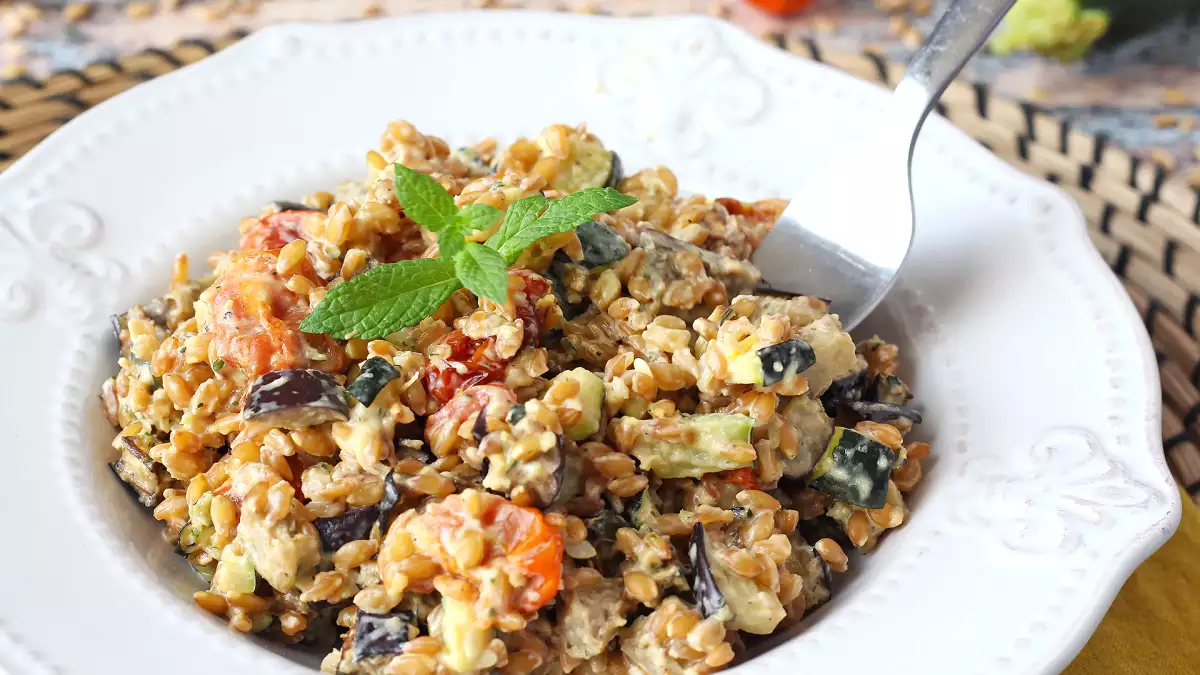
When the heat arrives, the same question always comes back: what can you make for lunch when turning on the stove feels almost impossible? Classic green salads can become repetitive after a few days. Cold pasta is popular, but it does not always please everyone. So how do you bring something fresh, tasty, and satisfying to the table?
The answer may be much simpler than you think: farro.
Why farro is the perfect friend for summer salads
In recent years, farro has become one of the stars of summer eating. The reason is simple: it is versatile, has a delicate flavor, and pairs well with almost any ingredient.
Cherry tomatoes, grilled zucchini, olives, feta, tuna, salmon, legumes, or seasonal vegetables: farro enhances every combination without overpowering the other flavors.
Once cooked, it also keeps a pleasant texture, which makes it perfect for cold salads. It does not clump together the way some other grains can, and it stays enjoyable even after a few hours in the refrigerator.
What is the difference between farro and pearled farro?
When buying farro at the grocery store, you may often have to choose between hulled farro and pearled farro. But what is the difference?
- Hulled farro keeps more of its outer layers, which means it usually needs a longer cooking time and often a soaking period. It has a more rustic texture and a slightly stronger flavor.
- Pearled farro, on the other hand, is processed to remove part of the outer layers of the grain. This makes it much more practical to use because it cooks faster and does not need soaking. That is exactly why it has become a favorite for summer salads and quick meals.
In terms of flavor, the difference is fairly subtle. What really changes is convenience in the kitchen. If you are short on time and want to prepare a fresh lunch at the last minute, pearled farro is probably the easiest choice. If you prefer more rustic flavors and traditional preparations, hulled farro can be especially satisfying.
The dishes where farro shines
If there is one quality that makes farro special, it is its ability to adapt to every taste.
If you love Mediterranean flavors, you can pair it with tomatoes, basil, and mozzarella. If you prefer bolder combinations, try olives, tuna, and capers. And for vegetarian meals, farro works beautifully with chickpeas, beans, and seasonal vegetables.
Even if you are looking for something more refined, you can experiment with smoked salmon, avocado, shrimp, or fresh cheeses.
In short, farro does not impose rules. It leaves room for creativity and makes it easy to create summer salads that are always different.
The solution you were looking for for summer lunches
If you are tired of the same old salads or classic cold pasta dishes, farro can become your summer ally. It is practical, tasty, keeps well, and, above all, brings together people who love tradition and those who enjoy trying new flavors.
Its versatility makes it easy to please different tastes and turn a few simple ingredients into a complete, satisfying dish.
And if you want to move straight from theory to practice, keep reading: in the next recipes, you will find two farro salads you absolutely need to try, perfect for bringing all the freshness of summer to the table.
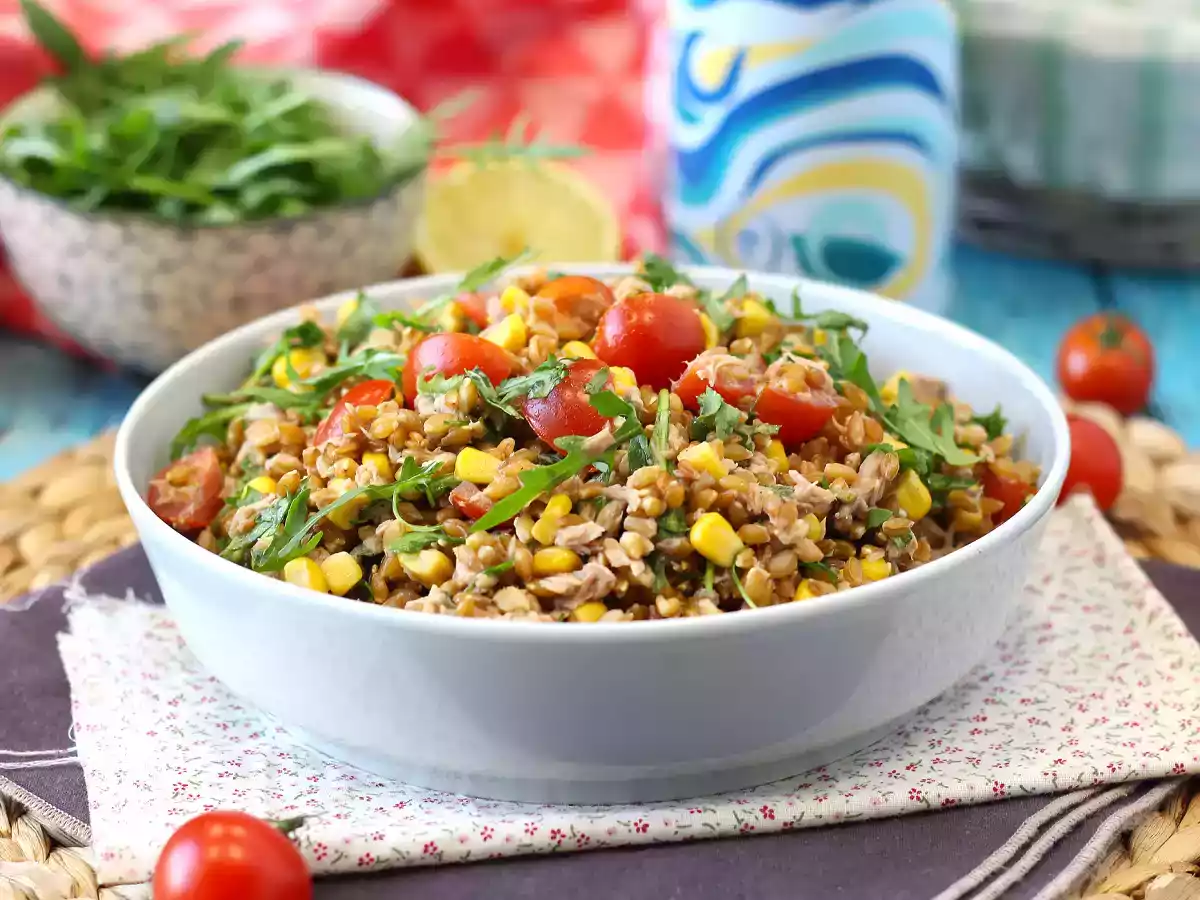
Farro and tuna salad is a fresh, balanced dish that's perfect for any occasion. Great as a light lunch, a meal to take to work or a quick dinner, it's an ideal choice for those who want to eat healthy without sacrificing taste. In our version,...
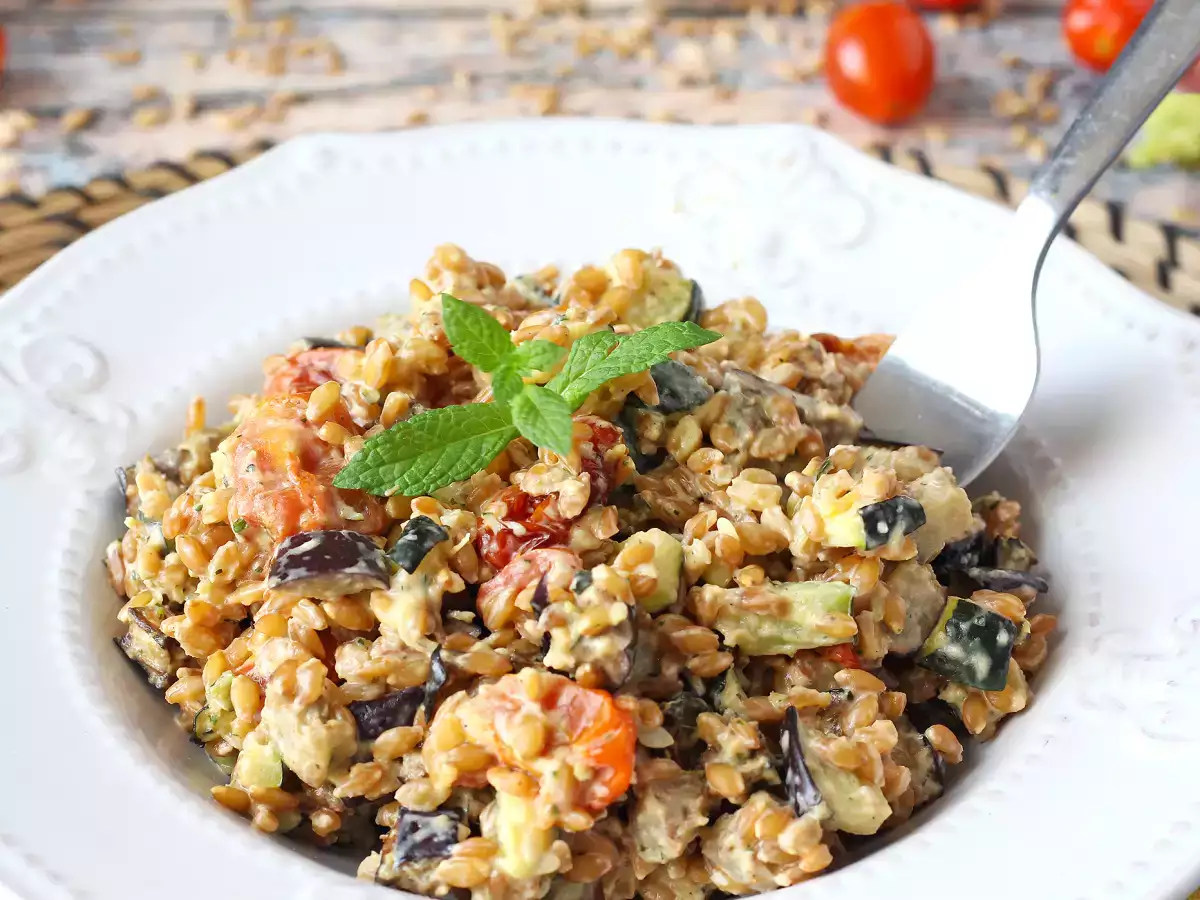
Perfect for the warmer months, this farro salad with zucchini , eggplant and roasted cherry tomatoes wins you over at the first bite with its extraordinary balance of flavors. The sweetness of the oven-roasted vegetables meets the freshness of...
 Daniele Mainieri
Comments