Why is my rice sticky after cooking? Common mistakes and how to avoid them
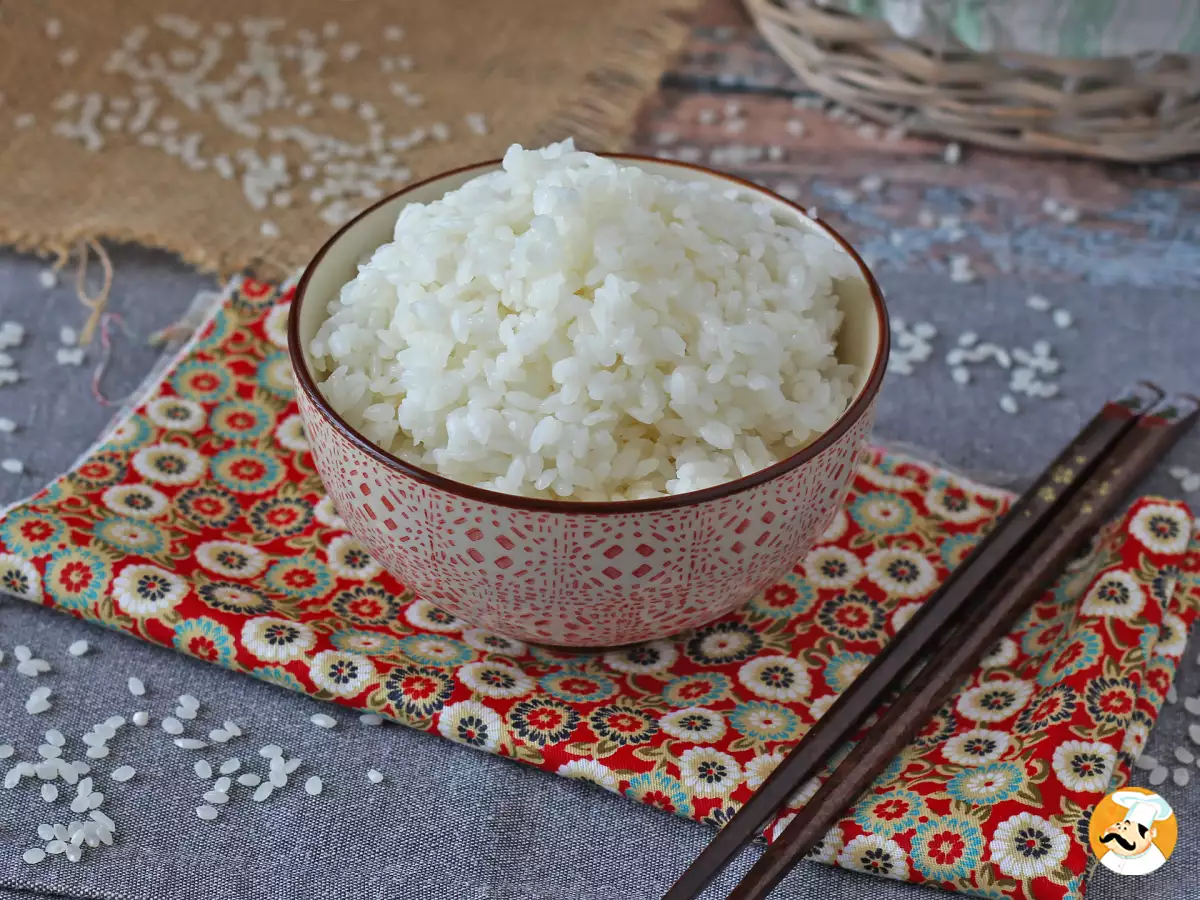
Rice is one of the simplest foods to cook... at least on the surface. Yet many people end up with rice that's too sticky, compact or mushy, when they'd hoped for well-separated, light grains. This problem is very common and can have several causes: the type of rice used, the cooking method or even certain forgotten steps.
The good news is that it's fairly easy to avoid this problem. By understanding why rice becomes sticky and adopting a few good reflexes, you can obtain perfectly cooked, light rice with well-detached grains.
Here are the most common reasons why your rice becomes sticky.
Rice not rinsed before cooking
This is probably the most common mistake.
Rice naturally contains starch on its surface. When the grains are cooked in water, this starch is released and can create a sticky texture.
If rice is not rinsed before cooking, the excess starch remains and the grains tend to clump together.
➡️ Rinsing rice removes much of the starch responsible for stickiness.
To do this, place the rice in a bowl of cold water, stir lightly, then drain. Repeat two or three times until the water runs clear.
The type of rice used is unsuitable
Not all rice has the same texture after cooking.
Some types of rice are naturally richer in starch and therefore become stickier.
For example
- round rice
- sushi rice
- certain Asian rice varieties
These varieties are chosen for their sticky texture.
If you're looking for a loose rice texture, choose :
- basmati rice
- Thai rice
- long-grain rice
Long-grain rice contains less starch and remains lighter after cooking.
Too much water in cooking
Too much water can also make rice mushy.
If the grains absorb too much water, they swell more and release more starch, giving a sticky result.
The ideal amount of water depends on the type of rice, but a simple rule of thumb is to use :
1 part rice to approximately 1.5 to 2 parts water.
Respecting this ratio ensures a more balanced cooking process.
Rice has been over-mixed during cooking
It may be tempting to stir the rice while it's cooking, but stirring can actually promote stickiness.
Stirring causes the grains to rub against each other, releasing more starch.
It's best to avoid stirring the rice while it's cooking.
Once the water has been added, simply leave to cook over a low heat until completely absorbed.
The rice is overcooked
Like many foods, rice can easily be overcooked.
Overcooking softens the grains and accentuates their sticky texture.
For most white rice, cooking generally takes between 10 and 15 minutes.
Ideally, you should taste the rice towards the end of cooking to check its texture.
How do I get loose rice?
A few simple steps can make all the difference when it comes to making rice with well-separated grains:
- rinse rice before cooking
- use the right amount of water
- avoid stirring during cooking
- choose long-grain rice
- stop cooking at the right moment
These little habits will ensure that your rice is light and perfectly cooked.
One last tip after cooking
- Once the rice is cooked, leave it to rest for a few minutes with the lid on.
- Then, using a fork, gently dehusk the rice.
This will separate the grains and improve the final texture.
A common problem, but easy to correct
Sticky rice is a very common problem in the kitchen, but there's rarely just one cause. Often, it's simply a matter of a small detail in preparation or cooking.
By adopting the right precautions, such as rinsing the rice and using the right amount of water, you can easily obtain perfectly cooked rice, with light, loose grains, ideal for accompanying a wide range of dishes.
 Adèle Peyches
Comments