How to cook fresh peas? Tips to keep them tender and green
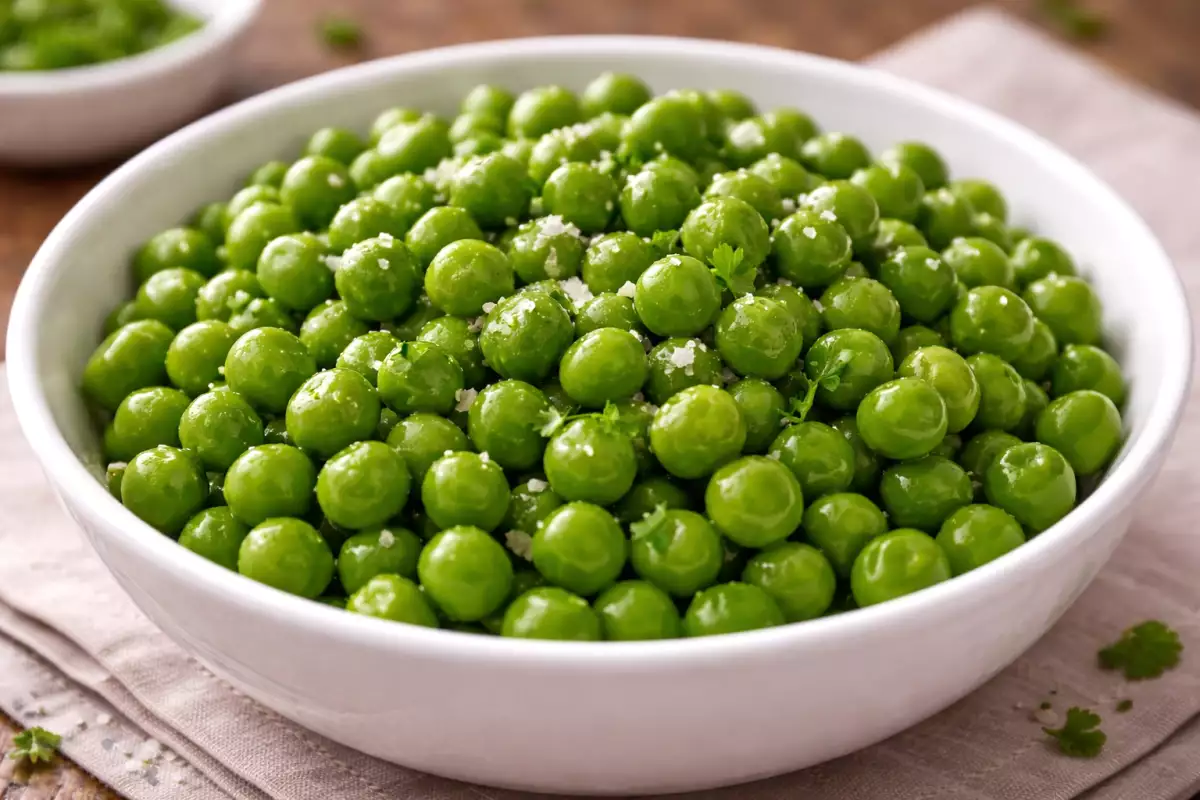
With their delicately sweet taste and bright green color, fresh peas are one of spring's most emblematic vegetables. They add a touch of freshness to many dishes, and can be enjoyed in a variety of ways: simply with butter, in a risotto or salad, or as an accompaniment to fish or meat.
Start by choosing fresh peas
Before you even think about cooking, it all starts with the quality of the peas.
When you buy them in pods, choose pods that are :
- green
- firm
- slightly shiny
- free of blemishes and dried-out areas
Pods should also be well filled. If they look flat or mushy, the peas are less fresh.
The fresher the peas, the more tender and naturally sweet they will be.
Pea shelling
The first step is to shell the pods.
To do this, simply snap off the tip of the pod, then open it with your fingers to release the peas inside.
It may take a little time, but it’s also part of the charm of cooking with fresh, seasonal ingredients.
As a general rule, about 1 pound (500 g) of peas in pods yields roughly 5 to 7 ounces (150–200 g) of shelled peas.
Once shelled, give them a quick rinse under cold water.
Classic water cooking
The easiest way to cook fresh peas is in water.
Start by bringing a large pot of salted water to the boil.
When the water boils, add the peas and cook for between 8 and 12 minutes, depending on their size and freshness.
It's important to keep an eye on the cooking time: the peas should become tender while retaining a slight firmness.
Overcooking can cause them to lose their texture and beautiful green color.
The trick to keeping their beautiful color
After cooking, there's a little trick you can use to preserve the peas' brilliant color.
Simply plunge them immediately into a bowl of very cold water, or even ice water.
This technique, known as "refreshing", stops the cooking process and prevents the peas from continuing to cook with the residual heat.
The result: perfectly green, perfectly cooked peas.
Pan-frying: more gourmet
While cooking in water is the simplest, pan-frying adds even more flavor.
In a frying pan or sauté pan, melt a knob of butter or drizzle with olive oil.
Add the peas and a small glass of water.
Cover and cook over a low heat for 10 to 15 minutes, stirring occasionally.
This method allows the peas to cook gently while absorbing the aromas.
Pan-frying produces peas that are more melting and fragrant.
For even more flavor, you can add :
- chopped onion
- a clove of garlic
- a few lettuce leaves
- or even a little bacon
Steaming
Steaming is ideal if you want to retain maximum flavor and nutrients.
Simply place the peas in a steamer basket over a pan of simmering water.
Leave to cook for around 10 minutes.
This gentle cooking process produces very tender, fragrant peas, while preserving their texture.
How do you know if the peas are cooked?
To check doneness, simply taste a pea.
It should be :
- tender
- slightly sweet
- easy to crush under the tooth
Peas should remain slightly firm and not become mushy.
If they turn grayish or khaki, they have probably been overcooked.
Mistakes to avoid
Certain mistakes can easily spoil the cooking of peas.
Overcooking them
This is the most common mistake. Overcooking makes them floury and loses their flavor.
Not salting the water
Salt enhances the taste of peas.
Overcook them
Gentle cooking preserves their texture.
Peas cook quickly and don't need prolonged cooking.
How do you cook them?
Once cooked, peas can be used in many recipes.
They are delicious :
- simply with butter and a little salt
- in a spring salad
- in a purée
- in a risotto
- with carrots
- in pasta or vegetable dishes
They also go well with fish, chicken or vegetarian dishes.
A simple and delicious vegetable to cook
Fresh peas are one of spring's simple pleasures. With short cooking times and a few easy steps, you can produce a tender, sweet vegetable that's full of freshness.
Once you've mastered the right method, you'll find that they become a quick and tasty accompaniment, capable of bringing color and sweetness to many seasonal dishes.

As you know, we love verrines to start the meal :-) They immediately give a more chic and elegant touch to the table, perfect for festive meals . Whether as an aperitif or as a starter, these ultra-colorful vegetarian verrines will be a...
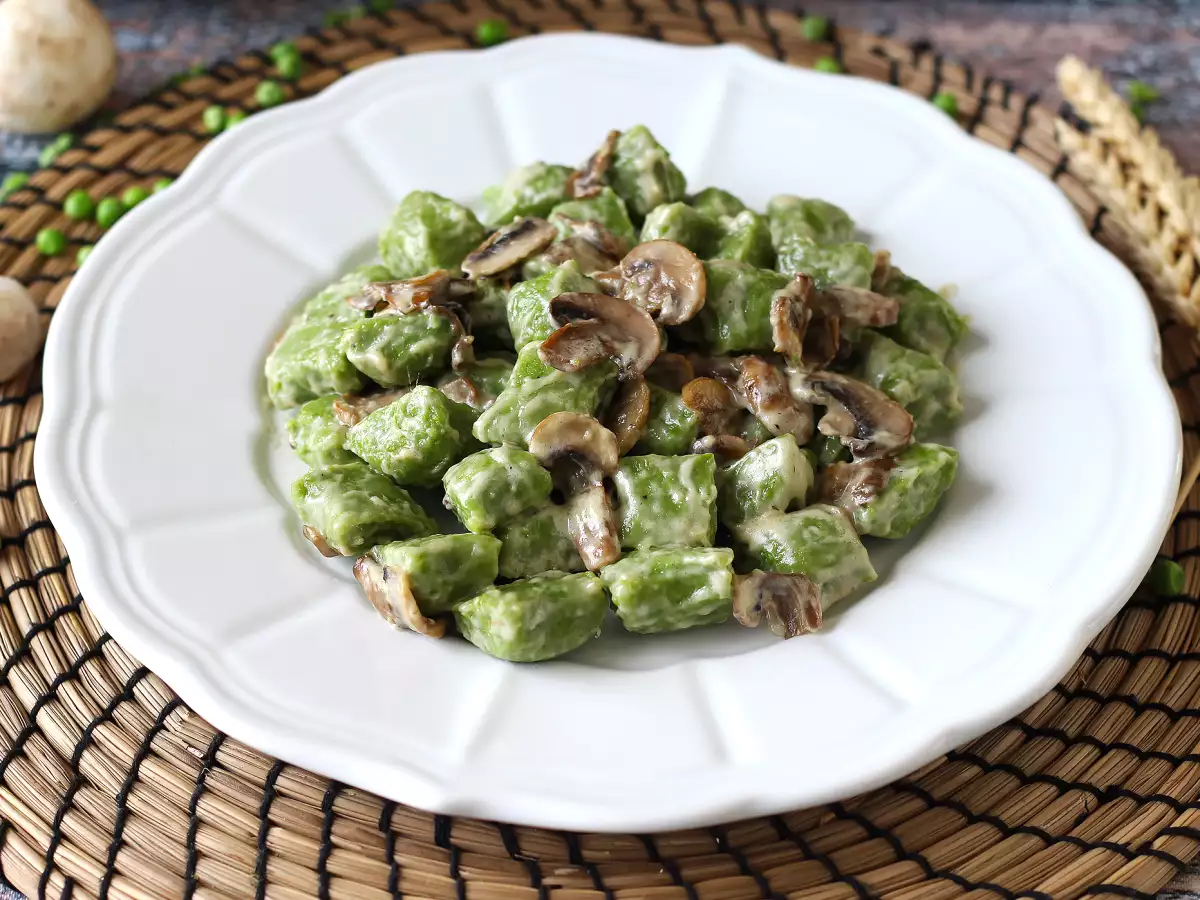
Pea gnocchi with mushroom sauce is a delicate and flavorful dish , perfect for those who like original variations on traditional cuisine. The gnocchi, made with a base of peas and flour (no eggs), are light and have a sweet, vegetable flavor. Their...
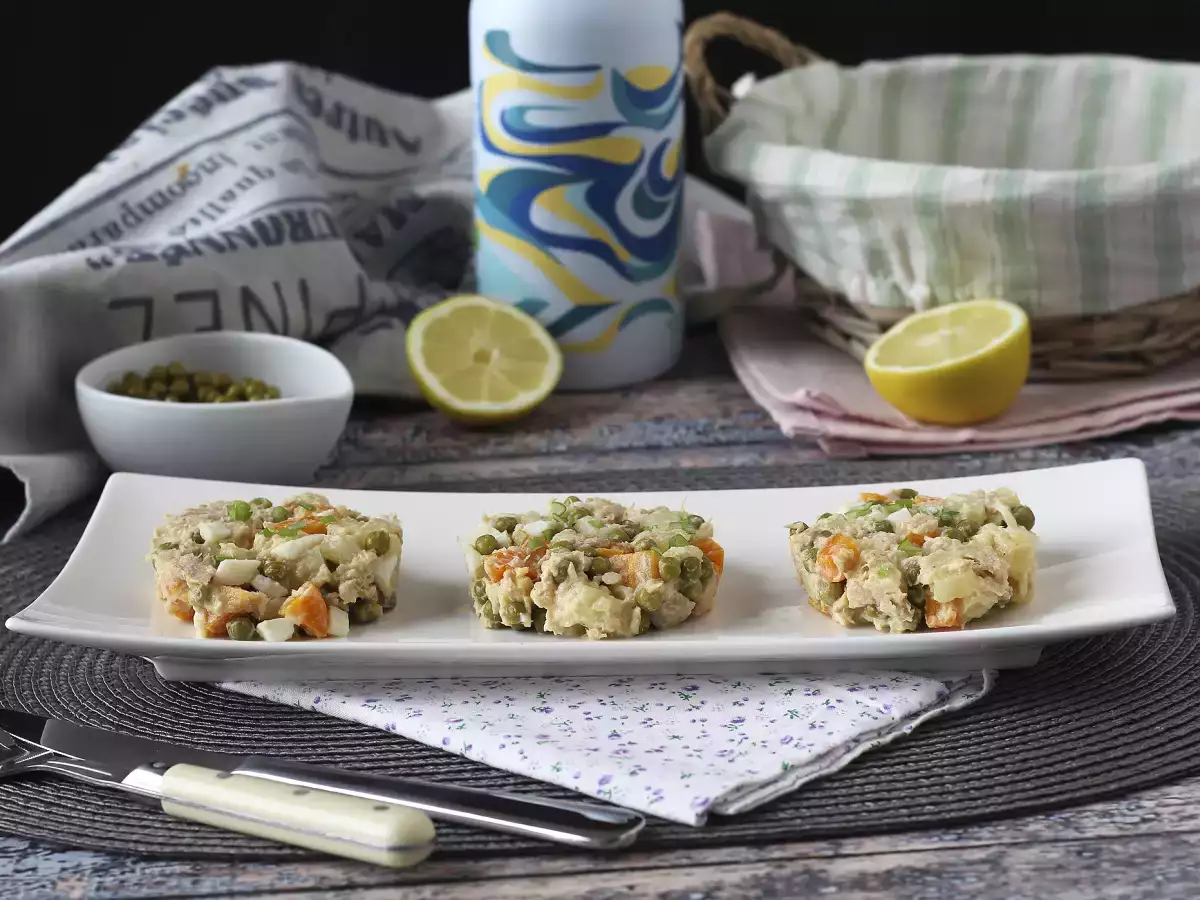
You have to try this Russian salad (which is only Russian in name, it must be said). This salad, a symbol of freshness and versatility, can be served as starter, appetizer or even as main dish. It also allows countless variations according to the...
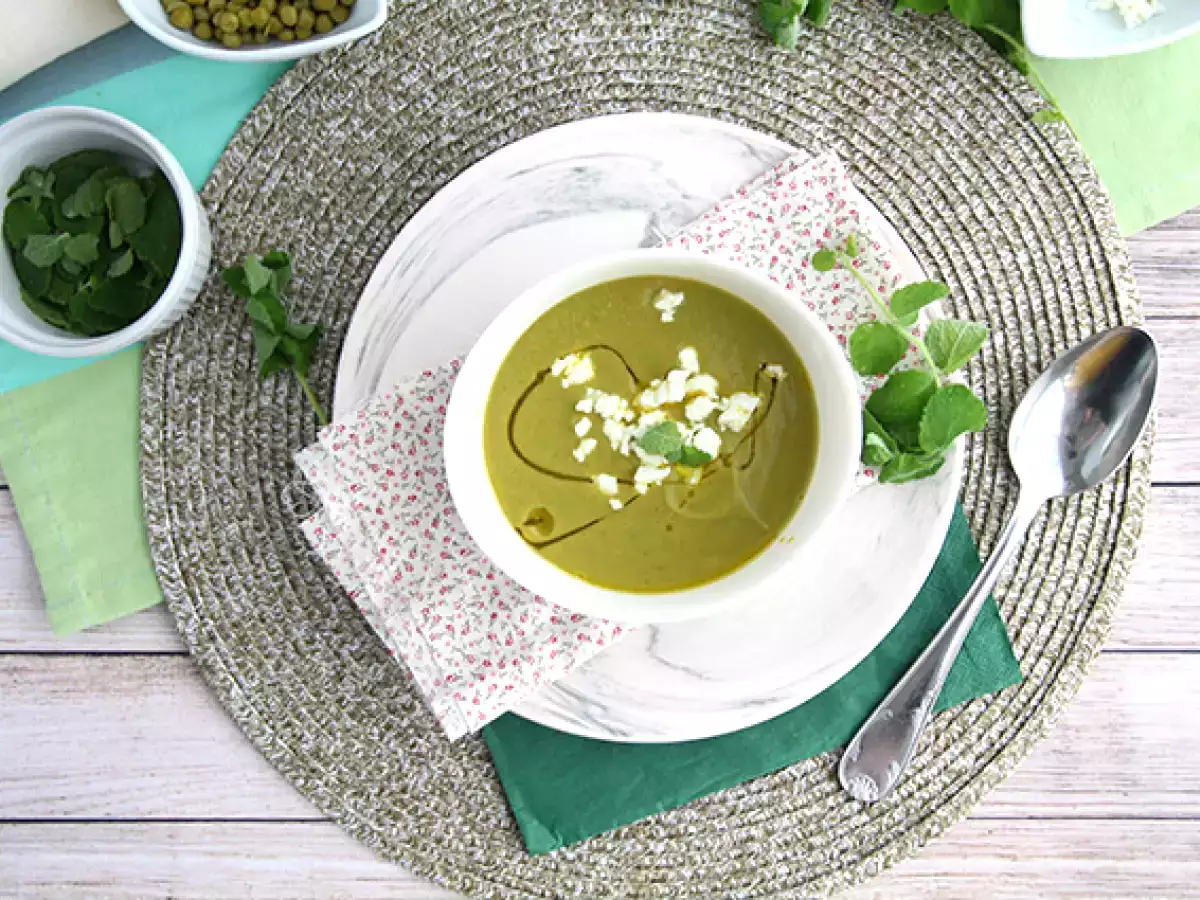
To enjoy soups even when it's hot, prepare them cold! Today, we offer you our quick and easy pea soup recipe. This no-cook recipe is perfect for serving in small glasses as an appetizer or as a refreshing starter for a meal.
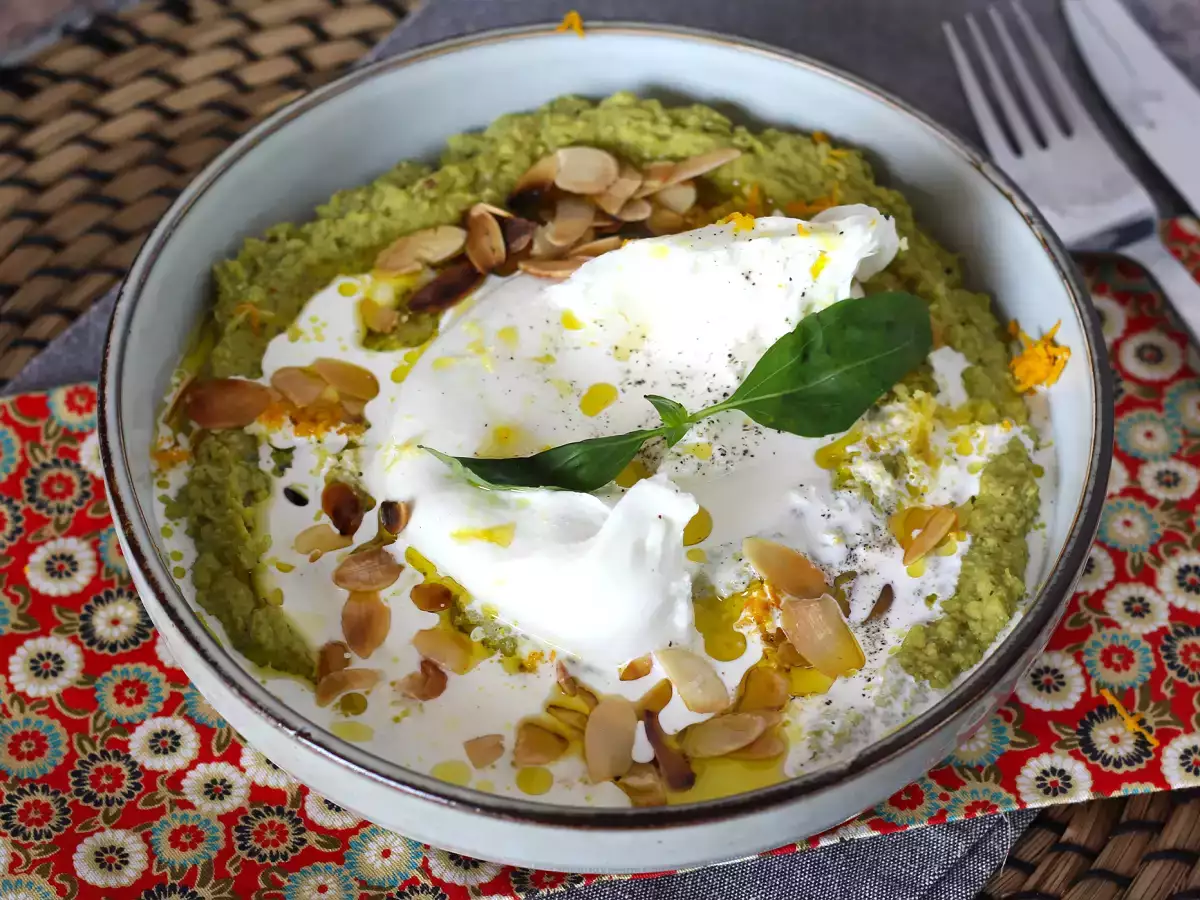
Let's make a new dip using peas ! A perfect combination of flavours :-) You'll love it topped with a Italian burrata cheese !
 Adèle Peyches
Comments