6 Italian food words every traveler and foodie should know: menu staples, cooking terms, and tips
Italian cuisine has a deceptive virtue: it seems easy to understand. Pasta, tomato, cheese, rice, a few familiar sauces and the impression of being in familiar territory. But it is enough to open an Italian recipe book or listen to a cook talk about risotto to notice that much of its logic lies in words that do not always translate well or that do not always find an exact translation in Spanish. They are not ornaments or gastronomic folklore. They are terms that name gestures, points and ways of cooking.
It's not about learning Italian to cook pasta or risotto at home. It's about better understanding what's going on in the pot, in the pan or on the plate. Understanding these terms is not just for reading a recipe better. It serves, above all, to cook with more criteria. Because there are words that sharpen the eye: they help to recognize when a rice is where it should be, what it really means to finish a pasta in the pan or why a vegetable base should not be cooked in a hurry. Italian cuisine, often celebrated for its apparent simplicity, is full of nuances. And many of them fit into a single word.
Here are six Italian words that are worth knowing not only to better understand Italian cuisine, but also to cook it with a little more judgment. And nothing better than some recipes to put them into practice.
Risottare the pasta
Risottare the pasta consists of finishing its cooking with a logic similar to that of risotto: instead of simply boiling it and then mixing it with the sauce, the pasta is finished, and sometimes almost completely cooked, in the pan, adding broth or cooking water little by little and stirring so that the starch emulsifies with the fat and liquid. In a broader sense, many cooks also use the term to refer to the pan finishing of pasta that is still very al dente, when it is finished cooking in the pan until the sauce and pasta are well combined.
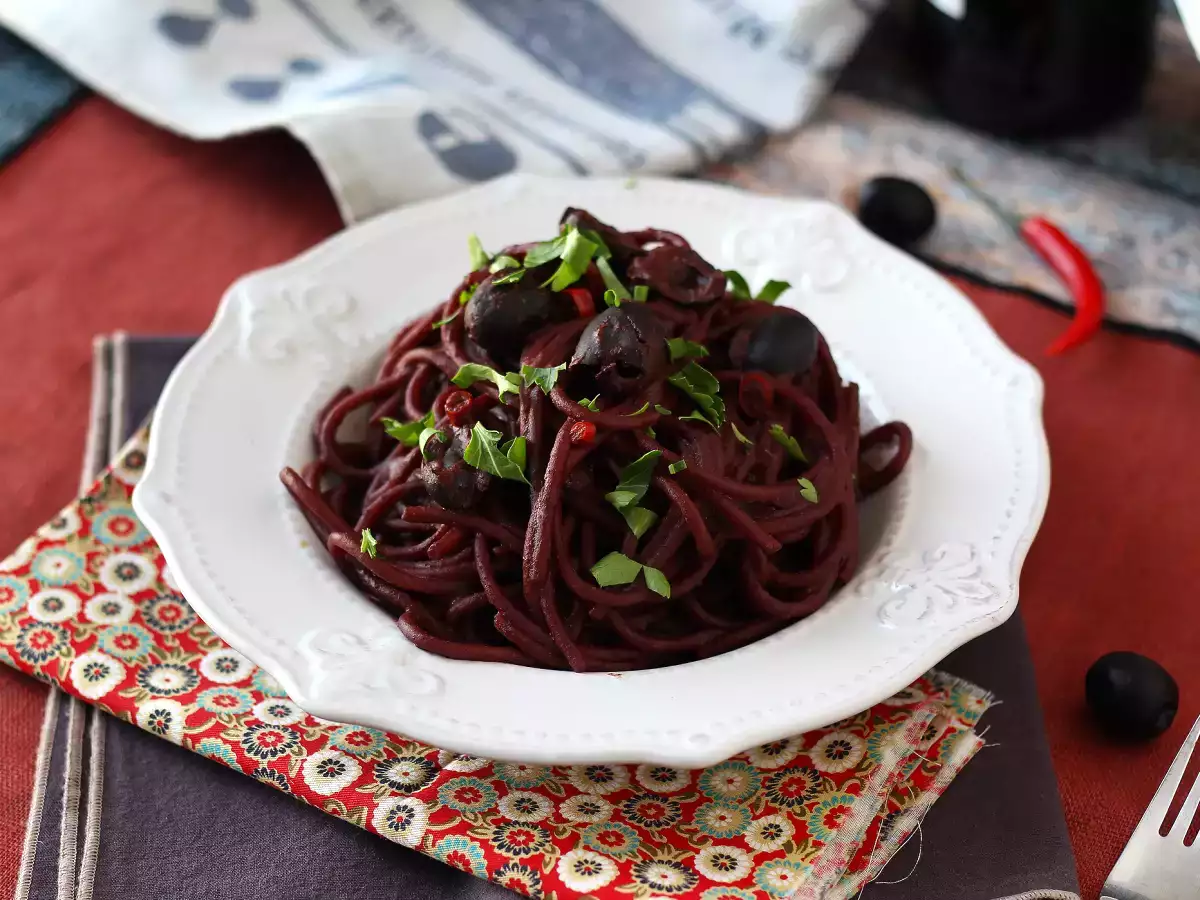
The "Spaghetti al Fuoco di Bacco" is a rich, flavorful dish created by chef Luigi Ammirati , who has reinterpreted Calabrian culinary tradition with a personal touch . This dish delights with its combination of rich, comforting ingredients ,...
Mantecatura
Mantecatura is one of the great final gestures of Italian cuisine. It consists of binding a hot dish, especially a risotto, with butter, cheese or other fatty matter, off the heat, so that it gains body, brightness and cohesion.
But it is not convenient to reduce it to a simple final addition. The important thing is not to simply add butter, but to provoke an emulsion: to make the starch, the fat and the remaining liquid form a unified, smooth, almost enveloping texture. This is where it is often decided whether the dish is finished or just finished.
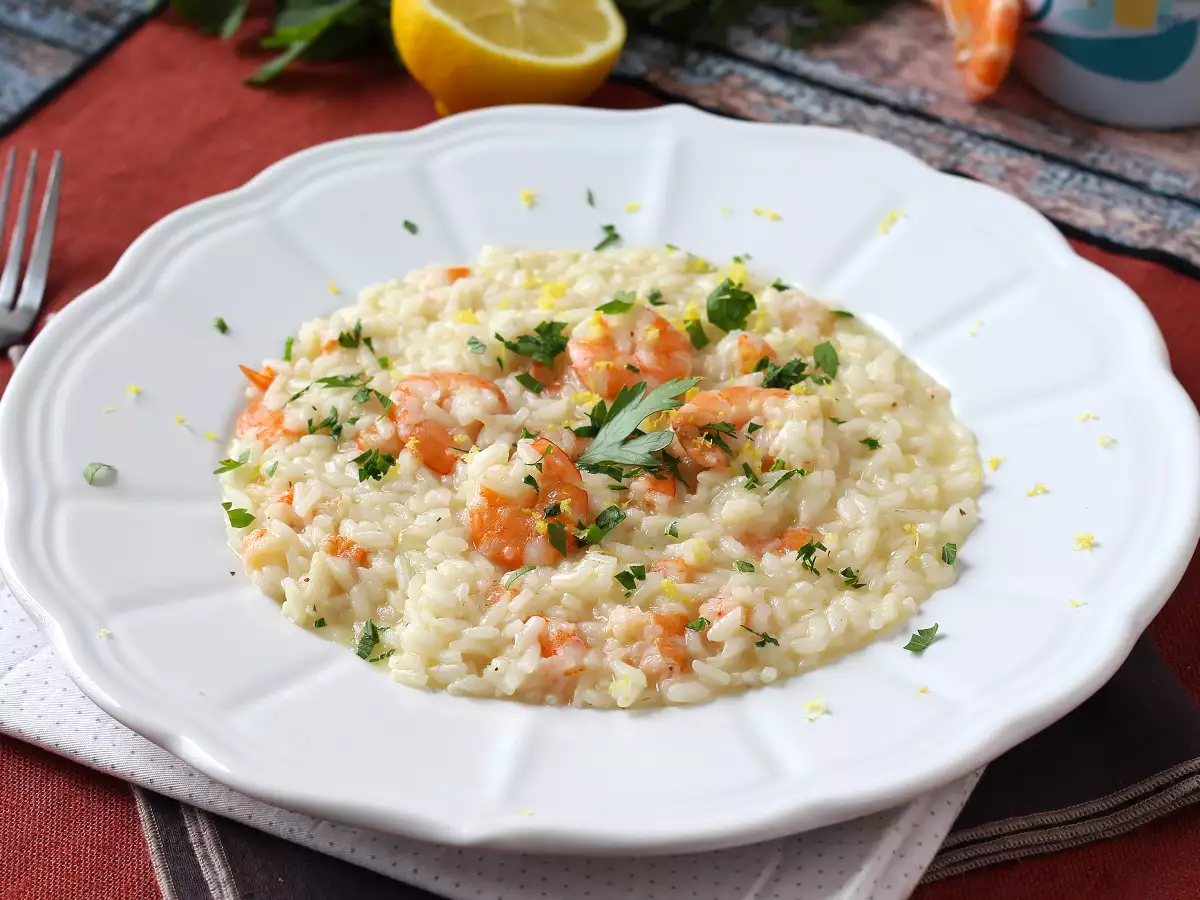
Shrimp and lemon risotto is an iconic dish in Italian cuisine , ideal for special occasions (including a romantic dinner❤️). Elegant and balanced in flavor, it combines the creaminess of the rice with the sweetness of the shrimp and the citrusy...
All'onda
Few expressions are as visual as all'onda, "on the wave". It is used above all to describe the ideal point of risotto: creamy and fluid, able to spread on the plate with a slight undulation, without remaining rigid but also without melting like a broth.
The image serves more than just to embellish the language. It allows us to recognize one of the most common mistakes outside Italy: serving risotto too thick, almost compact. A good risotto does not clump; it moves. All'onda is, at bottom, a very precise way of calling for balance.
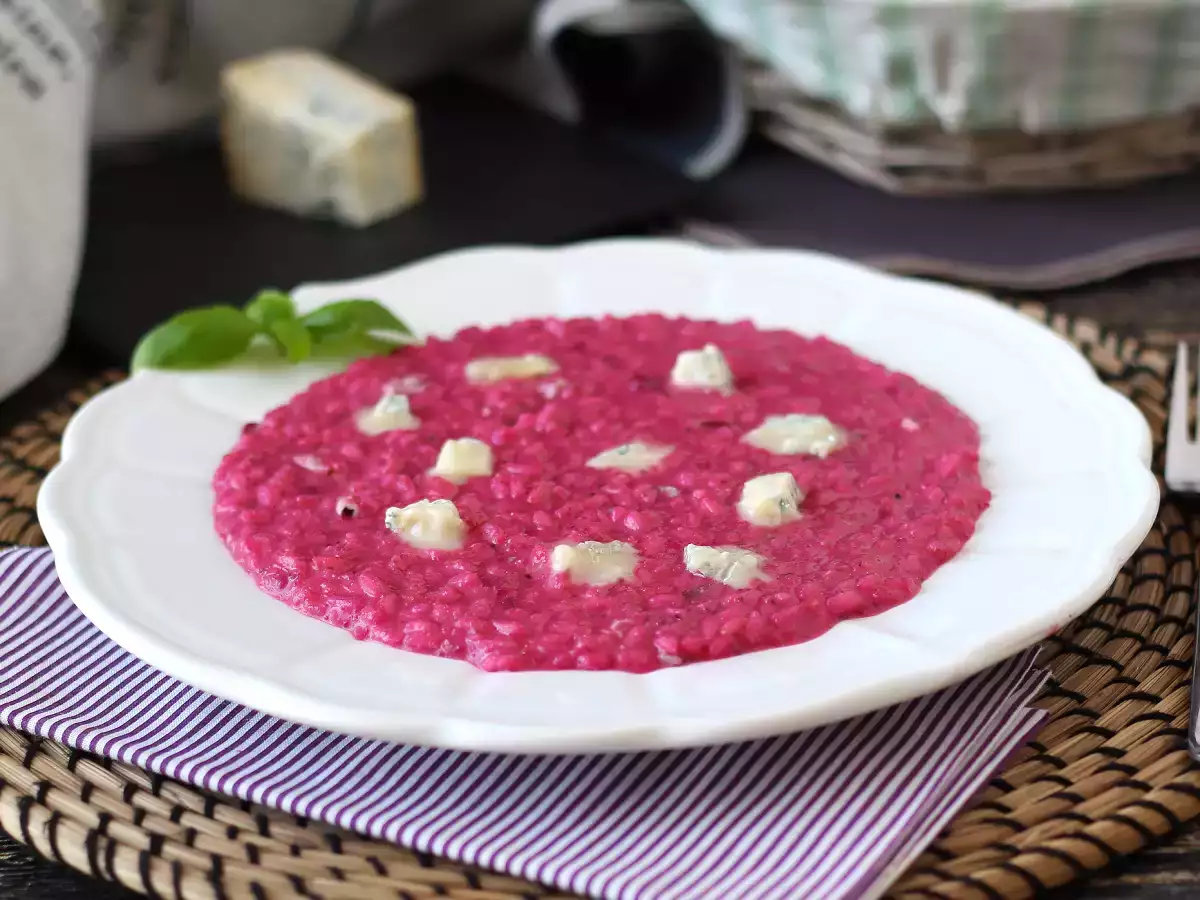
An explosion of flavor in every bite! The deep red of beetroot , sweet and earthy, pairs perfectly with the rich creaminess and distinctive character of Gorgonzola. This contrast of flavors will delight every palate. Beetroot and Gorgonzola risotto...
Saltare
In Italian, saltare not only describes a quick cooking in a pan, but also the gesture of moving the contents so that they mix, bind and finish evenly. The word has something of culinary physics in it: it's not enough to put the ingredients together, you have to make them meet.
You see that very well in pasta. In many Italian recipes, the sauce is not poured on top at the end, but is integrated into the pan with the pasta and a little cooking water. There, in that final minute, the dish ceases to be pasta on one side and sauce on the other.
Soffritto
Italian soffritto is usually constructed with finely chopped onion, celery and carrot, cooked over low heat in oil or butter until they soften and perfume the fat without browning.
It is a discreet but decisive base. It does not seek fried flavor or intense browning, but depth and slow sweetness. To understand what a soffritto is, it is necessary to remember something that domestic cooking often forgets: not everything is improved by turning up the heat.
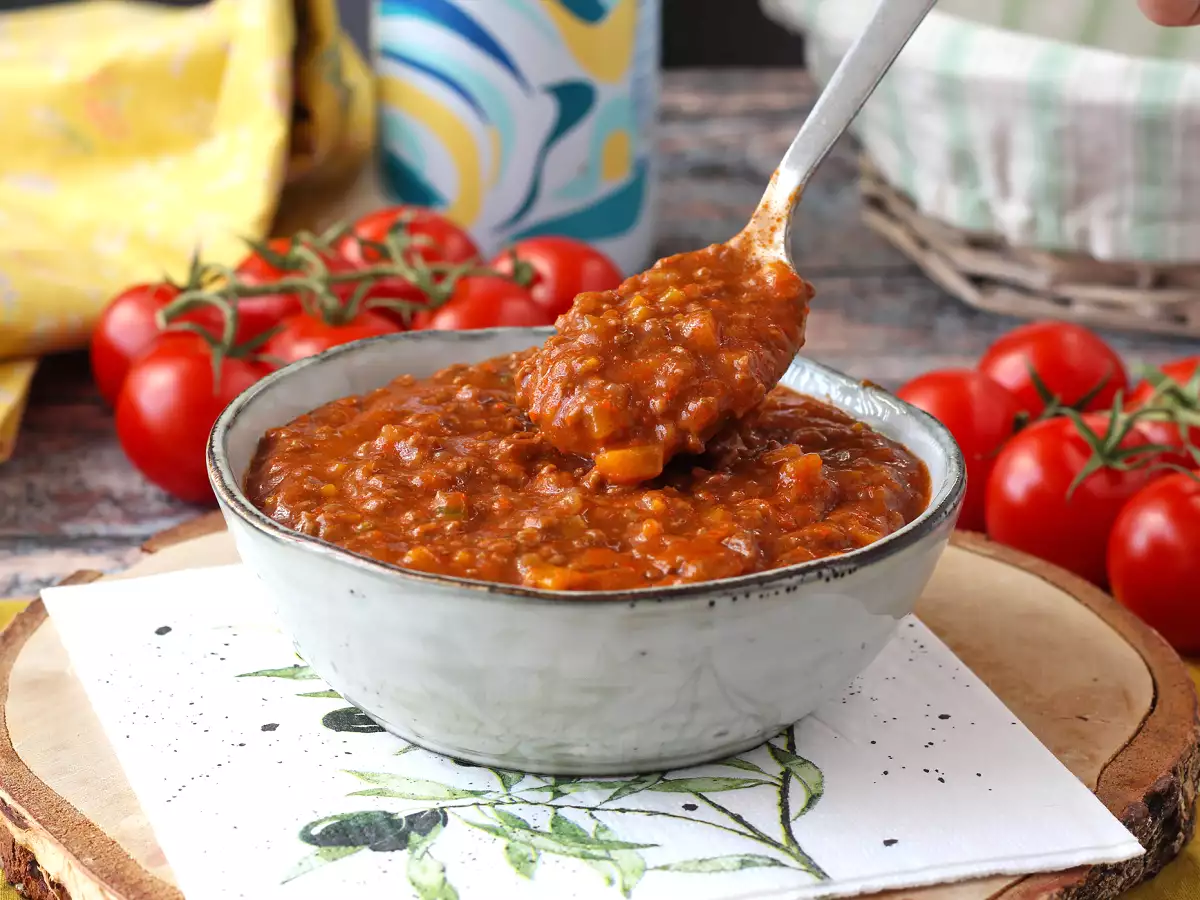
Fancy a good homemade Bolognese sauce , just like in Italy? This recipe for ragù alla bolognese is simple, authentic and full of flavor :) With finely chopped vegetables, well-seared meat, good red wine and slow cooking, you get a rich, flavorful...
Al dente
It is certainly the best known term, and also one of the most simplified. Al dente does not mean that the pasta is hard, but that it retains a slight resistance when bitten. It is cooked, but not rendered.
This point is important for texture, of course, but also for performance. An al dente pasta can better withstand the passage through the pan, absorbs the sauce without breaking and reaches the plate with more bite. The difficult thing is not to learn the expression, but to free it from two caricatures: raw pasta inside and overcooked pasta.
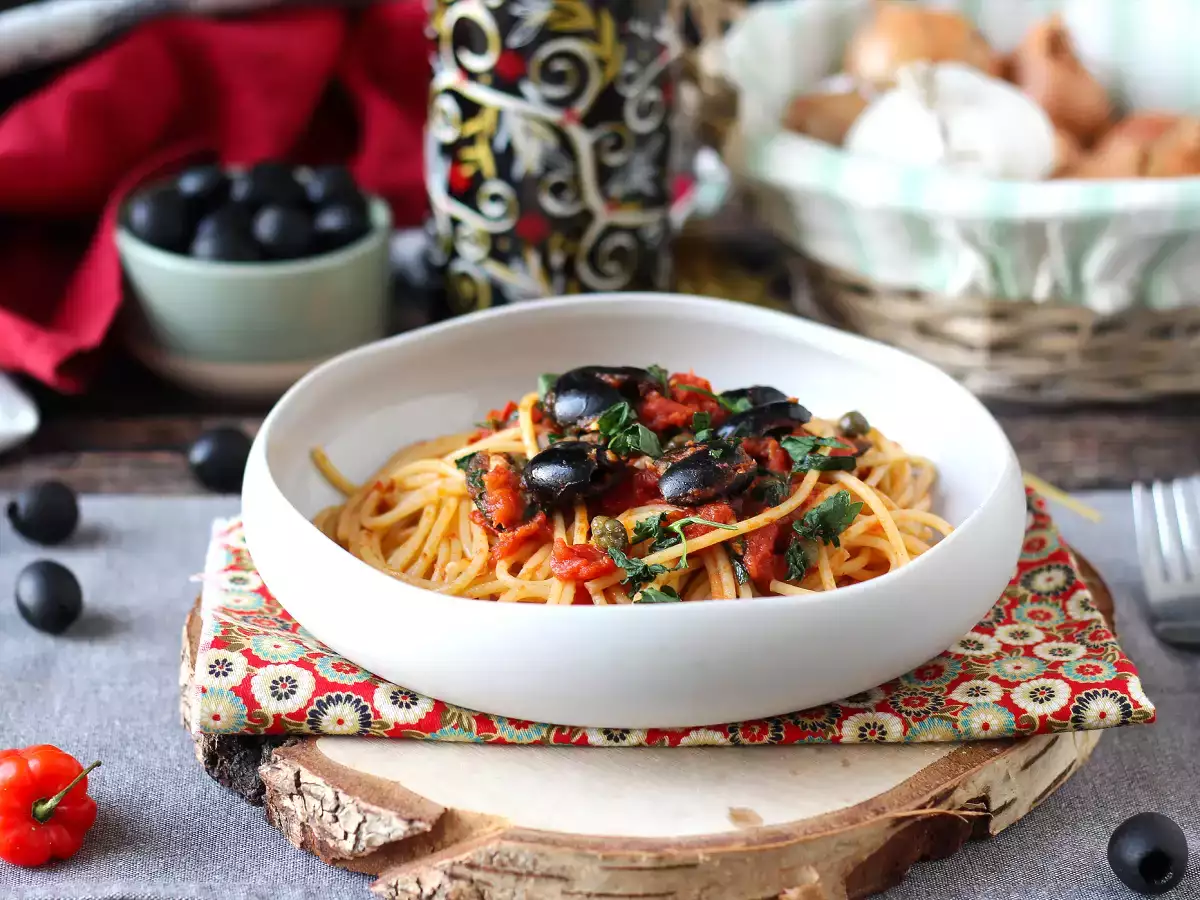
The perfect dish for a quick and flavorful meal. Spaghetti alla puttanesca is made with tomatoes, olives, capers and anchovies: a slightly spicy first course with a Mediterranean flavor that takes very little time to prepare (about 25 minutes from...
Much more than vocabulary
Learning these words does not make anyone an Italian cook, just as knowing how to say soufflé does not guarantee that it will rise well in the oven. But it does change the way you read a recipe and, above all, the way you look at what is happening while cooking. Suddenly, risotto is no longer just "creamy": it may or may not be all'onda. The pasta is not only boiled: it is, or is not, al dente. The end of a dish is no longer an improvised gesture when the role of the buttering is understood. Therein lies a good part of the interest of these words. They are useful because they help to name things that allow us to cook better and more technically. When that happens, cooking changes a little. Not because you have a wider repertoire of gastronomic terms, but because you begin to distinguish the nuances better. And in a cuisine like Italian, sometimes so celebrated for its apparent simplicity, nuances are almost everything.
 Patricia González
Comments