You might be tossing a sardine's most nutritious part without knowing, find out what you're losing
Tuesday 6 October 2026 10:00 - Mirella Mendonça
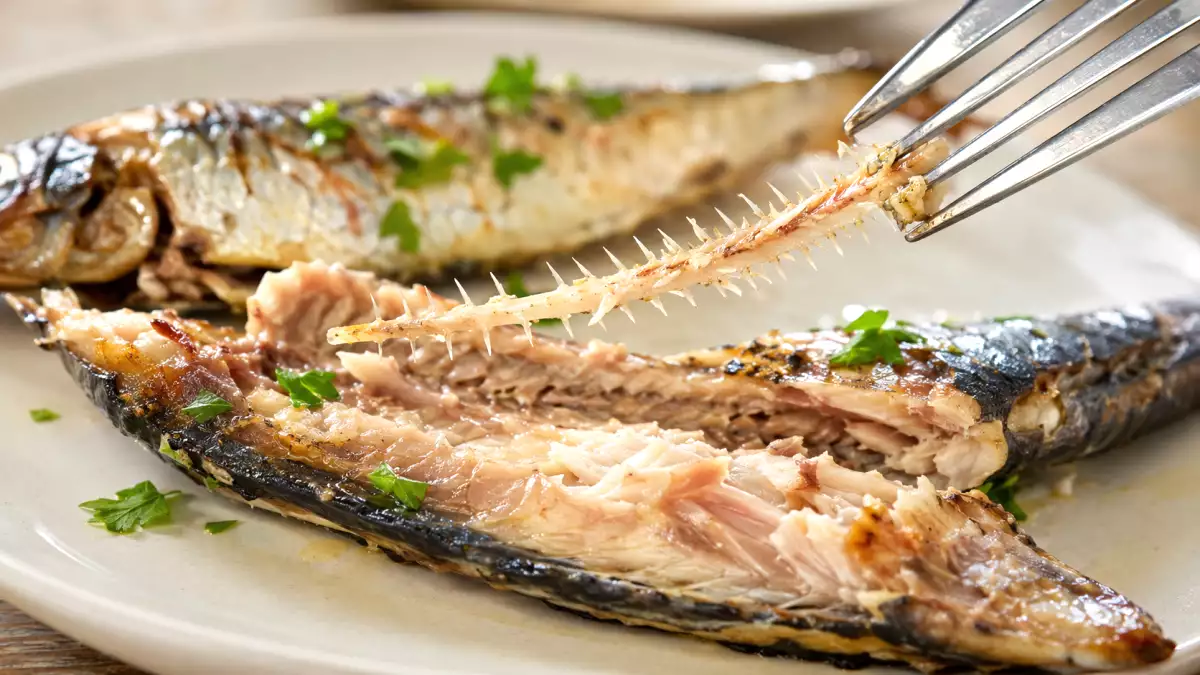
The problem is that, especially with canned sardines, some of what ends up in the trash may actually be among the most nutritionally valuable parts of the fish. The soft bones, the skin, and the darker flesh near the sides of the fish can provide calcium, vitamin D, omega-3s, protein, and minerals.
That doesn’t mean you have to force yourself to eat everything. But understanding what you’re discarding can change the way you view this simple, inexpensive, and nutritious fish.
The most overlooked part: soft pimples
When it comes to fresh sardines, many people remove the bones because of the texture, out of habit, or out of fear. In canned sardines, however, the bones are heated and become so tender that they can be eaten along with the fish.
And that’s exactly where the surprise lies: these bones are a significant source of calcium, a mineral essential for bones, teeth, muscle contraction, and other bodily functions.
By discarding the bones from canned sardines, you may be throwing away a part that helps make this food more nutritionally complete, especially for those who consume little milk and dairy products.
And that’s exactly where the surprise lies: these bones are a significant source of calcium, a mineral essential for bones, teeth, muscle contraction, and other bodily functions.
By discarding the bones from canned sardines, you may be throwing away a part that helps make this food more nutritionally complete, especially for those who consume little milk and dairy products.
Why are the bones in canned sardines edible?
During the canning process, sardines undergo heat treatment. This controlled heat helps preserve the food and also softens small structures, such as bones.
That’s why, in most cans, they almost disappear when chewed. Many people don’t even realize they’re eating the bones, because they break down easily when mixed with the fish.
This is one of the reasons why canned sardines stand out as a practical source of calcium: it’s not just the flesh that counts, but the fish consumed in its entirety.
That’s why, in most cans, they almost disappear when chewed. Many people don’t even realize they’re eating the bones, because they break down easily when mixed with the fish.
This is one of the reasons why canned sardines stand out as a practical source of calcium: it’s not just the flesh that counts, but the fish consumed in its entirety.
The skin also has nutritional value
Another part that is often removed is the sardine’s skin. It can contain some of the fish’s natural fats, including omega-3 fatty acids, and also contributes to its flavor and texture.
The omega-3 found in fatty fish, such as sardines, is associated with dietary patterns that promote cardiovascular health when consumed as part of a balanced diet.
If the skin is in good condition, without a strong odor and with a normal appearance, there is no reason to discard it simply out of habit. In many recipes, it helps keep the fish more flavorful.
The omega-3 found in fatty fish, such as sardines, is associated with dietary patterns that promote cardiovascular health when consumed as part of a balanced diet.
If the skin is in good condition, without a strong odor and with a normal appearance, there is no reason to discard it simply out of habit. In many recipes, it helps keep the fish more flavorful.
What about the dark part of the sardine?
The darkest strip of the sardine, near the side of the fish, is often removed because it has a more intense flavor. It is part of the muscle tissue richest in pigments and may contain high concentrations of important nutrients.
This area may have a more pronounced flavor, but it is not a sign of dirt or spoiled food when the fish is fresh or the canned product is in good condition.
If the taste bothers you, you can use lemon, herbs, onion, or simple seasonings to balance it out. However, from a nutritional standpoint, it is not a part that needs to be automatically discarded.
This area may have a more pronounced flavor, but it is not a sign of dirt or spoiled food when the fish is fresh or the canned product is in good condition.
If the taste bothers you, you can use lemon, herbs, onion, or simple seasonings to balance it out. However, from a nutritional standpoint, it is not a part that needs to be automatically discarded.
What You Lose When You Throw These Parts Away
By removing soft bones, skin, and darker parts, you may reduce your intake of nutrients such as calcium, vitamin D, omega-3, phosphorus, selenium, and protein.
This does not mean that sardine meat is no longer nutritious. It remains a good source of protein and micronutrients. The point is that consuming the fish more whole can enhance its nutritional benefits.
In times of convenient meals and tight budgets, making better use of sardines also helps reduce waste.
This does not mean that sardine meat is no longer nutritious. It remains a good source of protein and micronutrients. The point is that consuming the fish more whole can enhance its nutritional benefits.
In times of convenient meals and tight budgets, making better use of sardines also helps reduce waste.
Fresh sardines and canned sardines: they require different care
In canned sardines, the bones are usually soft and safe to eat in most products. With fresh sardines, however, the bones can be firmer and more bothersome, especially for children, the elderly, or people who have difficulty chewing.
The skin of fresh sardines can be eaten when the fish is thoroughly cleaned, fresh, and properly prepared. The key factor is quality: a mild odor, shiny skin, bright eyes, and firm flesh.
If there is a strong odor, an overly slimy texture, an unusual color, or any sign of spoilage, the problem isn’t the skin or the bones—it’s the condition of the fish.
The skin of fresh sardines can be eaten when the fish is thoroughly cleaned, fresh, and properly prepared. The key factor is quality: a mild odor, shiny skin, bright eyes, and firm flesh.
If there is a strong odor, an overly slimy texture, an unusual color, or any sign of spoilage, the problem isn’t the skin or the bones—it’s the condition of the fish.
Who Should Be Careful
Young children:
Even with canned sardines, it is important to check the texture and remove any pieces that might cause discomfort.
People with difficulty swallowing:
should avoid parts that might cause discomfort and follow professional guidance when necessary.
People with kidney disease:
may need to monitor their intake of minerals, sodium, and protein; therefore, they should follow medical or nutritional recommendations.
Those who need to reduce their sodium intake:
should compare labels, as some canned sardines are high in salt.
Even with canned sardines, it is important to check the texture and remove any pieces that might cause discomfort.
People with difficulty swallowing:
should avoid parts that might cause discomfort and follow professional guidance when necessary.
People with kidney disease:
may need to monitor their intake of minerals, sodium, and protein; therefore, they should follow medical or nutritional recommendations.
Those who need to reduce their sodium intake:
should compare labels, as some canned sardines are high in salt.
How to get the most out of it without the taste seeming strange
If you're not used to eating the soft bones in canned sardines, start by thoroughly mashing the fish with a fork. This blends the texture and makes the bones practically imperceptible.
To mellow the flavor of the skin and the dark meat, use fresh, acidic ingredients such as lemon, tomato, onion, parsley, cilantro, or vinegar. They balance out the sardine’s more intense flavor.
Another tip is to choose high-quality products, check the label, and avoid cans that are bulging, leaking, rusty, or badly dented.
To mellow the flavor of the skin and the dark meat, use fresh, acidic ingredients such as lemon, tomato, onion, parsley, cilantro, or vinegar. They balance out the sardine’s more intense flavor.
Another tip is to choose high-quality products, check the label, and avoid cans that are bulging, leaking, rusty, or badly dented.
The truth: not everything that looks like leftovers is waste
Sardines are one of those foods where using every part can make a difference. What many people call “leftovers” may actually be the part that contains the most valuable nutrients.
The soft bones provide calcium. The skin contributes natural fats and flavor. The dark meat can be nutritious, even though it has a stronger taste.
So, before automatically discarding everything, it’s worth giving it a careful try. You may discover that the most nutritious part of the sardine was going straight into the trash.
The soft bones provide calcium. The skin contributes natural fats and flavor. The dark meat can be nutritious, even though it has a stronger taste.
So, before automatically discarding everything, it’s worth giving it a careful try. You may discover that the most nutritious part of the sardine was going straight into the trash.
Frequently Asked Questions
Can I eat the bones in canned sardines?
In most cases, yes. They become tender during heat processing and are a good source of calcium.
Is sardine skin bad for you?
No, as long as the fish is safe to eat. The skin can add flavor and some of the fish’s natural fats.
Is the dark part of the sardine dirt?
No. It’s part of the fish and may have a more intense flavor, but it isn’t dirt when the sardine is fresh or the canned product is in good condition.
Can people with high blood pressure eat canned sardines?
Yes, but they should check the sodium content on the label and choose versions with less salt, as advised by a healthcare professional.
Is it better to eat the whole sardine?
When the texture allows it, eating the skin and soft bones can increase the nutritional value. However, the choice should take into account safety, personal preference, and individual circumstances.
In most cases, yes. They become tender during heat processing and are a good source of calcium.
Is sardine skin bad for you?
No, as long as the fish is safe to eat. The skin can add flavor and some of the fish’s natural fats.
Is the dark part of the sardine dirt?
No. It’s part of the fish and may have a more intense flavor, but it isn’t dirt when the sardine is fresh or the canned product is in good condition.
Can people with high blood pressure eat canned sardines?
Yes, but they should check the sodium content on the label and choose versions with less salt, as advised by a healthcare professional.
Is it better to eat the whole sardine?
When the texture allows it, eating the skin and soft bones can increase the nutritional value. However, the choice should take into account safety, personal preference, and individual circumstances.
 Mirella Mendonça
I am the editorial manager at Petitchef (Portugal and Brazil) and a huge enthusiast of travel and world cuisine, always in search of new flavors and experiences. However, as much as I love exploring the delights of different cultures, my mom's cooking will always be my favorite — with that unique flavor that only she can create.
Comments