3 easy mayonnaise alternatives ready in 5 minutes
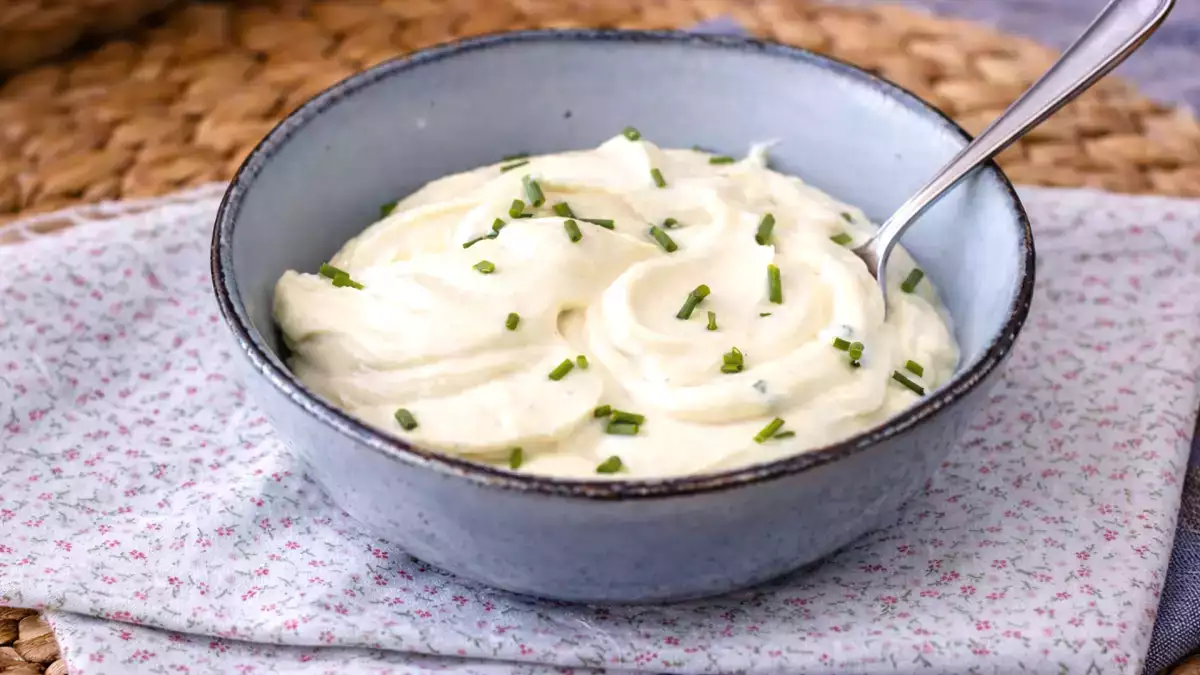
There are recipes that seem incomplete without a good mayonnaise: a Russian salad, a stuffed egg, a vegetable sandwich or a cold potato and tuna cake. The problem is that you don't always feel like preparing it as the classic version dictates. Sometimes because you don't have eggs; sometimes because in the warmer months many people prefer to avoid preparations with raw eggs and eliminate the potential risks of their consumption.
Something simpler can also happen: you open the fridge and you don't have the usual. At that moment it is worth remembering that mayonnaise is not just a closed recipe. It is also a texture, a way to give creaminess and to bind a dish. And that can be achieved in other ways.
These three alternatives can be prepared in five minutes and they solve that role well.
Avocado mayonnaise: a thicker and more flavorful version
The avocado plays in favor from the beginning for an obvious reason: its pulp already has the texture you are looking for in a sauce of this type. When mashed, a thick and uniform base is obtained.
In this version it is mixed with hard-boiled egg, which adds body and helps to round off the whole without resorting to raw egg. The result is a cream with a certain density, fresh and with a more marked flavor than that of a conventional mayonnaise. It goes well with fish, roasted vegetables and also in sandwiches.
Here the lemon has a clear function. On the one hand, it reduces the greasiness of the avocado. On the other hand, it helps the mixture to retain its color better for a while.
Compared to a classic mayonnaise, it mainly changes the flavor profile. It does not seek to imitate it completely, but it does offer a similar texture with a more rounded result.
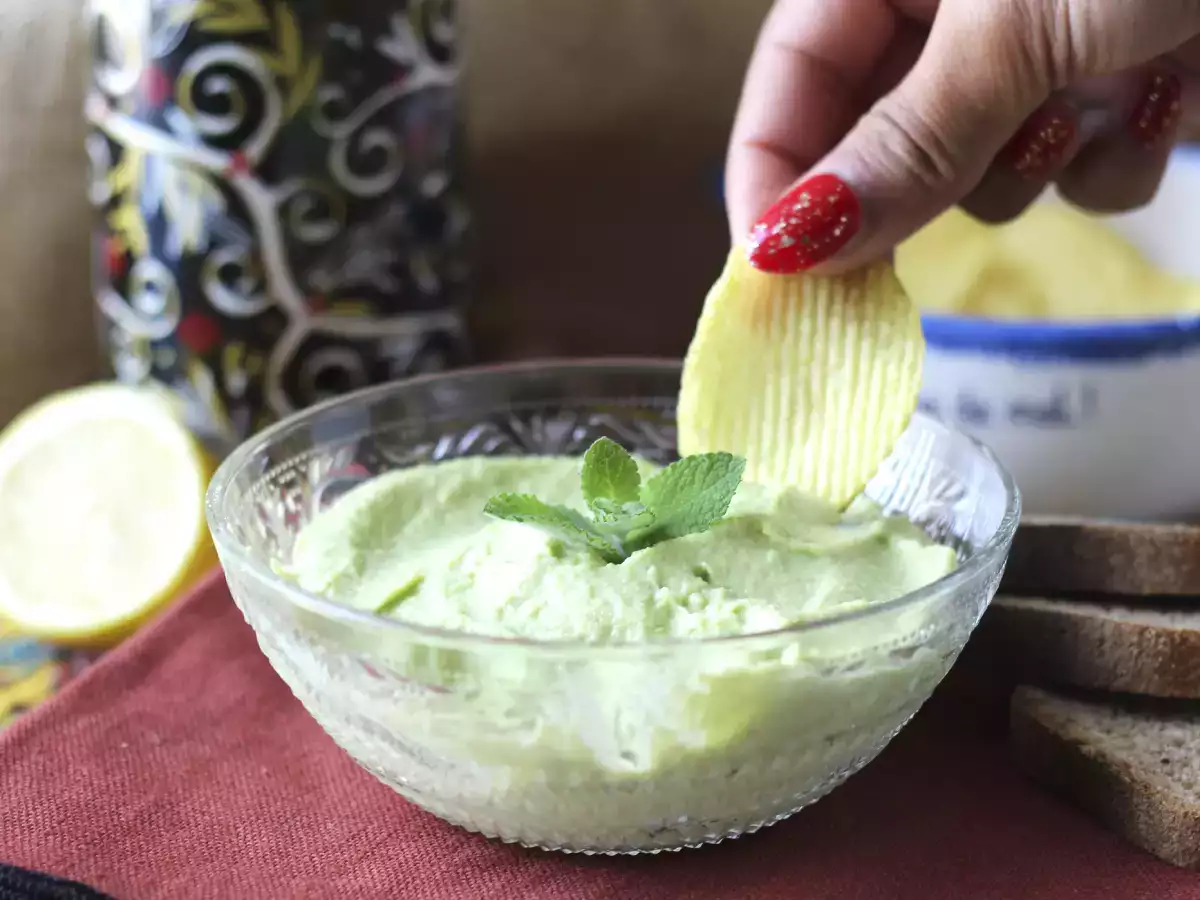
When temperatures rise, preparing a homemade mayonnaise with raw egg is no longer a safe option. But that doesn't mean giving up on a creamy , fresh and tasty sauce . This avocado mayonnaise with boiled egg is an easy, healthy and risk-free...
Lactonnaise: the egg-free solution that works best
Lactonnaise is probably the closest alternative to traditional mayonnaise in use and result. It substitutes milk for egg, but keeps oil as the base of the emulsion. Therefore, it retains the smooth and stable texture that is expected from a sauce of this type.
Its main advantage is obvious: it does not contain raw egg. But there is another one that should be taken into account: it usually gives less problems when preparing it, since it happens not infrequently that the traditional mayonnaise is cut. If the proportions and the temperature of the ingredients are respected, it is rare that it cuts.
In addition, it has a fairly neutral flavor. This makes it possible to adjust it with garlic, lemon juice, mustard or herbs without one note imposing itself too much over the others.
It is a good option when what you are looking for is a discreet sauce, one of those that accompany well and fit in almost any cold dish.
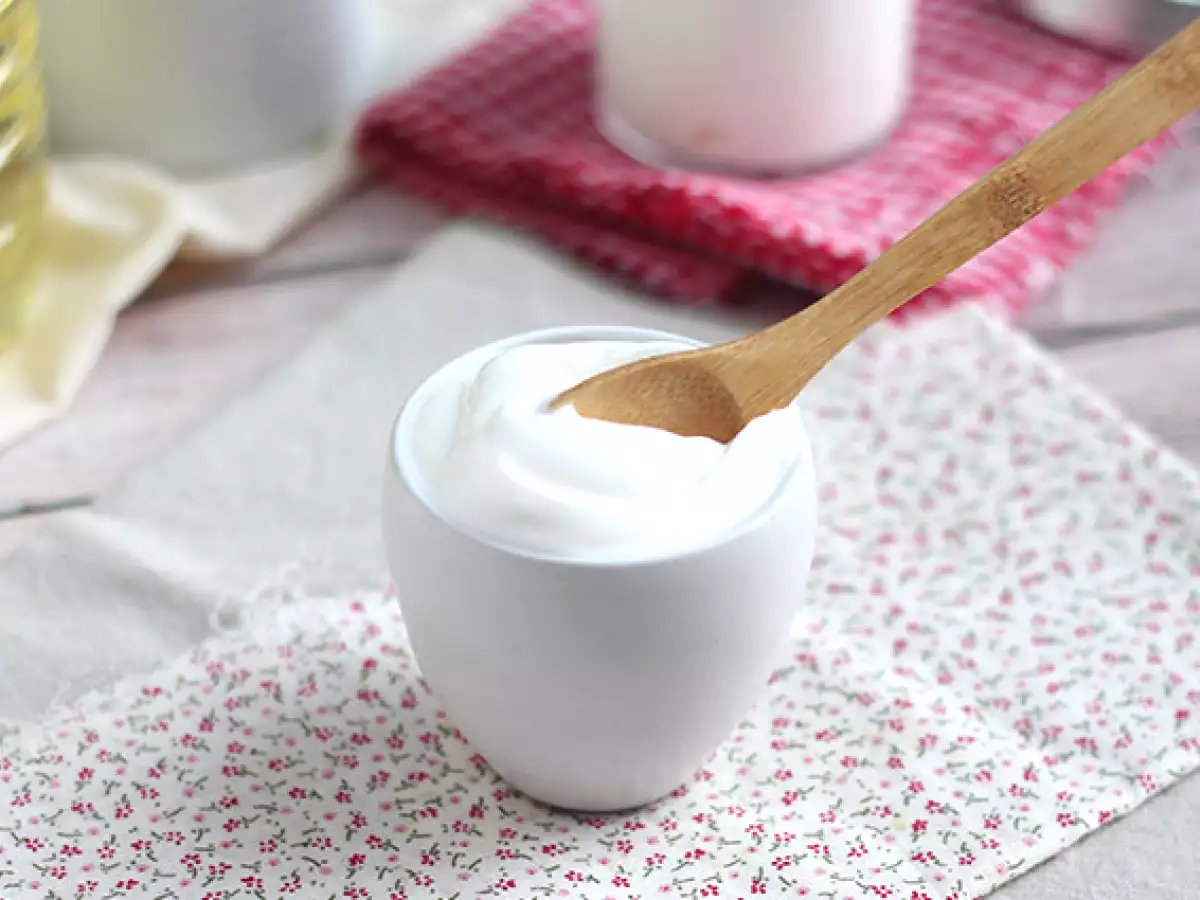
Not everyone likes mayonnaise, whether store-bought or homemade. Many people also dislike eating raw eggs. Lactonesa is the solution! It's much smoother and lighter. Plus, since it doesn't contain raw eggs, it lasts longer in the refrigerator. In just...
Light yoghurt mayonnaise: lighter and with a fresher touch
The third way does not try to reproduce the usual mayonnaise to the millimeter. It moves in the same field, but with a different balance.
The combination of yoghurt and boiled egg gives a creamy sauce, with less weight and a more marked acidity. In addition, as it does not contain oil, the result is lighter and also more direct in the mouth.
The yoghurt adds freshness; the hard-boiled egg, structure. From there, it can be adjusted with salt, lemon or a small amount of mustard, depending on the intended use.
It works especially well in salads, cooked or roasted vegetables and cold dishes in general. It has a pleasant texture and clean taste, without the density of a conventional mayonnaise.
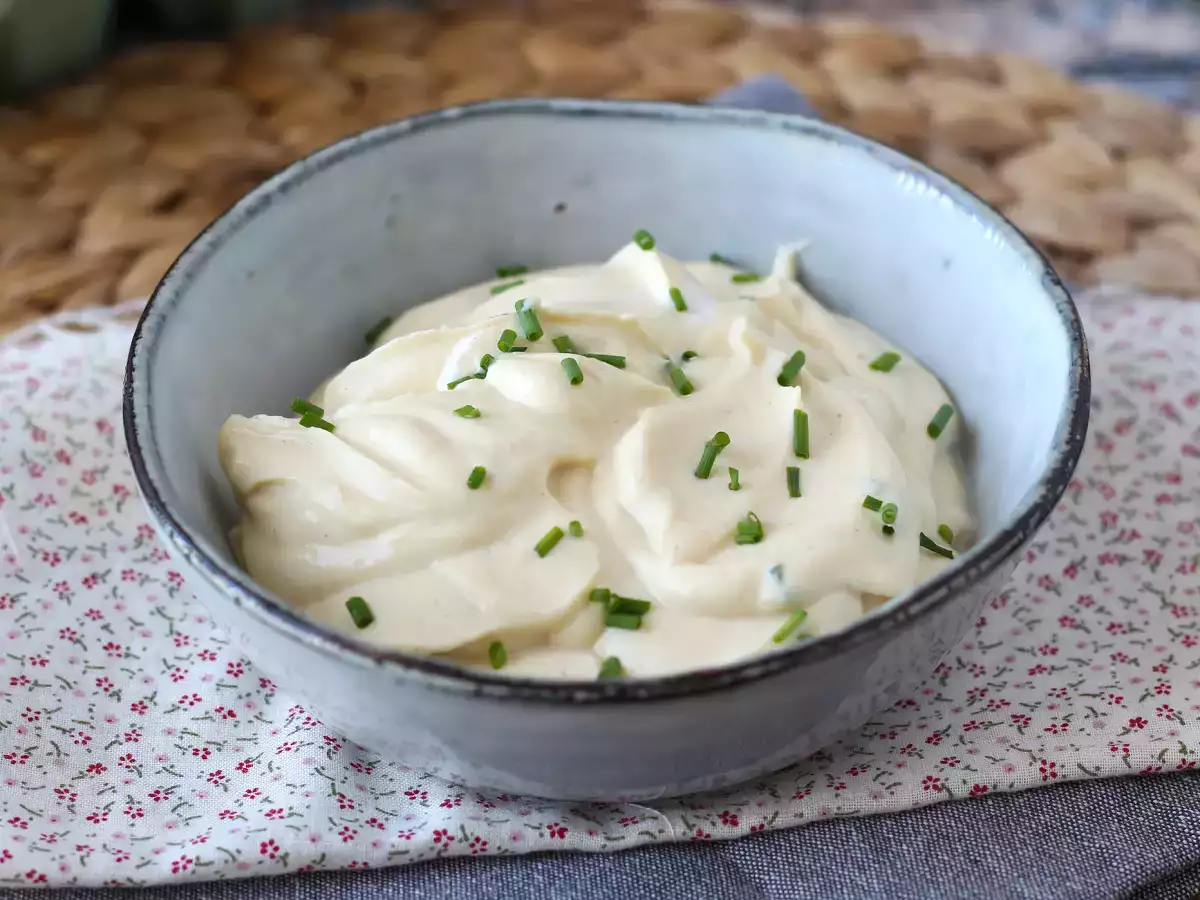
Mayonnaise , that famous sauce we love to top our eggs-mimosa or to accompany crispy fries .... We've come up with a super gourmet, light alternative with hard-boiled eggs and Greek yoghurt . A perfect option for those who prefer to avoid raw eggs,...
Three useful alternatives to get out of trouble with good judgment
The three recipes are based on the same idea: to obtain a creamy sauce to accompany everyday dishes, but in different ways.
The avocado one has more presence and a recognizable flavor. The lactonnaise is the closest to the classic mayonnaise. Yoghurt mayonnaise is lighter and fresher.
None of them completely replaces the usual mayonnaise, but all three work well when you are looking for a quick solution or prefer to avoid raw eggs. In addition, they expand the repertoire quite a bit without requiring much time or technique.
It is convenient to keep them in mind because they respond to very common situations: an ingredient is missing, it is hot or you simply feel like changing the register without giving too much thought to it.
 Patricia González
Comments