Baking soda and chickpeas: does adding it to the cooking water actually make a difference?
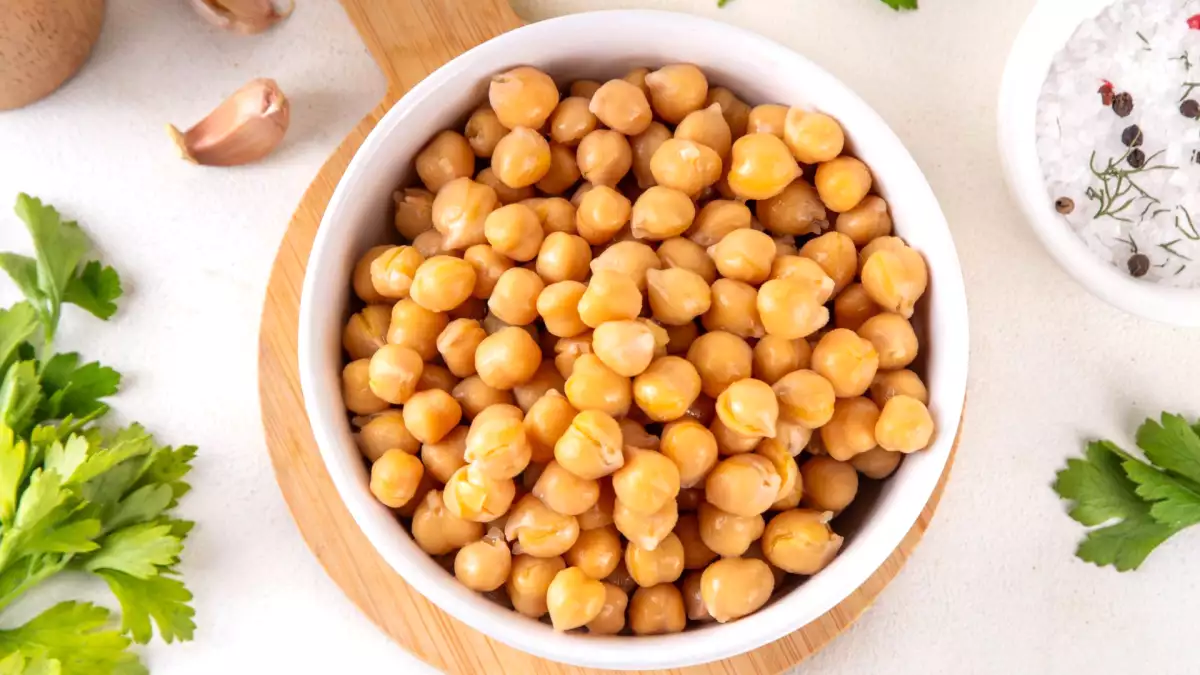
What baking soda really does
Research on legumes shows that baking soda promotes softening and can reduce cooking time. A study published and cited on PubMed explains, in particular, that an alkaline environment promotes the solubilization of pectins, which help maintain cell structure.
With chickpeas, the effect is most noticeable on the skin and in the final texture: they become tender more quickly and can eventually be mashed very easily.
For very smooth hummus, this is pretty useful
Cooking them a bit longer makes blending easier and results in a smoother texture. The skins also come off more easily when the chickpeas are very tender.
In this case, adding a small amount of baking soda to the soaking or cooking water can be very helpful. It doesn’t replace proper cooking, but it can speed up the process.
When it comes to salad, it's often better to skip it
If you use too much baking soda or cook them for too long, the chickpeas can become very soft, split open, and lose their shape. This isn’t a problem for hummus, but it’s much less appealing in a salad.
In this case, a standard soak in water followed by gentle cooking is usually sufficient. Just taste them regularly toward the end of cooking and stop as soon as the texture is to your liking.
How much should I use?
When cooking at home, stick to about half a level teaspoon per liter of water. There’s no need to add more in an attempt to speed up the cooking process: water that’s too alkaline can result in a very mushy texture and a less pleasant taste.
If you use it in the soaking water, rinse the chickpeas before transferring them to fresh water for cooking. You can also choose to add it only during the cooking process.
Be careful not to use too much baking soda
Baking soda can also cause certain compounds to leach into the cooking water. It should therefore be viewed as a tool for achieving the right texture, not as an essential ingredient.
Soaking is still useful, even without baking soda
Soaking them overnight in plenty of water works very well. The next day, drain and rinse the chickpeas, then cover them with fresh water to cook them.
Baking soda can speed up the softening process, but soaking in water alone works very well. If your chickpeas are fresh and you have time, you don’t need to add anything else.
Why do some chickpeas stay hard for a very long time?
The composition of the water also matters. Water high in calcium or magnesium can slow down the softening process of the legumes. This is when baking soda can be particularly helpful.
Before significantly increasing the cooking time, adding a small amount can help. But again, it’s best to use it sparingly.
What about digestion?
Soaking, rinsing, and cooking already reduce some of the fermentable compounds found in legumes. Baking soda can alter some of these compounds, but it does not, on its own, guarantee perfect digestion.
If you’re sensitive to legumes, start with small portions and make sure the chickpeas are thoroughly cooked.
The method depends mainly on the recipe
The best guide is still the texture. The softer you want the chickpeas to be, the more sense it makes to use baking soda. If you’re looking for a firm texture, it becomes much less necessary.
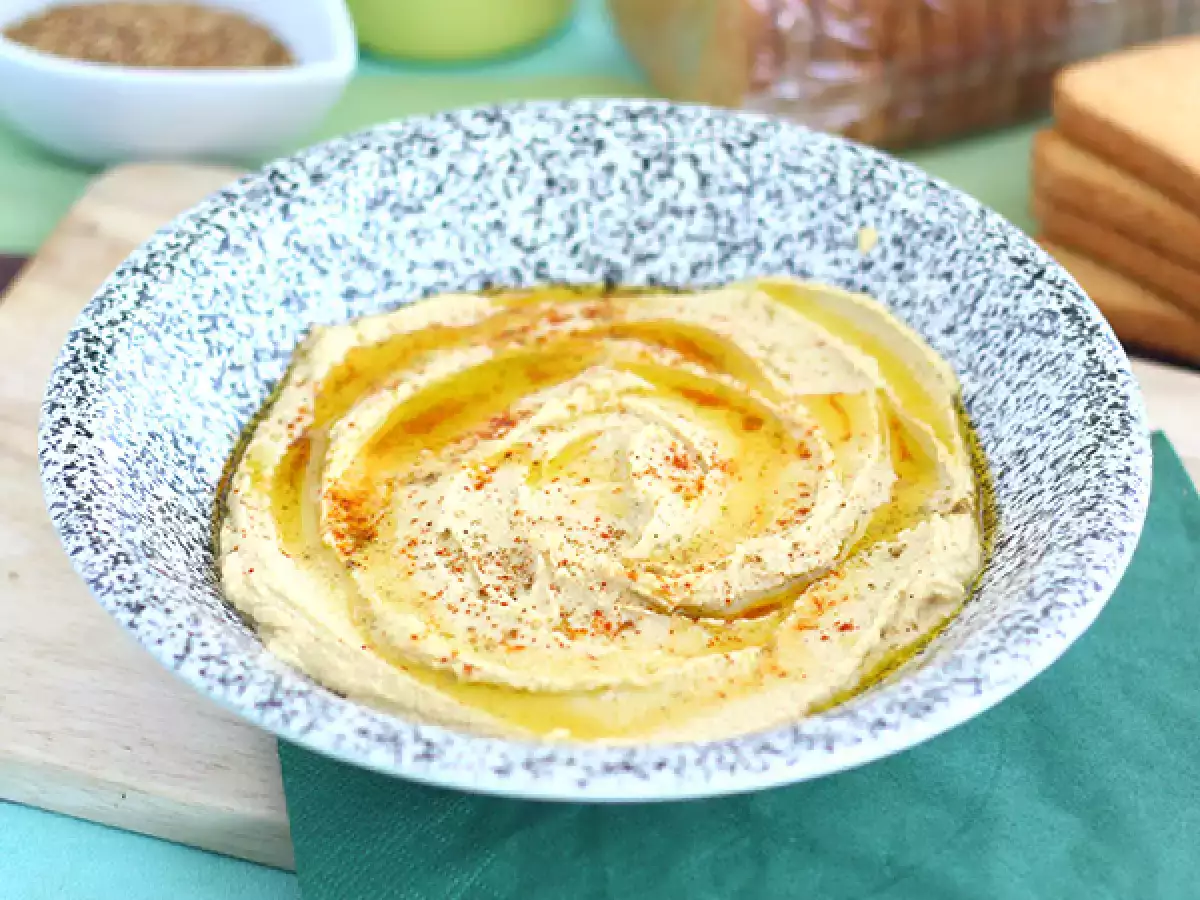
Chickpeas are on the menu today! Enjoy this recipe as a starter or an appetizer, served with pita bread, toast, or crudités ;-)
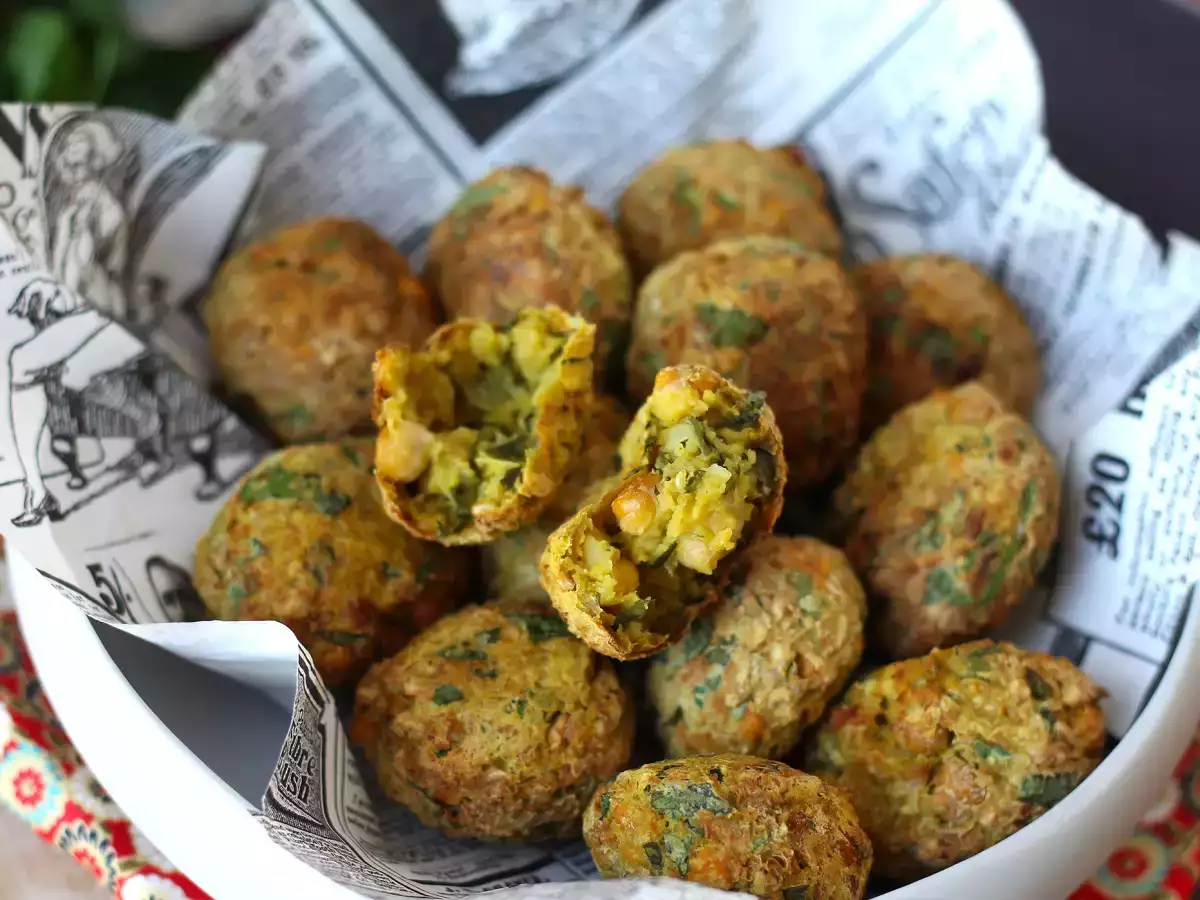
Lovers of Middle Eastern cuisine are bound to know falafel . These little vegetarian balls, made from chickpeas , are packed with flavor and are usually deep-fried. But today, we’ve decided to make a healthier version that’s just as delicious,...
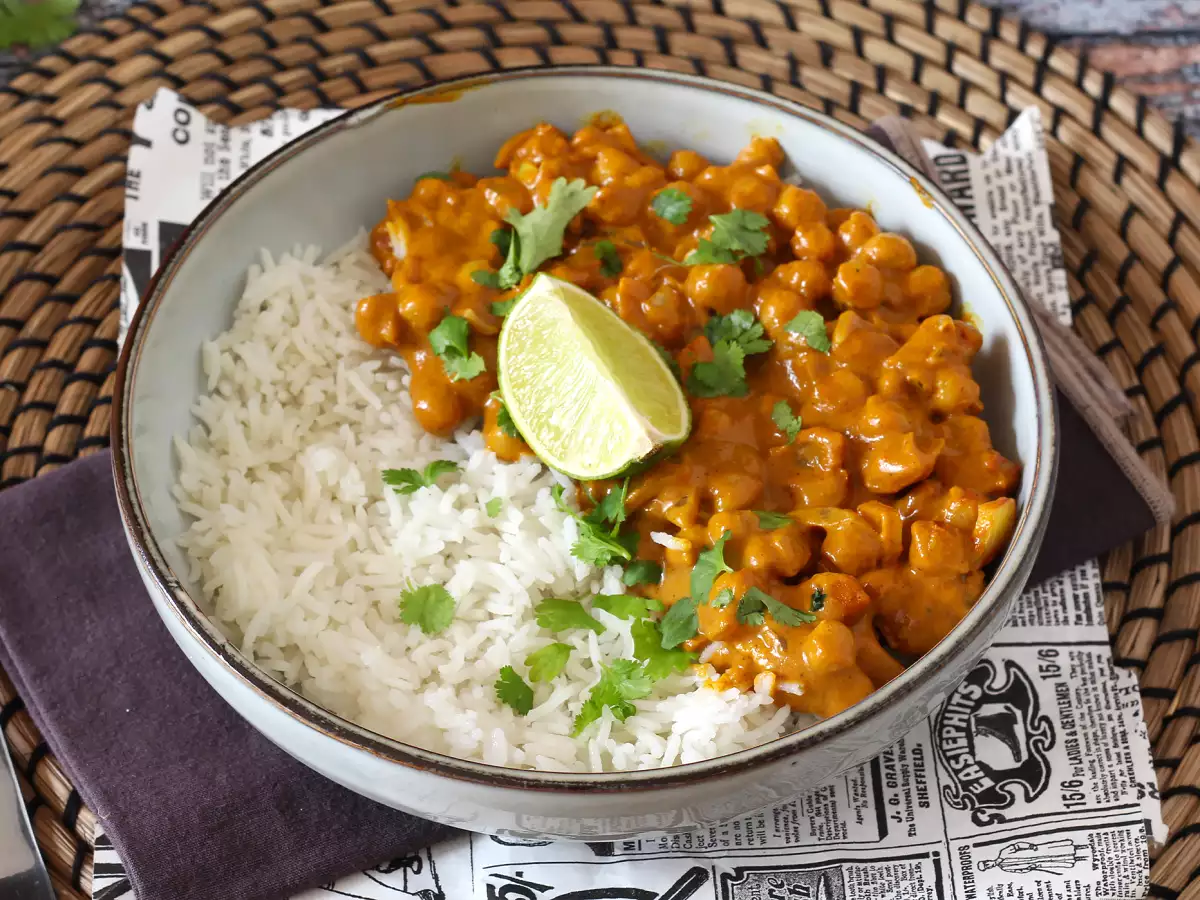
When it comes to comfort food , we're always happy to make room for chickpea curry ! Served with rice, this fragrant dish will take your taste buds on a journey and warm you up :-) Think we're exaggerating? Give it a try and you'll soon be won over...
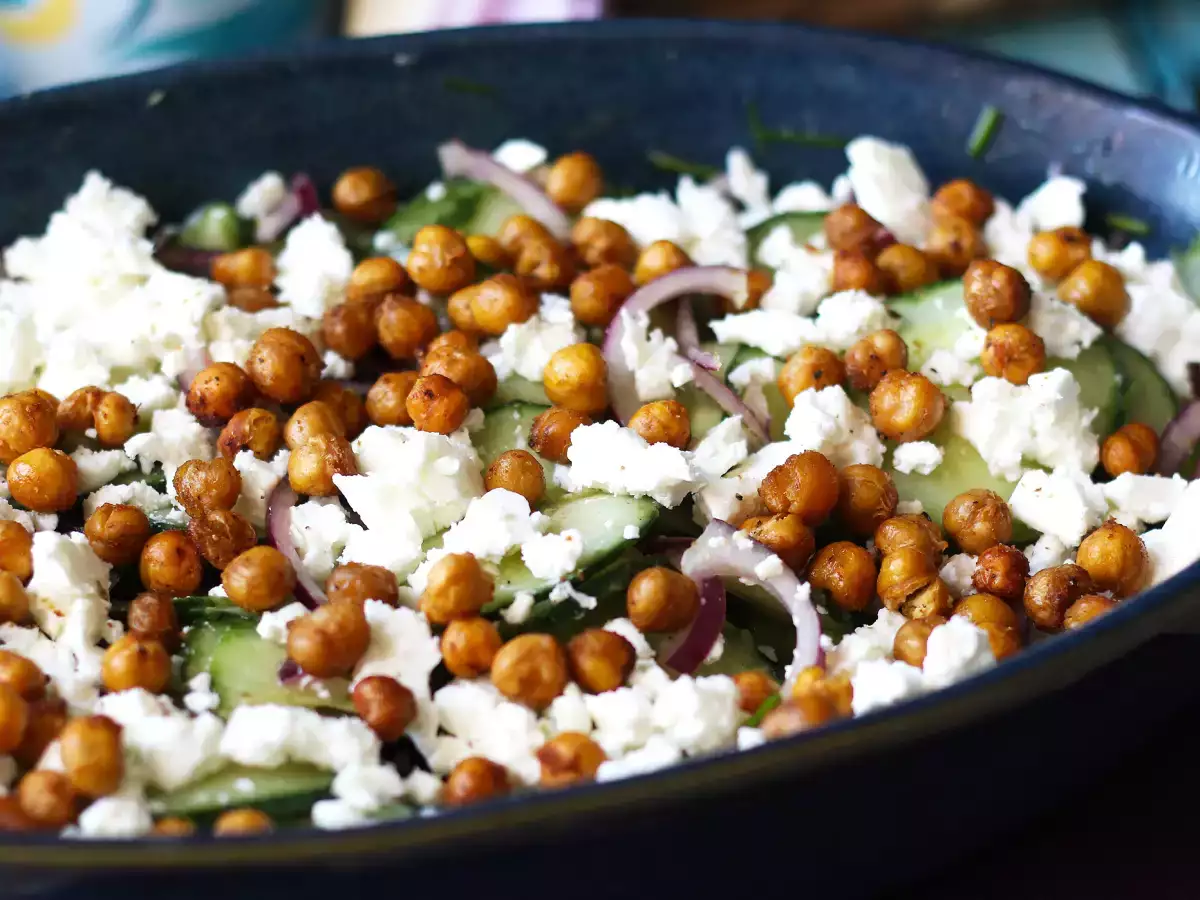
Fancy a hearty salad that's a little different from the classics? This version ticks all the boxes! Between the crunch of the cucumber, the creaminess of the avocado and the crisp, spicy chickpeas, every bite is full of texture and flavor. The...
 Adèle Peyches
Comments