Before you toss eggs, read this: what actually happens to their texture and quality when frozen
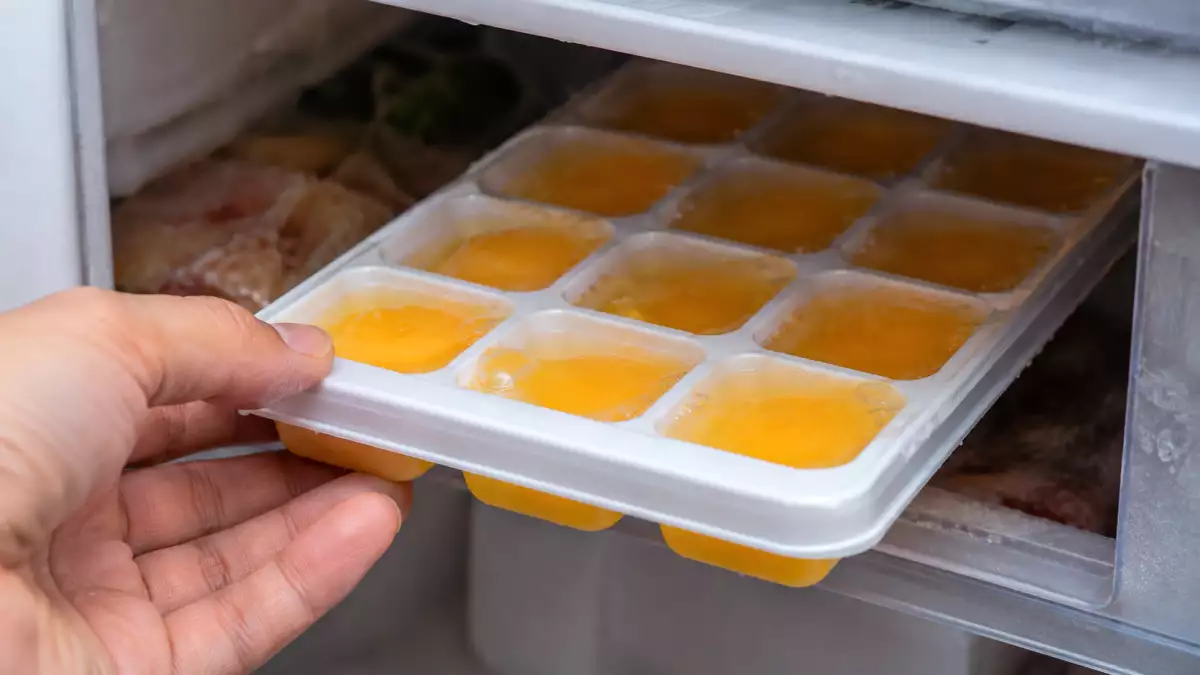
Freezing eggs is a common practice to prevent waste and extend the shelf life of this staple food. However, many people still have questions about what actually happens to eggs when they’re placed in the freezer, whether they remain safe to eat, and what the best way is to store them.
In this article, you’ll learn what happens to eggs during freezing, what precautions to take, and how to use them later without compromising their quality.
Is it possible to freeze eggs?
Yes, eggs can be frozen. However, there is one important rule: it is not recommended to freeze eggs while they are still in their shells.
When an egg freezes, the water inside it expands. This expansion can crack the shell, allowing bacteria to enter and increasing the risk of contamination. In addition, the texture of the egg may be affected after thawing.
For this reason, it’s best to crack the eggs before freezing them.
What happens to the egg during freezing?
Freezing causes some natural changes in the structure of the egg.
THE EGG WHITE
The egg white tends to retain most of its characteristics after thawing, especially when used in recipes such as cakes, breads, pies, and omelets.
THE YOLK
The yolk undergoes more significant changes. It may become thicker or gelatinous due to the action of proteins during freezing. This phenomenon is known as gelation.
To avoid this problem, many people lightly whisk the yolks before freezing them. It’s also possible to add a small amount of salt (for savory recipes) or sugar (for sweet recipes), depending on the intended use.
How to freeze eggs properly
The process is simple and helps preserve the quality of the food.
- Crack the eggs: Crack the eggs and place them in a clean bowl.
- Mix gently: Stir gently until the whites and yolks are combined, without incorporating too much air.
- Store: Place the mixture in freezer-safe containers or in ice cube trays for smaller portions.
- Label: Write down the date of freezing and the number of eggs stored.
- Place in the freezer: Keep the container tightly sealed to prevent it from absorbing odors from other foods.
How long can eggs stay frozen?
When stored properly, eggs can remain in the freezer for about 10 to 12 months without becoming unsafe to eat.
Although they remain safe to eat during this period, their quality tends to be better when consumed within the first six months.
How to thaw eggs
The safest method is to transfer the container from the freezer to the refrigerator and let it thaw slowly for a few hours or overnight.
Avoid thawing at room temperature, as this promotes bacterial growth.
Once thawed, the eggs should be used quickly and should not be refrozen.
Is it possible to freeze just the egg white?
Yes. Egg whites freeze very well and undergo virtually no significant changes.
Just place them in containers or ice cube trays and store them as usual. Once thawed, they can be used in whipped egg whites, omelets, pancakes, cakes, and various other recipes.
Is it possible to freeze just the yolk?
It is also possible, but it’s important to take a few precautions.
Egg yolks tend to harden when frozen. To minimize this effect, it’s recommended to stir them gently before freezing. Depending on the recipe you plan to use them in, you can add a small pinch of salt or sugar to better preserve their texture.
Can hard-boiled eggs be frozen?
It's not the best option.
The white of a hard-boiled egg tends to have a rubbery, firm, and unpleasant texture after thawing.
Hard-boiled egg yolks, on the other hand, hold up better to freezing and can be used later in fillings, salads, and other dishes.
Does freezing alter the nutrients?
Generally speaking, no.
Freezing preserves most of the nutrients in eggs, including:
- High-biological-value proteins;
- B vitamins;
- Vitamin D;
- Choline;
- Minerals such as phosphorus and selenium.
The main changes occur in texture, not in nutritional value.
What recipes can you make with frozen eggs?
- Chocolate, carrot, orange, vanilla, and other flavored cakes;
- Homemade breads and leavened pastries;
- Sweet or savory pancakes;
- Waffles and American-style pancakes;
- Muffins and cupcakes;
- Biscuits and cookies;
- Sweet and savory pies;
- Quiches and pies;
- Traditional or stuffed omelets;
- Scrambled eggs, provided they are prepared immediately after thawing;
- Soufflés;
- Fresh pasta, such as spaghetti and ravioli;
- Crepes;
- Puddings and other baked desserts;
- Spoon-sized brigadeiros, cooked mousses, and custards made with eggs;
- Homemade cooked mayonnaise, when the recipe calls for heating;
- Fillings for pies and savory pastries;
- Farofas and other dishes in which the egg is sautéed;
- Baked rice and “escondidinhos”;
- Fritters with vegetables, cheese, or meat.
Although they are versatile, frozen eggs are not the best option for recipes in which they will be eaten raw or undercooked, such as traditional mayonnaise, gemada, tiramisu, some no-bake mousses, or poached eggs. In these cases, it’s best to use fresh eggs for the best texture and flavor.
Tips for storing eggs properly
In addition to freezing, there are a few precautions you can take to extend the shelf life of eggs:
- Store eggs in the refrigerator.
- Avoid washing the eggs before storing them, as this removes the shell’s natural protective coating.
- Use tightly sealed containers when freezing.
- Always label the date of storage.
- Never freeze eggs with cracked shells.
 Mirella Mendonça
Comments