Bought perfect mangoes that developed black spots? What those spots mean and if they're harmful
Wednesday 22 July 2026 10:00 - Mirella Mendonça
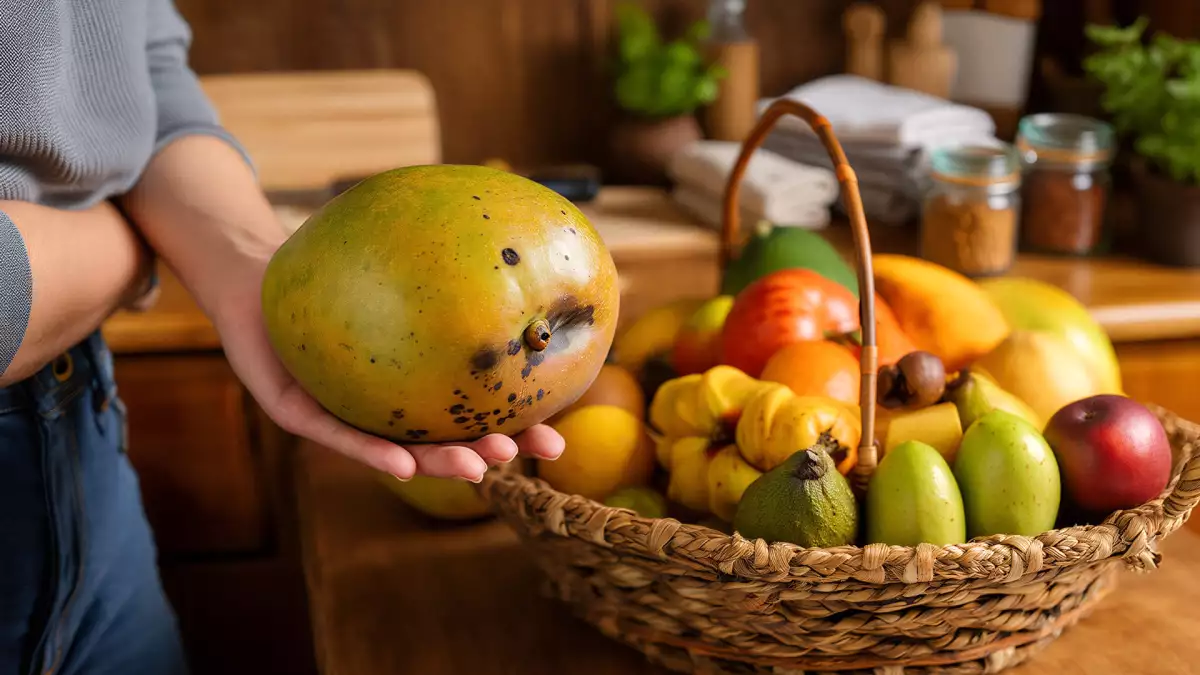
You buy a beautiful mango at the market, take it home, and let it ripen for a few days. So far, so good. But when you go to pick up the fruit or cut it open, you notice black spots that weren’t there before.
Right then, you start to wonder: Has it gone bad? Is it still safe to eat, or could it make you sick?
This situation is more common than it seems and confuses a lot of people. The problem is that not every black spot means the same thing, and misinterpreting them can lead to either wasting the fruit or eating one that’s already gone bad.
Why do mangoes get black spots?
After a few days out of the refrigerator, the mango continues to ripen. This process can cause changes in the flesh and even the skin.
Black spots may appear due to advanced ripening, minor internal damage, or even improper storage. In many cases, this does not pose an immediate danger.
When is it best to avoid it?
The warning sign appears when other symptoms accompany the spots.
If the flesh is very soft, has a slimy appearance, a sour smell, or an altered taste, it’s best not to eat it. These are signs that the fruit is overripe.
Very dark, widespread spots also warrant closer attention.
The most common mistake
A lot of people make a simple mistake. They either throw away any mango with a spot or completely ignore the signs.
The right thing to do is to look at the whole picture. Appearance alone doesn’t tell the whole story.
How to avoid this situation
To minimize the risk, it’s best to choose firm mangoes and store them properly. Avoiding excessive heat and eating them too late makes a difference.
Even so, some changes are natural and are part of the ripening process.
In the end, it's just a matter of paying closer attention
Not every black spot means the mango is bad, but it shouldn't be ignored either. With a little more attention, it's easy to tell when it's still worth eating and when it's best to avoid it.
And this simple precaution can prevent both waste and poor choices in your daily life.
 Mirella Mendonça
I am the editorial manager at Petitchef (Portugal and Brazil) and a huge enthusiast of travel and world cuisine, always in search of new flavors and experiences. However, as much as I love exploring the delights of different cultures, my mom's cooking will always be my favorite — with that unique flavor that only she can create.
Comments