Did your béchamel sauce turn out wrong? What to do if it's too thick or lumpy
Monday 12 October 2026 21:00 - Adèle Peyches
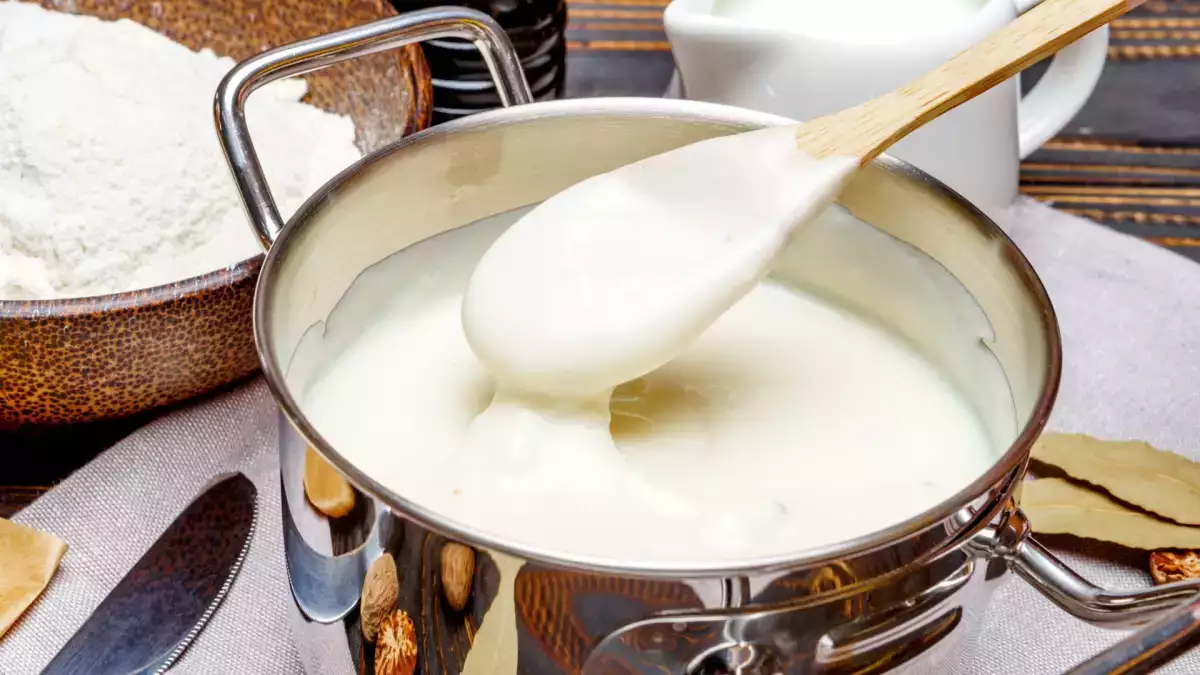
The good news is that it’s usually not necessary to start all over again. But depending on whether the sauce is still hot, has already cooled, or has become lumpy, the solution isn’t exactly the same!
The simplest thing to do: add milk gradually
If your béchamel is still hot, lower the heat and add a thin stream of milk while whisking.
Wait until the milk is completely incorporated before adding more. By doing this, you maintain control over the texture and avoid making the sauce too runny.
The milk can be lukewarm or hot, which makes it easier to incorporate into a béchamel that’s already warm. Sometimes just a few spoonfuls are enough to transform a very thick sauce into a perfectly smooth béchamel.
Wait until the milk is completely incorporated before adding more. By doing this, you maintain control over the texture and avoid making the sauce too runny.
The milk can be lukewarm or hot, which makes it easier to incorporate into a béchamel that’s already warm. Sometimes just a few spoonfuls are enough to transform a very thick sauce into a perfectly smooth béchamel.
Why it's better not to pour all the milk at once
A thick béchamel sauce may seem to require a lot of liquid, but its texture changes very quickly as soon as you start thinning it out.
If you add a large glass of milk all at once, you risk making the sauce too thin and then having to thicken it again.
The best method is therefore to add the milk in small, gradual increments. Whisk, check the texture, and only add more if necessary.
If you add a large glass of milk all at once, you risk making the sauce too thin and then having to thicken it again.
The best method is therefore to add the milk in small, gradual increments. Whisk, check the texture, and only add more if necessary.
If the béchamel has cooled, reheat it gently first
Cold béchamel always seems thicker than hot béchamel. The butter and starch firm up as they cool, which can make the sauce seem completely set.
Before adjusting its texture, place it over low heat and let it loosen up for a few moments while stirring.
Then gradually add the milk. This step prevents you from unnecessarily thinning a béchamel that would have regained the right consistency simply by heating it.
Before adjusting its texture, place it over low heat and let it loosen up for a few moments while stirring.
Then gradually add the milk. This step prevents you from unnecessarily thinning a béchamel that would have regained the right consistency simply by heating it.
What texture should you aim for?
The right consistency depends on the dish. For lasagna or a gratin, the béchamel should be fluid enough to spread easily between the layers.
To top vegetables or make endives with ham, it can be a little thicker. For a croque-monsieur, an even firmer texture can be helpful so that it stays in place.
The simplest way to check is with a spoon: a classic béchamel sauce should coat the back of a spoon without forming a solid mass.
To top vegetables or make endives with ham, it can be a little thicker. For a croque-monsieur, an even firmer texture can be helpful so that it stays in place.
The simplest way to check is with a spoon: a classic béchamel sauce should coat the back of a spoon without forming a solid mass.
What if the béchamel sauce is both too thick and lumpy?
Adding milk adjusts the consistency, but doesn’t necessarily get rid of the lumps.
Start by whisking the sauce vigorously while it heats gently. Small lumps can often be broken up at this stage.
If they persist, briefly use an immersion blender or strain the sauce through a fine-mesh strainer. You’ll end up with a smoother texture without having to start the whole process over.
Start by whisking the sauce vigorously while it heats gently. Small lumps can often be broken up at this stage.
If they persist, briefly use an immersion blender or strain the sauce through a fine-mesh strainer. You’ll end up with a smoother texture without having to start the whole process over.
If you've added too much flour, let the sauce simmer a little longer
A béchamel sauce can become very thick because the roux contains too much flour relative to the milk.
In this case, add milk gradually, then let the sauce simmer for a few minutes over low heat, stirring constantly. This brief simmering also helps prevent the sauce from tasting too floury.
The goal is to achieve a smooth but still thick sauce—not simply to dilute it and then remove it from the heat immediately.
In this case, add milk gradually, then let the sauce simmer for a few minutes over low heat, stirring constantly. This brief simmering also helps prevent the sauce from tasting too floury.
The goal is to achieve a smooth but still thick sauce—not simply to dilute it and then remove it from the heat immediately.
Can we use cream instead of milk?
Cream can thin out a béchamel sauce, but it’s generally not the best choice if the problem is simply that the sauce is too thick.
It adds more fat and makes the sauce richer. To restore the classic texture of a béchamel sauce, milk is still the simplest choice.
Save the cream for recipes where you’re intentionally aiming for a more indulgent sauce, not as a first-instinct fix.
It adds more fat and makes the sauce richer. To restore the classic texture of a béchamel sauce, milk is still the simplest choice.
Save the cream for recipes where you’re intentionally aiming for a more indulgent sauce, not as a first-instinct fix.
Be careful with the cheese: it can make the sauce even thicker
If you plan to turn your béchamel into a cheese sauce, adjust its consistency before adding Emmental, Parmesan, or Comté.
Melted cheese usually thickens the mixture. A béchamel that seems perfect before adding the cheese can therefore become too thick just a few moments later.
In this case, keep a little milk nearby and adjust the consistency again with a small splash of milk at the end of the preparation.
Melted cheese usually thickens the mixture. A béchamel that seems perfect before adding the cheese can therefore become too thick just a few moments later.
In this case, keep a little milk nearby and adjust the consistency again with a small splash of milk at the end of the preparation.
The basic recipe also helps avoid the problem
A successful béchamel sauce depends on a simple balance between butter, flour, and milk. The amount of milk largely determines the final consistency, but the cooking time also plays a role.
If you’re making the sauce for the first time, it’s safer to follow a basic recipe and adjust it only at the end than to add flour at random.
Béchamel sauce, or white sauce - video recipe!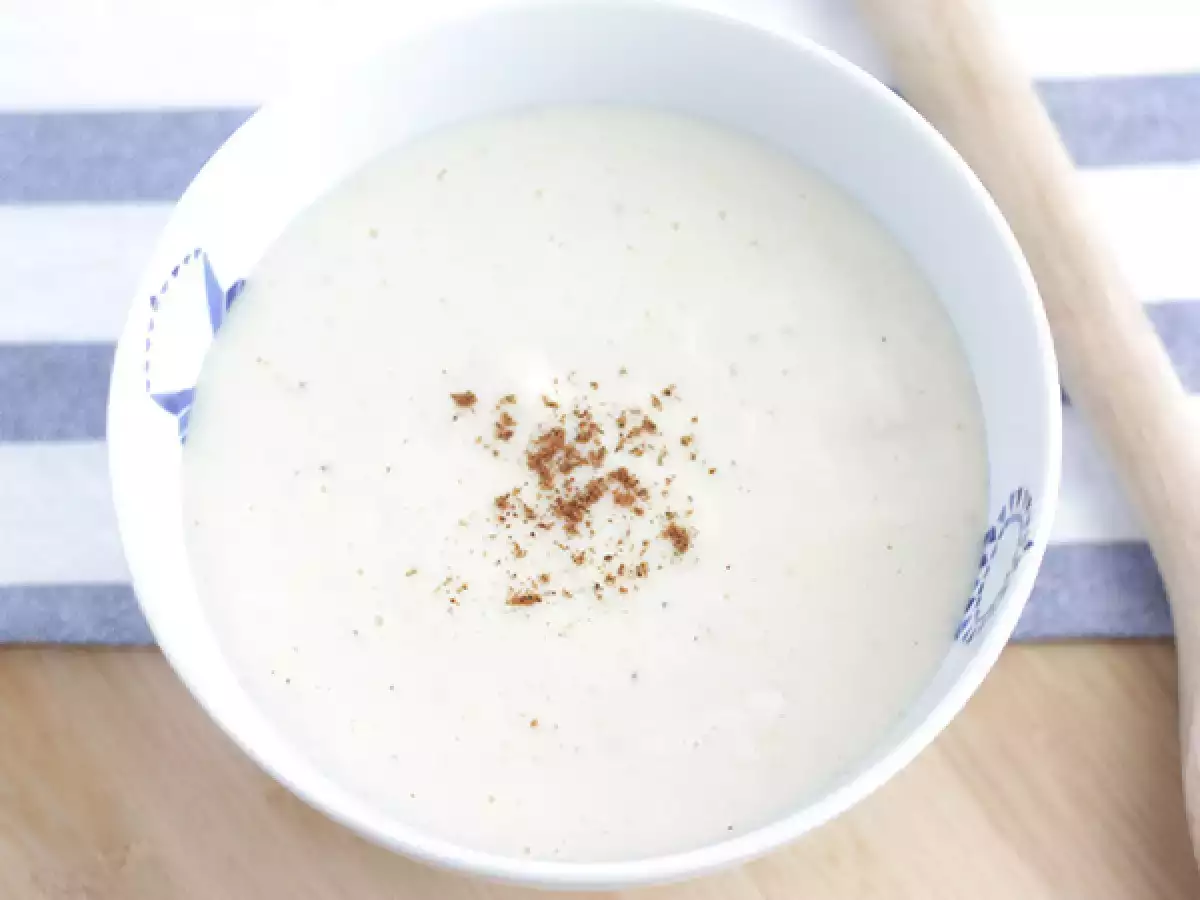
The mother sauce of French cuisine, béchamel or white sauce is used as a base to other sauces, or to bake lasagne, croque-monsieur, moussaka or even in mac and cheese.
For lasagna, it's best to use a slightly thinner béchamel sauce
A very thick béchamel sauce doesn't spread well between the pasta sheets and can result in a drier dish after baking.
For lasagna, look for a sauce that flows slowly off the spoon and spreads easily in the dish. It will thicken slightly more in the oven.
If it clumps together on the spoon, add a little more milk before assembling the dish.
For lasagna, look for a sauce that flows slowly off the spoon and spreads easily in the dish. It will thicken slightly more in the oven.
If it clumps together on the spoon, add a little more milk before assembling the dish.
Lasagne bolognese: the recipe everyone loves!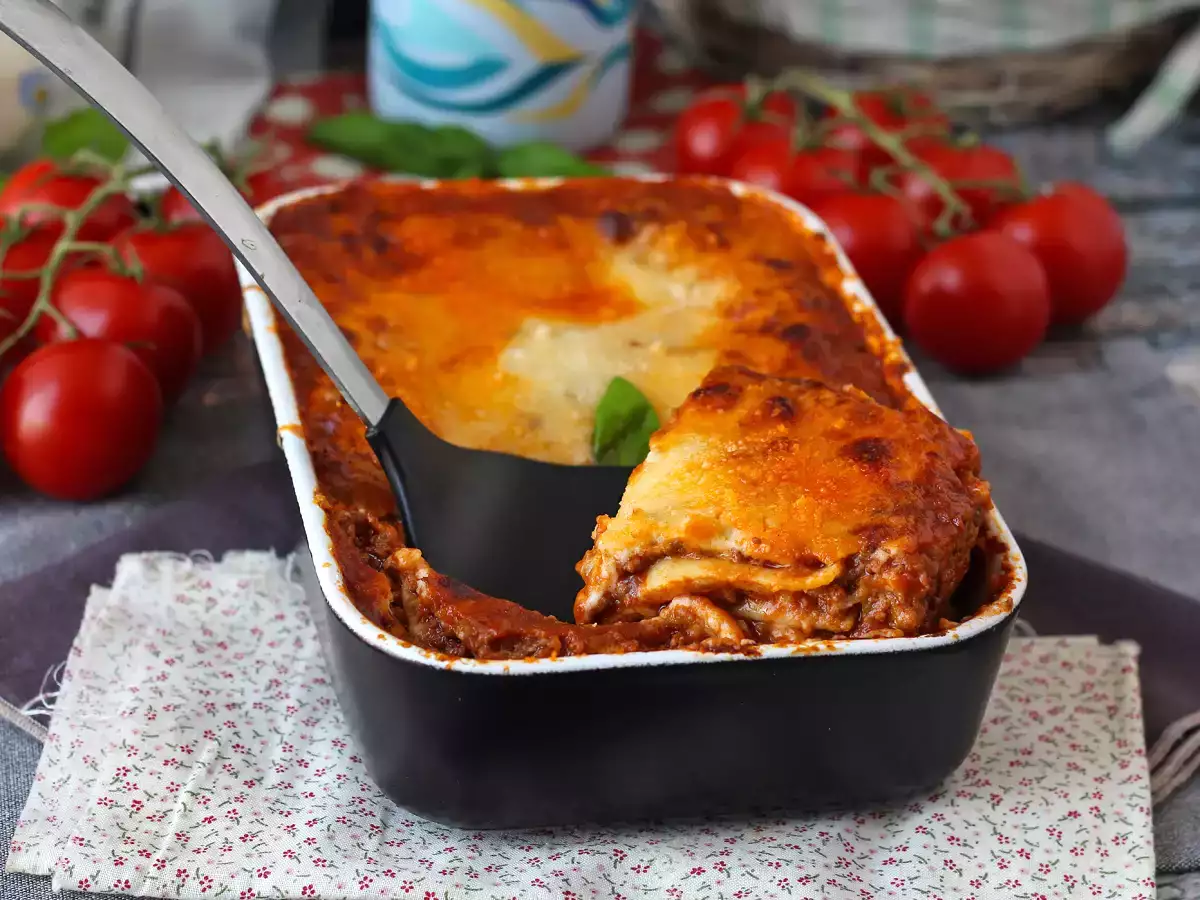
If we had to choose one dish that everyone agrees on, it would be lasagne bolognese ;) With its generous layers of pasta, long-simmered Bolognese sauce , creamy béchamel sauce and golden Parmesan gratin, it's the recipe par excellence for a...
Quick Catch-Up in Three Steps
If you're in a hurry, just remember this: return the béchamel to low heat, add a little milk, and whisk.
Repeat until you reach the desired consistency, then taste to check the seasoning, as adding milk can slightly mellow the salt, pepper, or nutmeg.
In most cases, a béchamel that’s too thick can be fixed in less than two minutes without having to start the sauce over.
Repeat until you reach the desired consistency, then taste to check the seasoning, as adding milk can slightly mellow the salt, pepper, or nutmeg.
In most cases, a béchamel that’s too thick can be fixed in less than two minutes without having to start the sauce over.
 Adèle Peyches
Editorial manager who just can't wait for winter to enjoy fondue! Passionate about gastronomy and always on the lookout for new culinary gems, I first studied law before returning to my first love: the taste of good products and the joy of sharing around the table :)
Comments