Béchamel sauce is too runny: how to fix it without making lumps
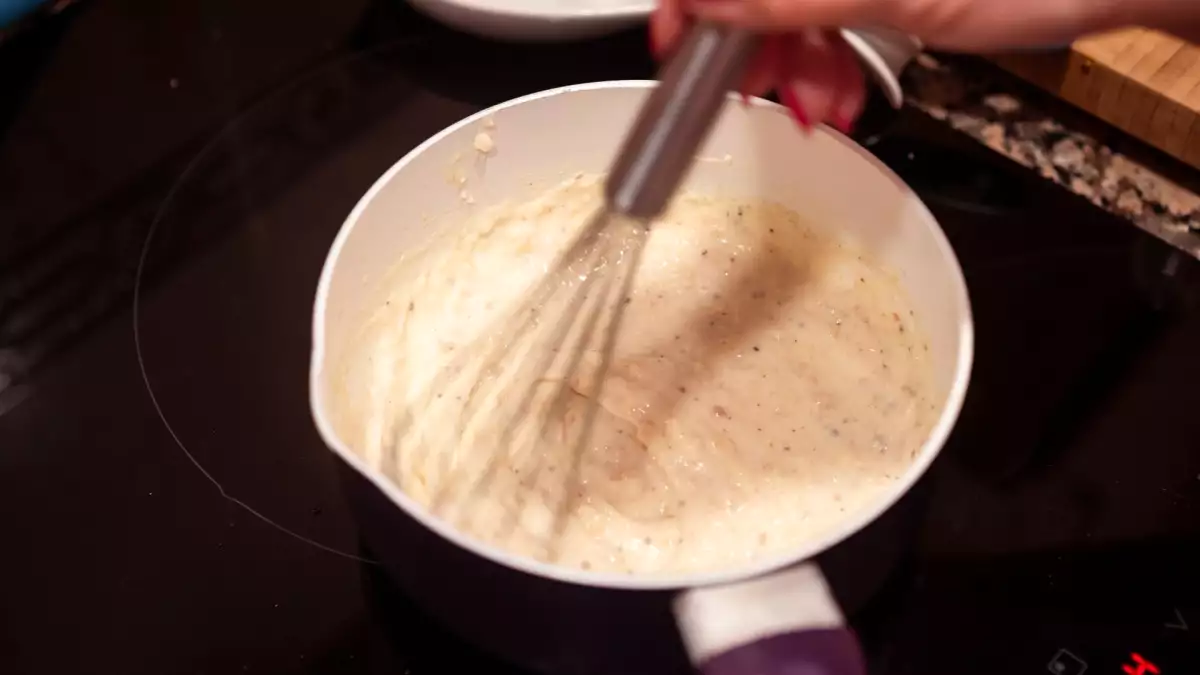
This is a common problem, especially when making a large batch or adjusting the proportions at the last minute. And depending on what happened in the saucepan, the right fix isn’t always the same.
Before adding anything, you need to examine the sauce: is it just a little too runny, really watery, or did it turn liquid after adding an ingredient? This assessment is what will allow you to save it without ending up with a heavy béchamel or one full of lumps.
Start by checking to see if it just needs to cook a little longer
The flour needs a few minutes to thicken the milk properly. If the sauce has just started to simmer, leave it over low to medium heat, whisking regularly, for a few more minutes.
You’ll often see the texture change gradually. This is the best solution when the sauce is only slightly too runny, since it doesn’t alter its taste or proportions.
How can you tell if cooking alone will be enough?
On the other hand, if it remains almost as runny as milk despite simmering for several minutes, the problem is likely due to the proportions: there isn’t enough thickening agent relative to the amount of milk.
In this case, continuing to cook it for a very long time will mostly just reduce the sauce without really correcting its consistency.
The safest method: make a small roux separately
Melt a little butter in a small saucepan, add the same amount of flour, and stir for one to two minutes. Then gradually stir a small amount of your runny béchamel into the roux until the mixture is smooth.
Finally, pour this mixture back into the main saucepan while whisking. This method helps thicken the sauce without creating lumps.
Under no circumstances should you pour flour directly into the sauce
The problem is that the flour immediately forms small, dry lumps when it comes into contact with the hot liquid. Even when whisking vigorously, these lumps can be difficult to eliminate.
If you need to add flour, always incorporate it through a roux or a mixture prepared separately.
As a quick fix, cornstarch can save a béchamel sauce that's too runny
First, mix it with a little cold milk or cold water, then pour this mixture into the hot béchamel while whisking. Simmer briefly until it thickens.
Add it gradually: the cornstarch works quickly, and too much can result in a gel-like texture rather than a creamy one. This method works, but it strays a bit from the classic texture of a roux-based béchamel.
Note: Hot béchamel sauce always appears thinner.
A sauce that seems a little runny in the pot may have just the right texture a few minutes later or once it’s incorporated into a gratin.
It’s therefore better to adjust the consistency in small steps rather than trying to achieve a very thick texture right away while it’s boiling.
When making lasagna, don't use a béchamel sauce that's too thick
If it’s too thick even before going into the oven, the result may turn out drier after baking. A texture that’s fluid enough to drip slowly from a spoon is often preferable.
In other words, a béchamel sauce that seems slightly runny to you doesn’t necessarily need to be adjusted if it’s intended for lasagna.
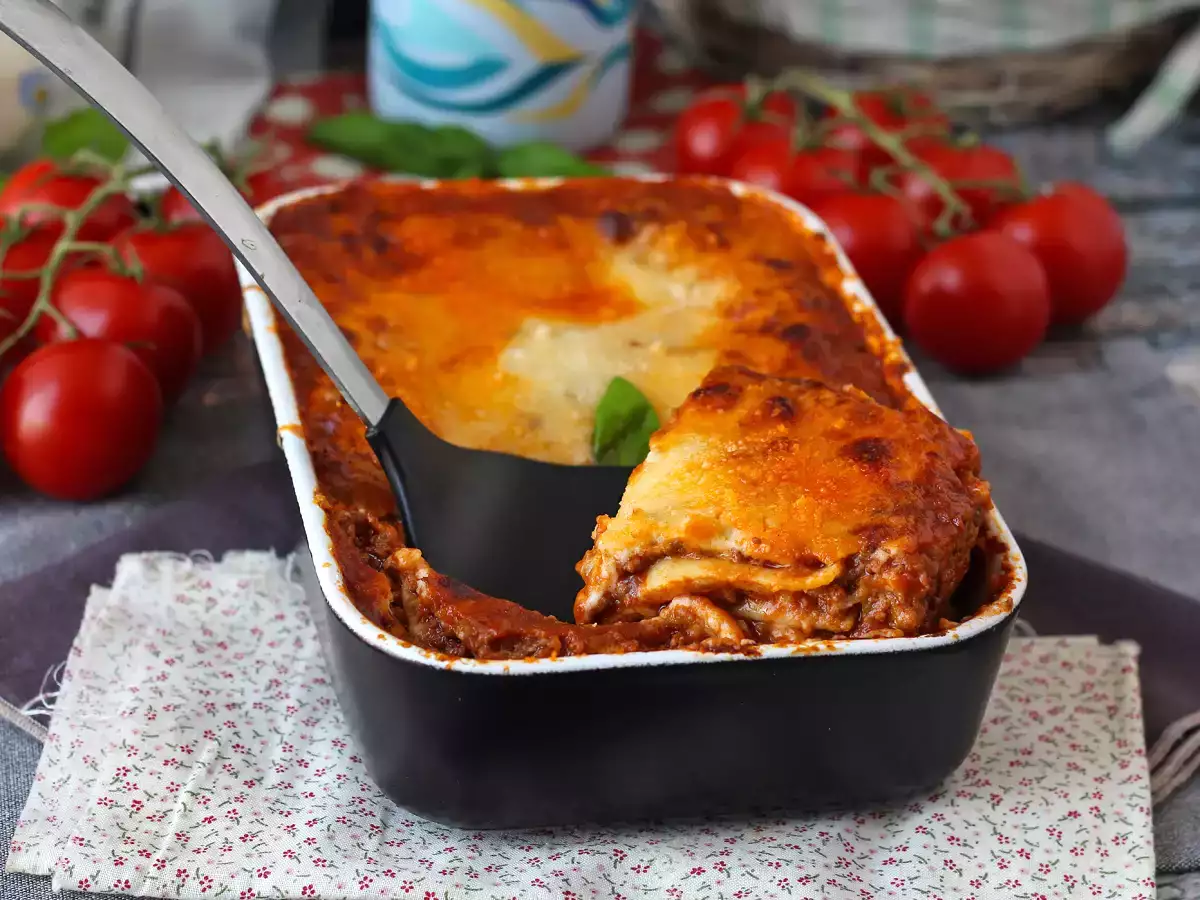
If we had to choose one dish that everyone agrees on, it would be lasagne Bolognese ;) With its generous layers of pasta, long-simmered Bolognese sauce , creamy béchamel sauce and golden Parmesan topping, it's the perfect dish to share: delicious...
For a croque-monsieur or filled crêpes, it should be firmer
It should stay in place without running off the spoon when you tilt it. In this case, a sauce that’s too runny risks making the bread soggy or spilling out of the filling.
The desired texture therefore always depends on the sauce’s intended use.

A recipe that takes us back to childhood? Ham and béchamel crêpes! Homemade, they’re even better ;-) We’ll explain each step in making these savory crêpes, which are sure to delight young and old alike. Serve with a mixed salad for a simple,...
Why does a béchamel sauce become too runny?
Cooking for too short a time can also give this impression, because the starch hasn’t yet thickened the mixture enough.
Finally, certain ingredients added later—such as vegetable cooking liquid or a very watery mixture—can thin out a sauce that was initially just right.
The basic recipe helps you get the proportions right
When the problem comes up regularly, starting with a basic recipe helps you better understand the desired texture before you begin improvising.
Butter and flour form the roux, then milk is gradually stirred in until a smooth sauce is achieved. Once you’ve mastered this principle, it becomes much easier to adjust a béchamel sauce to suit the dish.
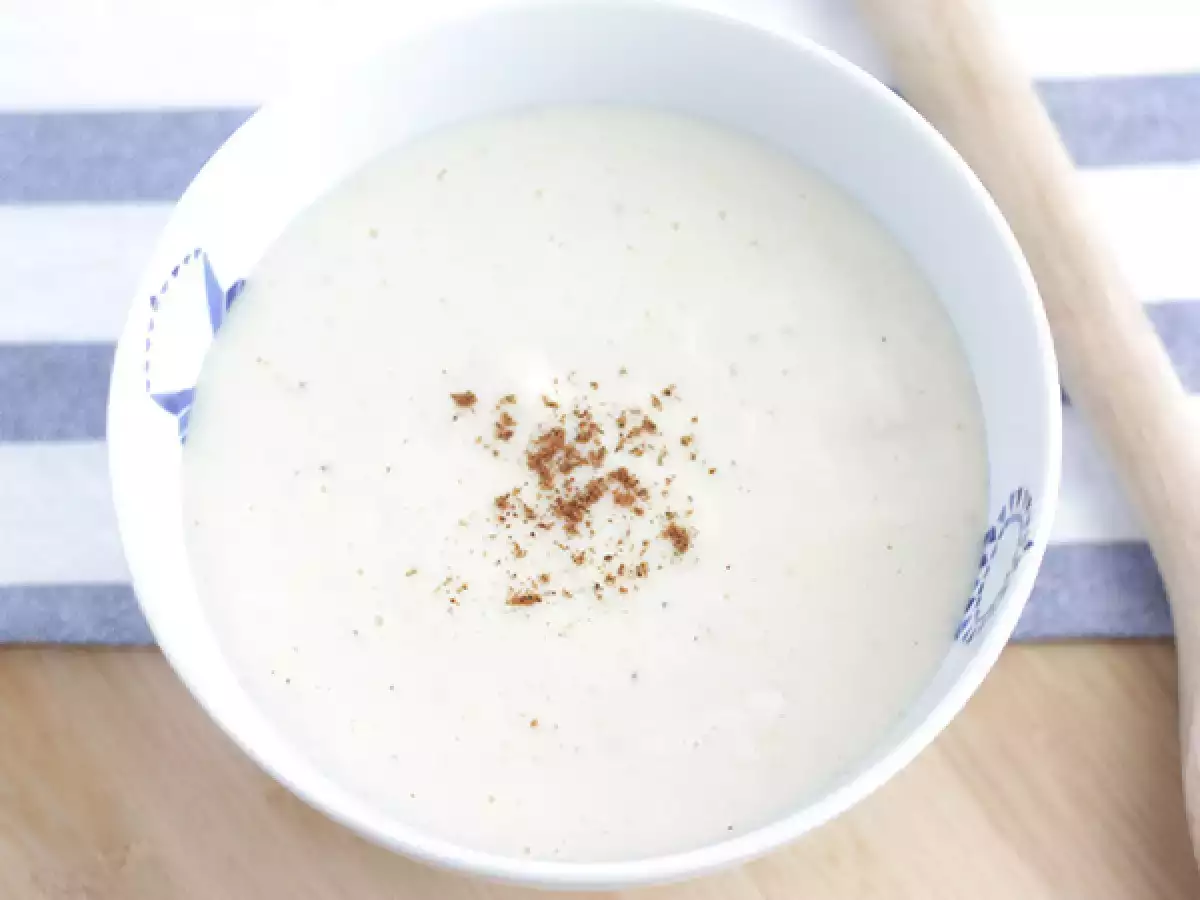
The mother sauce of French cuisine, béchamel or white sauce is used as a base to other sauces, or to bake lasagne, croque-monsieur, moussaka or even in mac and cheese.
If it becomes too thick after correction, all is not lost
If your béchamel becomes too thick after adding roux or cornstarch, simply thin it out gradually by whisking in a little milk.
The best way to fix it is to proceed step by step, checking the texture after each addition.
 Adèle Peyches
Comments