Fix sauces fast: what to do when your sauce is too runny, too salty, or overwhelmingly spicy
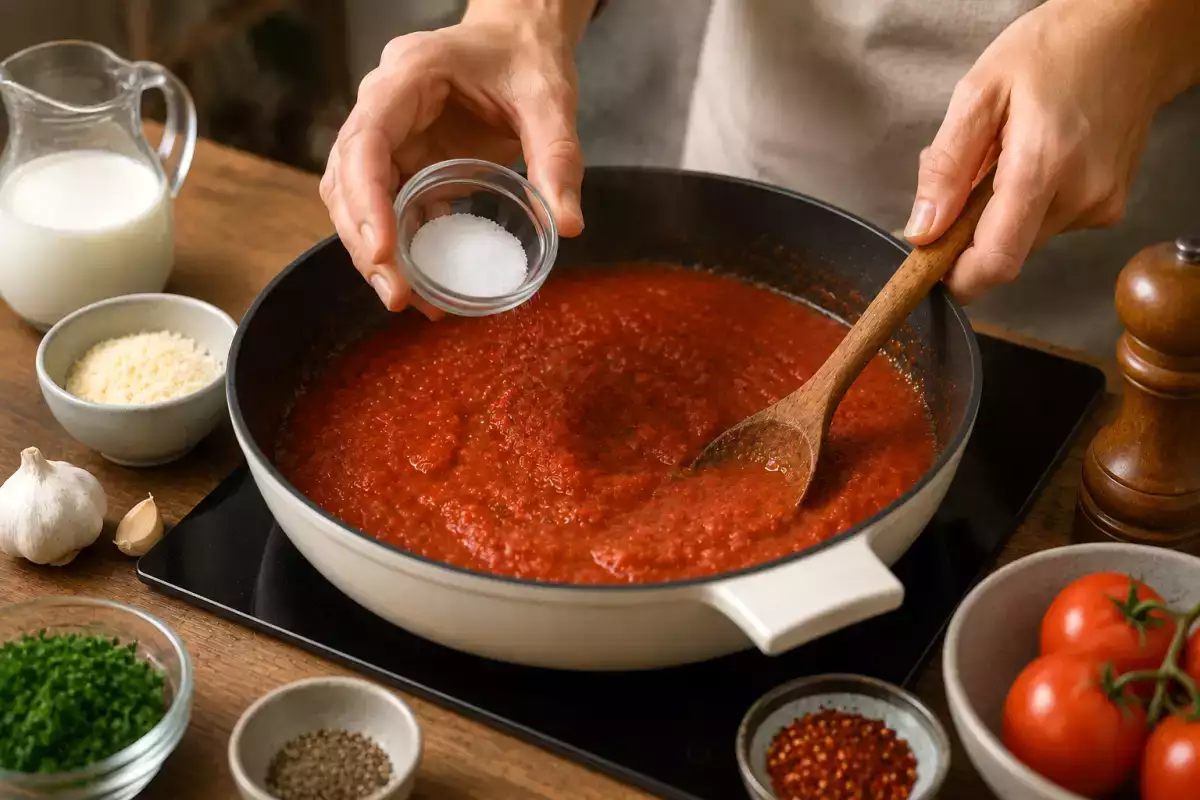
The good news is that a failed sauce isn’t always a lost cause. But you have to avoid the reflex that makes everything worse: adding one random ingredient, then another, then yet another, until you no longer know what you’re cooking. You fix a sauce methodically, not in a panic.
The first step is simple: identify the real problem. Is the sauce too runny? Too salty? Too spicy? Once you’ve pinpointed the issue, make small corrections, taste it, and then adjust. That’s often when the dish turns out just right.
Before correcting: taste, wait, understand
Also consider what it will be served with. A slightly salty sauce may seem too strong on its own, but it can be just right with unsalted pasta, plain rice, potatoes, or mild vegetables. Conversely, a sauce that’s already strong may become even more intense if it reduces further.
So the best place to start is to ask yourself: should you thicken, thin, mellow, or balance the sauce? Not all sauces can be salvaged in the same way.
Sauce is too runny: let it reduce
This method works very well for tomato sauces, wine-based sauces, cooking juices, stews, or meat sauces. But be careful: as the sauce reduces, the salt, spices, and acidity also become more concentrated. If the sauce is already too salty, this isn’t the right approach.
For a Bolognese sauce, for example, it’s better to let it simmer gently than to try to thicken it too quickly with flour. Patience often yields a better texture.
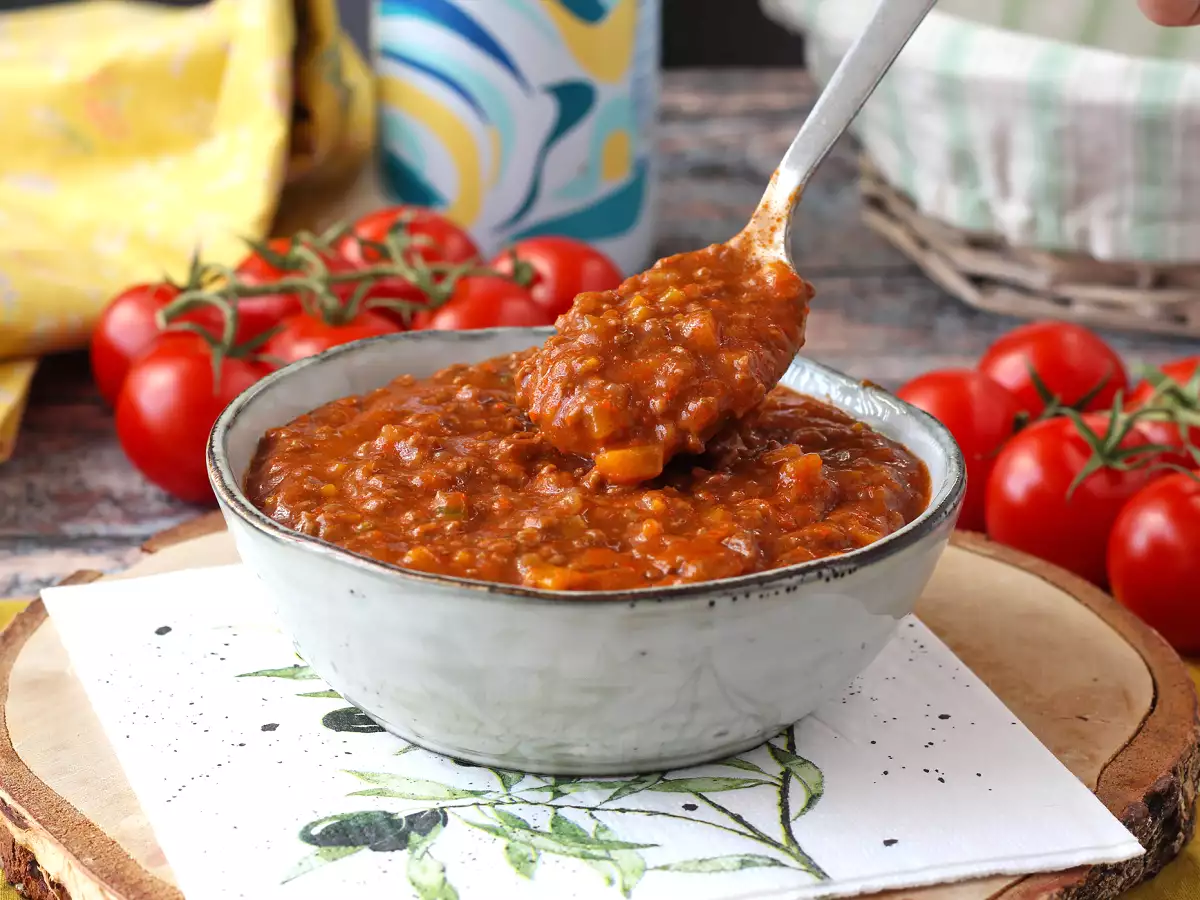
Fancy a good homemade Bolognese sauce , just like in Italy? This recipe for ragù alla bolognese is simple, authentic and full of flavor :) With finely chopped vegetables, well-seared meat, good red wine and slow cooking, you get a rich, flavorful...
Sauce is too runny: thicken it without creating lumps
Add the mixture little by little, then let it heat for a few minutes so the sauce thickens. The texture changes quickly, so there’s no need to add too much at once.
For a white sauce, béchamel, or cheese sauce, you can also thicken it with a little roux, cream, or cheese—or simply let it cook a little longer. But again, proceed gradually.
Sauce is too salty: don't reduce it under any circumstances
The best solution is often to dilute it. Add an unsalted ingredient: a little water, unsalted broth, cream, coconut milk, plain tomato puree, or even an extra portion of vegetables, depending on the type of sauce. The idea is to increase the volume without adding salt.
In a tomato sauce that’s too salty, a little plain tomato or vegetables can help. In a creamy sauce, a splash of cream or milk can mellow the flavor. In a curry sauce, unsalted coconut milk can be very helpful.
Do potatoes really absorb salt?
It can help in a soup, broth, or stew, especially if you also add a little unsalted liquid. But if a sauce is really much too salty, the real solution is still to dilute it or prepare a small amount of unsalted sauce to mix in with the original.
So the best approach is: a potato? Why not, depending on the dish. But don’t rely solely on it to save a very salty sauce.
Sauce is too spicy: add something sweet and something fatty
Fat rounds out the flavor and makes the heat more bearable. That’s why an overly spicy curry can become much more enjoyable with a little coconut milk, while a tomato sauce that’s too spicy can be mellowed with cream or mild vegetables.
With a curry, the easiest approach is to adjust the flavor in small increments, then taste it with rice. Plain rice significantly changes how you perceive the heat.
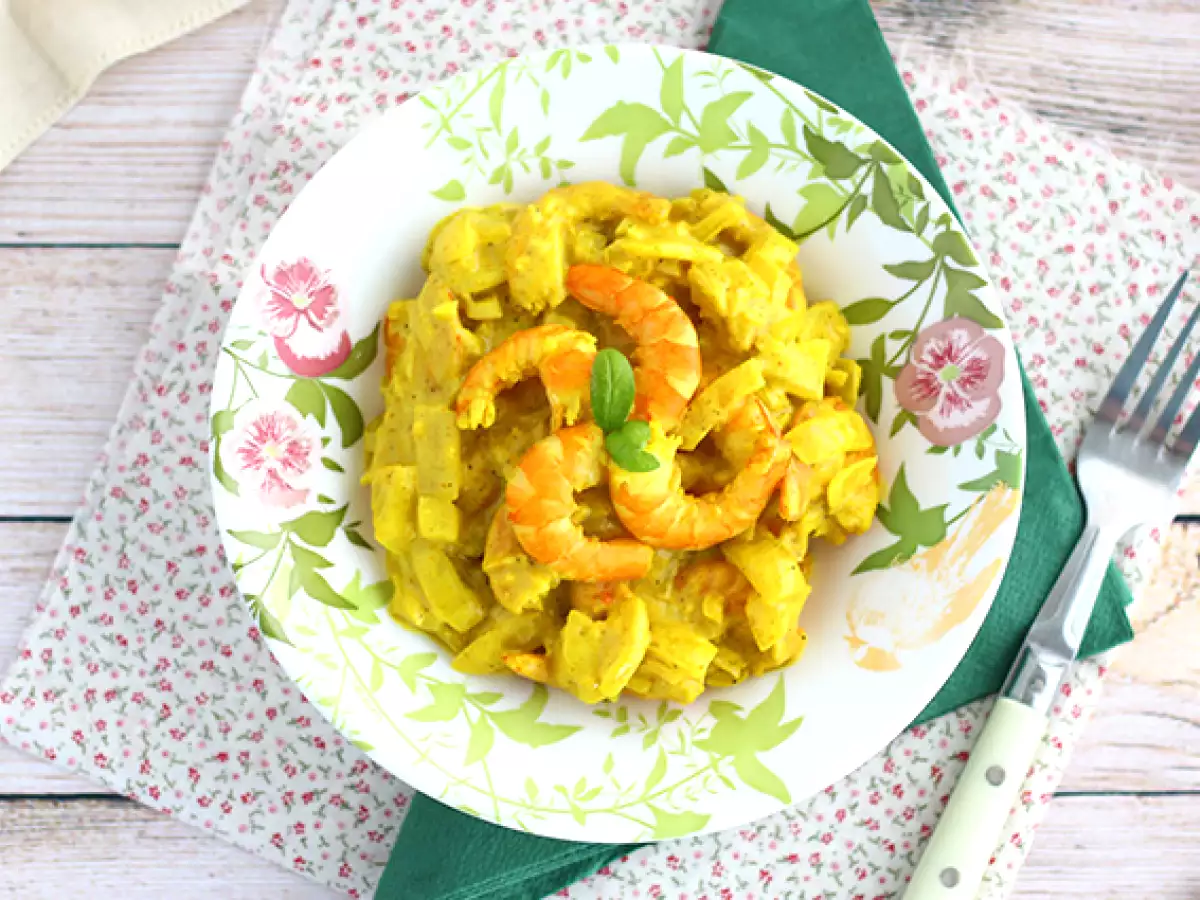
Dear sweet-and-savory lovers, our coconut shrimp curry is sure to delight your taste buds! Ready in no time, this quick and easy recipe will bring sunshine and exotic flavors to your kitchen! Highly addictive, don't hesitate to share this foolproof...
Sugar, lemon, vinegar: Be careful not to make corrections too quickly
Lemon or vinegar can liven up a sauce that’s too heavy, too fatty, or too bland. But if the sauce is already too sharp, the acidity can make it seem even more pungent. Here, too, you need to proceed carefully.
The rule of thumb: sugar rounds out the flavor, acid brightens it, fat softens it, and dilution mellowing it. These are four different tools. The key is to choose the one that addresses the specific issue.
The troubleshooting chart based on the problem
| Problem | What to Do | What to Avoid |
|---|---|---|
| Sauce too runny | Reduce uncovered, add diluted cornstarch, roux, or a creamy ingredient | Add too much flour directly to the sauce |
| Sauce too salty | Dilute with an unsalted ingredient, add cream, plain tomato, vegetables, or unsalted sauce | Reduce further |
| Sauce too spicy | Add cream, yogurt, coconut milk, butter, cream cheese, or a mild ingredient | Add only a large amount of water |
| Sauce too acidic | Add a pinch of sugar, a little cream, or a mild ingredient | Add more lemon or vinegar |
| Sauce too fatty | Let it cool slightly and skim off the excess fat from the surface, add a little acidity | Stir constantly if a lot of fat rises to the surface |
Cold sauces: mayonnaise, vinaigrette, spreads
A vinaigrette that’s too tart can be mellowed with a little more oil, a bit of honey, or a dash of mustard. A spread that’s too salty can be thinned out with plain fresh cheese, yogurt, avocado, or unsalted pureed vegetables.
Again, the secret is not to add everything all at once. Add a spoonful, mix, and taste. It’s less dramatic than a dramatic rescue, but much more effective.
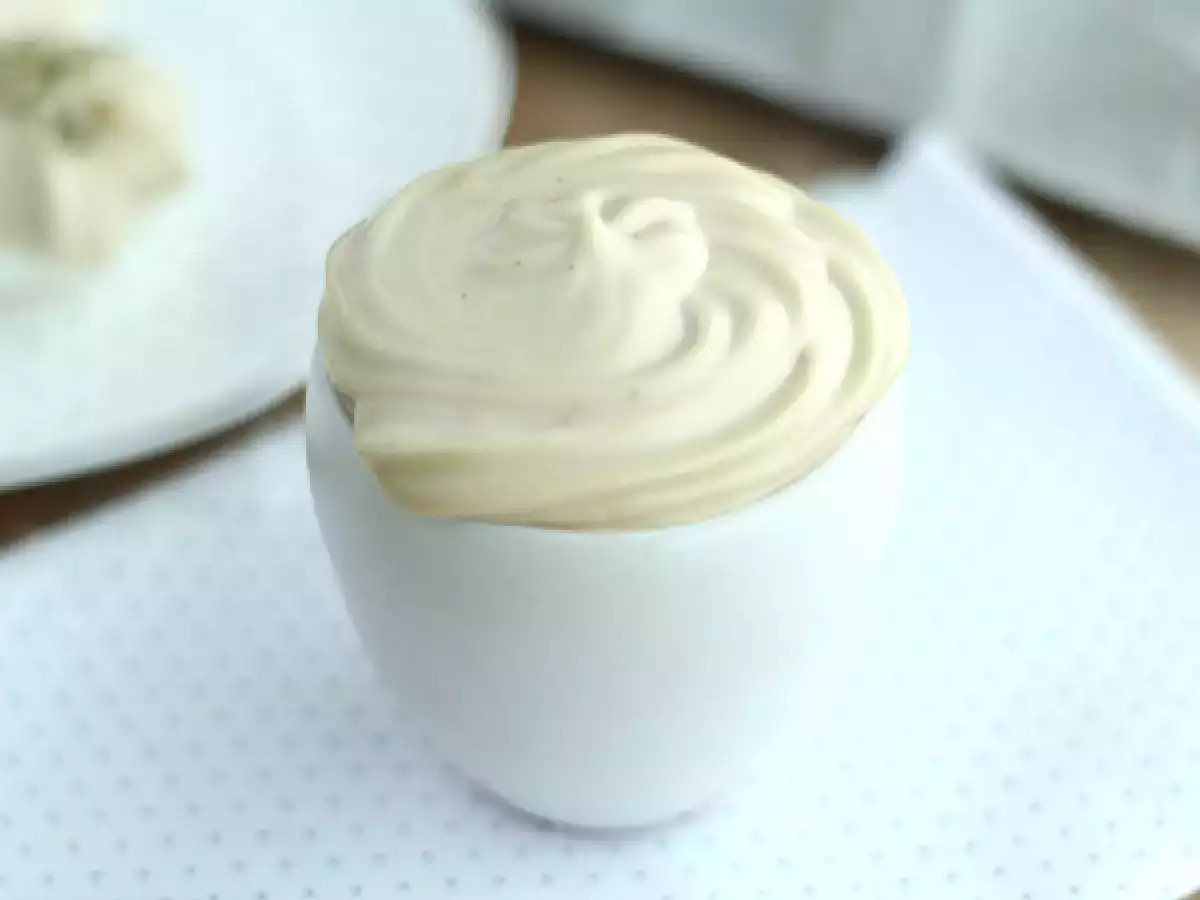
It's always useful to know how to make mayonnaise at home. There are actually three types: mustard-based, vinegar-based, and lemon-flavored. Here we present a mayonnaise made with equal parts mustard and vinegar.
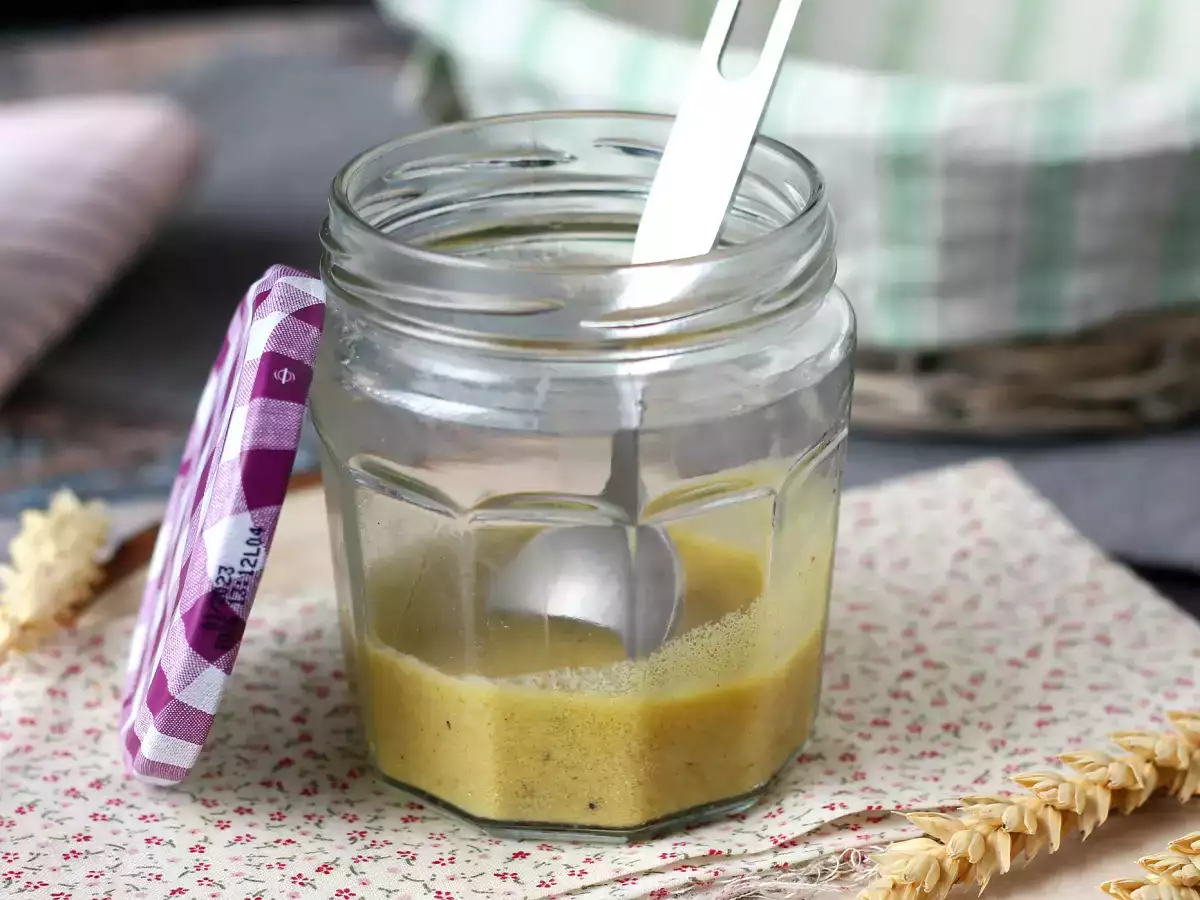
This homemade vinaigrette is definitely a must-have to go with all our favorite salads . It's easy to make with ingredients we all have in our cupboards (olive oil, mustard, and vinegar), and it will enhance your best salads for a picnic! Like us,...
The right move to avoid having to make up for it
When it comes to spices, start slowly. Chili peppers, curry, hot paprika, or harissa can become more intense as they cook. It’s always easier to add more than to take some away.
For texture, set aside a little liquid. If the sauce thickens too much, you can thin it out. If it’s too runny, you can reduce or thicken it without upsetting the overall balance.
When the sauce is almost saved
Once you’ve fixed the main issue, stop there. That’s often where people make the mistake of trying to improve it too much. A dash of cream, then lemon, then sugar, then more salt… and the sauce goes off in the wrong direction.
Taste it with the food it’s meant to accompany, not just by the spoonful. A sauce that seems a little strong on its own might be perfect with pasta, rice, meat, or vegetables. The real test is the full bite.
 Adèle Peyches
Comments