Fresh chanterelle mushrooms: How can you prepare and cook them without making them soggy?
Thursday 24 September 2026 21:00 - Adèle Peyches
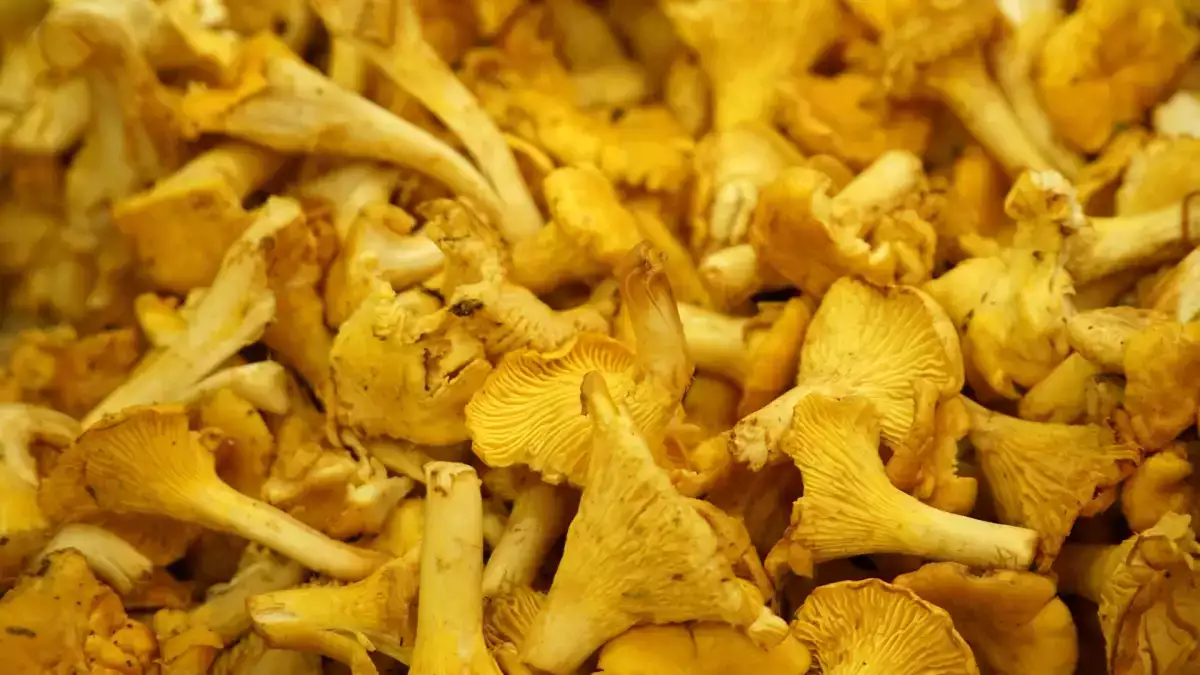
But be careful: chanterelles don’t like to be rushed. Too much water, overcooking, too much garlic, or a pan that isn’t hot enough, and they can quickly become soggy or lose their flavor.
Rest assured, with a few simple steps, you’ll end up with chanterelles that are melt-in-your-mouth, fragrant, and—most importantly—not drowned in their own juices.
Start by sorting them carefully
Before you start cooking, take the time to examine the chanterelles one by one. Remove any damaged parts, stems that are too muddy, and small leaves stuck in the folds.
Chanterelles are delicate, so avoid crushing them or handling them for too long. The goal is to preserve their shape and texture.
A good tip: cut off only the tip of the stem if it’s dry or very dirty.
Chanterelles are delicate, so avoid crushing them or handling them for too long. The goal is to preserve their shape and texture.
A good tip: cut off only the tip of the stem if it’s dry or very dirty.
Should chanterelles be washed with water?
That’s the big question. Chanterelles may have some dirt on them, but they easily absorb moisture. If you let them soak, they may become waterlogged and release a lot of liquid during cooking.
It’s best to clean them with a small brush, a pastry brush, or a slightly damp cloth. If they’re really dirty, run them very quickly under a trickle of cold water, then dry them right away.
The key word here is “quickly.” Rinse them if necessary, but don’t let them soak.
It’s best to clean them with a small brush, a pastry brush, or a slightly damp cloth. If they’re really dirty, run them very quickly under a trickle of cold water, then dry them right away.
The key word here is “quickly.” Rinse them if necessary, but don’t let them soak.
Cut off the largest chanterelles
Small chanterelles can be left whole. They look nice on the plate and cook quickly. The larger ones, on the other hand, are best cut in half or into quarters.
This ensures more even cooking and prevents having a piece that’s already soft next to one that’s still firm.
Just try to keep the pieces roughly the same size. That’s what makes for a more uniform pan-fried dish.
This ensures more even cooking and prevents having a piece that’s already soft next to one that’s still firm.
Just try to keep the pieces roughly the same size. That’s what makes for a more uniform pan-fried dish.
In a skillet: 8 to 12 minutes total
For fresh chanterelles, sautéing is still the simplest and most flavorful method. Heat a large skillet, add the chanterelles, and let them release their liquid over fairly high heat for a few minutes.
When the liquid begins to evaporate, add a little butter or olive oil, then continue cooking. Allow about 8 to 12 minutes total, depending on the size of the mushrooms and the amount in the pan.
The chanterelles should be tender but not mushy. If they’re swimming in their own juices, cook them uncovered for a little longer.
When the liquid begins to evaporate, add a little butter or olive oil, then continue cooking. Allow about 8 to 12 minutes total, depending on the size of the mushrooms and the amount in the pan.
The chanterelles should be tender but not mushy. If they’re swimming in their own juices, cook them uncovered for a little longer.
Don't overload the pan
This is the mistake that changes everything. If you add too many chanterelles at once, they’ll cook in their own liquid instead of browning properly.
The result: a soggy sauté with less flavor, and mushrooms that lose their lovely texture.
The right approach: use a large skillet or cook in two batches. The chanterelles need room so the water can evaporate.
The result: a soggy sauté with less flavor, and mushrooms that lose their lovely texture.
The right approach: use a large skillet or cook in two batches. The chanterelles need room so the water can evaporate.
When should you add garlic, parsley, or cream?
Chanterelles have a delicate flavor. If you add the garlic too early, it can burn and overpower the dish. It’s best to add it toward the end of cooking.
Parsley should also be added at the end of cooking to preserve its freshness. As for the cream, add it once the liquid from the chanterelles has evaporated completely. Otherwise, it will mix with the juices and the sauce will become too runny.
For a simple sauté: chanterelles, butter, garlic, parsley, salt, and pepper. Nothing more—and it’s already delicious.
Parsley should also be added at the end of cooking to preserve its freshness. As for the cream, add it once the liquid from the chanterelles has evaporated completely. Otherwise, it will mix with the juices and the sauce will become too runny.
For a simple sauté: chanterelles, butter, garlic, parsley, salt, and pepper. Nothing more—and it’s already delicious.
With butter or oil?
Butter goes very well with chanterelles because it adds a rich, creamy flavor. But it can burn if the pan is too hot.
You can start with a drizzle of oil, then add the butter as they cook. This is a good way to preserve the butter’s flavor without letting it brown.
The best balance: a little oil to start, then a pat of butter once the liquid from the mushrooms has almost evaporated.
You can start with a drizzle of oil, then add the butter as they cook. This is a good way to preserve the butter’s flavor without letting it brown.
The best balance: a little oil to start, then a pat of butter once the liquid from the mushrooms has almost evaporated.
How can you tell if chanterelles are cooked?
Cooked chanterelles should be tender, fragrant, and shouldn’t release much liquid. They shouldn’t be dry or too mushy.
Try one: it should still have a pleasant bite, with a tender texture that’s still slightly firm.
If the flavor seems diluted, it’s often because there’s too much water left in the pan. Let them cook uncovered for another minute or two.
Try one: it should still have a pleasant bite, with a tender texture that’s still slightly firm.
If the flavor seems diluted, it’s often because there’s too much water left in the pan. Let them cook uncovered for another minute or two.
Can they be prepared in advance?
Chanterelles taste best right after cooking. But you can clean them a few hours in advance, as long as you dry them thoroughly and keep them in a cool, well-ventilated container or on paper towels.
Avoid storing them while still damp in an airtight container. They may become mushy and lose their aroma.
If you cook them ahead of time, gently reheat them in a skillet without cooking them for too long.
Avoid storing them while still damp in an airtight container. They may become mushy and lose their aroma.
If you cook them ahead of time, gently reheat them in a skillet without cooking them for too long.
What should you serve chanterelles with?
Chanterelles love simple things: eggs, cream, pasta, potatoes, poultry, pork, risotto, or on toast.
In a mushroom risotto, they add a distinctly autumnal aroma.
They also pair well with poultry served with a creamy mushroom sauce.
For a very simple dish, baked eggs with mushrooms are perfect when served with a small panful of chanterelles.
In a mushroom risotto, they add a distinctly autumnal aroma.
Extra-creamy mushroom risotto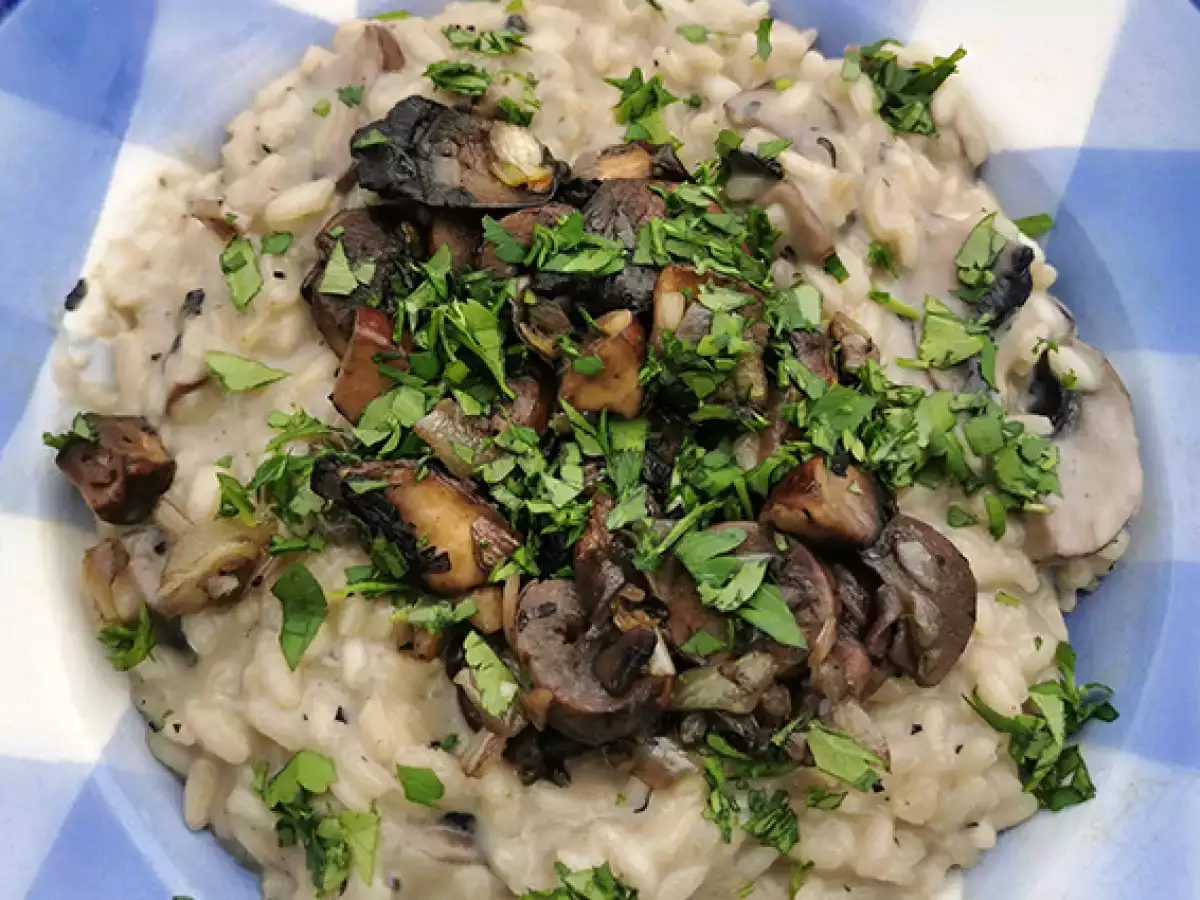
Here I’m sharing a risotto where some of the mushrooms are cooked with the rice, while the rest are sautéed in a pan and added to your plate just before serving. It’s a flavour-packed combination that I love pairing with freshly chopped parsley :-)
They also pair well with poultry served with a creamy mushroom sauce.
Chicken with creamy spinach and mushroom sauce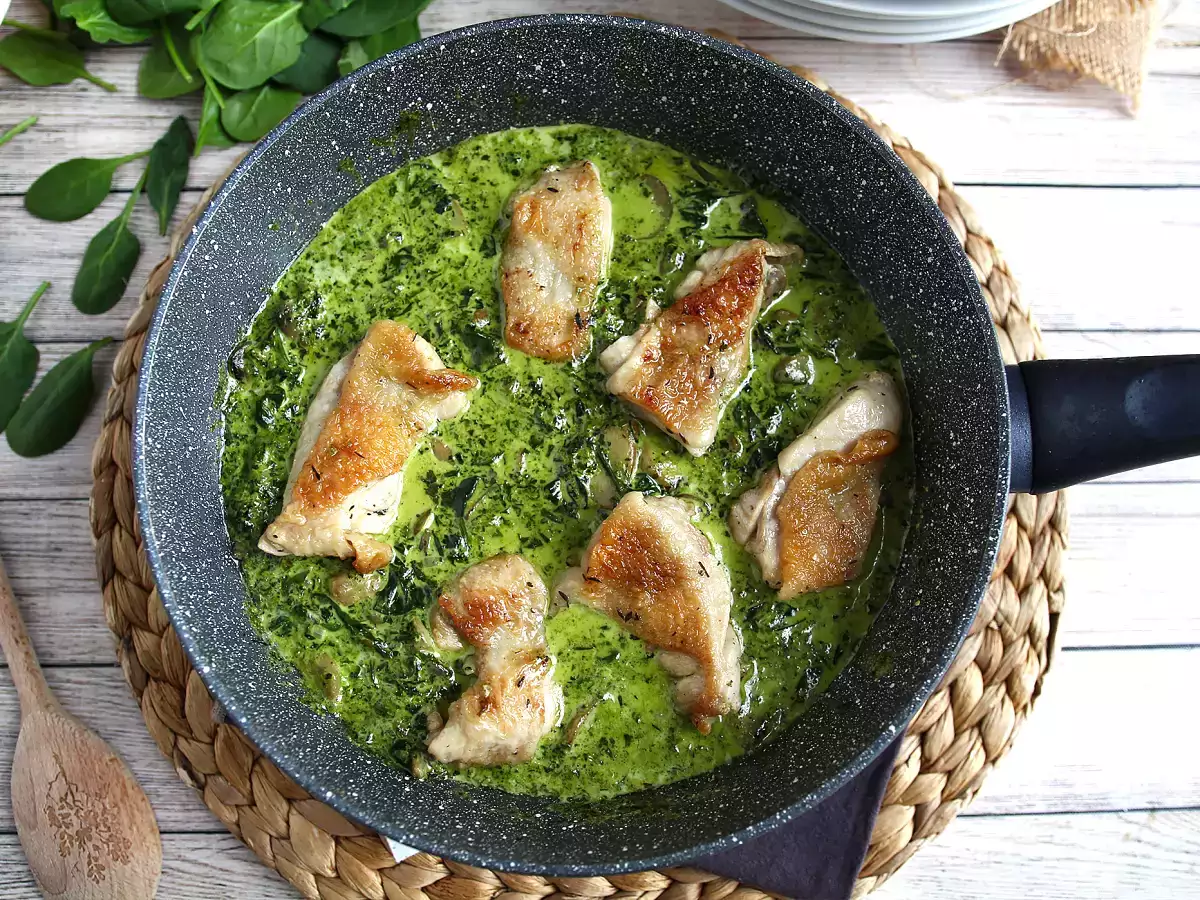
No ideas for dinner? Make an extra creamy spinach and mushroom sauce and then add your chicken thighs. For a side dish, just cook some rice, pasta, or potatoes, and the meal will be ready! Easy, right?!
For a very simple dish, baked eggs with mushrooms are perfect when served with a small panful of chanterelles.
Mushroom baked eggs: a quick and ultra-comforting recipe!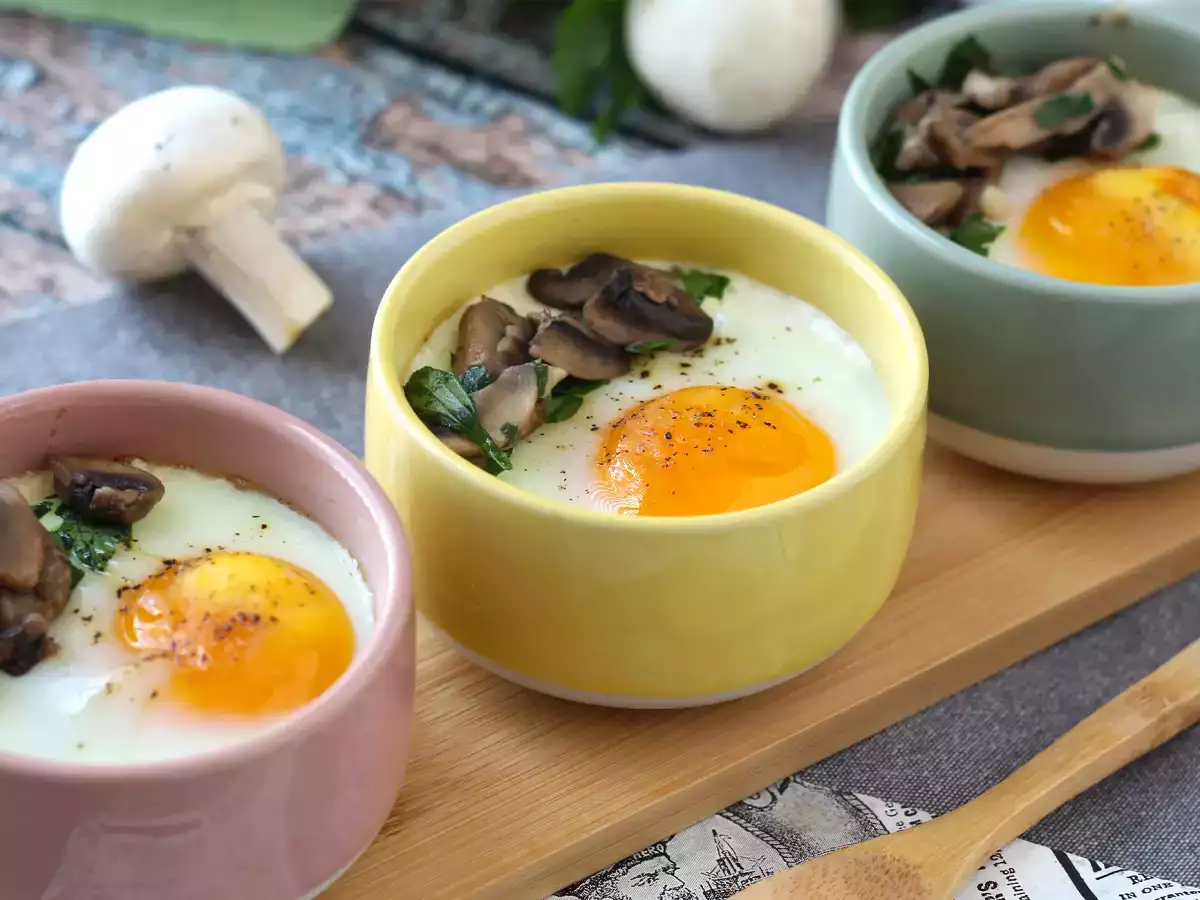
Eggs, mushrooms and a little cream ... That's all it takes to make a delicious meal ;) This creamy, fragrant mushroom version takes just a few minutes to prepare and is a delight every time. The mushrooms are sautéed with a touch of garlic and...
A Good Summary:
To prepare fresh chanterelles, follow these steps: sort them, clean them without soaking, dry them, cut the largest ones, then sauté them in a pan without overcrowding it.
For cooking, allow about 8 to 12 minutes total. First, let the water evaporate, then add the butter, garlic, parsley, or cream toward the end of cooking.
The secret is simple: don’t drown the chanterelles, don’t cook them too long, and give them enough space in the pan.
For cooking, allow about 8 to 12 minutes total. First, let the water evaporate, then add the butter, garlic, parsley, or cream toward the end of cooking.
The secret is simple: don’t drown the chanterelles, don’t cook them too long, and give them enough space in the pan.
 Adèle Peyches
Editorial manager who just can't wait for winter to enjoy fondue! Passionate about gastronomy and always on the lookout for new culinary gems, I first studied law before returning to my first love: the taste of good products and the joy of sharing around the table :)
Comments