Can you air fry frozen vegetables without thawing - will they cook evenly or end up soggy?
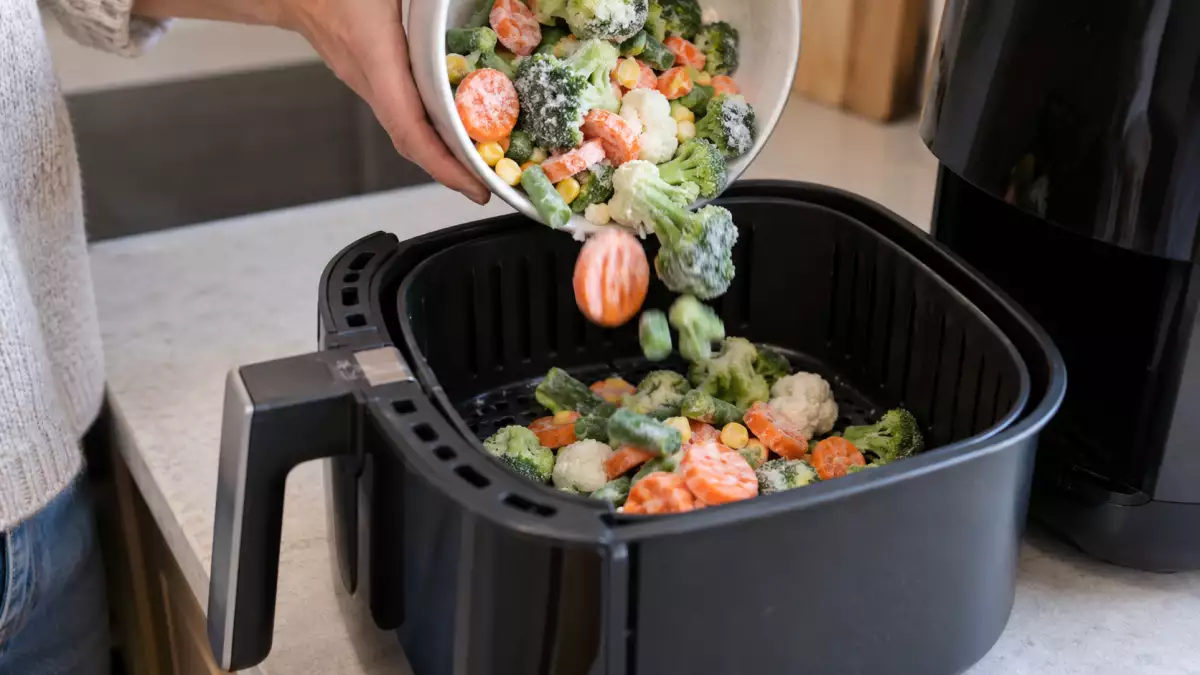
In theory, both options seem possible. Except that in practice, the result can be completely different: vegetables golden brown on one side, and mushy and watery on the other.
So before you dump the whole bag into the basket, it’s best to understand what defrosting really changes during cooking!
What happens when vegetables thaw
And that’s often where the trouble begins: the vegetables sit in their own juices for a while, become softer, and then go into the Air Fryer already damp.
However, to brown food properly, the Air Fryer needs hot air to circulate around the food. Too much moisture, and the result is closer to steaming than to roasting.
So, should you thaw them?
This is often the best way to prevent them from releasing too much water before they’re even cooked. The moisture evaporates during cooking, and the vegetables retain their shape better.
It’s not a hard-and-fast rule, but for a bag of broccoli, green beans, carrots, cauliflower, or mixed vegetables, this is the most practical approach.
The real trap: an overfilled shopping cart
If everything is crammed together, the pieces stick to each other, trap water between them, and end up mostly steaming. The result is cooked vegetables, but they won’t be properly browned.
The right approach: spread the vegetables out as much as possible. For a large quantity, it’s better to cook two batches than one that’s too crowded.
Temperature and cooking time
Small vegetables or thin vegetable mixes can cook in 10 to 12 minutes. Thicker pieces, such as broccoli, cauliflower, carrots, or potatoes, tend to take 15 to 20 minutes.
Halfway through cooking, give the basket a shake. It’s a simple trick, but it prevents the vegetables from turning golden brown on one side and remaining soggy on the other.
Should I add oil?
For a bowl of vegetables, a teaspoon or a small splash is often enough. Also add salt, pepper, paprika, garlic powder, curry, or herbs, depending on what you’re making.
The easiest way is to quickly toss the vegetables (while they’re still frozen) with the oil and spices, then pour them into the steamer basket.
The vegetables that work best
Vegetables with a higher water content, such as zucchini, bell peppers, or mushrooms, require a little more attention. They may release more liquid and remain softer if the basket is too full.
In this case, increase the cooking time slightly, shake well, and finish cooking for a few minutes at a higher temperature if needed.
When defrosting can be helpful
But in that case, it’s especially important to drain them well. For some vegetables, you can even squeeze them gently to remove excess water.
Otherwise, they may make the dish too soggy. In a quiche or gratin, this is often what ruins the texture.
How to avoid mushy vegetables
Next, avoid covering the vegetables or letting them pile up. Give them a shake halfway through cooking, then check the texture when they’re done.
If the vegetables are still moist, add 2 to 4 minutes at 390°F/200°C. This extra cooking time may be enough to evaporate any remaining moisture.
For extra crispiness
This works really well with cauliflower, broccoli, or zucchini. The vegetable stays tender on the inside, but the outside gets a little more texture.
Just be careful not to add the breadcrumbs too early if the vegetable is still releasing a lot of water. They might get soggy.
Ideas that are easy to adapt
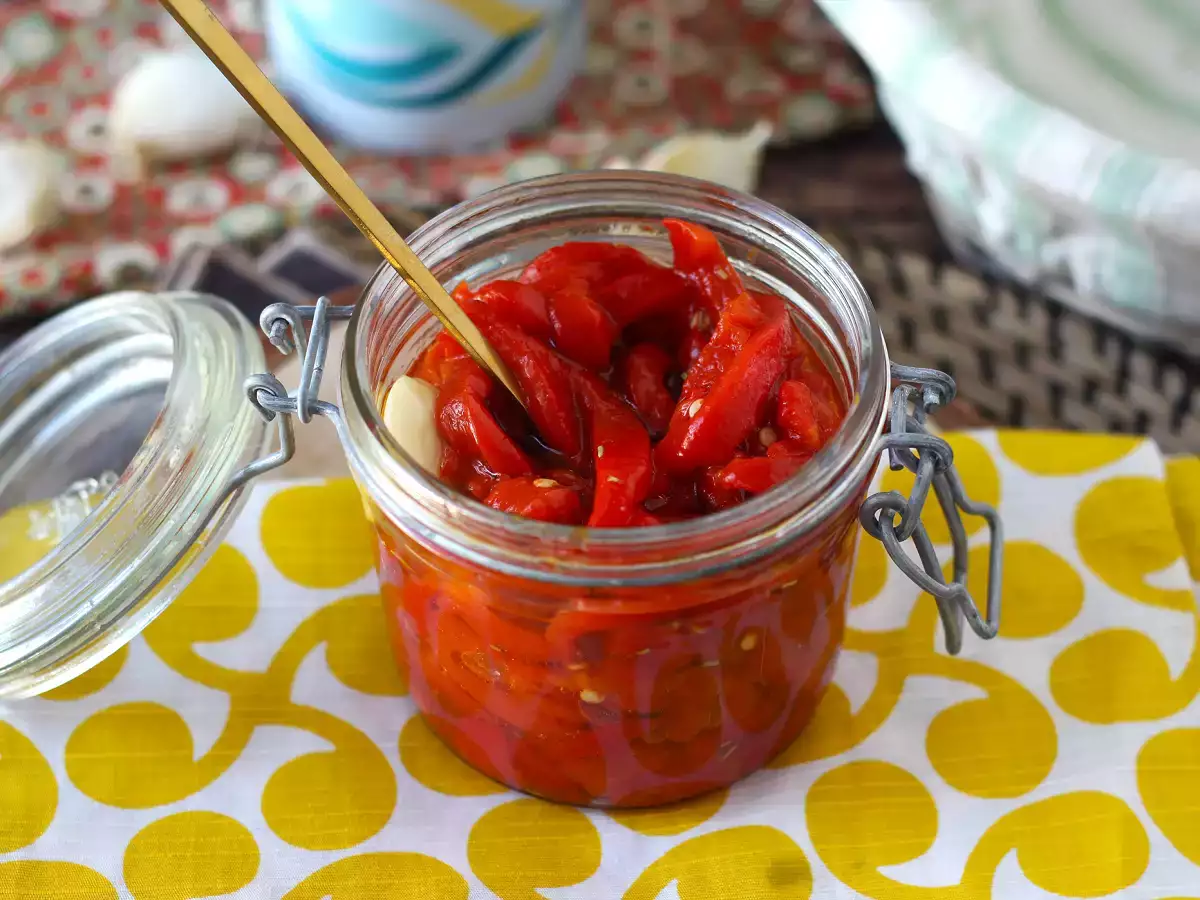
Very easy to prepare , quick and inexpensive, this air-fryer-roasted pepper salad is sure to become one of your favorite summer dishes. The great thing about this recipe is that you can serve it in several ways: as a side dish with meat, as a...
Baby potatoes cooked in an air fryer are also a good example of how to achieve a golden-brown exterior.
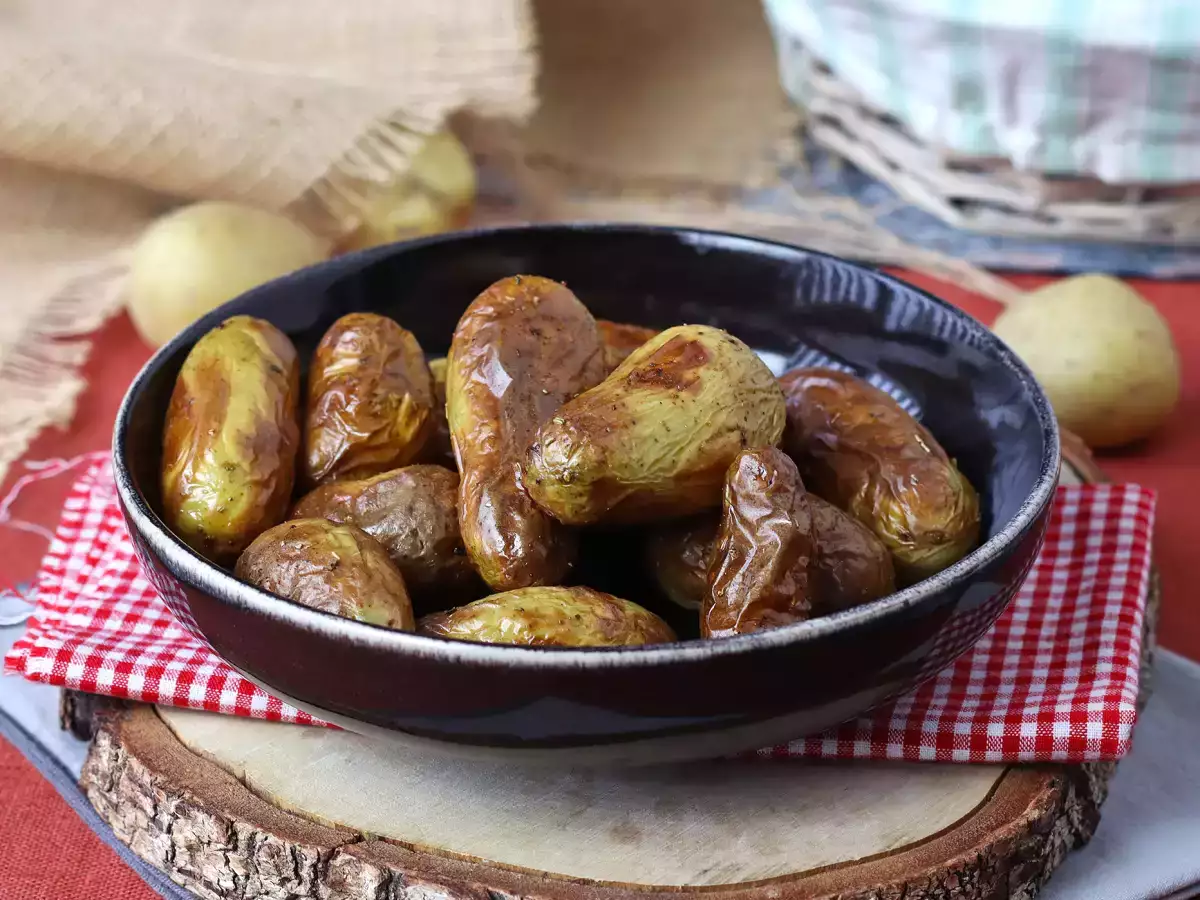
Try our delicious Air fryer baby potatoes ! With their golden skin and tender centers , they're the perfect side dish for any meal. A drizzle of olive oil, a pinch of paprika, a hint of garlic powder and a blend of herbes de Provence come...
For a truly crispy version, frozen fries in the Air Fryer remain the best example.
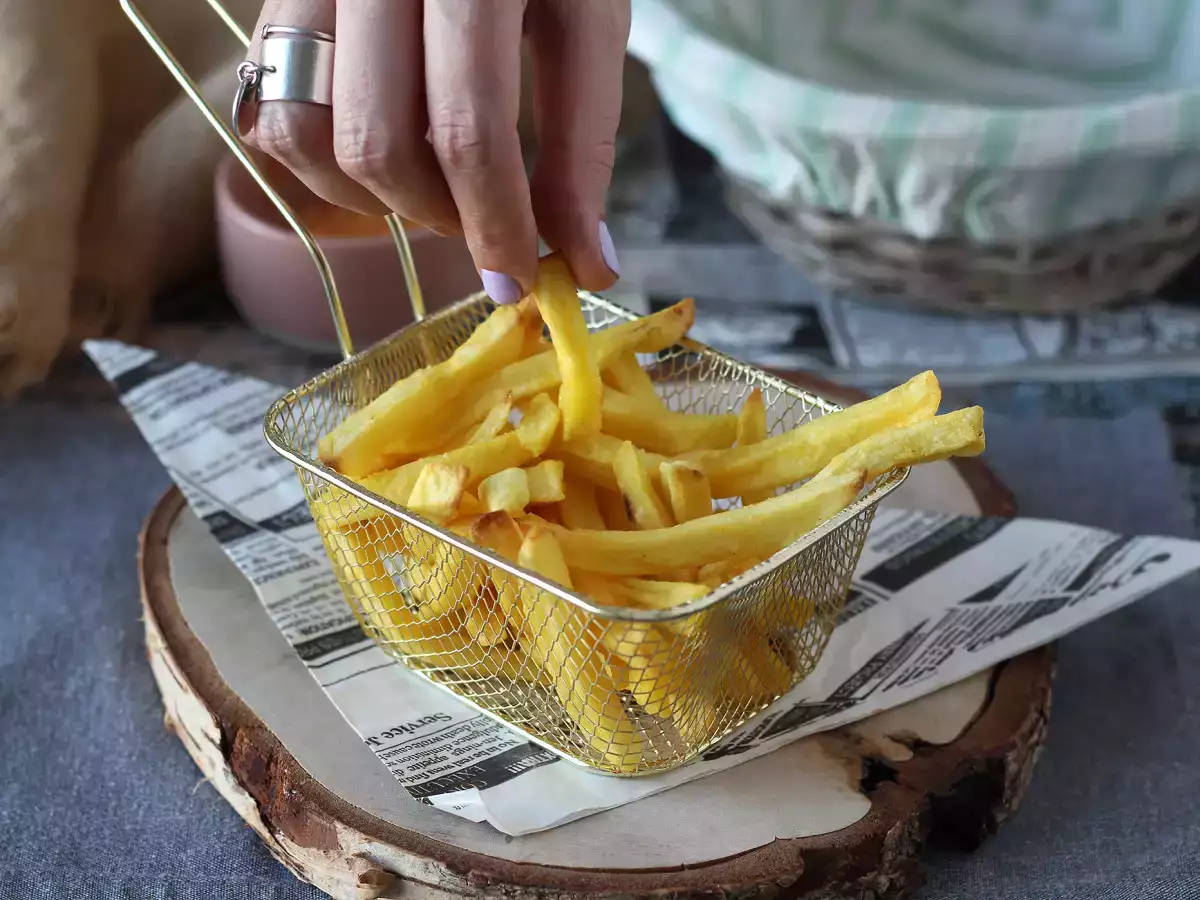
What could be simpler and more effective than cooking your frozen fries in the air fryer ? Besides being super crispy on the outside and soft on the inside, they cook much faster, making them perfect to serve with a burger for your TV snack platter!
And for a more playful vegetable option, zucchini fries in the Air Fryer clearly demonstrate the benefits of a light breading.
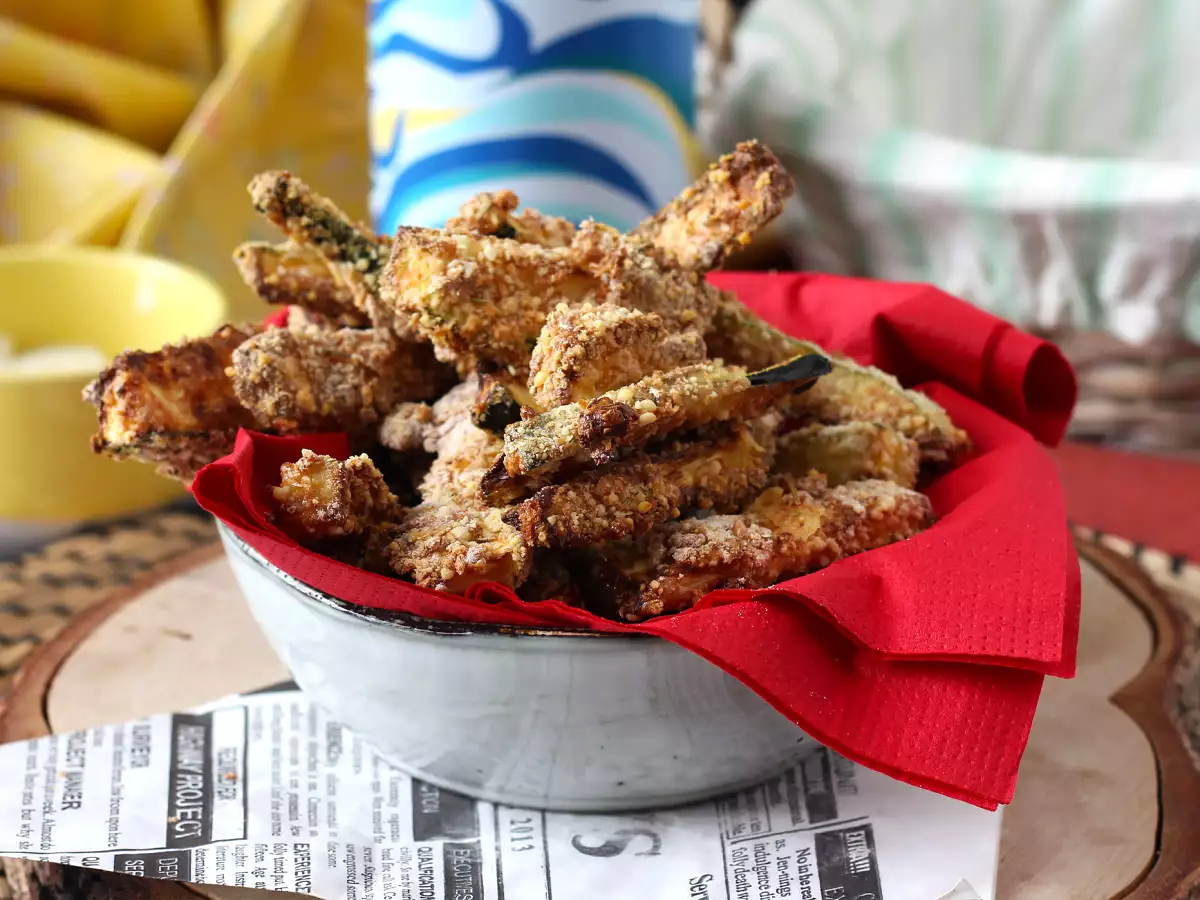
Looking for a healthier alternative to traditional French fries? These zucchini fries are for you! Rich in fiber and vitamins, they are cooked in the Air Fryer without the addition of unnecessary fat. The light, crispy breading gives them an...
Key points to keep in mind before you start cooking
Generally, allow 10 to 20 minutes at 350 to 390°F/180 to 200°C, depending on the vegetables and their size.
However, if the vegetables are to be used in a quiche, a gratin, or a stuffing, thawing them may be helpful, provided you drain them thoroughly first.
 Adèle Peyches
Comments