From utility to etiquette: the real reasons forks adopted four prongs and how that shaped dining
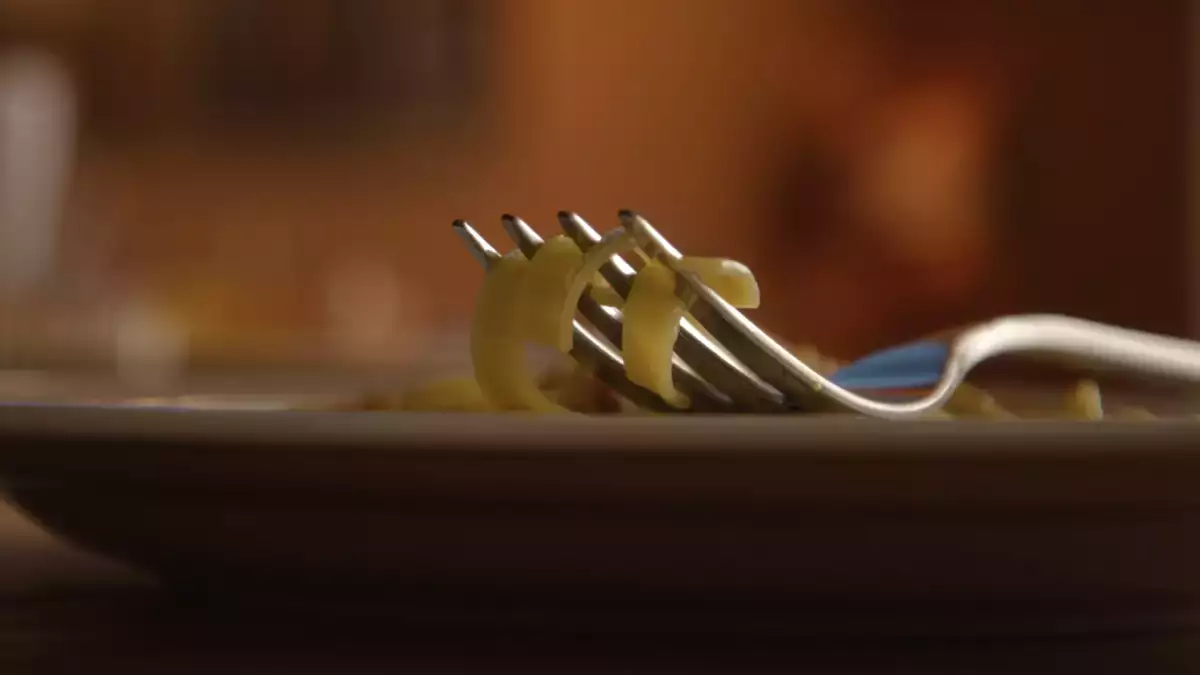
How many times have you picked up a fork without thinking about it? Probably thousands. And yet, behind this everyday gesture hides a surprisingly interesting question: why do forks have exactly four tines? Not two, not three, not five. Four.
Spoiler: it’s not random and no, it’s not just to make twirling pasta look good.
In this article, we’ll look at where that design comes from, how it evolved, and why four turned out to be the sweet spot—mixing history, practicality, and a detail you might casually bring up at your next dinner.
From history to the modern table: how forks evolved
The first forks didn’t have four tines at all. In fact, early versions in the Middle Ages had only two, almost like small, minimalist tridents. And they weren’t even meant for eating, mostly for serving food.
It wasn’t until the Renaissance, particularly in Italy, that the fork started becoming a personal utensil. Over time, a third tine was added, making it easier to hold food. But it still wasn’t quite perfect.
The real breakthrough came with a simple but clever idea: adding a fourth tine.
Why four tines? The perfect balance
The answer comes down to a mix of practicality and everyday engineering.
1. Better grip on food
With four tines, a fork can hold different textures more effectively, from slippery pasta to softer vegetables.
- Two tines? Too unstable.
- Three? Better, but still limited.
- Four? Just right.
2. More control while cutting
A fork isn’t just for spearing food, it also helps stabilize it while you cut. Four tines create a more secure hold, so your food doesn’t slide around the plate.
3. Even pressure distribution
Four points of contact help spread pressure more evenly. That means you’re less likely to crush delicate food or break it unevenly.
4. Comfort and ergonomics
It might sound simple, but it matters: a four-tine fork is just more comfortable to use. It’s the result of centuries of small adjustments, trial and error, and a lot of meals.
What about forks with more or fewer tines?
They exist but they’re exceptions.
- Two tines → still used in kitchens for serving
- Three tines → sometimes used for desserts or lighter foods
- Five or more tines → rare, often decorative or specialized
The truth is, four tines turned out to be the best compromise, a small design detail that works so well we barely notice it anymore.
Fun fact: forks weren’t always popular
Today, they’re essential. But that wasn’t always the case.
In the Middle Ages, forks were sometimes viewed with suspicion; too refined, even unnecessary. Eating with your hands was the norm (and not always the neatest option).
Only over time did forks become a symbol of good manners and, just as importantly, practicality.
A detail you won’t see the same way again
Next time you pick up a fork, take a second to look at it. Those four tines aren’t there by accident; they’re the result of centuries of evolution, culture, and refinement.
And admit it: now even a simple bite feels a little more interesting.
 Daniele Mainieri
Comments