How to keep barbecued fish from sticking or falling apart: juicy and perfectly cooked every time
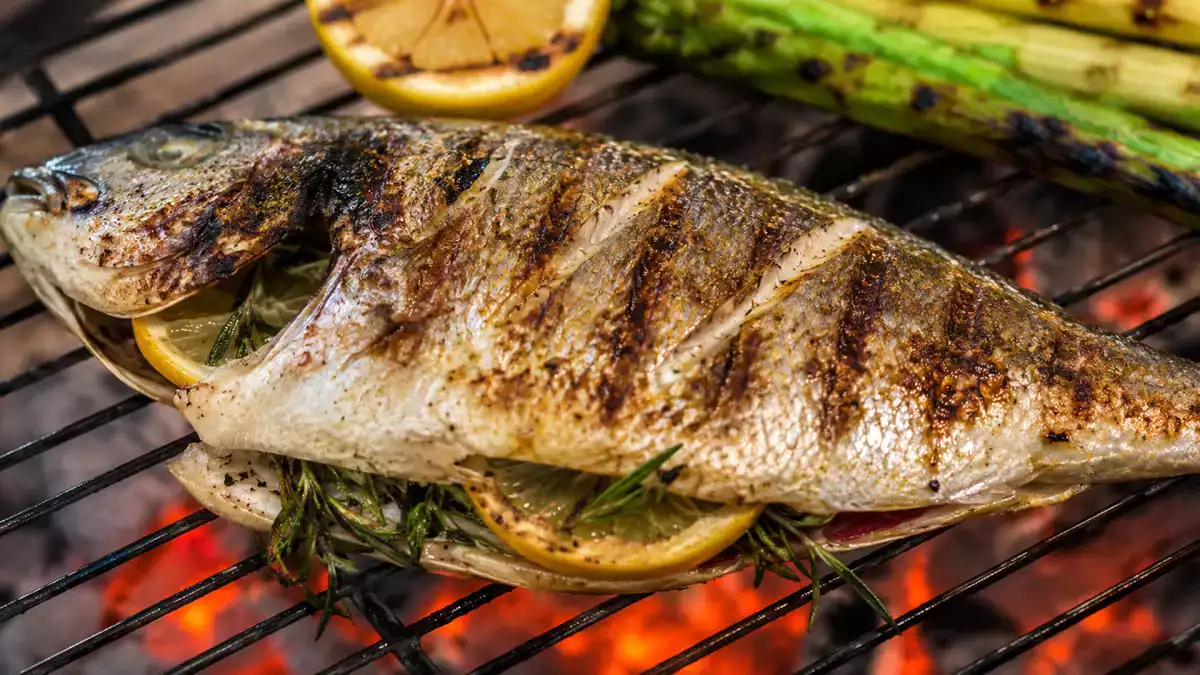
Few things are more frustrating at a cookout than buying a beautiful whole fish, placing it carefully on the grill, and watching the skin stick the second you try to flip it. Fish has a reputation for being delicate for a reason: it dries out quickly, breaks easily, and does not forgive a cold, dirty, or poorly oiled grate.
But you do not always have to hide it in foil or settle for serving it in pieces. The key comes down to three very simple things: choose the right fish, prepare the grill properly, and do not move the fish too soon.
But really, everything starts before you even light the grill.
Choose the right fish: whole is easier than fillets
If you do not have much practice, start with a whole fish. Sea bream, branzino, mackerel, sardines, trout, or a small snapper are usually easier to handle than a thin white fish fillet.
It makes sense. The skin protects the flesh, the bones help preserve juiciness, and the whole fish is easier to manage on the grill. A thin fillet of hake, sole, or flounder, on the other hand, can fall apart very easily if placed directly on a hot grate.
For beginners, medium-size whole fish are the safest option. Ask for them cleaned and gutted, but keep the skin on.
If you prefer fillets, choose firmer or fattier fish, such as salmon, tuna, swordfish, monkfish medallions, or thicker cuts of halibut. They hold up better to direct heat and are less likely to fall apart.
Before cooking: dry the fish, season it, and use a little oil
One of the most common mistakes is putting fish on the grill while it is too wet. That moisture turns into steam, cools the surface, and makes the skin more likely to stick.
The best thing to do is pat away excess moisture with paper towels, inside and out if it is a whole fish, without rubbing it too aggressively. If the fish has already been cleaned by the fishmonger, there is usually no need to rinse it under the faucet.
Then season it with salt and brush it with a thin layer of oil.
Thin really means thin. You do not need to drown it. The oil should help the skin make better contact with the grate, not drip uncontrollably onto the coals.
If you want to add lemon, herbs, or garlic, do it thoughtfully. A few herbs inside the cavity of a whole fish work well. Lemon, however, is often better added at the end or right before serving. If used too early, the acid can start changing the surface of the fish, which does not always help with grilling.
It is also best to avoid deep cuts in the skin unless they are truly necessary. On the grill, they can make the fish lose some of its juices before it reaches the plate.
A clean, hot grill with steady heat
This step decides a big part of the final result. The grill grate should be clean, hot, and lightly oiled.
If there are stuck-on bits from a previous cookout, that is the first place the fish will cling. If the grate is only warm, the skin will not sear properly and will stick more easily.
Here is the simple method:
- heat the grill well
- brush the grate to remove dried-on residue
- oil it carefully
You can do this with a paper towel held with tongs and a little oil. There is no need to soak the grate; a light film is enough.
Then wait until the heat is steady. Fish does not like flare-ups. It needs lively heat, yes, but controlled heat. If there are direct flames, the outside can burn before the inside cooks properly.
The real trick: do not move it too soon
This is the gesture that saves the most fish: once you place it on the grill, leave it alone.
It is tempting to lift one edge to check if everything is going well, move it “just in case it sticks,” or flip it too early. That is exactly when it breaks.
When the skin touches a hot grate, it needs time to sear. If you try to release it before that toasted surface forms, it will stick.
The signal is clear: if the fish resists when you slide the spatula underneath, wait a little longer. When it is ready to turn, it releases much more easily.
How to flip fish without breaking it
Fish is not a burger or a thick steak. The more you handle it, the more chances you have to break it.
That is why it is better to cook it on one side, turn it carefully, and finish it on the other.
- For a whole fish, use two long spatulas. One goes underneath, while the other helps support it from above. The turn should be firm and confident, without too much hesitation.
- If you added herbs or lemon slices inside, try to keep the belly facing upward during the flip so the filling does not fall out.
- If you are cooking skin-on fillets, start with the skin side down. For thicker pieces, place the thickest part over the hotter area and the thinner end in a slightly gentler zone.
- If the fillet is very delicate, do not put it directly on the grate. Use a fish basket, a grill pan, or a lightly oiled sheet of foil.
- And if you have a fish grilling basket, use it proudly. It is not a shortcut; it is a tool designed exactly for turning fish without destroying it.
How long does fish need on the grill?
There is no single perfect time because it depends on:
- the size of the fish
- the thickness
- the type of fish
- the strength of the heat
But there are some useful guidelines.
- A medium whole fish, such as sea bream or branzino, usually needs about 6 to 9 minutes per side, depending on size and heat intensity.
- Small sardines and mackerel cook much faster.
- A thick fillet may take around 7 to 10 minutes total, depending on thickness.
- Thin fillets cook very quickly and are the easiest to overcook.
Rather than watching only the clock, watch the fish itself. The flesh should turn opaque and flake easily.
If you have a thermometer, the safe internal temperature for cooked fish is about 145°F in the center. At home, especially if you are not used to judging doneness or if you are serving children, older adults, or more vulnerable guests, this is the safest way to check.
One more important thing: fish keeps cooking a little after it comes off the grill. If you leave it over the heat until it already looks dry, it will be even drier by the time it reaches the plate.
Mistakes that ruin grilled fish
A few common mistakes come up again and again, and most of them are easy to fix.
- putting wet fish on the grill
- using a cold or dirty grate
- cooking over open flames instead of steady heat
- moving the fish as soon as it goes on
- flipping it too many times
- choosing fillets that are too thin for direct grilling
- making deep cuts that let juices escape
- marinating it too far in advance in acidic mixtures
- overcooking it out of fear that it is raw
- undercooking it out of fear that it will dry out
Simply paying attention to three things (removing excess moisture, heating the grill properly, and waiting before flipping) can dramatically improve the result.
What about you?
Do you usually grill fish, or do you prefer not to risk it? Do you have a trick to keep it from sticking, breaking, or drying out?
Tell us in the comments which fish you make at home, how you cook it, and what works best for you when you fire up the grill.
 Patricia González
Comments