Is your peanut butter healthy? What to check on the jar so you pick the healthiest option every time
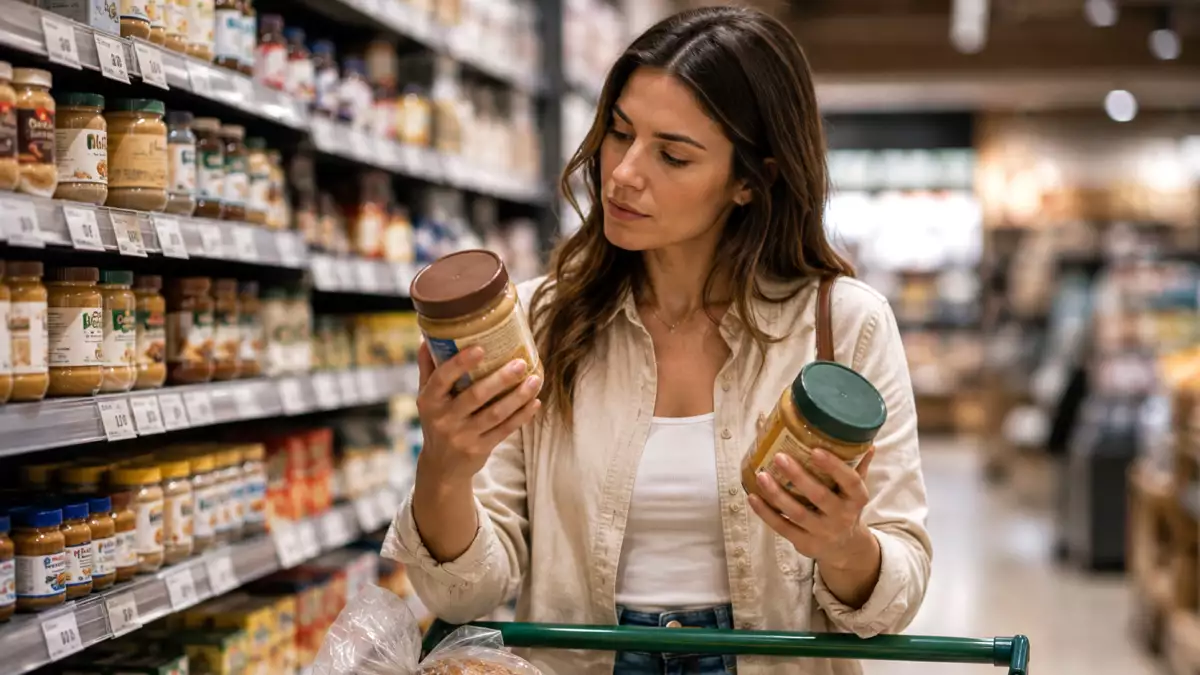
The problem isn’t that it contains fat, or that it’s high in calories, or that a layer of oil appears on top when you open it. The problem usually lies elsewhere: how much peanut it contains, how much sugar has been added, how much salt it contains, and how much we end up eating.
To make a smart purchase, it’s best to read the label carefully. A 100% peanut butter isn’t a light food, but it can be a good choice if eaten in reasonable amounts. A version with a lot of sugar, plenty of salt, and various filler ingredients is closer to a sweet spread than to a simple roasted peanut butter.
First, a simple idea: healthy doesn't mean “you can eat as much as you want.”
That said, it’s also an energy-dense food. To put it bluntly: two tablespoons may not seem like much, but they pack quite a few calories. That’s why the useful question isn’t just “is it good or bad?” but “which jar should I buy and how much should I use?”
A general guideline for a daily serving is usually around 15 to 30 g, depending on how hungry you are, the recipe, and the rest of the meal. It makes more sense to eat it with whole-grain bread, fruit, plain yogurt, or oatmeal than to combine it daily with chocolate, honey, cookies, or sugary cereal.
Comparison of three labels: same name, three different products
Label 1: “100% peanuts.”
This is the easiest option to understand. It contains only roasted and ground peanuts. The oil may separate, but that’s not a sign of poor quality—just give it a stir. Nutritionally, it’s the cleanest option, though it’s still high in calories.
Label 2: “96–99% peanuts, oil, and salt.”
Don’t automatically rule it out. A little oil can be used to adjust the texture, and a pinch of salt can enhance the flavor. The key is to check whether the peanut content remains high and whether the salt content isn’t sky-high.
Label 3: “peanuts, sugar, oils, salt, emulsifier...”
Here’s where things change. If sugar appears early in the list or the nutrition facts panel shows a significant amount of sugar per 100 g, you’re looking at a sweeter product. It might taste good, of course, but it no longer quite fits the bill as a healthy peanut butter for daily consumption.
The takeaway is practical: don’t judge by the front of the package. “Natural,” “fitness,” “high-protein,” or “palm oil-free” may sound good, but the truth is usually found on the back, in the ingredients and nutrition facts panel.
The ingredients: the more peanuts, the easier it is to get it right
A sensible purchase would be:
A very good option: 100% peanuts.
Acceptable option: very high peanut content, a little salt, and perhaps a small amount of added oil.
Option for occasional consumption: added sugar, syrups, large amounts of added fats, sweet flavorings, or an ingredient list that’s too long for a product that could be made with just one ingredient.
Watch out for a common trap: “no added sugar” doesn’t always mean “perfect product.” It may still be high in calories, contain a lot of salt, or be meant to be eaten by the spoonful. The label helps, but your overall diet is what matters most.
Added sugar: the little detail that turns a cream into a treat
For everyday use, it’s better to choose a spread with no added sugar. If the product contains sugar, honey, syrup, glucose syrup, dextrose, or sweet paste in significant amounts, it’s no longer the same choice. It’s also worth checking the nutrition facts label: if the sugar content per 100 g is high, the claim on the package loses its appeal.
A homemade tip: if you find 100% peanut butter too strong, mix it with a ripe banana, plain yogurt, or cinnamon. That way, you add flavor without turning the whole jar into a sweet spread.
Salt, oils, and additives: Don't panic, but don't go overboard either
It’s best to be moderate with added oils. Their presence alone doesn’t make the product a disaster. Sometimes they’re added to keep the peanut butter from separating or to make it creamier. Even so, if you can find a 100% peanut butter you like, the decision is simpler.
And it’s a similar story with additives: an emulsifier isn’t automatically harmful. What usually gives away a less-than-ideal product isn’t a single obscure word, but the big picture: less peanut, more sugar, more salt, and more ingredients than necessary.
The serving size: the part of the label that almost no one looks at
To get a sense of the portion size, just measure once how much 15 g or 30 g fits on a standard spoon. It’s not about weighing every breakfast, but about having a visual reference so you don’t always end up serving “just a little more.”
It also varies a lot depending on what you pair it with. As part of an afternoon snack with fruit and plain yogurt, it can help you feel full. In a bowl with chocolate, honey, sugary granola, and more nuts, it becomes a delicious calorie bomb—yes, a bomb nonetheless.
How to Use It Right: From Breakfast to Peanut Butter
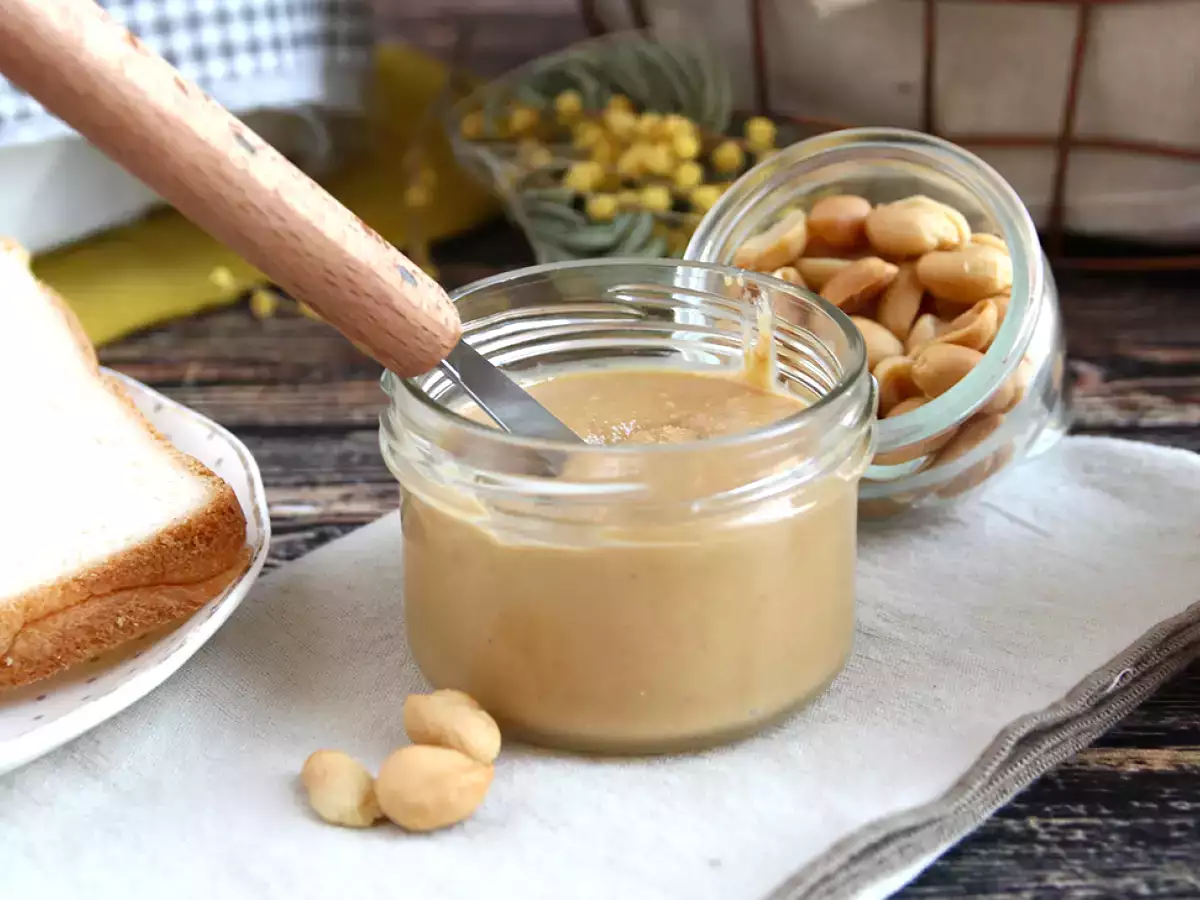
Homemade peanut butter has become a popular recipe among athletes and health-conscious individuals. It's highly nutritious, preservative-free, and can be spread on bread, fruits, or simply enjoyed on its own. Of course, we shouldn't eat the whole jar...
If you make it at home, you can control the degree of roasting, the salt, and the texture. It’s the clearest way to understand what a good jar of peanut sauce should contain.

To move away from traditional sauces , here's an excellent alternative that will give your salad a new flavor: peanut sauce . Simple and practical, just mix the ingredients and it'll be ready in seconds. Follow our recipe below↓↓
Used as a sauce, a small amount goes much further than slathering it on recklessly. Plus, it helps make vegetable-packed dishes more appetizing.
Recipes Where It Actually Makes Sense
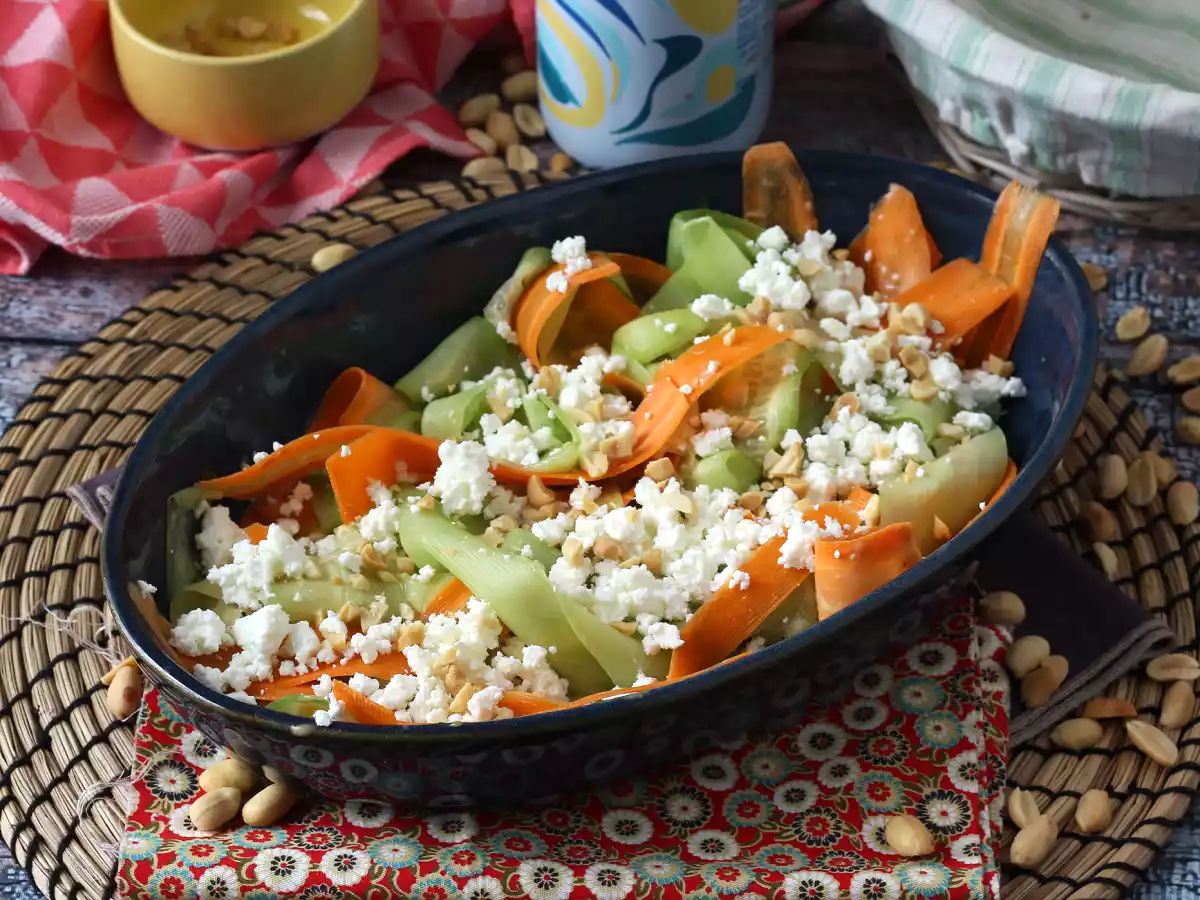
The sun is starting to shine, and we couldn't wait to make some light, delicious salads for our picnics and barbecues :-) We're kicking off summer with this colorful, crunchy salad featuring cucumber and carrot tagliatelle , topped with a creamy...
In a vegetable salad, peanut sauce can replace blander dressings and make the dish more satisfying.
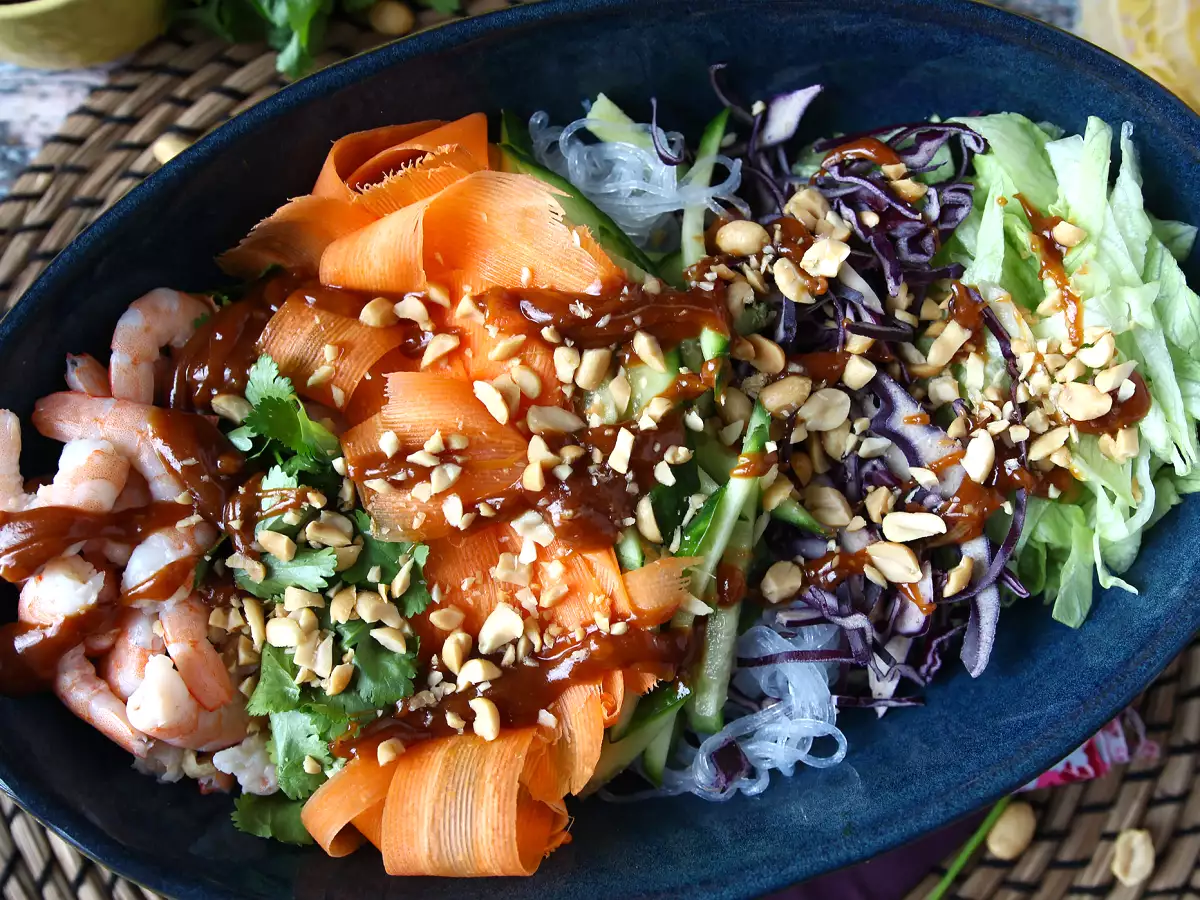
Looking for a fresh, colorful salad with a difference? This rice vermicelli and shrimp spring roll salad is perfect: light yet filling, with a mix of crunchy vegetables (carrot, red cabbage, cucumber, lettuce...) that add texture to every bite! And...
It also works well in fresh dishes with rice noodles, vegetables, and protein. The key is not to overwhelm the dish: the sauce should dress it, not drown it.
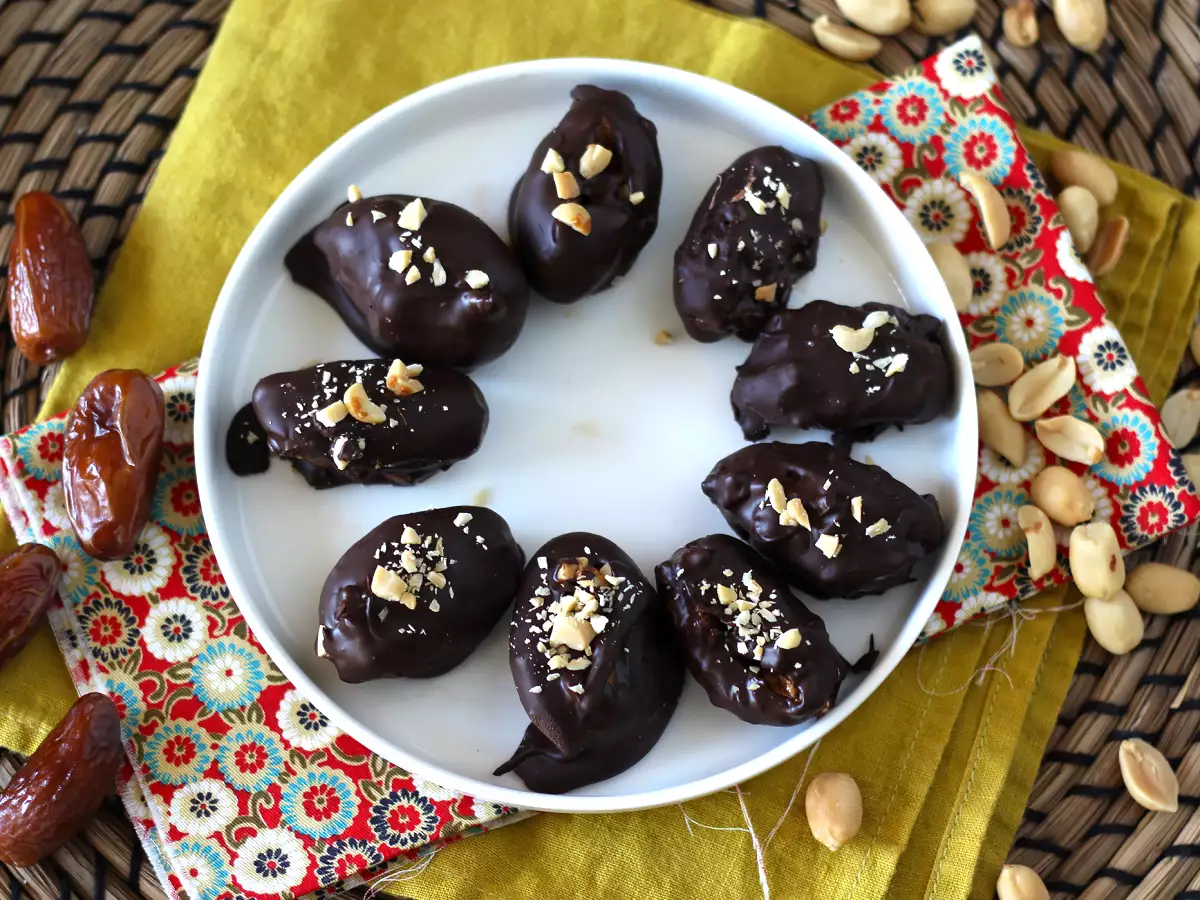
We all know and love the delicious Snickers chocolate bars, with their great peanut and chocolate flavor! Their only drawback? The large amount of sugar, which makes them a bit of a guilty pleasure... But don’t worry! We’ve prepared a recipe for a...
For a sweet treat, it’s best to think small and occasional. Just because it has no added sugars doesn’t mean it’s light, but it can be a more interesting alternative than a regular chocolate bar.
So, which one should I buy?
1. Check the percentage of peanuts. The closer to 100%, the better.
2. Look for added sugar. If it’s there, ask yourself if you want an everyday food or a treat.
3. Check the salt content. It’s best if it’s low or absent, especially if you already eat salty foods.
4. Don’t get hung up on a single oil or additive. Look at the product as a whole.
5. Decide on your serving size before opening the jar. Your health depends on the spoon, too.
The best peanut butter isn’t the one that shouts the loudest on the package. It’s the one where, when you turn it over, you can read a short, clear, and consistent label.
What You Need to Keep in Mind
Not on its own. What matters is your overall diet and the amount you eat. It’s high in calories, so portion size is very important.
Is 100% peanut butter better?
For everyday use, yes, it’s usually the best option: less room for added sugar, excess salt, or unnecessary ingredients.
Is the layer of oil on top a bad sign?
Not necessarily. In natural peanut butters, some of the oil from the peanuts themselves may separate. Just give it a stir and you’re good to go.
Is it a good source of protein?
It provides plant-based protein, but it shouldn’t be viewed as a “protein supplement.” It’s also high in fat and calories. It’s best as a filling food as part of a balanced meal.
Can anyone eat it?
No. Anyone with a peanut allergy should avoid it completely. For young children, it’s also important to adjust the texture and follow pediatric guidelines to reduce the risk of choking.
 Patricia González
Comments