Korean food and wine: 5 easy pairings you can try at home to instantly lift everyday recipes
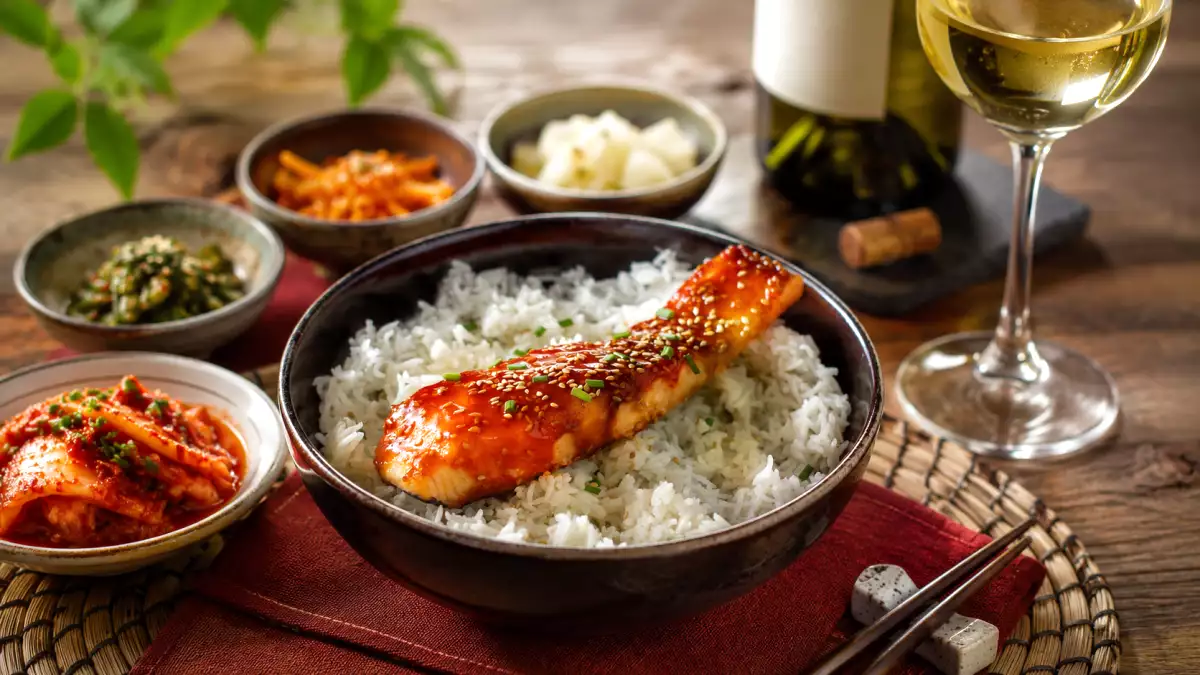
Korean Korean cuisine is one of the most interesting cuisines to serve when it comes to wine pairings. It’s not just about spice: there are sweet-and-sour notes, savory marinades, soy sauce, sesame, ginger, garlic, crisp vegetables, and that depth of flavor often referred to as umami, that is, a savory and enveloping sensation.
This is precisely why choosing a wine might seem complicated. In reality, you just need to follow a few rules: look for freshness, clean aromas, soft tannins, and an alcohol content that isn’t too high. Here are five Korean recipes from Petitchef with the perfect wine pairings.
How do you pair wine with Korean cuisine?
With Korean dishes, wine should complement the food without overpowering it. Gochujang, the famous fermented chili paste, adds sweetness, heat, and savory notes; soy sauce adds intensity; and sesame provides a toasty touch. That’s why wines with good acidity (meaning freshness on the palate) and aromatic but not heavy aromas work well.
Before choosing a bottle, keep these practical criteria in mind:
- Freshness: helps cleanse the palate of fried foods, sauces, and marinades.
- Low tannins: In reds, this prevents a dry, bitter aftertaste when paired with spices and soy sauce.
- Light smoothness: useful when the dish is spicy or sweet and sour.
- Bubbles: excellent with fried foods, eggs, rich dishes, and intense flavors.
- Moderate alcohol content: Too much alcohol amplifies the spicy sensation.
- Served chilled: whites, rosés, sparkling wines, and light reds taste best when not warm.
Dakgangjeong, Korean fried chicken: the perfect wine is fresh and lively
The most obvious pairing is with a demi-sec Riesling, especially if the sauce is quite spicy: the slight residual sweetness softens the chili, and the acidity keeps the palate clean. A Prosecco Extra Dry or a Crémant d’Alsace also works very well if you prefer sparkling wine. For those who want to stick with a still Italian wine, a dry Gewürztraminer with moderate alcohol content can hold its own against spices, garlic, and sweet-and-sour notes.
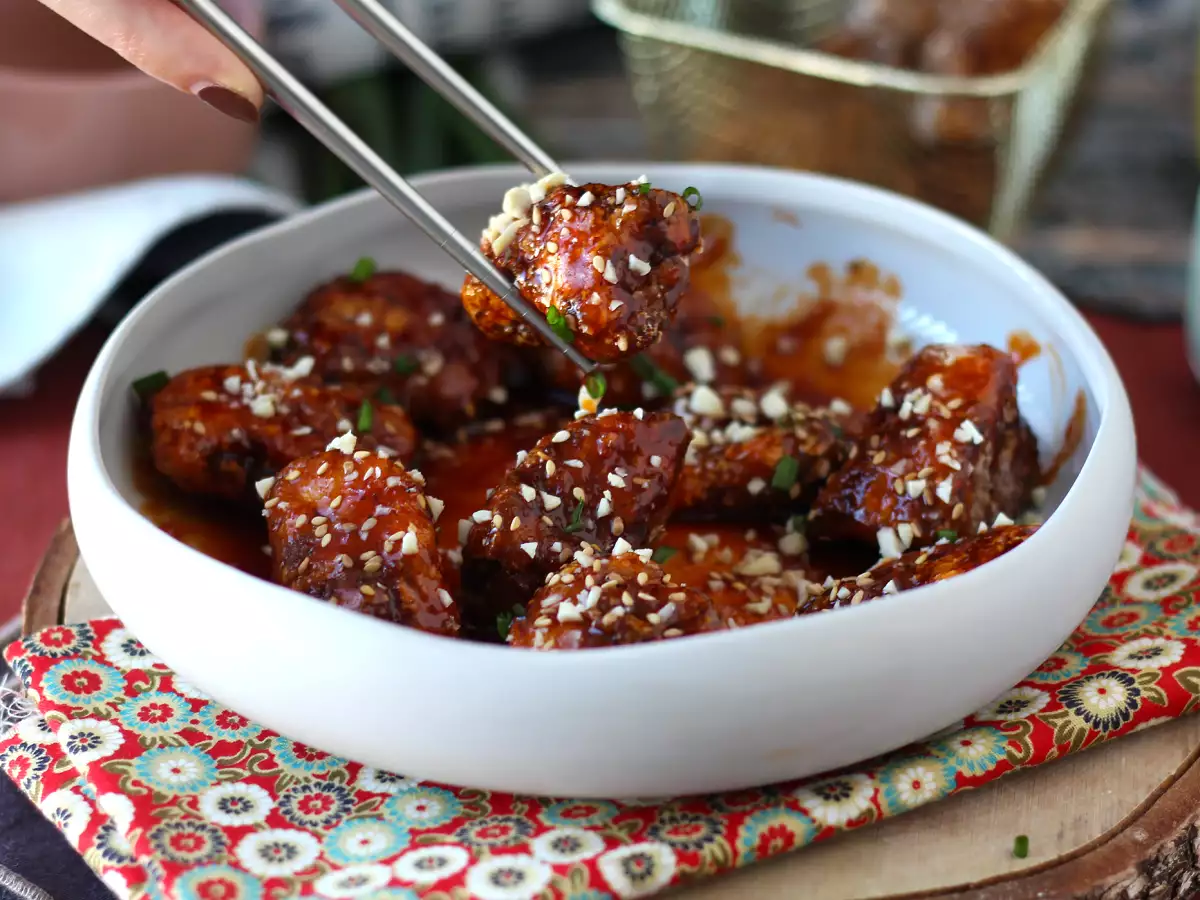
Lovers of sweet and savory flavors and spicy food, this recipe is for you! We love the flavors of Asian cuisine and the crunch of these bite-sized Dakgangjeong chicken pieces . Gochujang will warm your heart and take you on a trip to Korea ,...
Mayak gyeran, Korean marinated eggs: sparkling wine or savory white wine—which is better?
An excellent pairing is with a Franciacorta Brut or a Spanish Cava Brut: the bubbles lighten the richness of the egg, and the freshness balances the soy sauce. If you prefer a still white wine, choose a Verdicchio dei Castelli di Jesi or an Albariño: both have a pleasant savory note, ideal with marinades and intensely flavored dishes.
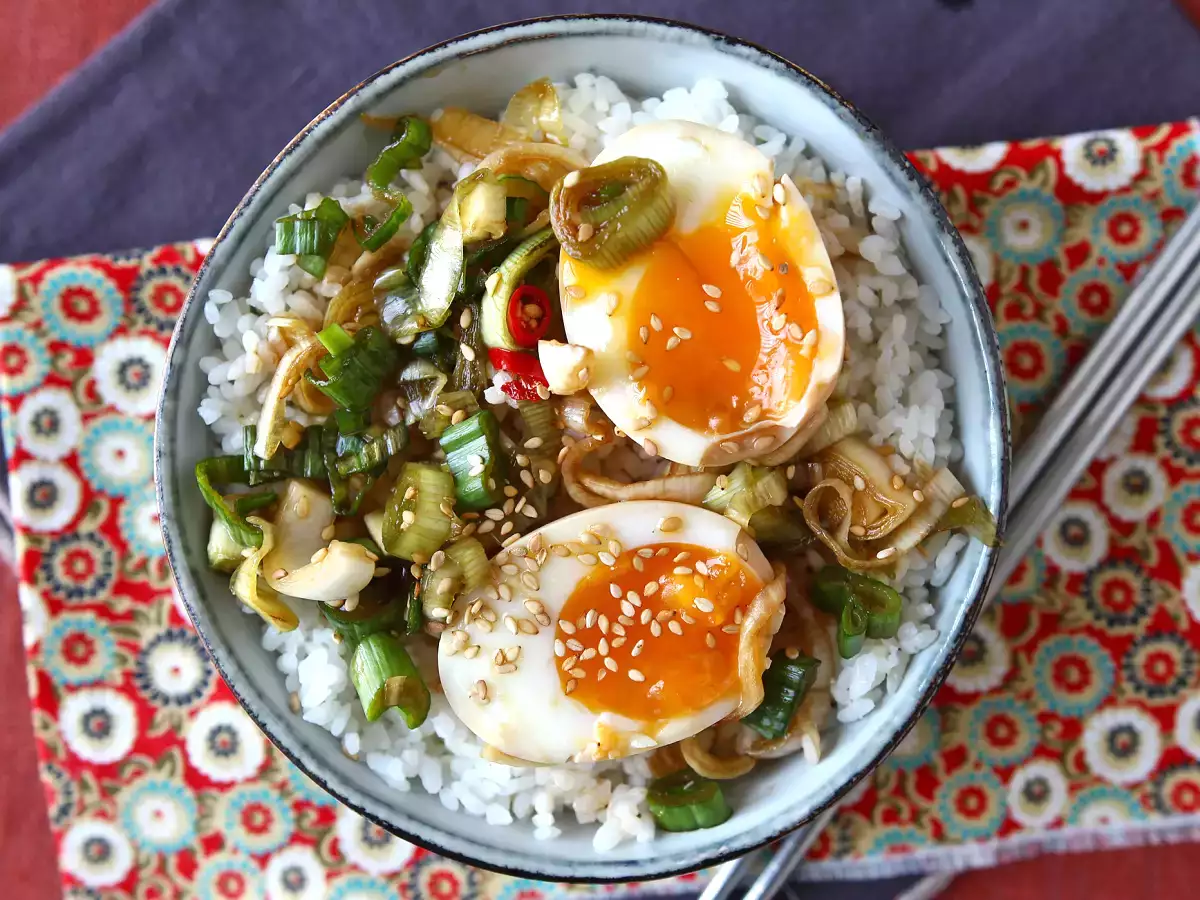
The name Mayak Gyeran (마약계란) literally means "drug egg" and clearly, the name doesn't lie: once you've tasted them, it's impossible to stop! With their fragrant marinade of soy sauce, garlic and chili pepper, they explode with flavor and are the...
Shiitake Mushrooms with Gochujang Sauce: Light Red and Aromatic White
Among reds, try a young Pinot Noir (Italian or French) served slightly chilled. It has delicate tannins and aromas of berries that won’t overpower the mushrooms. Alternatively, a Gamay from Beaujolais is a light, pleasant, and versatile international choice. If you prefer a white, opt for a Sauvignon Blanc that isn’t too vegetal or a dry Riesling: both help bring out the flavors of this savory, spicy dish.
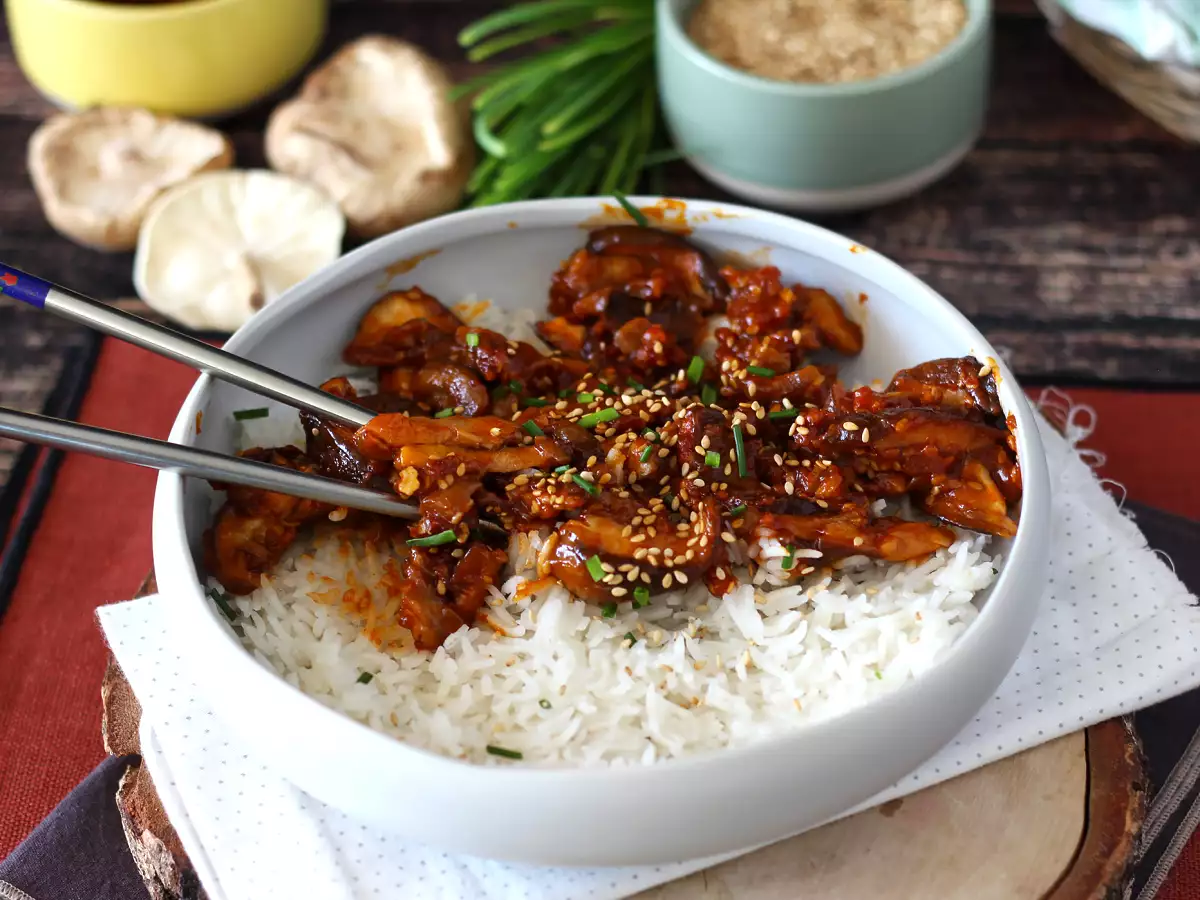
Looking for an alternative to traditional bibimbap , a classic Korean dish? Try our flavorful Korean-style mushrooms . Tender and juicy shiitake mushrooms pair perfectly with gochujang sauce , creating a perfect balance of sweetness and heat. This...
Bibimbap: a hearty dish that pairs well with versatile wines
The safest choice is a food-friendly rosé, such as a young Cerasuolo d’Abruzzo, a Provence rosé, or a fresh Spanish rosado. It has enough character to stand up to the vegetables, the sauce, and any egg, yet remains easy to drink. If you prefer a white wine, a dry Chenin Blanc or a Grüner Veltliner are excellent alternatives: they offer freshness, subtle aromas, and enough structure to accompany the dish from start to finish.
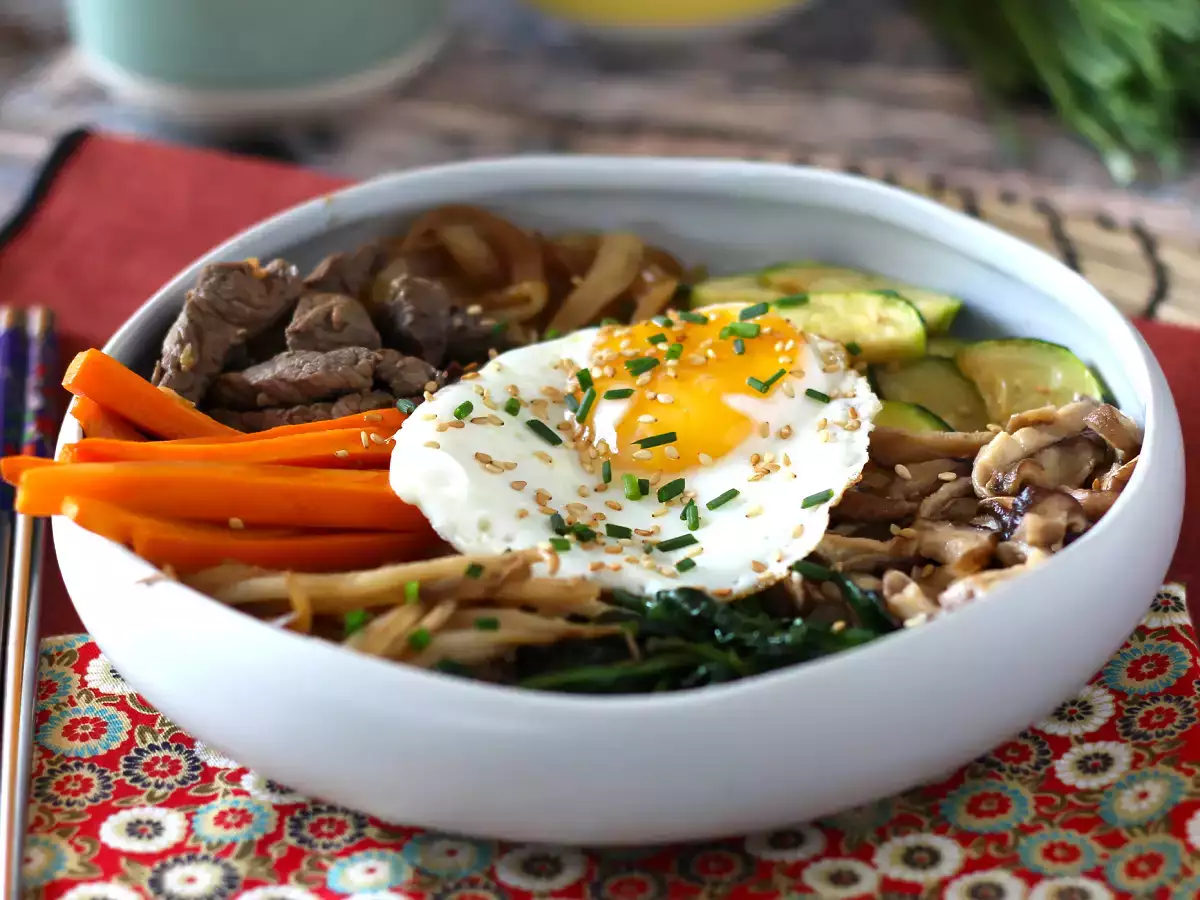
Don't panic when you see all the ingredients and steps for bibimbap—with a little organization, you'll see that it's really quite easy! :-) The name bibimbap comes from the Korean words "bibim," meaning "mixed," and "bap," meaning "rice." It was...
Korean-Style Salmon with Gochujang: Paired with Full-Bodied Whites and Delicate Reds
A Chardonnay that isn’t overly oaked (perhaps a simpler Burgundy or one from cooler regions) works well because it has body without being overpowering. A well-structured Soave Classico is also excellent, offering balance and a clean finish. If you prefer a red, go for a light Pinot Noir or a South Tyrolean Schiava served chilled: they complement the fish’s richness without accentuating the spiciness.
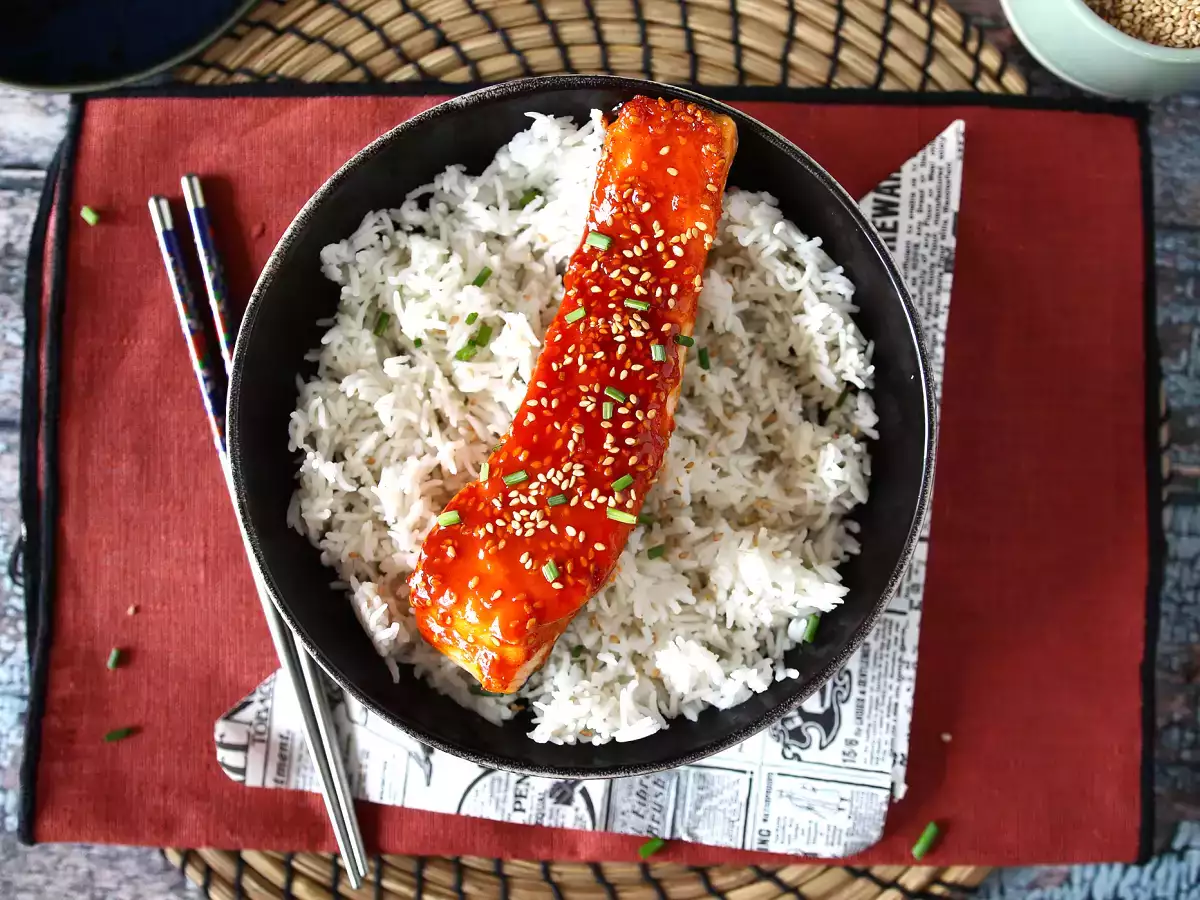
Today, we're heading back to Korea to make a super simple and delicious dish for salmon and spicy-food lovers! Get ready for an explosion of flavor with our quick recipe for Korean-style salmon, ready in just 8 minutes :-) Cooking the fish couldn't...
Spicy, Soy, and Sesame: Mistakes to Avoid When Pairing Them
The second mistake is serving very tannic reds, such as some bottles meant for long-term aging. Tannins (the part of the wine that makes your mouth feel dry) can clash with soy sauce, spices, and marinades. Third mistake: serving everything at the same temperature. A light red wine paired with Korean cuisine can taste much better at 12–14°C than at room temperature, especially if the dish is spicy.
A Korean meal paired with wine: How do you put one together at home?
If you want to prepare a full Korean dinner, you can choose a single, very versatile bottle or create small pairings.
For a casual meal, a crisp rosé or a Brut sparkling wine can pair effortlessly with multiple dishes. If, on the other hand, you’d like to serve different wines, start with sparkling wine with the marinated eggs, move on to an aromatic white or a Riesling with the fried chicken, and then choose a rosé or a light red for bibimbap, shiitake mushrooms, and salmon.
The real goal isn’t to find the “perfect” pairing, but to make the meal more balanced: a well-chosen wine should refresh the palate, complement the spices, and enhance the richness of Korean cuisine. With light, fresh wines served at the right temperature, even those without much experience can create surprising and very pleasant pairings.
 Daniele Mainieri
Comments