Lebanese mezze, like tapas: small plates and recipes to travel with your palate and taste the region
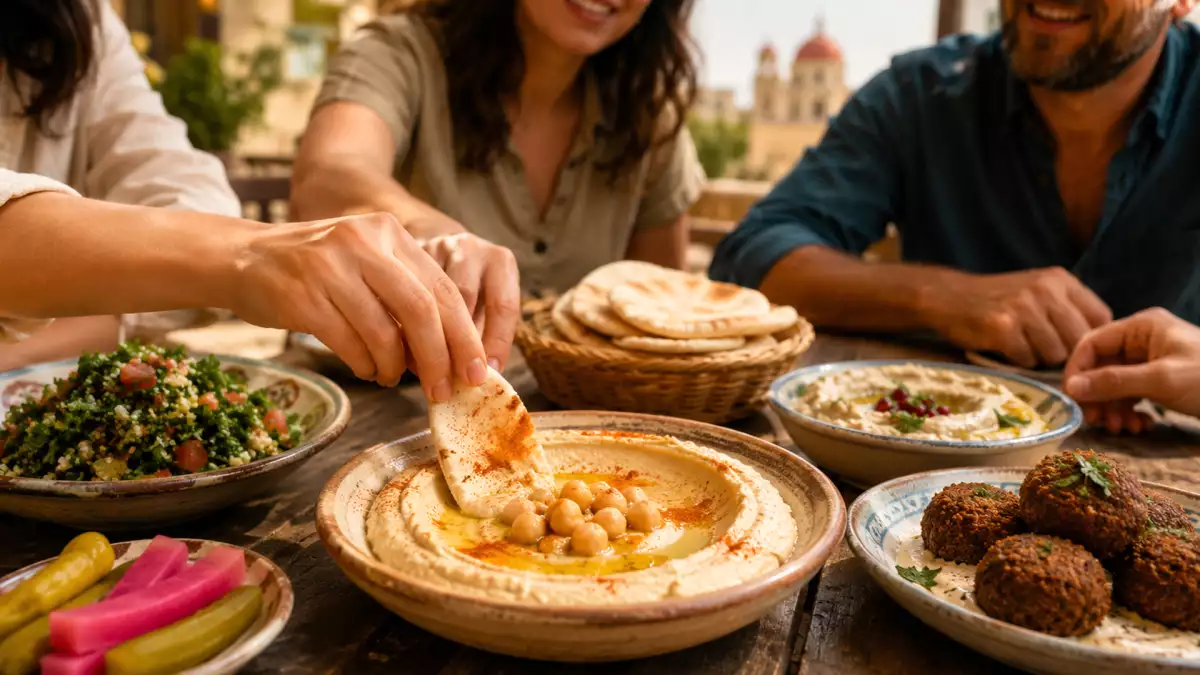
Before hummus became a supermarket regular, Lebanese cuisine already understood something many of us recognize immediately: eating can also mean placing several dishes in the middle of the table, sharing, picking at different bites, stretching the conversation, and trying a little bit of everything. That, in many ways, is the spirit of mezze.
Mezze are a selection of small dishes, both cold and hot, served for sharing. They can open a meal, accompany a drink, or become the whole plan on their own: a table filled with creamy dips, fresh salads, marinated vegetables, spiced fried bites, flatbreads, pickles, and maybe something a little more filling.
Comparing them to tapas helps explain the idea, although they’re not exactly the same. With mezze, it’s less about ordering one isolated small plate and more about building a generous, varied table where hummus sits alongside baba ganoush, tabbouleh, labneh, falafel, and plenty of bread. Everything is placed in the center, and everyone creates their own combinations: something creamy, something tangy, something spiced, something fresh, and something to scoop it all up with, ideally pita or Arabic flatbread.
For anyone who only knows supermarket hummus, mezze are a wonderful gateway into Lebanese, Mediterranean, and Middle Eastern cooking: fresh, aromatic, generous, and perfect for an informal meal at home.
1. Chickpea hummus
Probably the best-known mezze outside the Middle East, hummus is also the easiest one to recognize for anyone discovering this cuisine for the first time. It combines chickpeas, tahini, lemon, garlic, and olive oil into a smooth cream, perfect with pita bread, raw vegetables, or as a base for other dishes.
Its charm lies in balance. It should be creamy but not heavy, flavorful but not aggressive. A generous drizzle of olive oil, a little paprika, cumin, or chopped parsley is enough to make it look like a carefully prepared appetizer. There are many versions of hummus, but chickpea hummus remains the most classic and familiar.
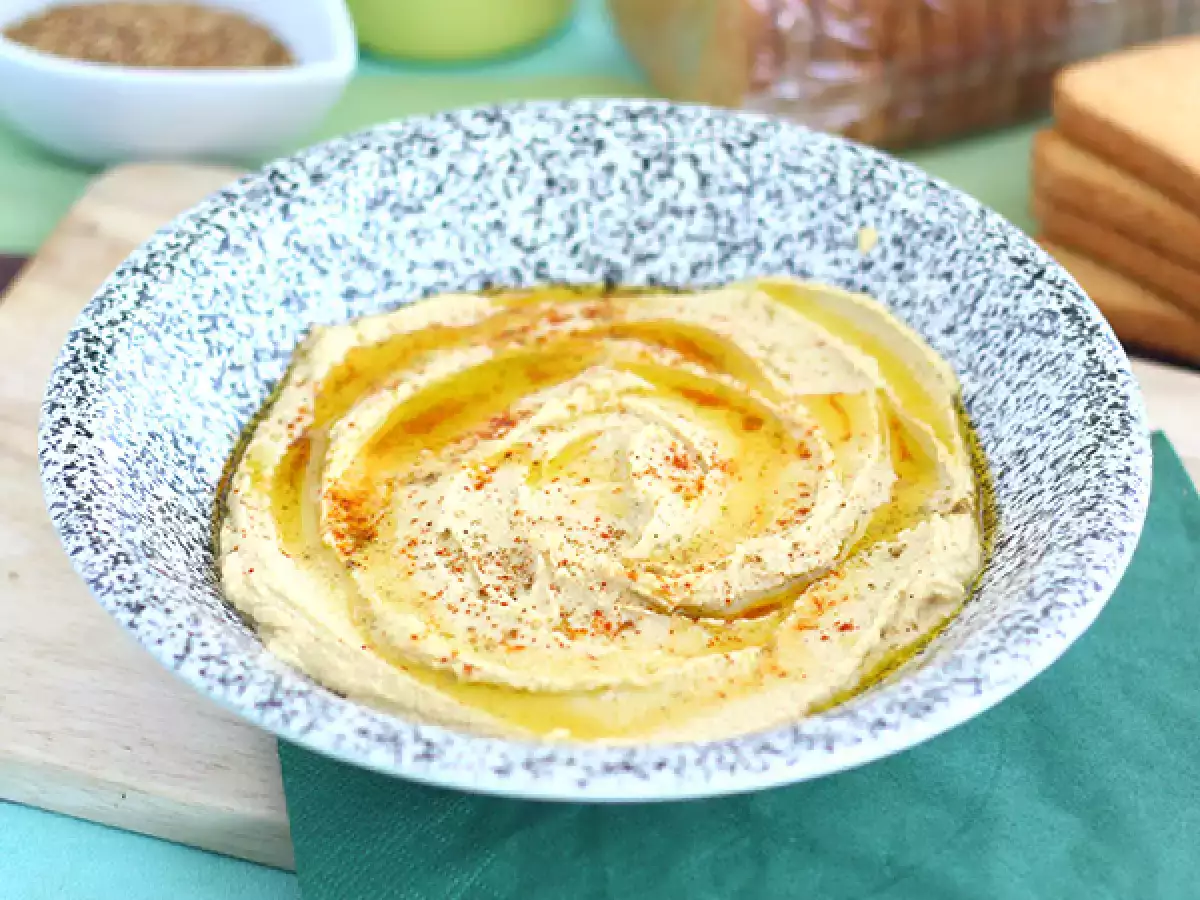
Chickpeas are on the menu today! Enjoy this recipe as a starter or an appetizer, served with pita bread, toast, or crudités ;-)
2. Baba ganoush or mutabal
If hummus is the great chickpea dip, baba ganoush plays the same role with eggplant. The key is roasting the eggplant until the flesh becomes very tender and develops that slightly smoky depth.
It is then mixed with tahini, lemon, garlic, and olive oil to create a silky, intense, and deeply flavorful dip. It’s one of those dishes that gets even better after resting and works beautifully on a sharing table, especially with warm or toasted bread.
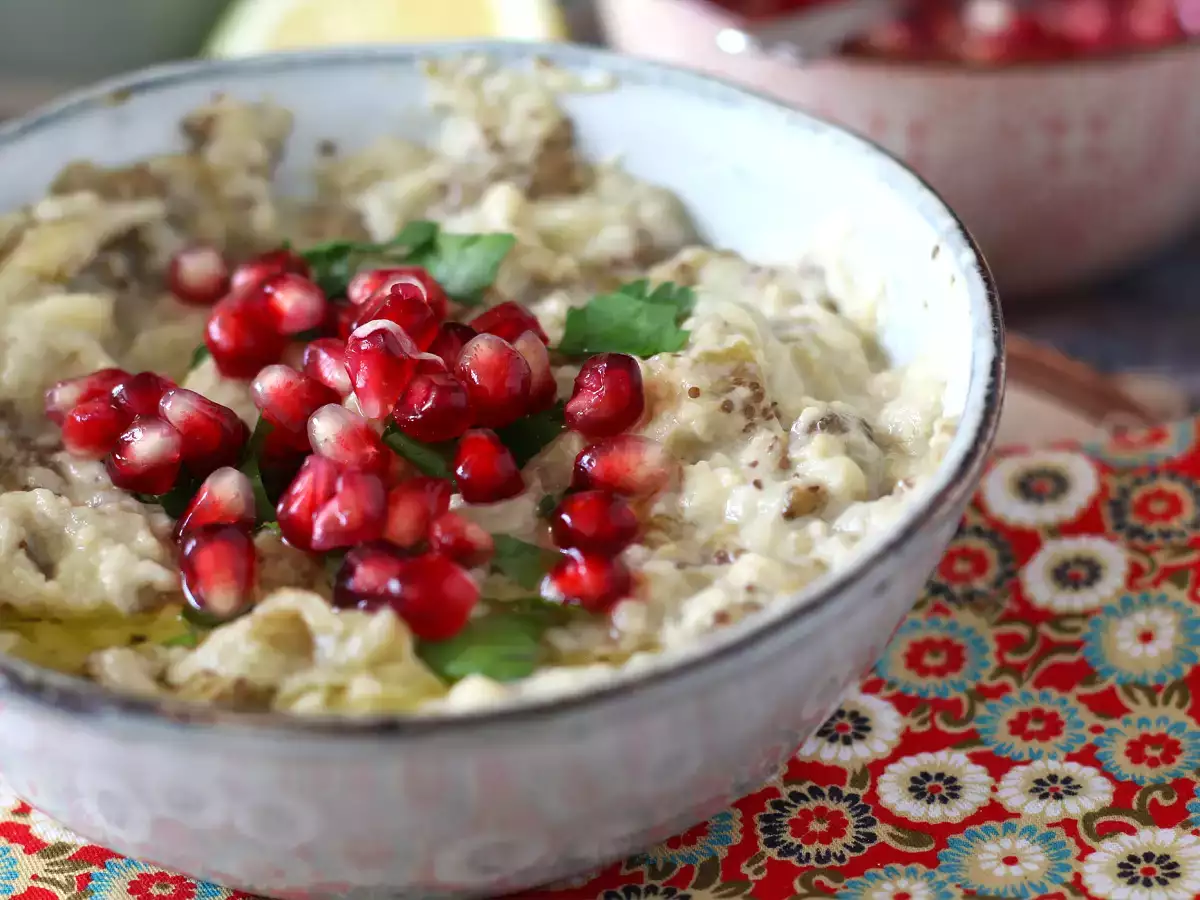
Discover the cousin of the famous eggplant caviar that comes straight from Lebanon: baba ganoush ! Lebanese cuisine is full of culinary delights and all kinds of mezze, perfect for a dinner party. Learn how to make this spread, bursting with flavors...
3. Tabbouleh
Tabbouleh is fresh, aromatic, and very green. Traditionally, it’s made with lots of parsley, mint, tomato, onion, lemon, and bulgur. Some more adapted versions use couscous, which may be easier to find in many kitchens.
On a mezze table, tabbouleh brings lightness and acidity; exactly what you need to balance richer dips like hummus or baba ganoush. It’s simple, but it’s not just any salad. Here, the herbs are not decoration; they are the heart of the recipe.
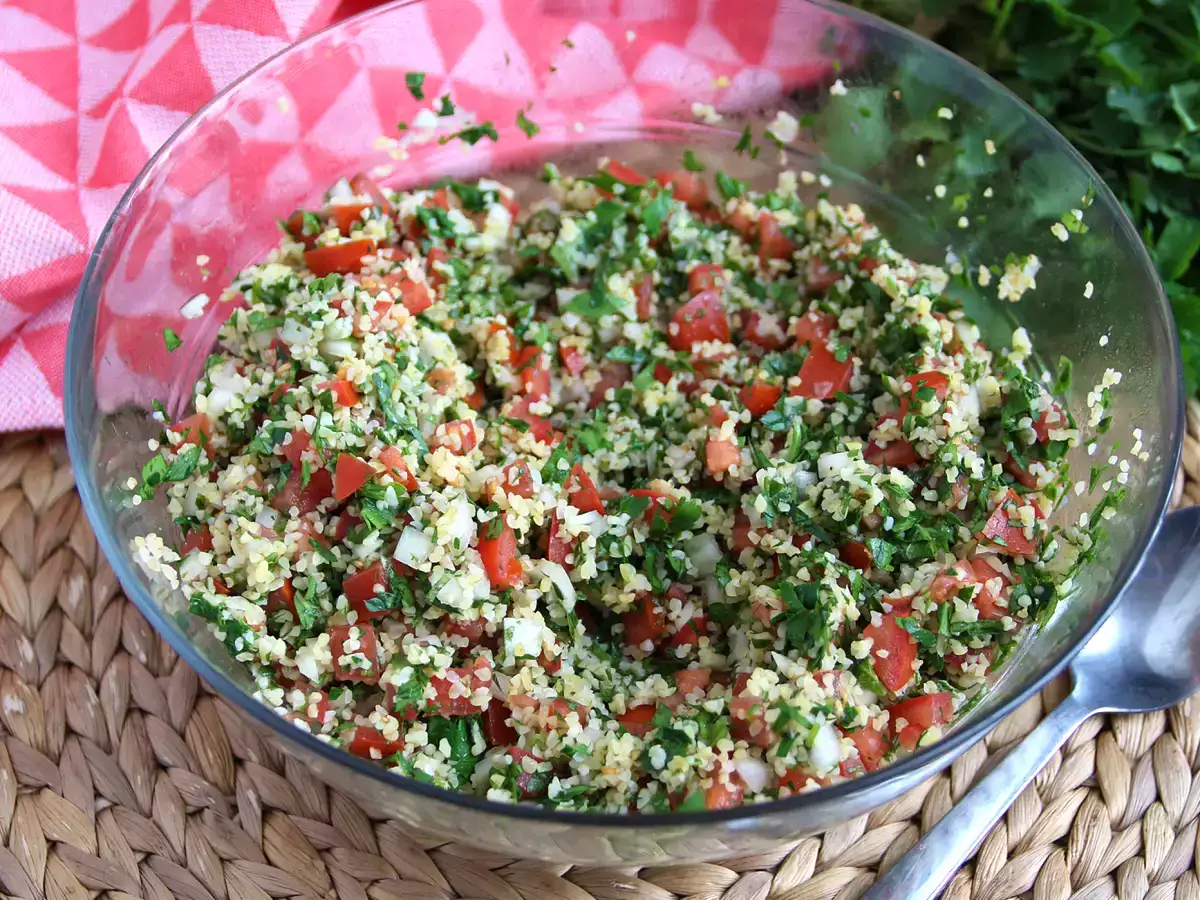
Looking for something fresh for lunch? We're sharing our secret recipe for a successful picnic: Lebanese tabbouleh! An explosion of flavors guaranteed ;-) Thanks to flat-leaf parsley and mint, your taste buds will be tingling. Add juicy tomatoes, olive...
4. Falafel
Falafel is one of the most popular hot bites in Middle Eastern cooking. It’s made with ground chickpeas or fava beans, fresh herbs, and spices, shaped into small balls or patties, then fried until golden outside and tender inside.
On a mezze table, falafel adds that more substantial element that can turn a spread of small dishes into a complete meal. It can be served with yogurt sauce, tahini, salad, pita bread, or pickles.
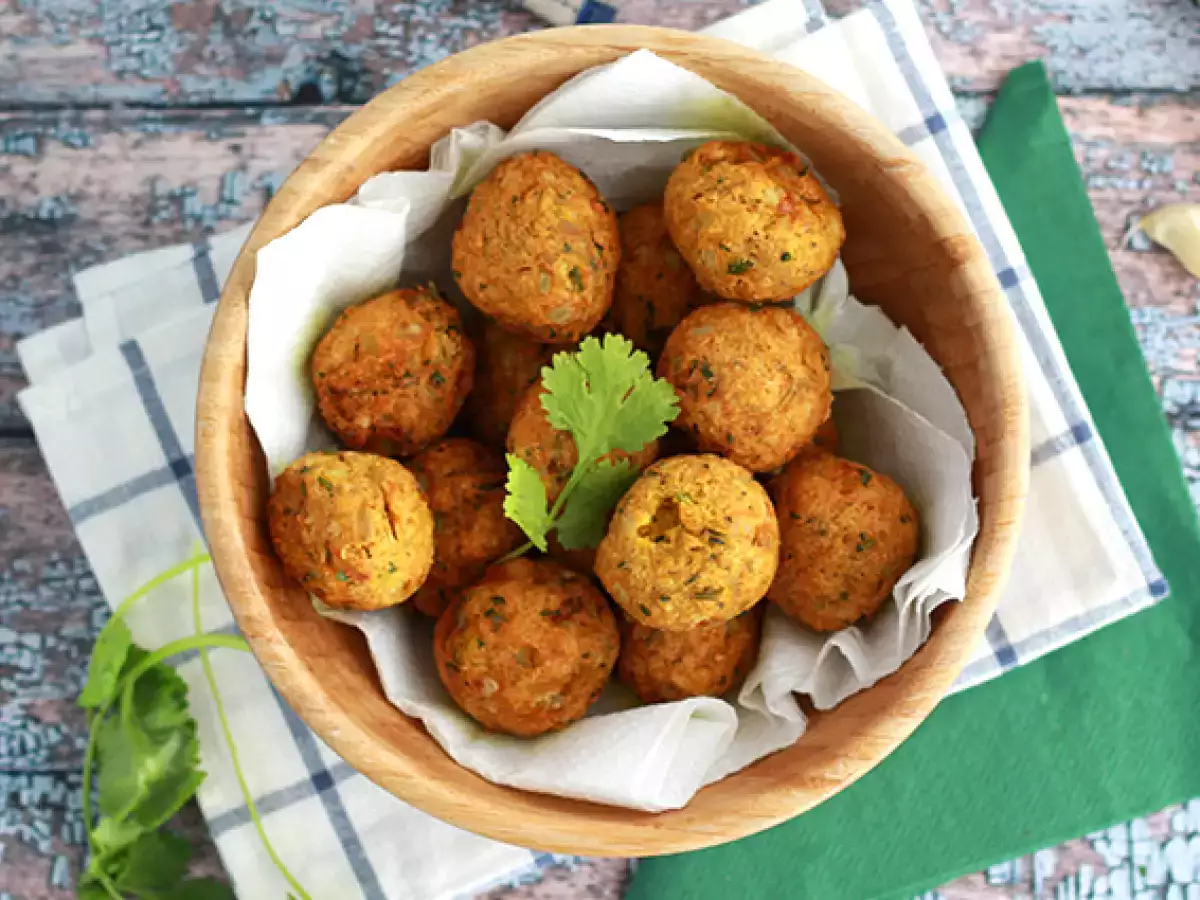
One of our favorite recipes to make with chickpeas? Falafels! This famous recipe from the Middle East will tantalize your taste buds. A healthy, vegetarian, and aromatic preparation that showcases the richness of Lebanese cuisine. Whether as an...
5. Kefta or kafta
Spiced ground meat preparations exist in many cuisines across the Eastern Mediterranean, the Middle East, and North Africa. In Turkey, they often appear as köfte; in Lebanese and Levantine cooking, they are commonly known as kafta or kefta, usually made with ground meat, onion, herbs, and spices.
Served in small portions, they fit very well into a fuller mezze spread, especially with fresh salads, flatbread, and a yogurt or tahini sauce. They’re not essential if you want a lighter, more vegetable-focused table, but they do help make the meal more hearty.
6. Homemade Labneh
Labneh starts from a very simple idea: plain yogurt mixed with salt and strained for several hours until it loses some of its whey and becomes thick, creamy, and spreadable.
On a Lebanese table, it’s often served with olive oil, za’atar, herbs, or spices. It works as a dip, as a companion to bread and vegetables, or as a fresh counterpoint to more heavily spiced bites.
A homemade cream cheese-style version follows the same logic: yogurt, salt, and time. Finished with olive oil and herbs, it becomes the perfect cool, tangy dairy element on a mezze table.
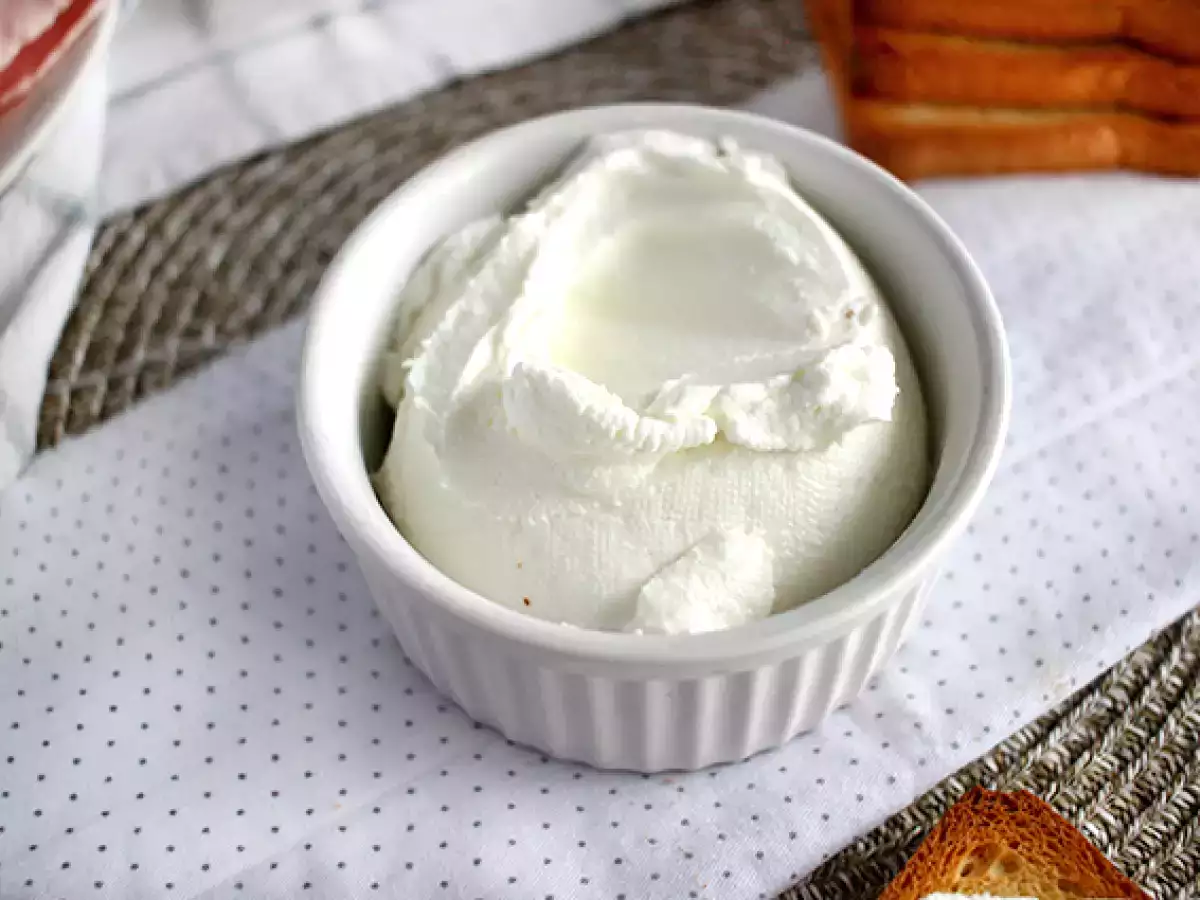
Craving some cream cheese toast, or need Philadelphia for a recipe but don't have any? If you have yogurt to spare, all you need is some cheesecloth or a cloth to strain the whey, and you're good to go! It tastes exactly like the cream cheese you buy...
7. Lebanese rikakats
Rikakats, also spelled rakakat, are Lebanese rolls made with thin pastry and filled with cheese and herbs. Traditionally, they are fried, although they can also be baked or cooked in an air fryer. They’re best served fresh, when the pastry is golden and crisp and the inside is still melty.
On a mezze table, they have a very clear role: they bring a hot, savory, easy-to-share bite. The cheese version is especially appealing because it feels familiar (like many stuffed pastry appetizers; but with the Lebanese touch of salty cheese, parsley, and that hand-held roll format.
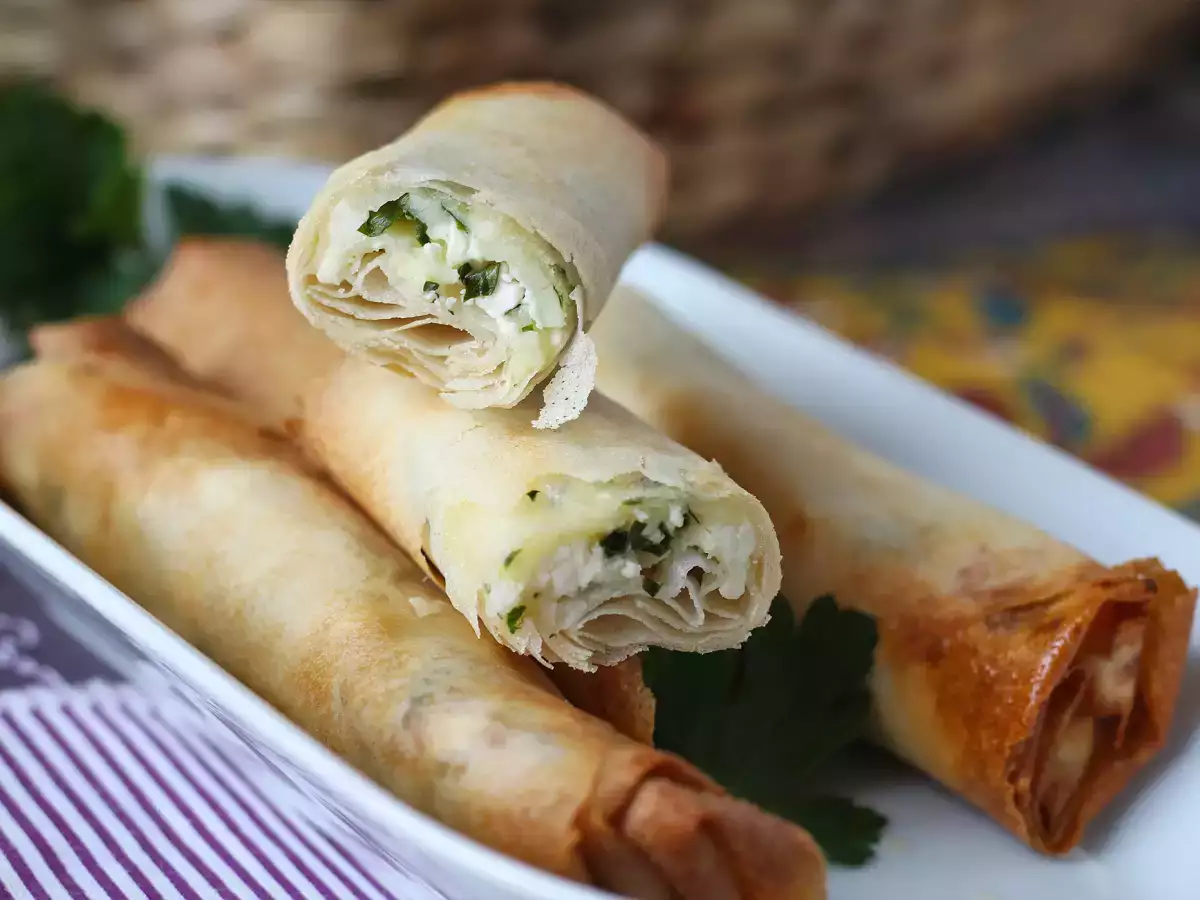
Fancy a crisp, melt-in-your-mouth appetizer that's ready in minutes? These homemade Lebanese rikakats made in the air fryer are sure to become a table staple! These delicious cheese rolls, typical of Middle Eastern mezze, feature an ultra-crispy...
8. Pita bread
Pita bread is not exactly a mezze dish, but it’s hard to imagine a Lebanese table without it. It’s the essential companion that lets you enjoy so many of the other preparations: scooping up hummus, gathering baba ganoush, eating labneh, or wrapping falafel with vegetables and sauce.
More than a side dish, it acts as the thread that ties the table together. It makes everything easier, more shareable, and more informal. In a mezze meal, bread is not just there to accompany the food; it helps build every bite.
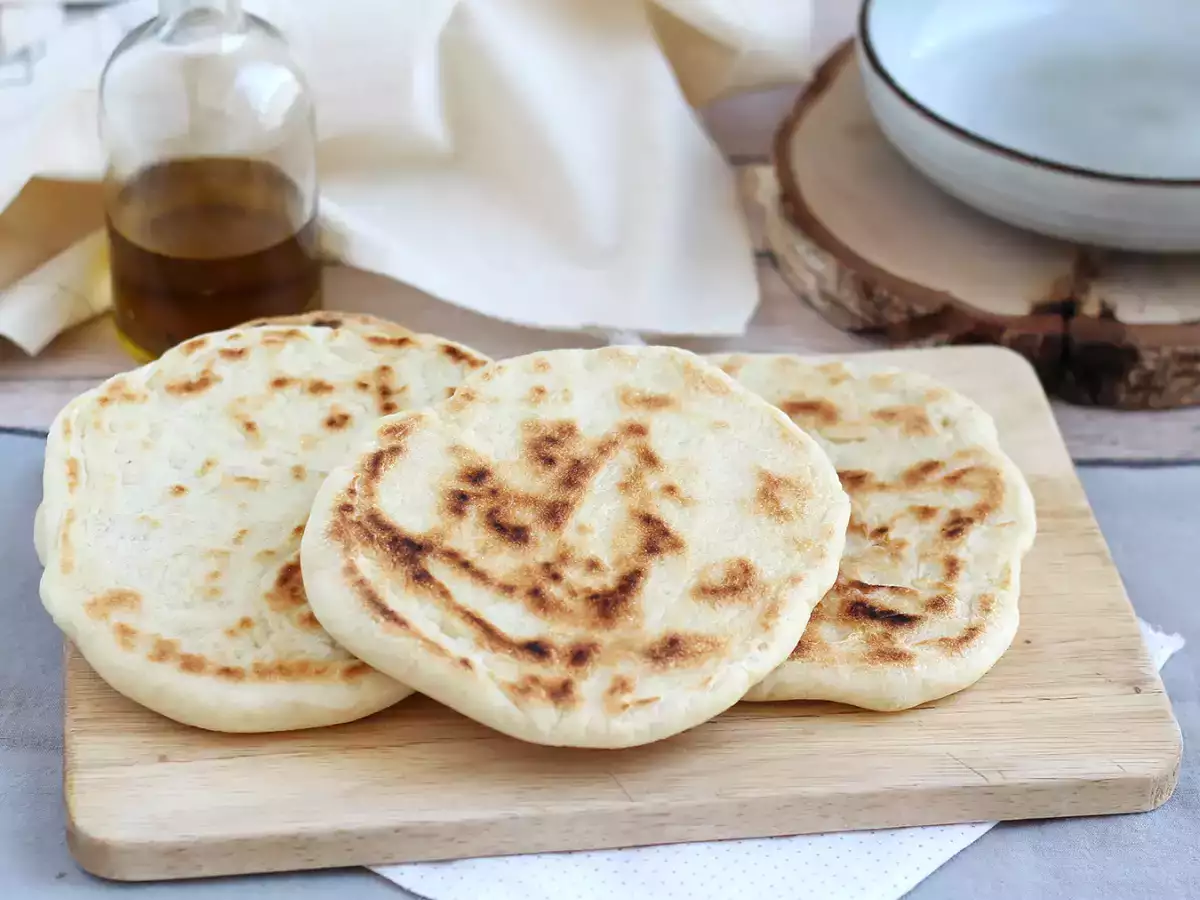
Today, we're trying this round bread straight from the Middle East: pita bread! It's super easy to make, and with our written instructions, photos, and video, you can easily recreate this recipe at home. You can enjoy it as is throughout the meal, or...
Drinks and desserts to complete the table
Drinks and desserts are not mezze in the strict sense, but they help round out the meal when the idea is to prepare a table inspired by this tradition. Fresh non-alcoholic drinks, infusions, mint tea, or an anise-flavored drink from the Eastern Mediterranean all fit beautifully. To finish, think fruit, sweets with nuts and syrup, or a dessert like kunafa.
In the end, preparing a mezze table is less about following a strict protocol and more about bringing together several simple dishes, placing bread in the center, and letting everyone eat at their own pace. Hummus, labneh, rolls, salads, something sweet, and a cold drink: honestly, you don’t need much more for the table to work.
 Patricia González
Comments