Make homemade butter using just one ingredient: a simple method anyone can follow at home
Thursday 3 September 2026 15:30 - Adèle Peyches
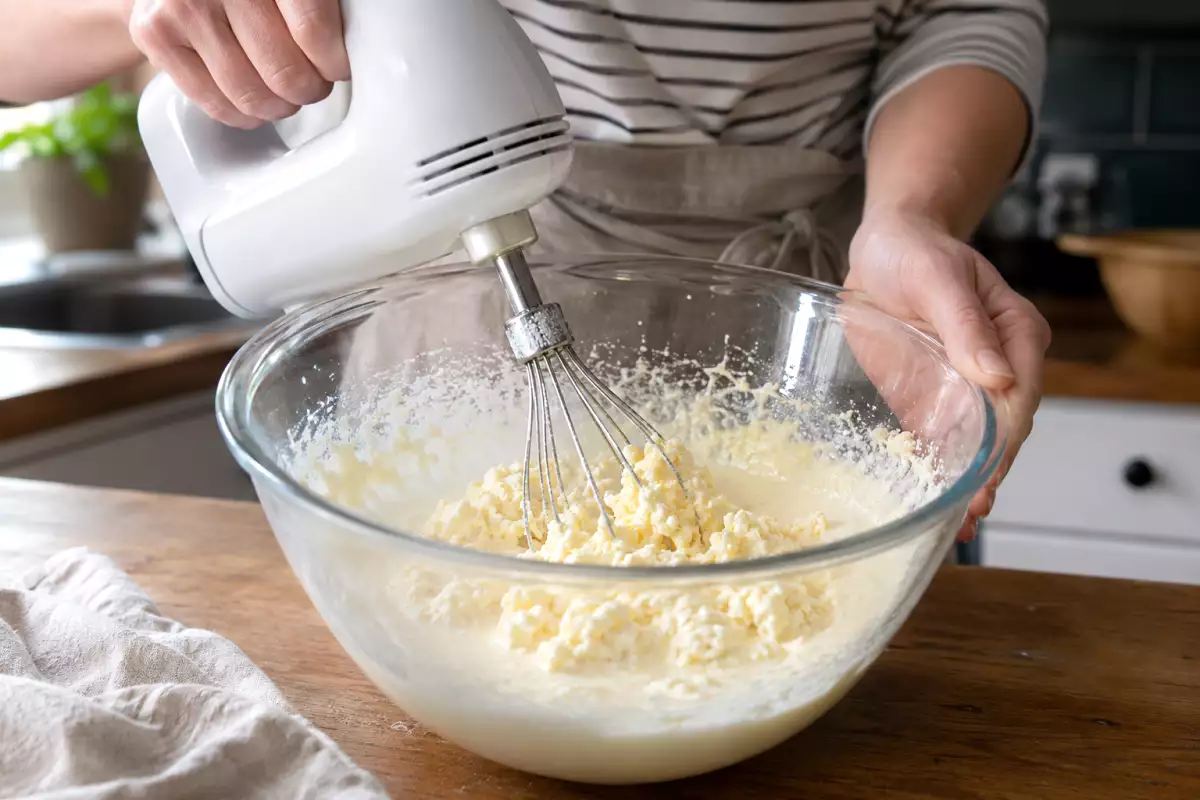
The process is simple: whip the cream until it separates. On one side, you’ll get small pieces of butter. On the other, a liquid called buttermilk. Then, just drain, rinse, and press the butter to remove as much liquid as possible.
You can leave it plain, add a little salt, or flavor it with herbs, garlic, lemon, or spices. It’s a simple, practical recipe that’s a lot of fun to make when you want to prepare fresh butter for bread, radishes, potatoes, or hot vegetables.
What kind of cream should I use to make butter?
To make good homemade butter, you need to use a fairly rich cream. Choose whole cream with at least 30% fat content. Light cream won’t work well because it doesn’t contain enough fat.
Whole liquid cream is the most convenient option to start with. It whips easily and separates well. You can also use thick crème fraîche, but the texture will be slightly different.
The better the cream, the better the butter will be. Since there’s almost only one ingredient, you can taste the difference right away.
Whole liquid cream is the most convenient option to start with. It whips easily and separates well. You can also use thick crème fraîche, but the texture will be slightly different.
The better the cream, the better the butter will be. Since there’s almost only one ingredient, you can taste the difference right away.
How do you turn cream into butter?
Pour the very cold cream into the bowl of a food processor or a mixing bowl. Whip it as if you were making whipped cream. At first, the cream will thicken. Then, if you keep whipping, it will eventually separate.
At that point, you’ll see small yellow grains appear. That’s the butter. The liquid that separates is buttermilk. So don’t worry if the cream seems to “curdle”—that’s exactly what you want.
Once the butter has formed properly, stop whipping and move on to straining.
At that point, you’ll see small yellow grains appear. That’s the butter. The liquid that separates is buttermilk. So don’t worry if the cream seems to “curdle”—that’s exactly what you want.
Once the butter has formed properly, stop whipping and move on to straining.
How to make homemade butter?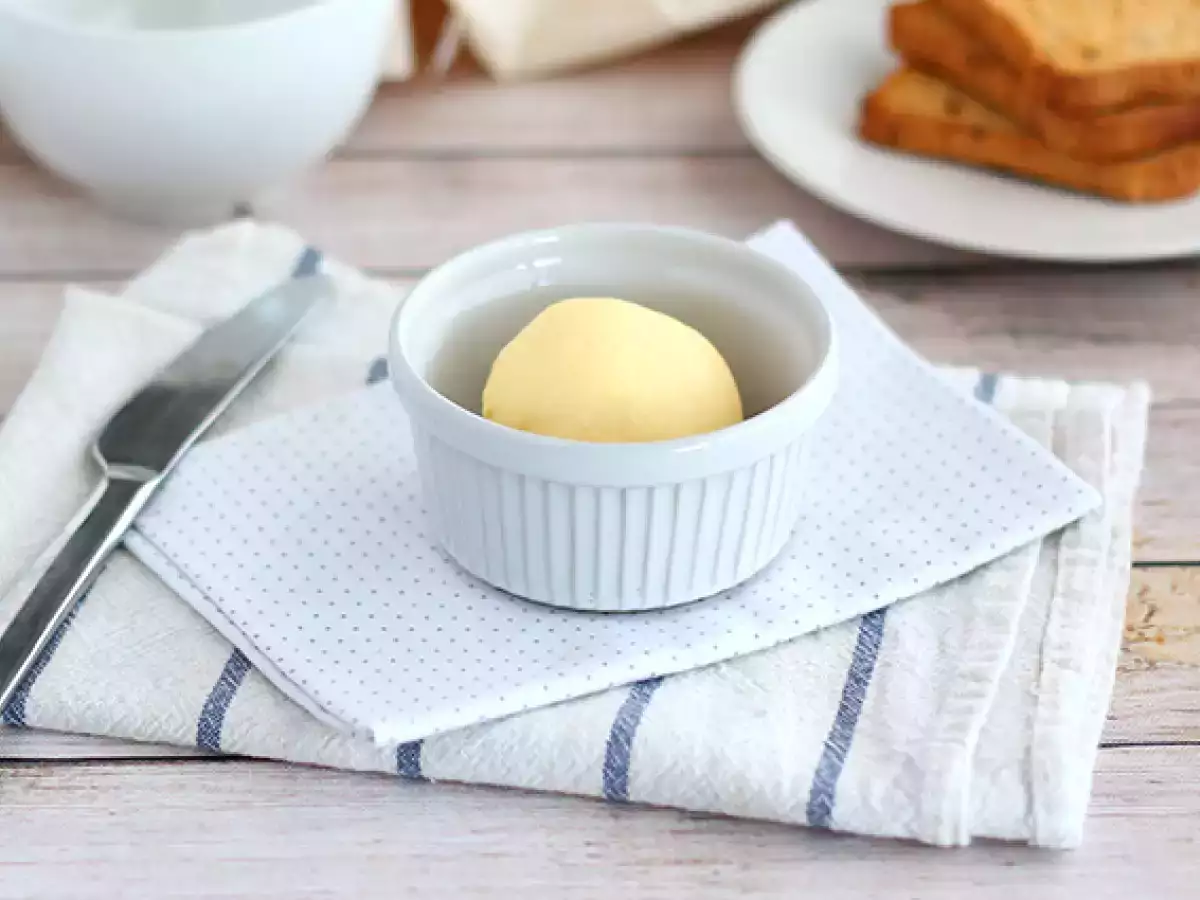
Want to bake a cake but don't have enough butter? Too bad—the shops are closed... Don't give up; make your own butter instead! You only need one ingredient: cream. And making it couldn't be easier. Just whip the cream until it becomes grainy and...
Drain and squeeze the butter
Pour the contents of the bowl into a fine-mesh strainer or cheesecloth. Collect the butter, then press it with a spatula or your clean hands to remove as much buttermilk as possible.
This step is important. If the butter retains too much liquid, it won’t keep as well. It may also develop an unpleasant taste after a few days.
Don’t necessarily throw away the buttermilk. It can be used in pancakes, cakes, muffins, or certain moist breads.
This step is important. If the butter retains too much liquid, it won’t keep as well. It may also develop an unpleasant taste after a few days.
Don’t necessarily throw away the buttermilk. It can be used in pancakes, cakes, muffins, or certain moist breads.
Why do you have to rinse the butter?
Rinsing removes any buttermilk left in the butter. Place the butter in a bowl of very cold water, then gently squeeze it. The water will become cloudy. Change the water and repeat until it is almost clear.
Next, squeeze it firmly one last time to remove the water. The butter should be firm and clean. This step helps produce butter with a cleaner taste that’s easier to store.
Then shape it into a small ball, place it in a jar, or wrap it in parchment paper.
Next, squeeze it firmly one last time to remove the water. The butter should be firm and clean. This step helps produce butter with a cleaner taste that’s easier to store.
Then shape it into a small ball, place it in a jar, or wrap it in parchment paper.
Unsalted, lightly salted, or flavored butter
Once you’ve rinsed the butter, you can leave it plain. It’s perfect on bread, with radishes, or for cooking.
To make lightly salted butter, add a small pinch of salt, mix, then taste. It’s best to add just a little at first, then adjust.
You can also make flavored butter with parsley, garlic, lemon, pepper, or fresh herbs. Maître d’hôtel butter is a great choice to serve with meat, potatoes, or vegetables.
To make lightly salted butter, add a small pinch of salt, mix, then taste. It’s best to add just a little at first, then adjust.
You can also make flavored butter with parsley, garlic, lemon, pepper, or fresh herbs. Maître d’hôtel butter is a great choice to serve with meat, potatoes, or vegetables.
Maître d'hôtel butter (simple and quick)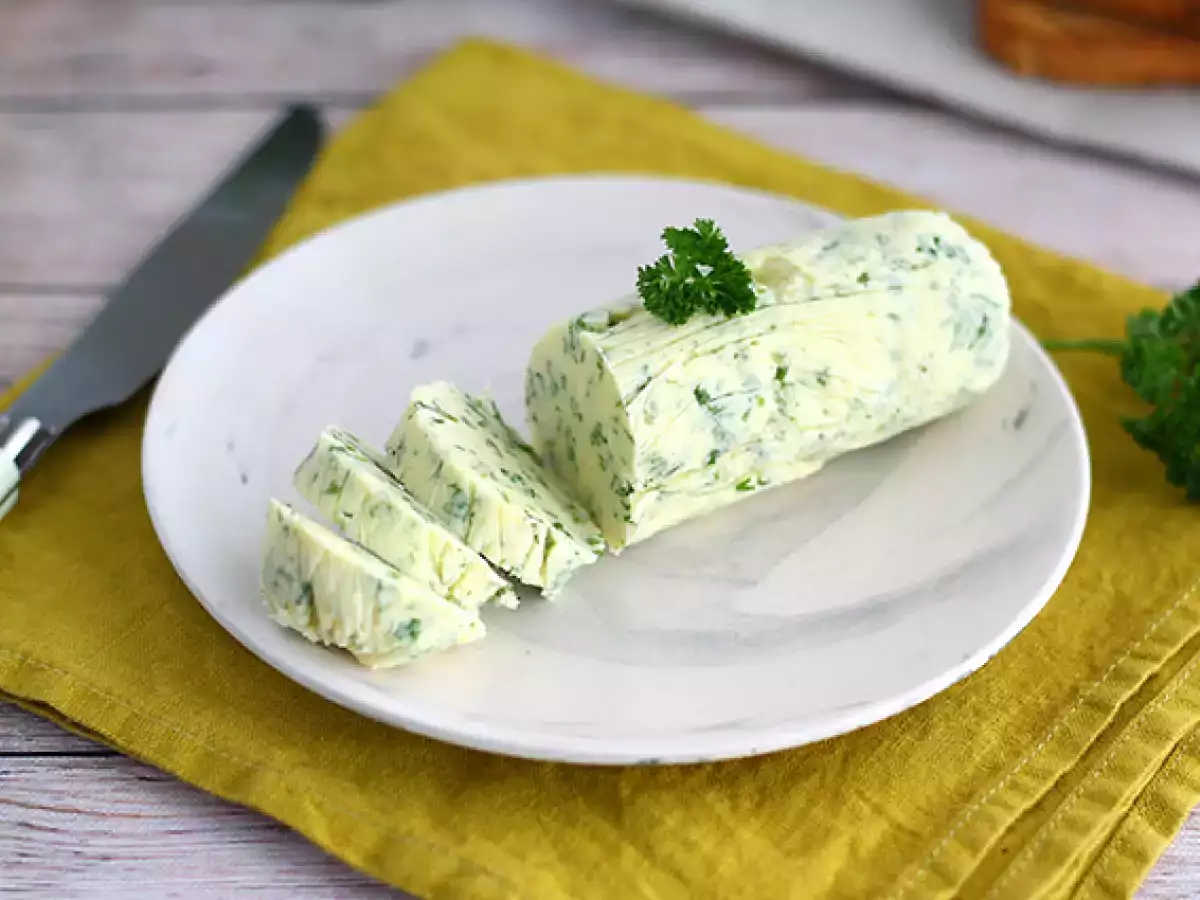
This compound butter can be enjoyed on its own or served with meat (a nice rib steak, for example!). An easy recipe with parsley and lemon that will add extra flavor to your dishes while retaining the butter’s lovely soft texture. We explain step by...
How do you store homemade butter?
Homemade butter should be stored in the refrigerator in a clean, tightly sealed container. Since it’s homemade, it’s best to use it fairly quickly, especially if it’s unsalted.
If you make a large batch, you can also freeze it in small portions. This is convenient so you’ll always have some on hand for cooking.
Be sure to write the date you made it on the jar or the packaging. It’s simple, but helpful.
If you make a large batch, you can also freeze it in small portions. This is convenient so you’ll always have some on hand for cooking.
Be sure to write the date you made it on the jar or the packaging. It’s simple, but helpful.
What can you do with buttermilk?
The buttermilk collected during preparation can be used in cooking. It makes pancakes, muffins, cakes, and quick breads more moist.
You can use it in place of some of the milk in certain recipes. It gives the dish a softer texture and a slightly milder flavor.
For example, it works very well in pancake batter.
You can use it in place of some of the milk in certain recipes. It gives the dish a softer texture and a slightly milder flavor.
For example, it works very well in pancake batter.
Pancakes - video recipe!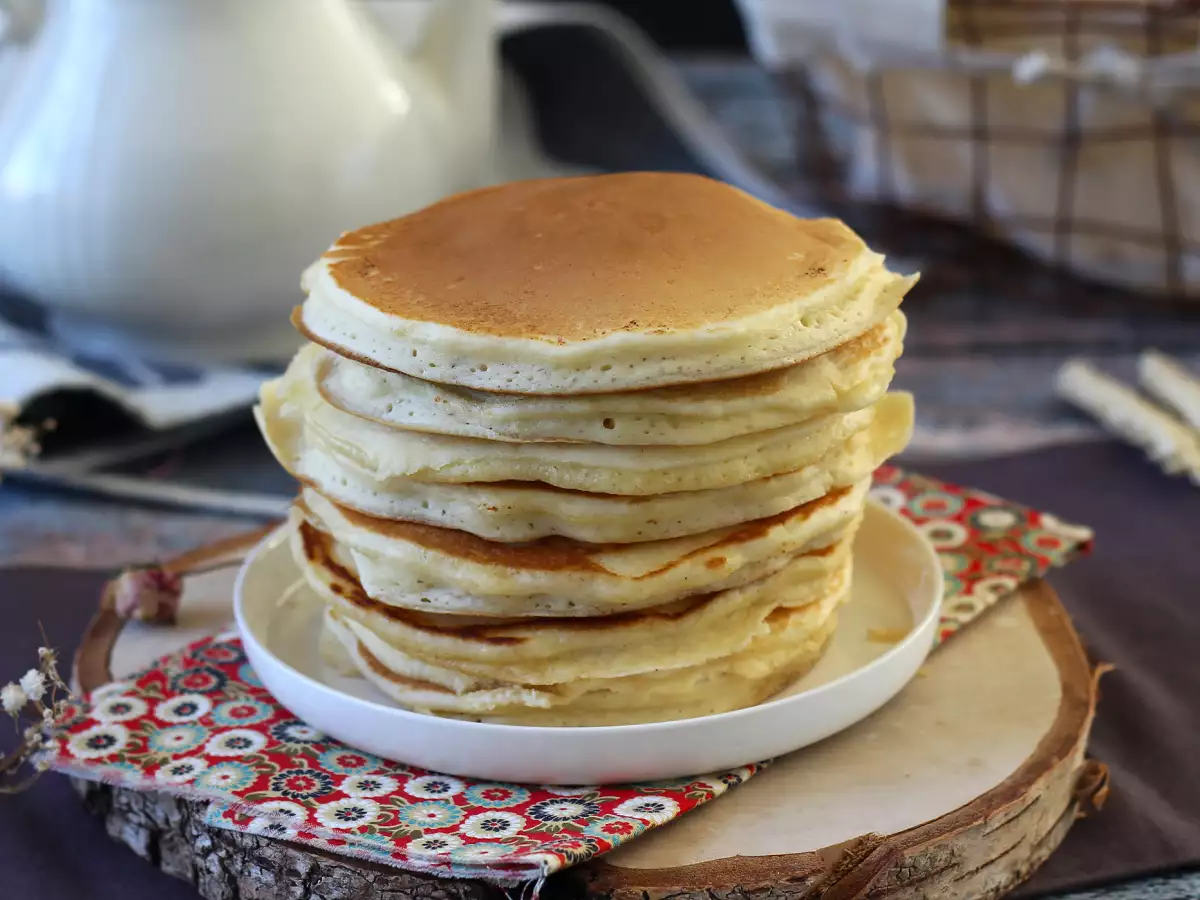
Want a typical american breakfast ? Try out this recipe, perfect for fluffy and moist pancakes ! Add some chocolate chips or blueberries, and you'll get the fanciest breakfast !
Mistakes to avoid
The first mistake is using cream that’s too light. To make butter, you really need whole cream.
The second mistake is stopping too soon. If you stop when the cream is whipped, you won’t get any butter. You have to keep going until the cream separates.
The third mistake is not rinsing the butter thoroughly enough. A good rinse with cold water results in cleaner butter with a better flavor.
The second mistake is stopping too soon. If you stop when the cream is whipped, you won’t get any butter. You have to keep going until the cream separates.
The third mistake is not rinsing the butter thoroughly enough. A good rinse with cold water results in cleaner butter with a better flavor.
The right habit to adopt
To make homemade butter, there are four steps to remember: whipping, draining, rinsing, and pressing.
With good whole-milk cream and a little patience, you’ll end up with fresh, simple, and customizable butter. Whether plain, salted, or flavored, it’s easy to make and instantly adds a homemade touch to a slice of toast or a hot dish.
It’s not a complicated recipe. It’s really just a simple culinary gesture that brings joy and shows that you can do a lot with just one ingredient.
With good whole-milk cream and a little patience, you’ll end up with fresh, simple, and customizable butter. Whether plain, salted, or flavored, it’s easy to make and instantly adds a homemade touch to a slice of toast or a hot dish.
It’s not a complicated recipe. It’s really just a simple culinary gesture that brings joy and shows that you can do a lot with just one ingredient.
 Adèle Peyches
Editorial manager who just can't wait for winter to enjoy fondue! Passionate about gastronomy and always on the lookout for new culinary gems, I first studied law before returning to my first love: the taste of good products and the joy of sharing around the table :)
Comments